Vintage Weiss Rhinestone Clip On Earrings: 2026 Style Guide
Discover the 2026 trend of vintage Weiss rhinestone clip on earrings. Learn authentication, market values, and styling tips for mid-century maximalism.

The 2026 Resurgence: Why Weiss Clip-Ons Are Dominating Vintage Maximalism
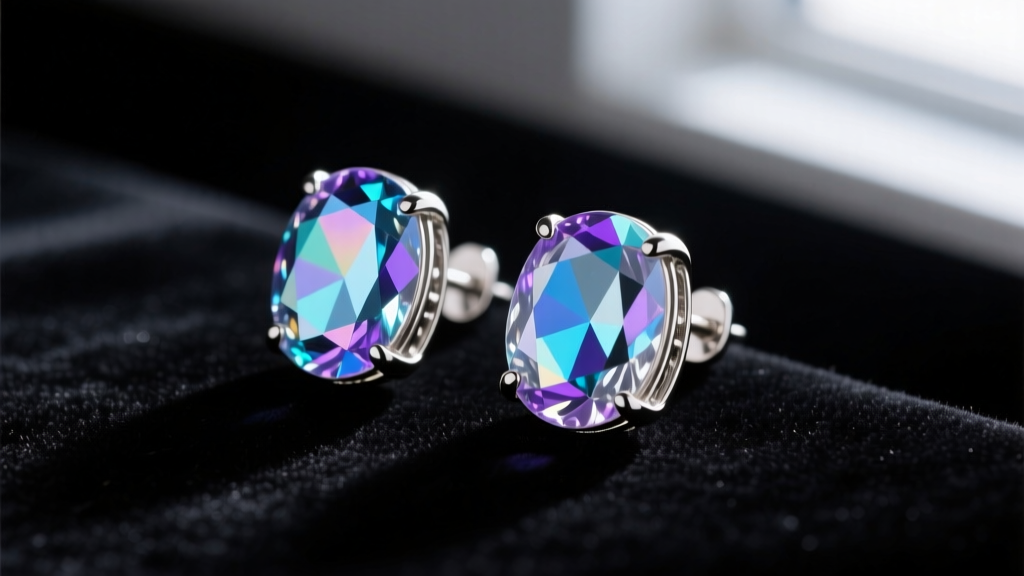
The fashion landscape of 2026 has decisively pivoted away from the understated minimalism of the early 2020s, embracing what trend forecasters are calling 'Curated Heritage Maximalism.' At the epicenter of this movement are vintage Weiss rhinestone clip on earrings. Once relegated to the back of vintage jewelry boxes, these mid-century masterpieces are now the ultimate statement pieces for a generation of collectors and style enthusiasts who value architectural glamour, sustainable fashion, and historical provenance.
Unlike contemporary crystal earrings, which often rely on machine-perfect uniformity, vintage Weiss pieces possess a distinct, hand-set character. The slight variations in prong placement, the deep foil-backing of the glass, and the heavy, sculptural metalwork offer a tactile and visual weight that modern mass-market jewelry simply cannot replicate. In 2026, wearing a pair of signed Weiss clips is not just a nod to the past; it is a deliberate styling choice that signals an appreciation for artisanal craftsmanship and bold, unapologetic elegance.
Decoding the Weiss Legacy: Materials, Cuts, and Signatures
To truly understand the appeal of these earrings, one must look at the history of the Albert Weiss company. Founded in New York City in 1942 by Albert Weiss—who previously honed his expertise as a designer for the legendary Coro jewelry house—the Weiss brand quickly became synonymous with high-end costume jewelry. Weiss spared no expense in sourcing materials, utilizing premium Austrian and West German rhinestones, heavy rhodium-plated base metals, and intricate casting techniques.
The company operated until 1971, leaving behind a highly collectible catalog of floral sprays, geometric art deco revivals, and sweeping chandelier designs. Because Weiss prioritized the brilliance of the stones above all else, their clip-on earrings remain remarkably vibrant decades later, provided they have been stored away from moisture and direct sunlight.
The Rhinestone Anatomy
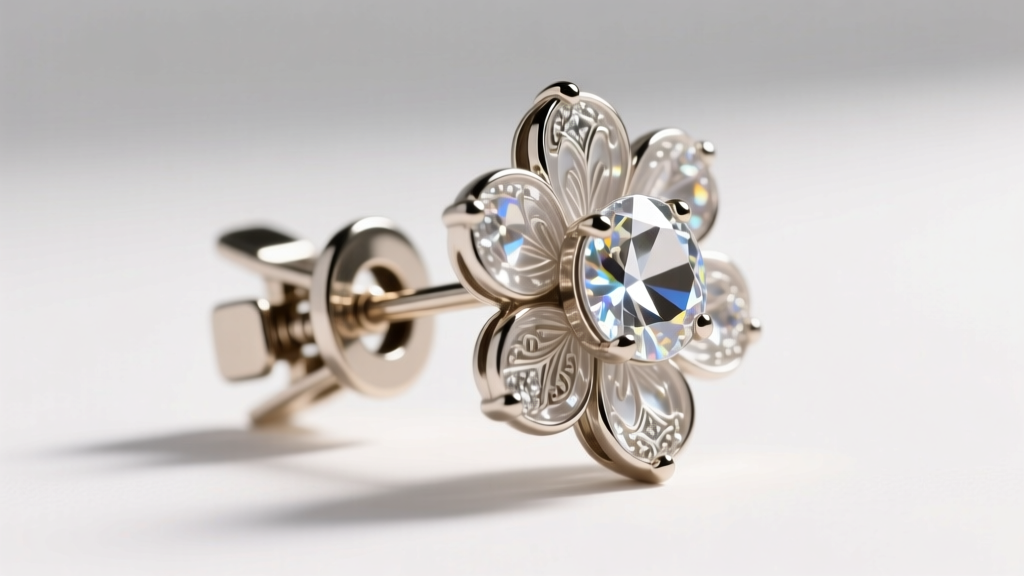
The brilliance of a Weiss earring lies in the strategic combination of different rhinestone cuts. A single floral clip-on might feature three or four distinct cuts to mimic the complexity of fine diamond jewelry:
- Chaton: The classic round, multi-faceted stone. Weiss frequently used chatons with high-dome crowns to maximize light refraction.
- Navette (Marquise):strong> Elongated stones with pointed ends, heavily utilized in Weiss's signature floral and leaf motifs to create a sense of organic movement.
- Baguette: Rectangular, step-cut stones often used as structural accents or to create geometric, Art Deco-inspired borders around central focal stones.
- Aurora Borealis (AB): Introduced by Swarovski in collaboration with Christian Dior in 1955, the iridescent AB finish was rapidly adopted by Weiss. Late-1950s and 1960s Weiss clip-ons featuring AB stones are among the most highly sought-after by collectors today.
Authentication and Market Valuation
As the demand for vintage Weiss rhinestone clip on earrings surges in 2026, the market has seen an influx of misattributed or outright counterfeit pieces. Authenticating Weiss requires a keen eye for hallmarks, metal weight, and stone quality. According to antique jewelry resources like The Spruce Crafts, the company used several distinct signatures throughout its run.
Early pieces (1940s to early 1950s) may be unmarked or feature a simple block 'WEISS' stamp. By the mid-1950s, the company transitioned to an elegant 'Weiss' in cursive script, sometimes accompanied by the copyright symbol (©) after 1955. You may also find pieces marked 'AW' or 'A.W.', though these are less common. The metalwork should feel substantial; Weiss rarely used flimsy stampings, preferring cast white metal that was heavily plated in rhodium or gold-tone finishes.
Below is a comprehensive valuation guide based on current 2026 market data aggregated from premier vintage platforms like Ruby Lane and specialized auction houses.
| Era / Style Category | Identifying Marks | Primary Stone Types | 2026 Market Value Range (USD) |
|---|---|---|---|
| 1940s Retro / Gas Pipe | Block 'WEISS' or Unmarked | Clear Chaton, Faux Sapphires | $85 - $160 |
| 1950s Floral Sprays | Script 'Weiss', 'WEISS' | Navette, Chaton, Baguette | $150 - $350 |
| Late 50s/60s Aurora Borealis | Script 'Weiss' with © | AB Coated Chaton & Navette | $200 - $450 |
| Chandelier / Drop Clips | Script 'Weiss', 'AW' | Mixed Cuts, Teardrop Pendants | $300 - $650+ |
| Rare Parures (Matching Sets) | Consistent Script Marks | Complex Multi-Cut Arrays | $800 - $1,500+ |
Styling Framework: Integrating Mid-Century Clips into Modern Wardrobes
The key to wearing vintage Weiss rhinestone clip on earrings in 2026 without looking like you are wearing a theatrical costume is the principle of 'High-Low Contrast.' These pieces were originally designed to complement the structured, heavily tailored silhouettes of the 1950s. Today, they shine brightest when paired with modern, relaxed, or minimalist garments.
'The modern maximalist doesn't wear vintage head-to-toe. They use a single, high-impact heritage piece—like a sweeping Weiss chandelier clip—as the anchor for an otherwise contemporary, fluid silhouette.' — 2026 Vintage Styling Manifesto
For daytime styling, pair a medium-sized Weiss floral clip-on with a crisp, oversized white poplin button-down shirt and wide-leg denim. The structured collar frames the face and provides a visual boundary that keeps the sparkle contained and intentional. For evening wear, abandon the traditional cocktail dress. Instead, style large, dramatic Weiss AB drop earrings with a sleek, unadorned black silk slip dress or a sharply tailored, oversized menswear-inspired tuxedo blazer. The juxtaposition of the ornate, mid-century glasswork against modern, minimalist tailoring creates a look that is both deeply sophisticated and effortlessly current.

Wearability Hacks: Upgrading Vintage Clip-On Comfort
The most common complaint regarding vintage clip-on earrings is discomfort. Mid-century jewelry was designed for a different era of wear, and the original spring tension on Weiss clip-ons can be unforgiving on modern earlobes. Fortunately, you do not need to sacrifice the integrity of the piece (or your comfort) to wear them. Here are three professional jeweler-approved hacks for upgrading vintage clip-on wearability:
1. The Tension Adjustment
Most Weiss clip-ons from the 1950s utilize a 'paddle-back' or 'fish-hook' hinge mechanism. Over decades, the metal spring inside the hinge can become stiff. Using a pair of nylon-jaw jewelry pliers (never bare metal pliers, which will mar the rhodium plating), gently grip the base of the paddle and apply microscopic outward pressure to relax the spring tension. Test the clip on your finger before applying it to your ear. The goal is a secure hold that does not induce a throbbing sensation after ten minutes.
2. Silicone Cushion Pads
For Weiss pieces featuring the older 'screw-back' mechanism—often found on their heavier chandelier designs—the hard metal cup can dig painfully into the back of the earlobe. Invest in high-quality, reusable silicone earring cushions. These slip over the screw-back pad, providing a medical-grade silicone barrier that distributes the pressure evenly across the earlobe while adding friction to prevent the heavy earring from slipping down the ear.
3. Smoothing the Teeth
Some early Weiss paddle-backs feature tiny metal 'teeth' designed to grip the earlobe. While effective for security, these can be incredibly sharp after 70 years of wear. Take a fine-grit jeweler's file or a high-grit emery board and gently buff the tips of the teeth until they are smooth and rounded. This simple five-minute modification preserves the original clasp mechanism while entirely eliminating the pinching sensation, allowing you to wear your curated heritage maximalism comfortably from morning until midnight.


