Emerald Dangle Earrings: 2026 Style & Trend Analysis
Discover the 2026 trends for emerald dangle earrings. Explore lab-grown vs. natural options, structural hardware tips, and face-shape styling guides.

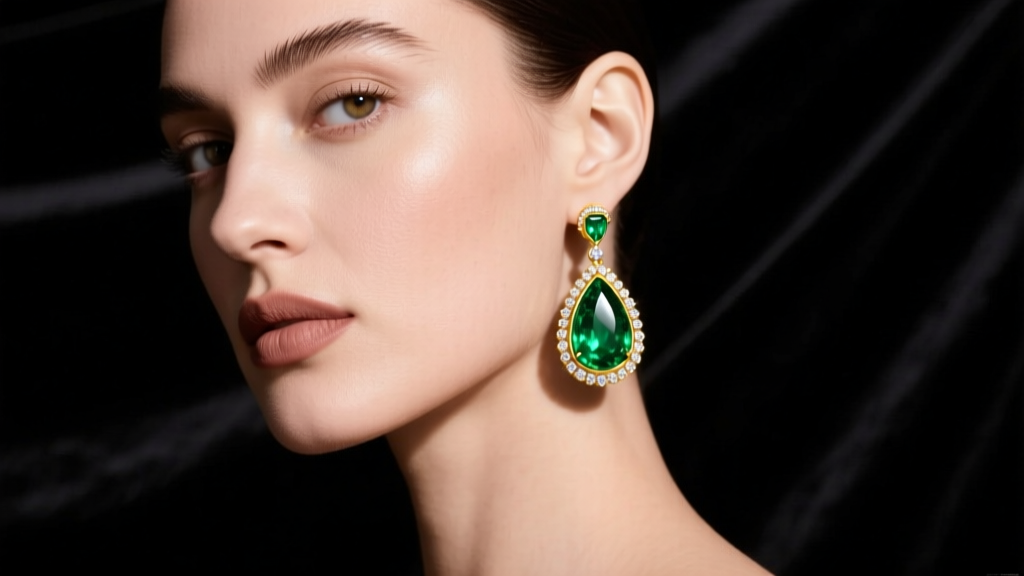
The landscape of fine jewelry is shifting, and emerald dangle earrings are at the forefront of the 2026 style evolution. Moving away from the heavy, static heirloom drops of the past decade, today's aesthetic embraces kinetic architecture, mixed-metal brutalism, and advanced lab-grown gemology. Whether you are investing in natural Colombian stones or exploring hydrothermal alternatives, understanding the structural and stylistic nuances of dangle earrings is critical for both aesthetics and earlobe health.
The 2026 Aesthetic: Kinetic Architecture and Botanical Brutalism
In 2026, the 'quiet luxury' trend has evolved into what industry insiders call 'Botanical Brutalism.' This design language pairs the organic, lush green of emeralds with stark, architectural metalwork. Instead of traditional yellow-gold halos, designers are utilizing oxidized sterling silver, matte-finish platinum, and asymmetric 18k gold prongs that mimic thorny vines or raw geological formations.
Kinetic movement is another dominant trend. Articulated dangles—where the emerald drop is connected to the stud via a micro-hinge or a loose jump ring—allow the gemstone to catch light dynamically as the wearer moves. This requires precise engineering to ensure the joints do not wear down over time, a factor that separates mass-market jewelry from fine artisanal pieces.
Gemological Breakdown: Choosing Your Emerald
Emeralds are classified as Type III clarity gemstones by the Gemological Institute of America (GIA), meaning inclusions (known as jardin) are expected and even celebrated as a fingerprint of authenticity. However, when selecting emeralds for dangle earrings, treatment and origin dictate both the price and the durability of the stone.
Because dangle earrings swing and are prone to accidental impacts against hairbrushes, phones, and clothing, the structural integrity of the emerald is paramount. Heavily fractured stones treated with temporary cedar oil are at high risk of drying out and cracking under kinetic stress.
| Origin / Type | Standard Treatment | Avg. Price (per carat) | Durability for Dangles |
|---|---|---|---|
| Colombian (Natural) | Minor to Moderate Oil | $4,000 - $15,000+ | Fair (Requires careful wear) |
| Zambian (Natural) | Minor Oil / Epoxy | $1,500 - $5,000 | Good (Denser crystal structure) |
| Hydrothermal (Lab) | None (Untreated) | $300 - $800 | Excellent (High clarity, no oil) |
| Flux-Grown (Lab) | None (Untreated) | $400 - $900 | Excellent (Highly durable) |
For a comprehensive understanding of clarity and inclusions, refer to the GIA's Emerald Quality Factors guide, which details how jardin impacts both value and structural stability.
Structural Integrity: Solving the 'Dangle Droop'
The most common failure mode in emerald dangle earrings is the 'forward droop,' where the weight of the gemstone pulls the earlobe forward and down, causing discomfort and an unflattering silhouette. A 3-carat total weight (CTW) emerald drop can exert significant torque on the piercing channel.
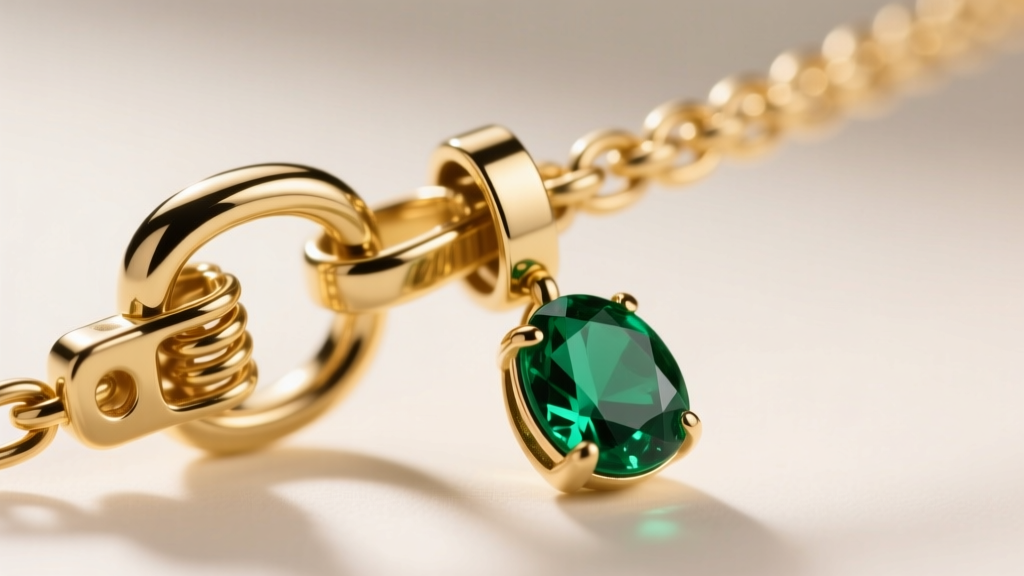
Wire Gauges and Backing Mechanics
Standard commercial earrings often use 20-gauge (0.81mm) or 22-gauge (0.64mm) wire for French hooks. For emerald dangles exceeding 2.5 CTW, this is structurally insufficient.
- 18-Gauge (1.0mm) Wire: The minimum recommended thickness for medium-weight emerald drops. It provides enough rigidity to prevent the wire from bending outward over time.
- 16-Gauge (1.2mm) Wire: Ideal for heavy, statement-making architectural dangles. Note that some older or tighter piercings may require gradual stretching to accommodate 16G wire comfortably.
- Clasp Types: Abandon standard friction backs. Opt for leverback closures with a secure locking hinge, or omega clips which distribute the weight across a wider surface area of the earlobe rather than concentrating it solely on the piercing hole.
Face Shape & Styling Matrix for 2026
The elongated nature of dangle earrings makes them a powerful tool for facial contouring. In 2026, stylists are moving beyond basic rules, focusing on contrasting or complementing the wearer's natural bone structure.
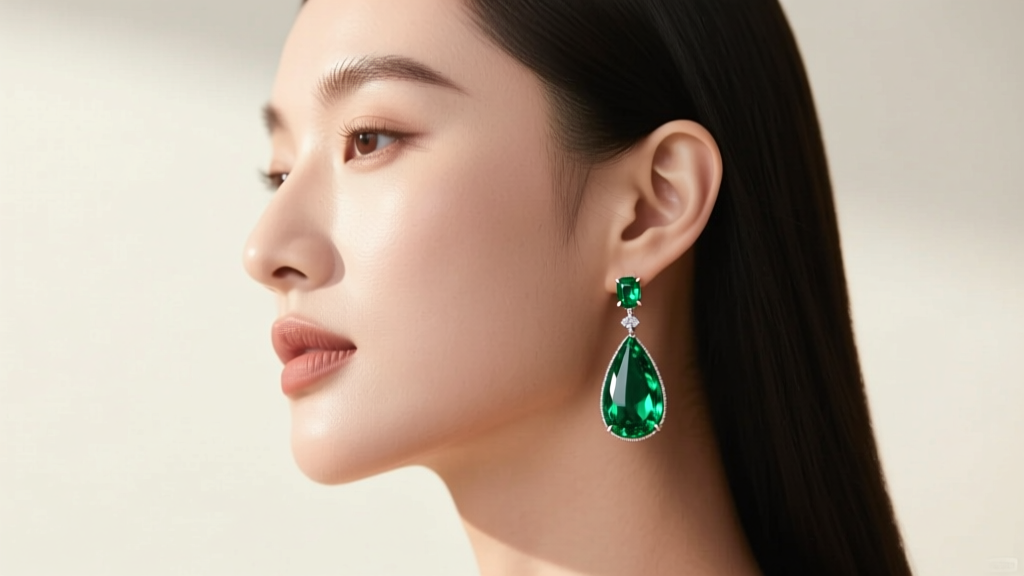
- Round Faces: Opt for angular, geometric drops. Emerald-cut (rectangular) or baguette emeralds set in linear, art-deco-inspired 18k white gold drops create the illusion of length and sharpen the jawline.
- Square Faces: Soften strong angles with curved silhouettes. Pear-shaped or oval briolette emeralds that swing freely on a delicate chain introduce movement and soften the lower half of the face.
- Heart-Shaped Faces: Choose teardrop designs that are wider at the bottom than the top. This adds visual weight to the narrower chin area, balancing the wider forehead.
- Oval Faces: The universal canvas. Experiment with the year's boldest trend: asymmetrical dangles, where one ear features a long, multi-stone kinetic drop and the other features a shorter, single-stone architectural stud.
The Lab-Grown Disruption
The 2026 market has seen a massive surge in high-quality lab-grown emeralds, fundamentally changing the dangle earring category. Because natural emeralds of significant size with high clarity are exceptionally rare and expensive, lab-grown alternatives allow designers to create bold, oversized dangles without the prohibitive $20,000+ price tag.
Brands utilizing flux-grown methods (pioneered by labs like Chatham Created Gemstones) produce emeralds that are chemically, physically, and optically identical to mined stones, but with fewer internal fractures. This lack of jardin makes lab-grown emeralds significantly more resistant to the micro-impacts inherent to dangle earring wear. Furthermore, because they are untreated, they can be safely cleaned without the risk of stripping out fracture-filling oils.
Maintenance: Protecting the Jardin
Kinetic jewelry requires specialized maintenance. Dangle earrings constantly swing through hair, collecting skin oils, hairspray, and cosmetic powders, which quickly dull the vitreous luster of an emerald.
Critical Warning: Never place natural, oil-treated emerald earrings in an ultrasonic cleaner. The high-frequency vibrations will shatter the stone along its natural fracture lines, and the heat will boil out the cedar oil, leaving the emerald looking white and opaque.
For routine cleaning of natural emerald dangles, follow the GIA's Emerald Care and Cleaning protocols: use lukewarm water, a drop of pH-neutral dish soap, and a baby-soft toothbrush. Gently clean the back of the gemstone (the pavilion), where grease accumulates and blocks light return. Dry immediately with a microfiber cloth to prevent water spots on the metal settings. For lab-grown, untreated emeralds, ultrasonic cleaning is generally safe, but always verify the metal setting's integrity first.
Final Verdict: Investing in 2026's Emerald Dangles
Emerald dangle earrings in 2026 are a masterclass in the intersection of gemology and mechanical engineering. Whether you choose the historical romance of a minor-oil Zambian drop or the modern durability of a flux-grown kinetic piece, prioritize the hardware. A flawless emerald is only as good as the 18-gauge wire and leverback clasp that keeps it securely, and elegantly, framing your face.


