Black Ring Earrings: Troubleshooting Fading & Allergies
Discover why your black ring earrings fade or cause allergies. Expert troubleshooting for PVD, rhodium, and oxidized silver hoops.

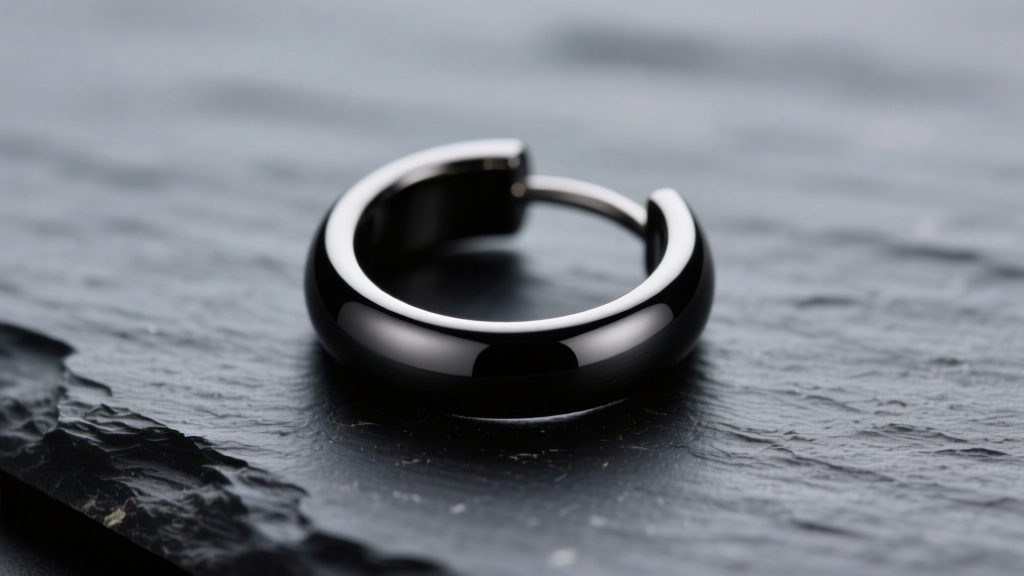
Black ring earrings are a cornerstone of modern, edgy, and minimalist jewelry wardrobes. Whether you prefer a sleek 16-gauge huggie for your cartilage or a bold 14-gauge seamless hoop for a stretched lobe, the dark aesthetic is undeniably striking. However, black jewelry comes with a notorious reputation for premature fading, chipping, and triggering contact dermatitis. If your favorite dark hoops are turning gray, rubbing off on your skin, or causing irritation, the issue lies in the metallurgy and the coating process.
As a jewelry troubleshooting guide, we are going to dissect the exact failure modes of black metal finishes. We will move past generic care advice and dive into the specific material grades, gauge tolerances, and chemical interactions that dictate the lifespan of your dark hoops.
The Anatomy of Black Finishes: Why They Fail
Not all black ring earrings are created equal. The color is rarely inherent to the base metal; it is almost always a surface treatment. Understanding which treatment your earrings possess is the first step in troubleshooting their degradation.
- PVD (Physical Vapor Deposition) Coating: A vacuum-sealed process where titanium nitride or similar compounds are vaporized and bonded to a base metal (usually ASTM F-136 titanium or 316L surgical steel). This creates a microscopic, ultra-hard ceramic layer.
- Black Rhodium Electroplating: A thin layer of platinum-group metal applied via electrical current over sterling silver or white gold. It provides a brilliant, mirror-like black finish but is inherently soft.
- Oxidized Silver: Sterling silver intentionally exposed to sulfur compounds (like liver of sulfur) to create a dark silver sulfide patina. This is a chemical reaction, not a coating.
- Black Enamel: Finely ground glass fused to a metal base at high temperatures. It is essentially a layer of dark ceramic paint.
Troubleshooting Color Loss and Fading
The most common complaint with black hoops is the inevitable 'graying' or complete loss of color on high-friction areas. Here is how to diagnose and address the specific type of wear you are experiencing.
Friction-Point Wear on Rhodium and Enamel
If your black ring earrings are plated with black rhodium, expect the color to wear off within 6 to 12 months of daily wear. The inner curve of the hoop and the clasp mechanism endure constant micro-abrasions against the earlobe and hair. Furthermore, the natural pH of human sweat (typically between 4.5 and 7.0) slowly breaks down the electroplated layer. The Fix: You cannot polish this back to black. The earrings must be sent to a professional jeweler for a rhodium re-dip, which typically costs between $35 and $60.
Patina Rub-Off on Oxidized Silver
Oxidation is a surface-level chemical tarnish. Because it is not sealed, the dark patina will naturally rub off on the raised edges of the jewelry, leaving recessed areas dark and high points bright silver. The Fix: Avoid ultrasonic cleaners and silver polishing cloths, as these will strip the intentional oxidation. If the earrings become too light, a jeweler can re-oxidize them using a controlled sulfur bath in under ten minutes.
Solving the 'Green Ear' and Allergy Problem
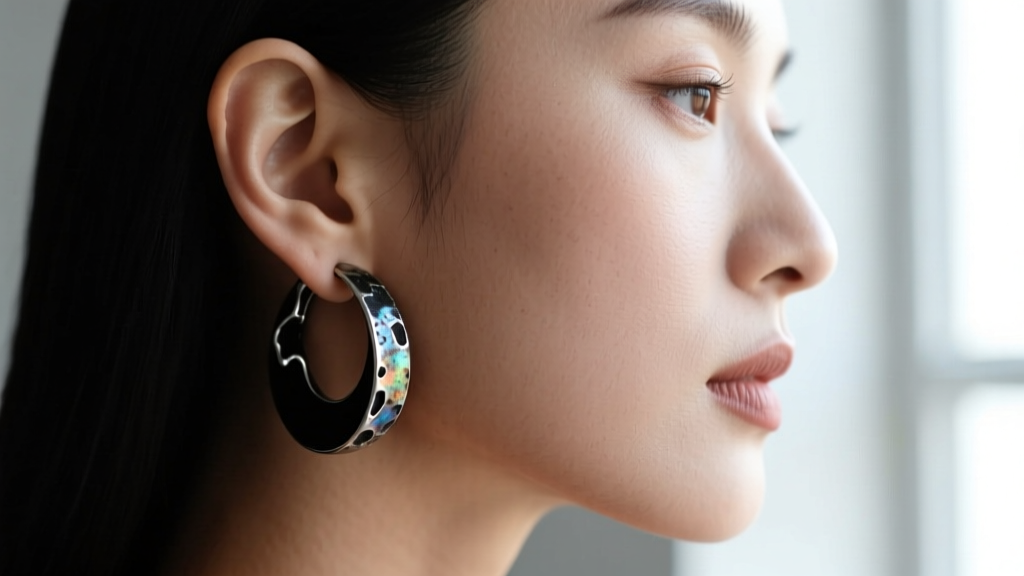
If your black ring earrings are causing itching, flaking, or a greenish-black stain on your earlobe, you are experiencing a base-metal reaction. This is exceptionally common with black rhodium-plated sterling silver.
Sterling silver (92.5% silver, 7.5% copper) does not contain nickel, but the copper alloy can react with oxygen and sweat to create copper chloride, resulting in a green stain. More dangerously, many mass-produced black hoops use a nickel underplate to help the black rhodium adhere to the base metal. Once the thin rhodium layer wears through at the friction points, the nickel is exposed directly to the skin, triggering allergic contact dermatitis.
According to the Association of Professional Piercers (APP), the only truly safe, long-term materials for sensitive or healing piercings are implant-grade titanium (ASTM F-136) and niobium. If you require black jewelry and have metal sensitivities, you must seek out PVD-coated implant-grade titanium, completely avoiding electroplated alloys.
Material Comparison & Durability Chart
Use this diagnostic chart to identify your current black hoops and understand their structural limitations.
| Material / Finish | Base Metal | Expected Lifespan (Daily Wear) | Hypoallergenic Rating | Avg. Price Range |
|---|---|---|---|---|
| PVD Black Coating | ASTM F-136 Titanium | 5+ Years (Highly scratch-resistant) | Excellent (Nickel-free) | $40 - $120 |
| Black Rhodium | Sterling Silver / Gold | 6 - 12 Months (Wears at friction points) | Poor (Risk of nickel underplate) | $60 - $250 |
| Oxidized Patina | 925 Sterling Silver | Permanent but requires maintenance | Good (Copper allergy risk only) | $30 - $90 |
| Black Enamel | Brass / Gold Vermeil | 1 - 3 Years (Prone to chipping) | Poor (High allergy risk if chipped) | $25 - $80 |
Step-by-Step Restoration and Care Guide
Proper maintenance varies wildly depending on the manufacturing technique. Using the wrong cleaning method is the fastest way to ruin a black finish. According to gemological standards outlined by the Gemological Institute of America (GIA), electroplated surfaces require drastically different care than solid alloys.
Cleaning PVD Titanium and Rhodium
- Mix a solution of warm distilled water and a single drop of pH-neutral baby shampoo.
- Soak the earrings for exactly 3 minutes to loosen sebum and dead skin cells.
- Gently agitate with a soft-bristled, baby-hair brush. Never use toothbrushes, as the stiff nylon bristles will create micro-scratches in the rhodium.
- Rinse with distilled water and pat dry with a lint-free microfiber cloth.
Cleaning Oxidized Silver and Enamel
Never submerge oxidized silver in liquid solutions for extended periods, and never use chemical silver dips (like Tarn-X). These thiourea-based chemicals will instantly strip the black silver sulfide layer, leaving you with bright, shiny white silver. Instead, use a dry, untreated polishing cloth and gently buff only the high-relief areas, avoiding the recessed black details.
Gauge Sizing and Structural Integrity
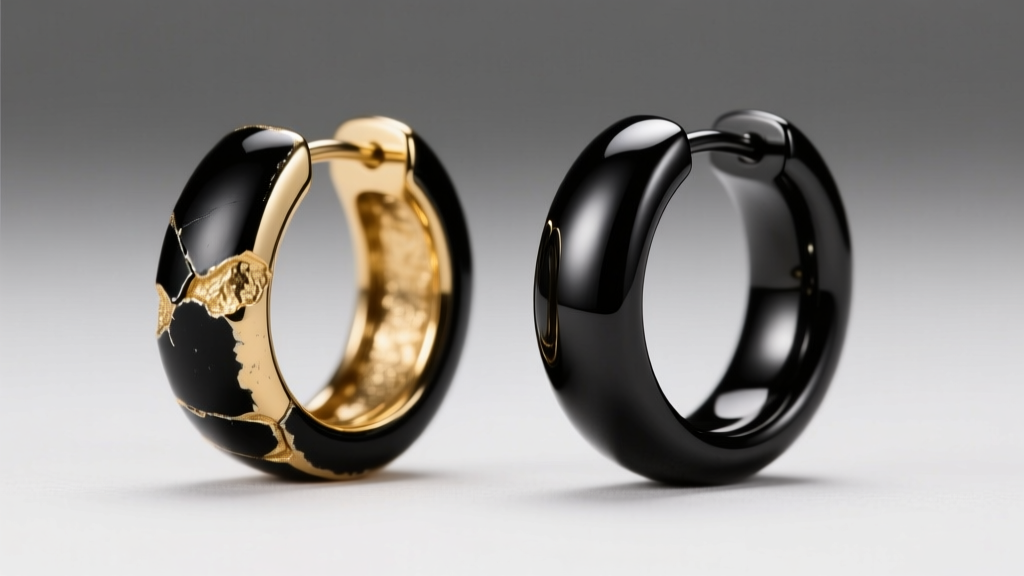
Fading is often accelerated by improper gauge sizing, which creates excess tension and friction against the piercing fistula. Standard lobe piercings are typically 18-gauge (1.0mm) or 16-gauge (1.2mm). If you force a thick 14-gauge (1.6mm) black hoop into an 18-gauge hole, the constant outward pressure will cause the earring to rub aggressively against the skin, accelerating the wear of black rhodium or enamel.
For cartilage piercings like the helix or tragus, the tissue is denser and less forgiving. Always opt for 16-gauge ASTM F-136 titanium hoops with a PVD black finish. The structural rigidity of 16-gauge titanium prevents the hoop from warping, ensuring the clasp closes flush and minimizes the micro-movements that lead to coating degradation.
When to Retire vs. Repair Your Hoops
Troubleshooting ultimately leads to a cost-benefit analysis. If your black ring earrings are made of brass with black enamel that has chipped to reveal the yellow base metal, it is time to retire them. The exposed brass will rapidly oxidize and cause severe contact dermatitis. Enamel cannot be patched seamlessly at home.
Conversely, if you have a high-end pair of 14k white gold hoops plated in black rhodium, paying a master jeweler $50 to strip, polish, and re-plate them is a sound investment. However, if you find yourself re-plating the same pair of sterling silver hoops every eight months, pivot your purchasing strategy. Invest the repair money into a pair of PVD-coated titanium hoops. While the initial aesthetic of PVD is slightly more matte and industrial than the mirror-finish of rhodium, the molecular bond of the vapor deposition means your black ring earrings will likely outlast the piercing itself.