The Beginner's Guide to Styling Heart Beaded Earrings
Discover how to choose, style, and care for heart beaded earrings. Learn about wire gauges, bead materials, and face-shape matching in our guide.

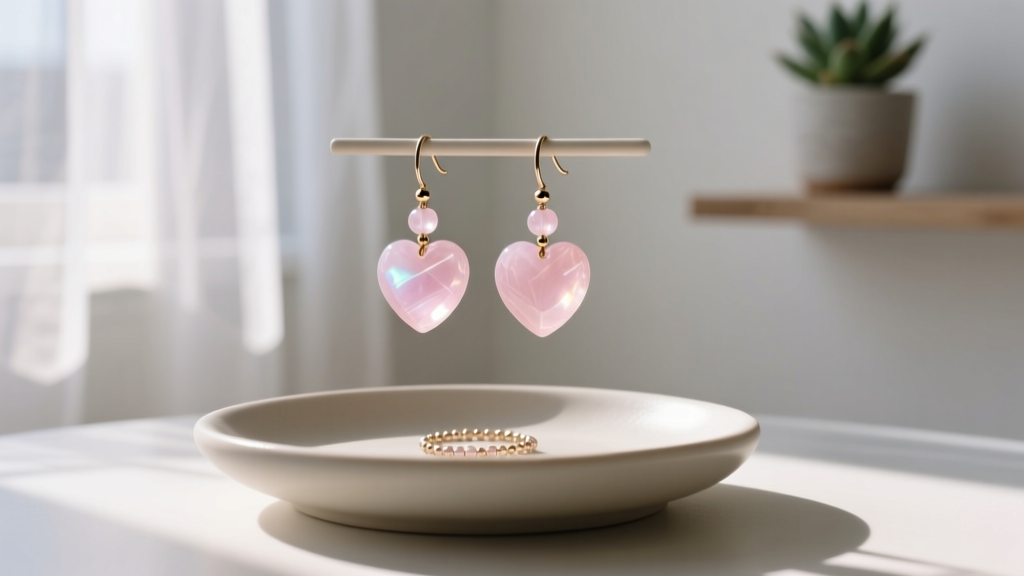
Heart beaded earrings have completely transcended their early-2000s nostalgia, cementing themselves as a staple in the 2026 romantic and coquette-core aesthetic revivals. Unlike solid metal hearts, beaded variations offer a playful texture, vibrant colorways, and a lightweight dangle that moves beautifully with the wearer. However, for beginners entering the world of beaded jewelry, not all heart earrings are created equal. The difference between a cherished accessory and a tangled, broken disappointment lies in the bead material, the wire gauge, and the drilling technique.
This beginner-friendly explainer will decode the anatomy of heart beaded earrings, helping you identify quality craftsmanship, match them to your face shape, and maintain them for years of wear.
Decoding Bead Materials: Glass vs. Polymer vs. Gemstone
The core of any beaded earring is the material itself. When shopping for heart-shaped beads, you will primarily encounter three categories, each with distinct weight profiles, durability thresholds, and price points. Understanding these differences is crucial for selecting a pair that suits your lifestyle and sensitivity needs.
| Material | Weight & Drape | Durability & Failure Modes | Average Price Range |
|---|---|---|---|
| Czech Glass | Medium weight; excellent swing on French hooks. | High. Resists scratching but can shatter if dropped on tile. | $30 - $75 |
| Polymer Clay | Ultra-lightweight; ideal for oversized statement hearts. | Low-Medium. Prone to snapping at the drill hole if bent. | $15 - $40 |
| Natural Gemstone (e.g., Rose Quartz, Jade) | Heavy; requires sturdy ear wires to prevent lobe stretching. | Medium. Can chip at the edges; porous stones absorb oils. | $60 - $150+ |
For everyday wear, fire-polished Czech glass is the gold standard. It offers the brilliance of crystal without the premium markup. If you prefer oversized, dramatic heart silhouettes that won't stretch your earlobes, polymer clay is your best option, provided you handle them with care.
The Anatomy of a Well-Made Beaded Earring
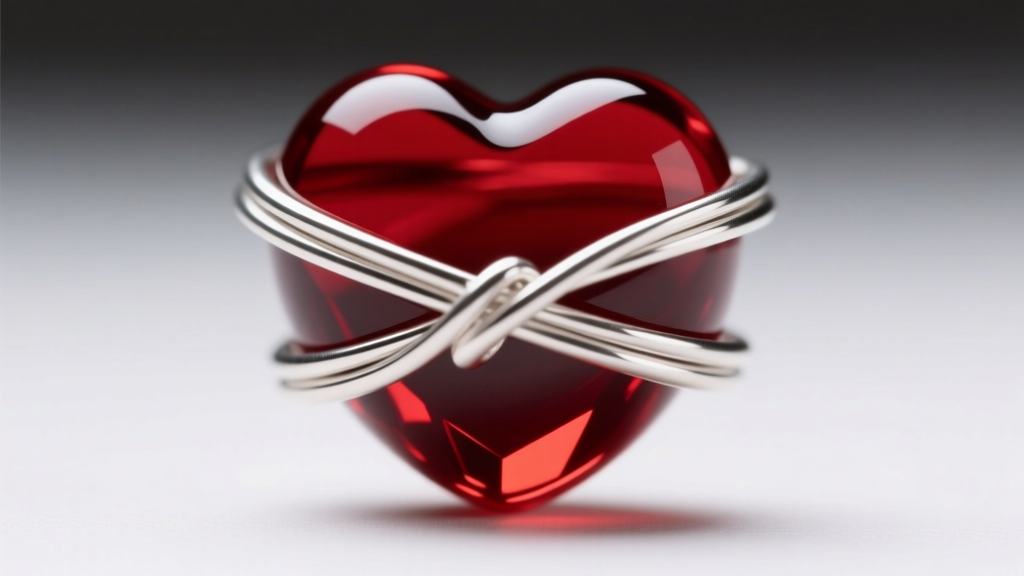
The most common point of failure in beaded earrings is the wire work. Beginners often overlook the hardware, focusing solely on the bead. However, according to jewelry manufacturing standards outlined by Rio Grande, the gauge and temper of the wire dictate the lifespan of the earring.
Wire Gauge and Temper Explained
- 24-Gauge (0.51mm): Too thin for structural heart beads. It will easily bend out of shape when caught on a sweater.
- 22-Gauge (0.64mm): The standard for lightweight glass and polymer hearts. It fits through most standard bead holes (usually 0.8mm to 1mm) while providing adequate support.
- 20-Gauge (0.81mm): Mandatory for heavy gemstone hearts. Note that many natural stone beads require a 1mm drill hole to accommodate this thicker wire.
Furthermore, the wire temper matters. High-quality makers use half-hard wire for the loops and ear wires. Dead-soft wire is easier to wrap but will slowly unspool and open up under the weight of the bead, leading to lost earrings.
Troubleshooting the "Sagging Heart" Syndrome
Have you ever worn a heart earring that constantly tilted forward, showing you the side profile instead of the flat face? This is known as the "sagging heart" syndrome. It occurs when the bead's drill hole is slightly larger than the wire gauge, allowing the bead to pivot on the headpin. The Fix: Look for earrings that utilize a bead cap or a flat spacer bead between the wire loop and the heart bead. This creates a flush anchor, forcing the heart to hang perfectly flat against your neck or collarbone.
Face Shape & Proportion Matching
Heart motifs are inherently wide at the top and taper to a point at the bottom. This geometric reality means they interact differently with various face shapes. Here is a quick framework for selecting the right silhouette:
- Round Faces: Avoid wide, chunky heart studs that emphasize facial width. Instead, opt for elongated, teardrop-shaped heart dangles. The vertical drop helps visually lengthen the face.
- Square Faces: Soften strong jawlines with rounded, plump heart beads (like polished rose quartz or smooth polymer clay). Avoid sharp, geometric, or faceted crystal hearts.
- Oval Faces: You have the most versatility. Wide, horizontal heart huggies or classic proportioned glass heart drops will balance your features beautifully.
- Heart-Shaped Faces: To balance a wider forehead and narrower chin, choose heart earrings that are wider at the bottom (inverted hearts) or feature a teardrop bead with a small heart charm attached at the base.

Hardware Finishes & Skin Sensitivities
When buying heart beaded earrings, the ear wire material is just as important as the bead. If you have sensitive skin or nickel allergies, avoid cheap "silver-plated" or "Tibetan silver" findings, which are often brass alloys containing nickel.
Instead, look for niobium or implant-grade titanium ear wires. Niobium is highly biocompatible and can be anodized into vibrant colors (like hot pink or deep purple) to match your heart beads without the need for reactive plating. For a classic look, 14k or 18k gold-filled leverback wires offer excellent security and hypoallergenic properties, ensuring your heavy gemstone hearts stay safely in your lobes.
Care & Maintenance for Longevity
Proper care extends the life of your beaded jewelry, but the cleaning method must match the material. The Gemological Institute of America (GIA) warns against using ultrasonic cleaners on porous or fractured gemstones, and the same logic applies to polymer and glass.
"Never spray perfume or hairspray directly onto polymer clay or dyed glass beads. The alcohol and aerosol propellants can break down the clay's plasticizers, leaving the surface permanently tacky, or strip the color from coated glass."
Your Weekly Maintenance Routine
- Dust Removal: Use a clean, dry makeup brush to gently sweep dust out of the crevices of faceted glass hearts.
- Smudge Cleaning: For glass and non-porous gemstones, wipe with a slightly damp microfiber cloth. Avoid chemical jewelry dips.
- Wire Inspection: Once a month, gently tug the wrapped loop above the heart bead. If you see a gap forming between the wire wrap and the bead, use chain-nose pliers to gently squeeze the loop closed before the bead slips out.
- Storage: Always hang beaded dangles from a jewelry tree or lay them completely flat. Tossing them into a drawer will inevitably cause the ear wires to bend and the wire-wraps to snag on other pieces.
By paying attention to the wire gauge, drill hole alignment, and material properties, you can confidently curate a collection of heart beaded earrings that are as structurally sound as they are visually captivating. Whether you lean toward the playful charm of polymer clay or the timeless elegance of Czech glass, understanding these fundamentals ensures your jewelry works for you, not against you.


