Women's Christmas Earrings 2026: A Material Comparison Guide
Discover the best metals and gems for women's Christmas earrings in 2026. Compare durability, allergy risks, and pricing for perfect holiday gifting.

The Hidden Risks of Gifting Holiday Jewelry
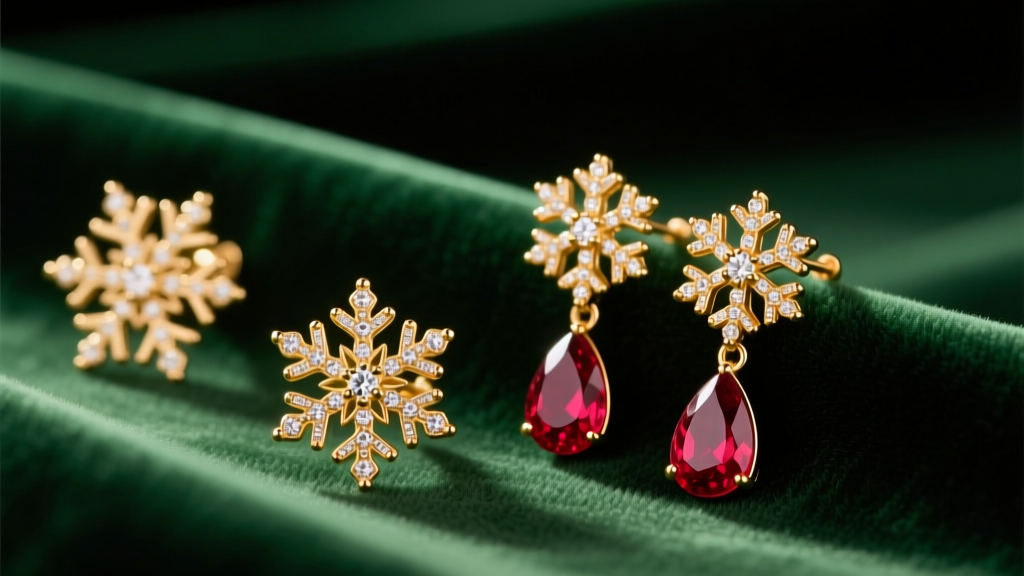
When shopping for women's Christmas earrings, buyers traditionally prioritize festive aesthetics—think snowflake motifs, ruby red drops, or emerald green studs—over material integrity. However, gifting jewelry introduces a complex set of variables. Unlike purchasing for yourself, gifting requires navigating unknown skin sensitivities, varying piercing gauges, and the harsh realities of winter wear. In 2026, informed buyers are looking past the holiday packaging to evaluate the metallurgical and gemological properties of their gifts.
Winter environments present unique challenges for fine jewelry. High indoor heating combined with freezing outdoor temperatures causes skin to fluctuate in moisture, accelerating the tarnishing of reactive metals. Furthermore, heavy winter accessories like wool beanies, cashmere scarves, and turtlenecks create high-friction environments that can bend soft prongs or snap delicate earring posts. To ensure your holiday gift survives the season and becomes a cherished heirloom, you must understand the material science behind the sparkle.
Metal Showdown: Which Base Survives Winter Wear?
The foundation of any earring dictates its longevity, hypoallergenic properties, and maintenance requirements. According to the American Academy of Dermatology, contact dermatitis from jewelry is overwhelmingly caused by nickel exposure, a common alloy in cheaper holiday jewelry. Let us break down the primary metals used in festive earrings.
Platinum 950: The Unyielding Heirloom
Platinum 950 (95% pure platinum, 5% ruthenium or iridium) is the undisputed champion of hypoallergenic luxury. It is exceptionally dense, meaning it will not wear away over time, and its natural white color never requires rhodium plating. For heavy holiday drop earrings featuring high-carat gemstones, platinum's tensile strength provides the most secure prong setting. However, its premium density translates to a higher price point, often starting at $400 for simple studs and exceeding $1,500 for intricate holiday dangles.
14k & 18k Gold: The Festive Favorites
Yellow and rose gold remain staple choices for Christmas gifts due to their warm, festive tones. 18k gold (75% pure gold) offers a richer color but is softer, making it susceptible to scratching when worn under tight winter hats. 14k gold (58.5% pure gold) is significantly more durable and affordable. Warning: If opting for white gold, be aware that it is frequently alloyed with nickel (up to 15%) to achieve its silvery hue, then plated with rhodium. Once the rhodium wears off from friction against winter scarves, the nickel is exposed, triggering severe allergic reactions in sensitive recipients.
ASTM F136 Titanium: The Safe Gifting Secret
If you are gifting earrings and are entirely unaware of the recipient's metal sensitivities, implant-grade titanium is your ultimate safety net. Governed by the ASTM F136 Standard, this specific titanium alloy (Ti-6Al-4V ELI) contains zero nickel and is biocompatible. Historically reserved for medical implants, it is now a premier choice for high-end body jewelry and cartilage-friendly holiday huggies. It is incredibly lightweight, immune to tarnish, and highly affordable, though it lacks the traditional prestige and resale value of precious metals.
Material Comparison Matrix
| Metal | Composition | Nickel Risk | Tarnish Resistance | Avg. Price (Stud Pair) |
|---|---|---|---|---|
| Platinum 950 | 95% Pt, 5% Ru/Ir | None | Excellent | $400 - $800+ |
| 18k Yellow Gold | 75% Au, 25% Ag/Cu | None | High | $250 - $500 |
| 14k White Gold | 58.5% Au, Ni/Zn/Cu | High | Moderate (Rhodium) | $150 - $350 |
| Sterling Silver | 92.5% Ag, 7.5% Cu | Low | Poor | $40 - $120 |
| ASTM F136 Titanium | Ti-6Al-4V ELI | None | Excellent | $60 - $150 |
Holiday Gemstones: Natural vs. Lab-Grown vs. Simulants
Christmas earrings heavily feature red and green gemstones. However, not all festive gems are created equal when it comes to Mohs hardness and structural integrity. The Gemological Institute of America (GIA) provides extensive data on gemstone durability, which is critical for jewelry worn during active winter holidays.
The Red Spectrum: Ruby vs. Garnet
Natural rubies (corundum) rank at a 9 on the Mohs scale, making them exceptionally resistant to scratches and ideal for daily wear. However, high-quality, untreated rubies command massive premiums. Garnet (specifically Almandine or Pyrope) is the traditional, budget-friendly holiday alternative, ranking between 6.5 and 7.5. While garnet offers a stunning, deep crimson hue, its lower hardness makes it vulnerable to surface abrasions if frequently rubbed against rough winter textiles. For a middle ground, consider lab-grown rubies, which offer identical physical properties to natural stones at a fraction of the cost.
The Green Spectrum: Emerald vs. Tsavorite
Emeralds are synonymous with luxury but are notoriously brittle. Despite ranking 7.5 to 8 on the Mohs scale, emeralds are heavily included (known as 'jardin'). A single accidental knock against a ski goggle or heavy coat hardware can cause an emerald to fracture. For a far more durable green alternative, seek out Tsavorite garnet. Tsavorite offers a vivid, electric green color, ranks similarly on the Mohs scale, but lacks the structural weaknesses and inclusions of emerald, making it vastly superior for active lifestyles.
Navigating Winter Wardrobes: Gauge and Backing Mechanics
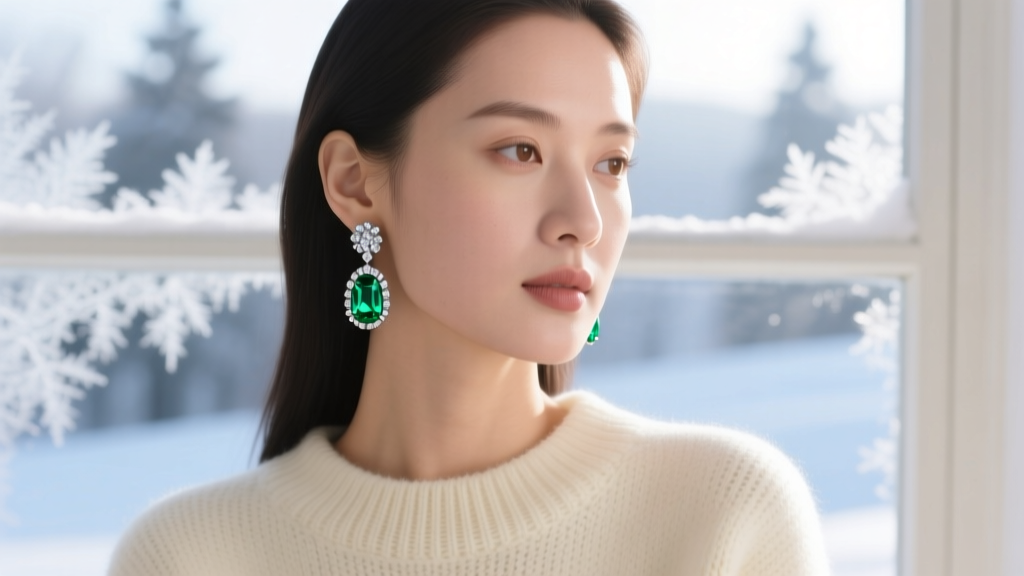
The physical mechanics of the earring are just as vital as the materials. Winter clothing is the natural enemy of traditional jewelry backings. Butterfly friction backs easily catch on wool turtlenecks and cashmere scarves, often resulting in lost earrings or torn garments.
- Standard Lobe Piercings: Typically 20-gauge (0.81mm) or 18-gauge (1.02mm). For winter gifts, opt for screw-back studs or secure lever-back dangles to prevent snagging.
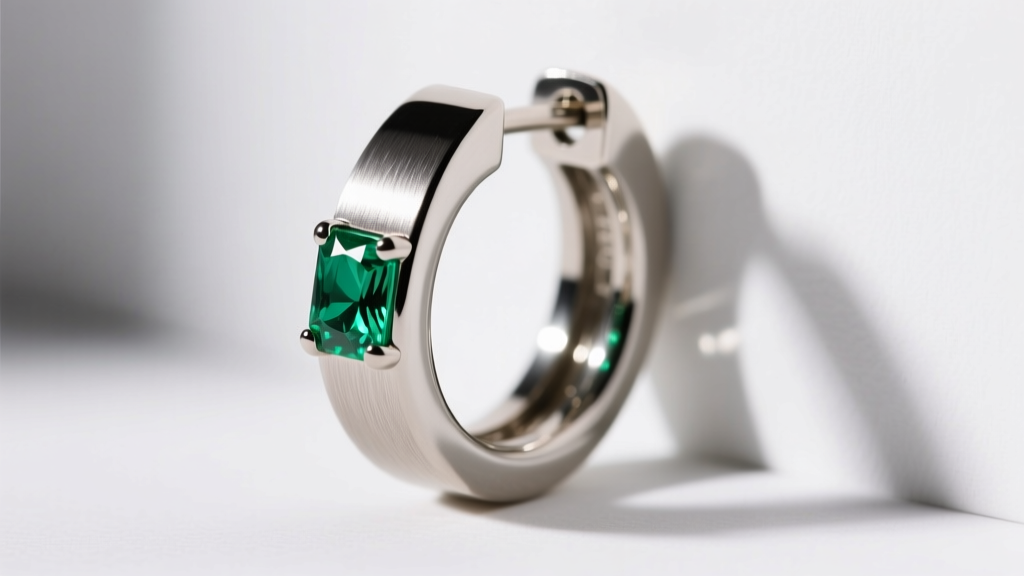
- Cartilage & Helix Piercings: Usually 16-gauge (1.29mm). Avoid large hoops that can be pulled by beanies. Instead, gift 16g flat-back labret studs or seamless clicker rings with internal hinges that sit flush against the ear.
- Ear Cuffs: While festive, non-piercing ear cuffs rely on tension. Cold weather causes cartilage to contract slightly, which can alter the fit of a cuff, increasing the risk of it slipping off and being lost in the snow.
Expert Insight: When gifting women's Christmas earrings for cartilage piercings, always verify the recipient's gauge size. Forcing a standard 18g lobe stud into a 16g cartilage piercing can cause micro-tears and severe irritation, especially when compounded by the friction of winter hats.
Expert Verdict: What to Buy Based on Recipient Profile
To maximize your gifting success this holiday season, match the material properties to the recipient's lifestyle and your budget.
1. The 'Safe Bet' for Unknown Sensitivities
If you are buying for a new partner or colleague and lack knowledge of their metal allergies, choose ASTM F136 Titanium paired with Lab-Grown Diamonds or Moissanite. This combination guarantees zero nickel exposure, offers brilliant holiday sparkle, and remains highly budget-friendly ($80–$200).
2. The 'Luxury Heirloom' for Milestone Gifts
For spouses or significant milestones, invest in Platinum 950 settings featuring Natural Rubies or Sapphires. The density of platinum protects the gemstones, and the materials will easily outlast a lifetime of winter seasons without requiring replating or extensive maintenance ($1,000+).
3. The 'Festive & Fashion-Forward' for Trend Lovers
For the recipient who loves rotating their jewelry with seasonal trends, Rhodium-Plated Sterling Silver set with Garnet or Green Tourmaline is ideal. It provides the bright white-metal look and festive colors at an accessible price point ($50–$150), though it should be stored in anti-tarnish pouches when the holidays end.


