Bolt Earrings: Metal Guide for Lightning & Hardware Styles
Discover the best metals for bolt earrings. Compare titanium, steel, silver, and gold for lightning and hardware styles based on weight and durability.

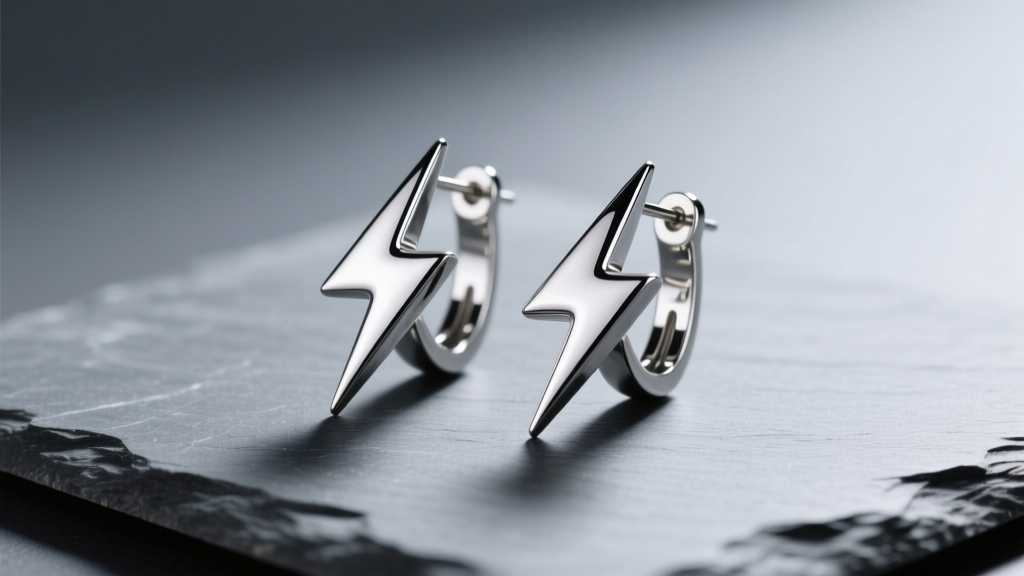
The Anatomy of Bolt Earrings: Why Material Dictates Design
Bolt earrings—encompassing both the high-voltage lightning bolt motifs favored in streetwear and the gritty, industrial nut-and-bolt hardware styles popular in alternative fashion—present unique structural challenges. Unlike simple hoops or spherical studs, bolt shapes feature sharp vertices, uneven weight distribution, and deep crevices. These geometric realities mean that the metal you choose is not merely an aesthetic preference; it is a critical factor in the earring's structural integrity, comfort, and longevity.
When a lightning bolt earring is top-heavy, it creates a "pendulum effect" that can stretch the earlobe or cause piercing migration over time. Conversely, industrial hardware bolts require metals that can withstand the friction of threaded components without stripping. In 2026, advanced metallurgy and precise manufacturing techniques have expanded the options for these edgy designs, but understanding the physical properties of each alloy remains essential for both jewelers and collectors.
Metal Showdown: Comparing the Top Alloys for Bolt Shapes
Implant-Grade Titanium (ASTM F136)
For oversized lightning bolt drops, ASTM F136 implant-grade titanium is the undisputed champion. Titanium boasts a remarkably low density (approximately 4.43 g/cm³), making it nearly half the weight of surgical steel. This allows designers to create massive, dramatic bolt silhouettes without subjecting the earlobe to excessive gravitational stress. Furthermore, titanium is highly biocompatible and entirely nickel-free, making it the safest choice for fresh piercings or sensitive skin. Because titanium can be anodized, you can achieve dark gunmetal, deep purple, or iridescent oil-slick finishes on a bolt earring without relying on surface platings that might chip on sharp edges.
316L Surgical Stainless Steel
316L steel is the workhorse of the industrial hardware earring market. Its higher density (8.0 g/cm³) gives literal nut-and-bolt earrings a satisfying, substantial heft that enthusiasts of the style often desire. However, 316L steel contains trace amounts of nickel. While the EU Nickel Directive restricts nickel release to safe levels, individuals with severe contact dermatitis may still experience irritation from the friction of a heavy steel bolt resting against the ear. For stamped lightning bolt studs, steel offers excellent rigidity, ensuring the sharp points of the bolt will not bend if snagged on clothing.
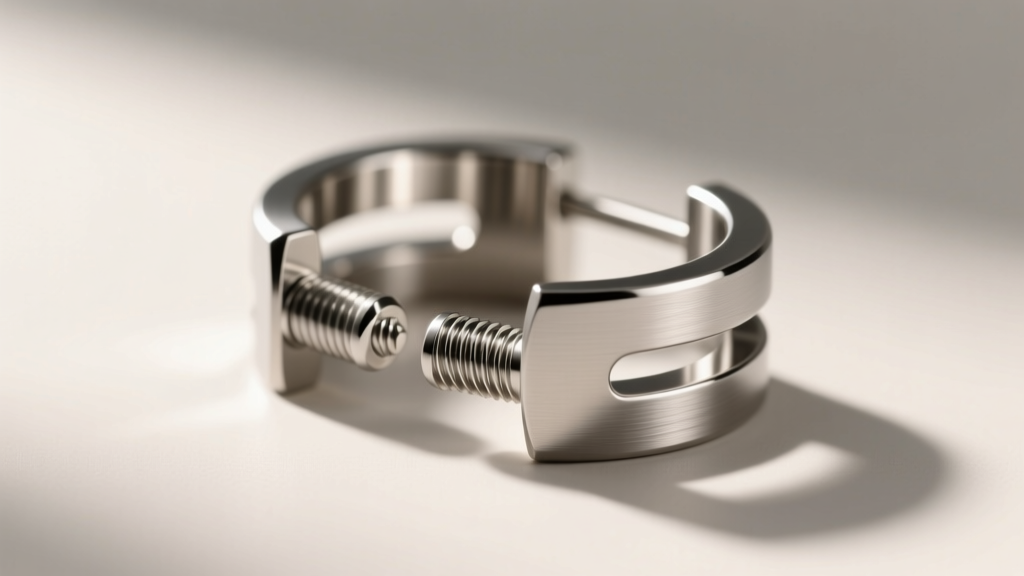
Sterling Silver (925) and the Crevices Problem
Sterling silver is a popular choice for intricate, cast lightning bolt earrings due to its brilliant luster and ease of casting. However, silver is highly susceptible to oxidation. The deep, angular crevices inherent in a lightning bolt or threaded hardware design act as "tarnish traps," accumulating sulfur compounds from the air and sebum from the skin. If you opt for silver bolt earrings, ensure they feature a thick rhodium plating. Rhodium not only provides a bright, white-metal finish but also creates an impermeable barrier that prevents tarnish from settling into the sharp inner angles of the design.
Solid 14k vs. 18k Gold
When investing in premium gold bolt earrings, the karat weight dramatically affects durability. 18k gold (75% pure gold) is softer and more prone to scratching, which can dull the razor-sharp edges of a geometric lightning bolt over time. 14k gold (58.5% pure gold) is alloyed with stronger metals like copper, silver, and zinc, resulting in a harder, more scratch-resistant surface. For bolt earrings that feature sharp points or threaded hardware components, 14k gold is structurally superior and will maintain its crisp, architectural lines far longer than its 18k counterpart.
Structural Integrity: Stamping vs. Casting
The manufacturing method used to create bolt earrings heavily influences the metal's performance. Understanding this distinction is crucial when evaluating high-end jewelry.
- Die-Striking / Stamping: Flat lightning bolt earrings are often stamped from sheet metal under immense pressure. This compresses the metal's grain structure, making the thin, sharp points of the bolt incredibly strong and resistant to snapping. Stamped titanium or steel bolts are virtually indestructible under normal wear.
- Lost-Wax Casting: 3D hardware bolts or beveled lightning motifs are usually cast. While casting allows for complex, multi-dimensional designs, it can introduce micro-porosity (tiny air bubbles) within the metal. If a cast earring has porosity near the post junction, the structural integrity is compromised. Always buy cast bolt earrings from reputable jewelers who use vacuum-assisted casting to ensure a dense, solid metal structure.
Material Comparison Matrix
| Metal Alloy | Density (g/cm³) | Tarnish Risk | Allergy Profile | Best Bolt Style |
|---|---|---|---|---|
| ASTM F136 Titanium | 4.43 | None | Hypoallergenic | Oversized lightning drops |
| 316L Surgical Steel | 8.00 | Low | Trace Nickel | Industrial nut & bolt cuffs |
| Sterling Silver (925) | 10.36 | High (in crevices) | Copper allergy risk | Intricate cast lightning studs |
| Solid 14k Gold | 12.90 | None | Varies by alloy | Premium geometric hardware |
For a comprehensive breakdown of safe body jewelry materials and nickel-release standards, refer to the guidelines published by the Association of Professional Piercers (APP).
Gauges, Posts, and Backings: The Hidden Hardware
The structural demands of bolt earrings extend beyond the visible motif; the post and backing must be engineered to support the specific weight and shape of the bolt. A standard 20-gauge (0.8mm) post is entirely insufficient for a heavy hardware bolt or a long lightning drop. The lateral stress will easily bend a 20g wire, leading to a warped post that is difficult to insert and remove.
For any bolt earring weighing more than 4 grams, an 18-gauge (1.0mm) or 16-gauge (1.2mm) post is mandatory. Furthermore, traditional butterfly friction backs are a liability for top-heavy bolt drops. The pendulum motion of a lightning bolt will gradually work a butterfly back loose, leading to lost jewelry. Instead, utilize silicone O-rings or flat disc screw-backs. A flat disc backing also distributes the weight of the bolt across a wider area of the earlobe, preventing the "cheese-cutter effect" where a thin wire slowly slices through the piercing tissue.
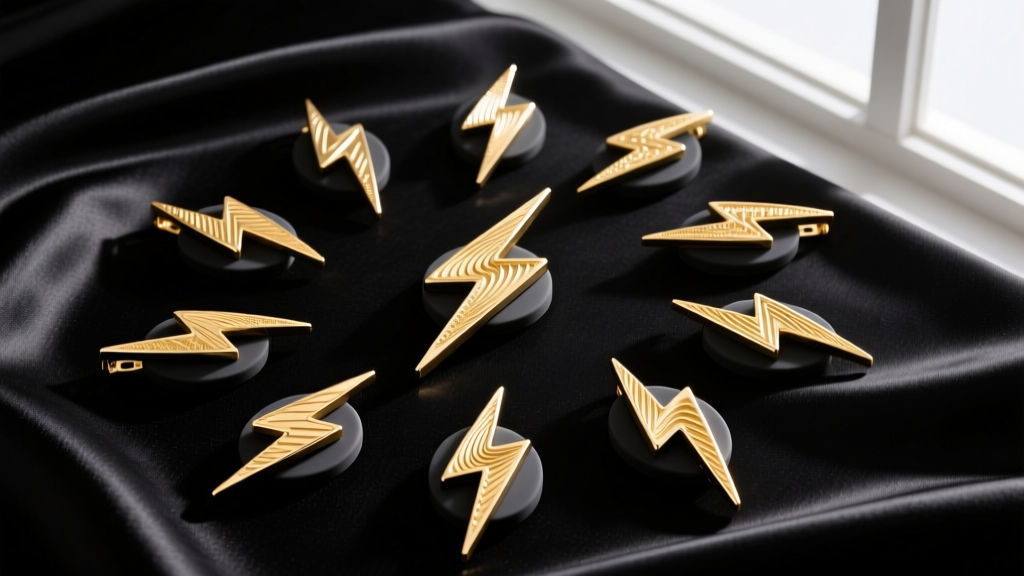
Care and Maintenance by Metal Type
The sharp angles and threaded components of bolt earrings require specialized cleaning routines to maintain their material properties and visual appeal.
- For Cast Hardware Bolts (Steel/Gold): The threads of a nut-and-bolt earring easily trap dead skin cells, sebum, and soap residue. Use an ultrasonic jewelry cleaner with a mild, ammonia-free solution for 3 minutes to vibrate debris out of the microscopic thread grooves. Avoid harsh brushing, which can scratch polished steel.
- For Stamped Lightning Bolts (Titanium/Silver): Because stamped metal has a dense, non-porous surface, a simple microfiber polishing cloth is sufficient for titanium. For rhodium-plated silver, use a treated silver cloth only on the high points of the bolt; rubbing too aggressively on the edges can wear through the rhodium plating, exposing the tarnish-prone silver beneath.
- Anodized Titanium: Never use chemical dips or ultrasonic cleaners on anodized titanium bolt earrings. The anodized layer is a microscopic oxide film; harsh chemicals can strip the color, leaving the bolt a dull, matte grey. Clean only with warm water and mild, fragrance-free castile soap.
Final Verdict: Which Metal Should You Choose?
Selecting the ideal metal for your bolt earrings requires balancing your aesthetic desires with the physical realities of the piercing. If you are drawn to massive, dramatic lightning bolt drops that command attention, implant-grade titanium is the only logical choice to protect your earlobes from stretching while offering unparalleled hypoallergenic safety. If you prefer the authentic, heavy-duty aesthetic of industrial nut-and-bolt hardware, 316L surgical steel provides the necessary weight and rigidity, provided you do not have a severe nickel sensitivity. For luxury collectors seeking intricate, cast geometric designs, 14k gold offers the perfect synthesis of prestige, tarnish resistance, and structural hardness to keep those sharp bolt edges looking razor-crisp for decades.
Ultimately, understanding the metallurgy behind your jewelry transforms you from a passive consumer into an informed collector. For further reading on gold alloy properties and manufacturing techniques, the Gemological Institute of America (GIA) offers excellent foundational resources on precious metal behaviors in fine jewelry design.


