Beetlejuice Earrings Buying Guide: Styles, Metals & Sizing Tips
Discover how to shop for high-quality Beetlejuice earrings. Learn about safe metals, gauge sizes, enamel types, and styling gothic motifs.

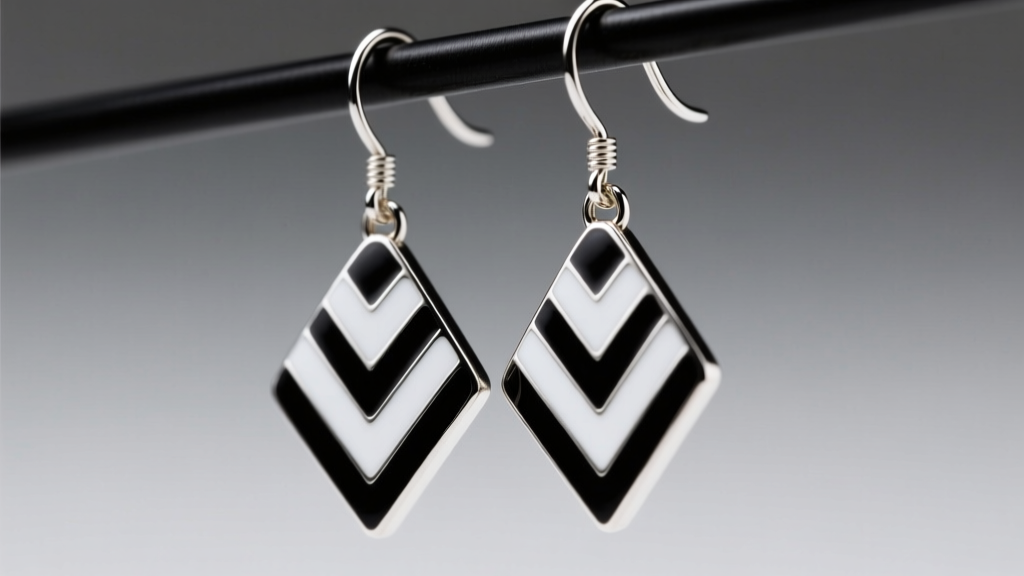
The Gothic Revival: Why Quality Matters in Novelty Jewelry
From the iconic black-and-white striped suit of the 1988 film to the neon-drenched aesthetic of the Broadway musical, Tim Burton’s universe has permanently infiltrated jewelry design. As we navigate the fashion landscape of 2026, beetlejuice earrings remain a staple for gothic, quirky, and alternative wardrobes. However, the market is flooded with cheap, mass-produced novelty pieces that prioritize screen-accurate aesthetics over dermatological safety.
The primary failure mode of novelty jewelry is the use of unmarked zinc alloys or "Tibetan silver," which frequently contain high levels of nickel and cadmium. According to the American Academy of Dermatology, nickel allergy is one of the most common causes of allergic contact dermatitis, leading to weeping, crusting, and permanent lobe sensitivity. This buying guide will teach you how to source Beetlejuice-inspired earrings that are safe, durable, and structurally sound for long-term wear.
Decoding Materials: Avoiding the "Novelty Jewelry" Rash
When shopping for character-inspired or horror-themed jewelry, the metal composition is your first line of defense. The term "hypoallergenic" is largely unregulated in the jewelry industry. Instead, look for these specific material grades in the product descriptions:
- ASTM F136 Implant-Grade Titanium: The gold standard for sensitive ears and fresh piercings. It is completely nickel-free and highly resistant to corrosion. Ideal for the posts of stud earrings or the wire of dangles.
- 316L Surgical Steel: A step down from titanium but generally safe for healed lobes. It contains trace amounts of nickel, but the alloy structure usually prevents leaching. Not recommended for cartilage or unhealed piercings.
- Solid 925 Sterling Silver with Rhodium Plating: Sterling silver is a great base, but it tarnishes. A rhodium flash not only prevents oxidation but also acts as a barrier against skin contact with copper alloys mixed into the silver.
Expert Tip: Always verify the material of the post or wire, not just the decorative front. Many acrylic Beetlejuice sandworm or shrunken-head studs use cheap brass posts glued to the back, which will trigger a reaction within hours.
For authoritative guidelines on safe body jewelry materials, the Association of Professional Piercers (APP) maintains an exhaustive list of approved alloys for both initial and healed piercings.
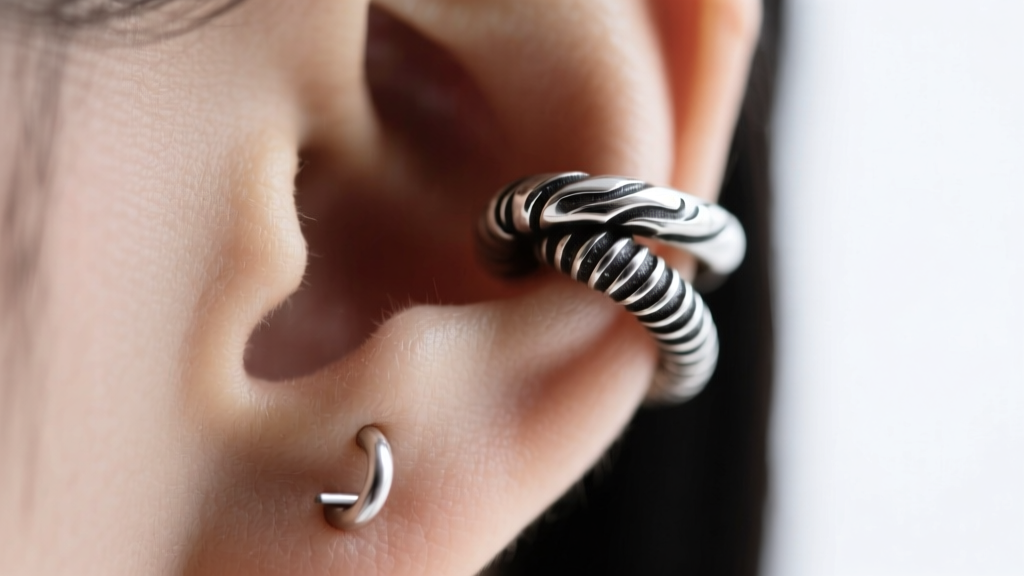
Popular Beetlejuice Earring Styles & Structural Mechanics
The Beetlejuice universe offers distinct visual motifs, each presenting unique structural challenges for jewelry makers. Here is what to look for in the most popular styles.
1. Black & White Striped Hoops and Huggies
The striped pattern is usually achieved through enamel application. You must determine whether the piece uses cold enamel (an epoxy resin) or vitreous enamel (fired glass powder). Cold enamel is cheaper, applied by hand or syringe, and prone to chipping if dropped. Vitreous enamel is fused to the metal at high temperatures, creating a scratch-resistant, glass-like finish. When buying striped hoops, inspect the seam where the enamel meets the metal; it should be flush, with no bleeding of the black pigment into the white channels.
2. Sandworm & Skull Dangles
Large, articulated dangle earrings (like a segmented sandworm or a dangling skeleton) suffer from weight distribution issues. If an earring exceeds 15 grams, it will stretch the earlobe over time. Look for dangles that utilize a leverback clasp rather than a standard fishhook. Leverbacks distribute the weight slightly better and prevent the earring from falling out when your hair catches on the articulated joints. For heavy pieces, pair them with silicone earring support patches worn behind the lobe to distribute the tension.
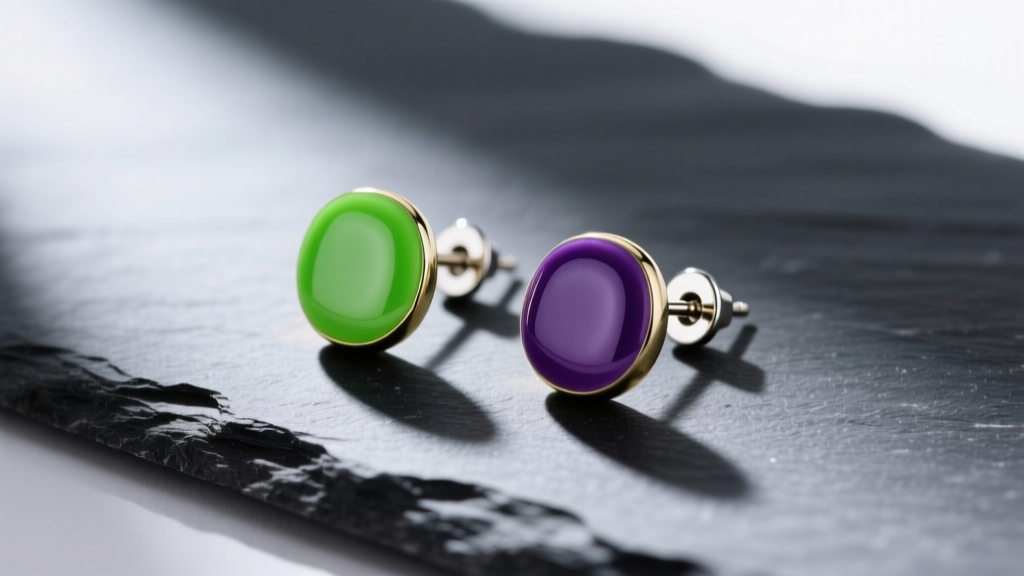
3. Neon Green & Purple Musical Motifs
The Broadway adaptation introduced vibrant neon greens and purples. These colors are often achieved using anodized titanium or painted acrylic. If opting for acrylic, ensure the edges are laser-cut and polished, not stamped. Stamped acrylic has micro-fractures along the edges that will eventually snap under the pressure of being inserted into an ear piercing.
The Piercing Placement Matrix
Not every Beetlejuice earring is suited for every part of the ear. Use this matrix to match your desired style with the correct piercing gauge and placement.
| Earring Style | Ideal Placement | Recommended Gauge | Clasp / Backing Type |
|---|---|---|---|
| Striped Huggies | Standard Lobe / Helix | 18G (1.0mm) or 16G (1.2mm) | Clicker Hinge |
| Sandworm Dangles | Standard Lobe | 20G (0.8mm) or 18G (1.0mm) | Leverback or Silicone Disc |
| Skull Ear Cuffs | Mid-Helix / Snug | N/A (Non-pierced) | Tension-adjustable C-band |
| Shrunken Head Studs | Tragus / Lobe | 18G (1.0mm) | Flat-back Labret Threadless |
Pricing Tiers: What You Should Actually Pay
Understanding the pricing structure of novelty jewelry helps you avoid overpaying for cheap dropshipped items or underestimating the cost of artisan craftsmanship.
- The Fast-Fashion Tier ($5 - $18): Typically made from zinc alloy with painted details. High risk of nickel exposure and rapid tarnishing. The enamel is usually soft and chips easily. Avoid these if you have sensitive skin.
- The Artisan / Mid-Tier ($25 - $65): The sweet spot for quality Beetlejuice earrings. These are usually crafted by independent jewelers using 925 sterling silver or 316L steel bases, featuring high-quality cold enamel or UV-cured resin. Posts are often laser-welded titanium.
- The Fine Novelty Tier ($80 - $150+): Created by specialized gothic jewelry houses. These feature cast-in-place vitreous enamel, solid gold or platinum bases, and occasionally incorporate black diamonds or ethically sourced onyx for the eyes of skull motifs.
Care & Maintenance for Gothic Enamel & Resin
Proper maintenance ensures your striped hoops and sandworm dangles survive the years. Never use ultrasonic jewelry cleaners on enameled or resin Beetlejuice earrings. The high-frequency vibrations will shatter cold enamel and detach glued acrylic components from their metal settings. Furthermore, harsh chemical dips (like silver polish) will strip the oxidized black detailing that gives gothic jewelry its depth and contrast.
Instead, clean your pieces using a few drops of mild, fragrance-free dish soap and warm water. Use a baby toothbrush with ultra-soft bristles to gently agitate dirt from the crevices of a skull or the stripes of a hoop. Dry immediately with a microfiber cloth to prevent water spots on the metal bases. Store them in a dark, airtight container with anti-tarnish strips to preserve the stark contrast of the black-and-white motifs.
Final Verdict
Embracing the chaotic, macabre charm of Beetlejuice through your jewelry collection is entirely possible without sacrificing the health of your piercings. By prioritizing ASTM F136 titanium posts, demanding vitreous enamel over cheap resins, and respecting the weight limits of your earlobes, you can curate a collection that is as enduring as the ghost with the most himself.


