Sticker Earrings for Kids: 2026 Trends and Safety Guide
Discover the 2026 trends in sticker earrings for kids. Learn about medical-grade adhesives, weight limits, and safe application for sensitive skin.


The landscape of children's jewelry has undergone a massive transformation. In 2026, sticker earrings for kids have evolved from cheap novelty toys into sophisticated, dermatologist-approved accessories. As parents increasingly prioritize bodily autonomy and delay traditional ear piercing, the demand for high-quality, non-pierced alternatives has skyrocketed. However, not all stick-on jewelry is created equal. The market is currently flooded with both medical-grade innovations and hazardous drop-shipped imitations. This comprehensive guide breaks down the material science, safety protocols, and aesthetic trends defining sticker earrings for kids this year.
The 2026 Shift: Why Sticker Earrings Are Dominating Playgrounds
Historically, non-pierced earrings were relegated to clip-ons that caused lobe fatigue or magnetic studs that posed severe swallowing hazards. Today, advanced adhesive technology has completely rewritten the rules. According to pediatric care guidelines highlighted by HealthyChildren.org, delaying piercings until a child can independently manage aftercare is highly recommended to prevent infection. Sticker earrings bridge this gap perfectly, offering the aesthetic appeal of fine jewelry without the commitment, pain, or infection risks associated with needle or gun piercings.
Furthermore, the 2026 market has seen a surge in 'modular' sticker earrings. These systems use a single, hypoallergenic adhesive base pad that lasts for 24 to 48 hours, allowing kids to snap different lightweight charms into place throughout the day. This modularity not only reduces skin irritation from constant adhesive removal but also encourages creative expression.
Material Science: Decoding the Adhesive and Charm Components
The most critical component of any sticker earring is the adhesive interface. In 2026, reputable brands utilize medical-grade, hypoallergenic acrylic adhesives (often derived from 3M Medipore or similar surgical tapes). These adhesives are specifically formulated to allow the epidermis to breathe, minimizing the risk of maceration (skin breakdown due to trapped moisture).
Conversely, cheap alternatives often use cyanoacrylate derivatives (similar to craft or lash glues) or colophony-based adhesives. The American Contact Dermatitis Society frequently flags colophony and low-grade acrylates as primary culprits for allergic contact dermatitis (ACD) in pediatric patients. Always verify that the packaging explicitly states 'colophony-free' and 'medical-grade acrylic'.
The 2.5-Gram Weight Limit Rule
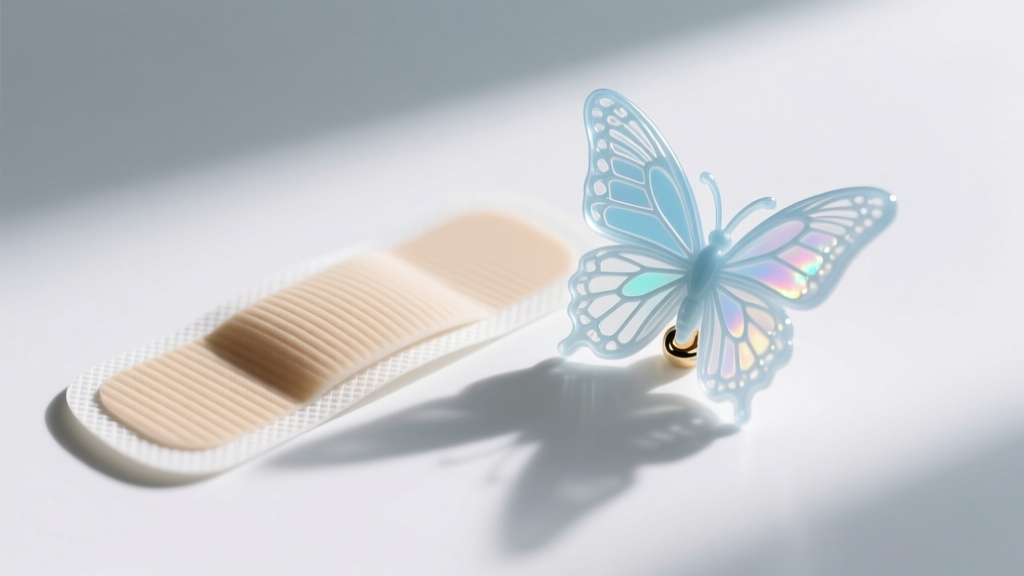
Adhesive strength is only half the equation; the weight of the charm is the other. The pediatric earlobe has a delicate epidermal layer. If a charm exceeds 2.5 to 3 grams, the sheer downward force will cause the adhesive to pull on the skin, leading to micro-tears, redness, and eventual detachment. Top-tier manufacturers in 2026 utilize 3D-printed bio-resins, hollow-cast surgical steel, and ultra-thin titanium to keep charm weights between 0.8 and 2.2 grams.
Sticker vs. Magnetic vs. Clip-On: A Parent's Decision Matrix
Choosing the right non-pierced option requires understanding the biomechanics of each style. Below is a comparative analysis of the three primary non-pierced earring categories available for children.
| Feature | Sticker Earrings (Adhesive) | Magnetic Studs | Traditional Clip-Ons |
|---|---|---|---|
| Comfort Level | High (Feels like nothing) | Low to Medium (Pinching sensation) | Low (Pressure fatigue after 2 hrs) |
| Safety Risk | Mild (Contact dermatitis) | Severe (Choking/Magnet ingestion) | Moderate (Skin pinching/bruising) |
| Weight Capacity | Max 2.5 grams | Max 4.0 grams | Max 8.0 grams |
| Best For | Daily wear, sensitive skin, sleeping | Older kids, brief photo sessions | Heavy vintage styles, older teens |
As the matrix illustrates, sticker earrings are the undisputed champions for daily wear and younger children, primarily due to the elimination of pressure necrosis (tissue death from pinching) and the severe gastrointestinal risks associated with high-powered neodymium magnets.
Application and Removal: Preventing Contact Dermatitis
Even with medical-grade adhesives, improper application and aggressive removal are the leading causes of skin irritation. To maintain the integrity of the child's skin barrier, follow this clinical-grade protocol:
- Preparation: Cleanse the earlobe with a 70% isopropyl alcohol wipe to remove sebum and dead skin cells. Allow it to air dry completely. Moisture trapped under the pad will breed bacteria.
- Application: Peel the adhesive backing using tweezers to avoid transferring oils from your fingertips to the glue. Press the pad firmly against the lobe for 15 seconds to activate the pressure-sensitive adhesive.
- Removal (Crucial): Never pull the earring off dry. Apply a lipid-based solvent—such as organic jojoba oil, squalane, or a dedicated medical adhesive remover—to a cotton swab. Gently roll the swab over the edge of the pad, allowing the oil to break down the acrylate bonds.
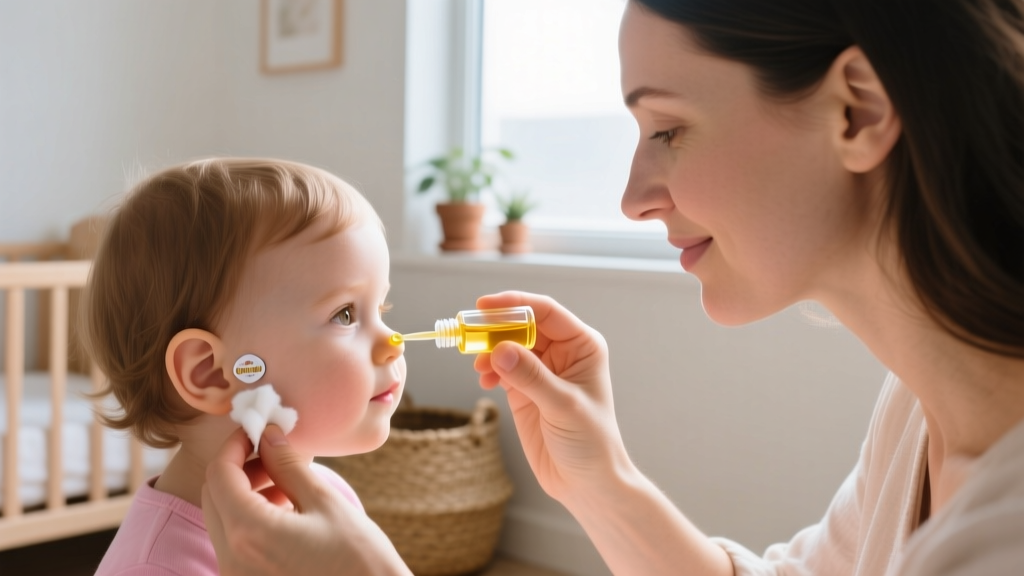
Expert Tip: Always perform a 24-hour patch test on the child's inner forearm before applying any new brand of sticker earring to the earlobe. If erythema (redness) or pruritus (itching) occurs, discontinue use immediately, as this indicates an acrylate sensitivity.
Top 2026 Aesthetic Trends in Kids' Stick-On Ear Jewelry
From a style perspective, 2026 is all about interactive and personalized aesthetics. The 'mini-me' trend, where parents and children wear matching minimalist geometric studs, has translated beautifully into the sticker earring space. Additionally, we are seeing a massive rise in thermochromic charms. These lightweight resin pieces change color in response to body heat or outdoor temperatures, providing a magical, interactive element that kids adore.
Another dominant trend is the 'constellation mapping' sets. These kits include multiple tiny, sub-1-gram star and moon stickers designed to be placed not just on the lobe, but safely along the outer helix cartilage, mimicking the look of a curated, multi-pierced ear without a single needle.
Expert Sourcing: Where to Buy Safe, High-Quality Options
When sourcing sticker earrings for kids, price is a reliable indicator of material safety. Expect to pay between $14 and $28 for a reputable starter kit (which typically includes 30 medical-grade adhesive pads and 3 to 5 interchangeable charms). Brands that sell packs of 50 pre-glued earrings for under $8 are almost universally using industrial craft glues that pose a high risk of epidermal stripping.
Look for brands that publish their adhesive safety data sheets (SDS) on their websites and explicitly state their charms are cast in lead-free, nickel-free alloys or bio-resins. By prioritizing material transparency and strict weight limits, parents can safely embrace the 2026 sticker earring revolution, giving kids the joy of accessorizing with zero compromise on dermatological health.


