Guy Wearing Earring on Right Ear Meaning: Modern Men's Buying Guide
Discover the truth behind the guy wearing earring on right ear meaning, plus an expert buying guide on gauges, metals, and men's styles.

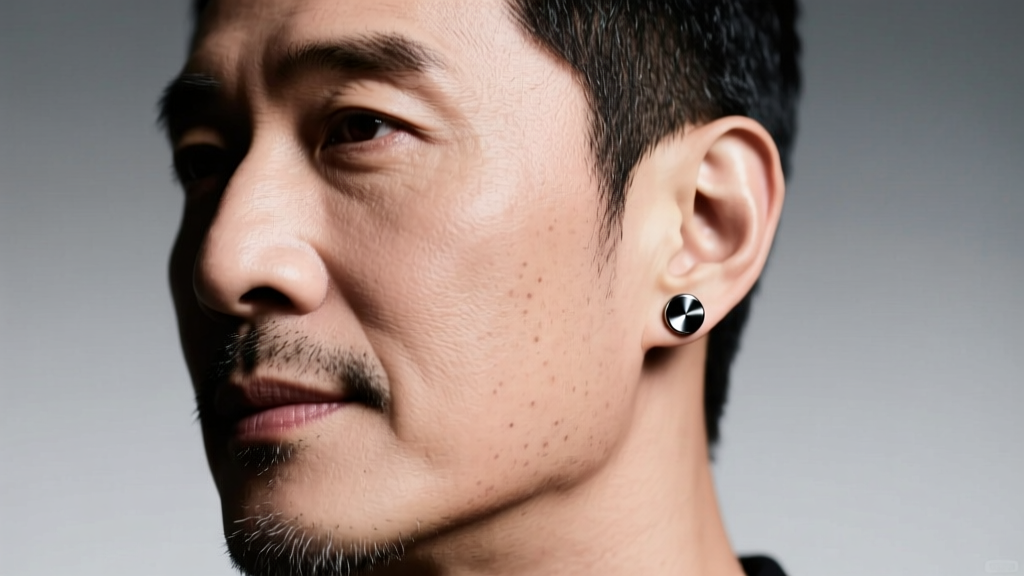
The 'Guy Wearing Earring on Right Ear Meaning' Myth vs. Reality
If you have found yourself searching for the 'guy wearing earring on right ear meaning,' you are likely stumbling upon a cultural relic from the late 20th century. For decades, a pervasive urban legend dictated that a man piercing his right ear was a covert signal of his sexual orientation, while the left ear was reserved for heterosexual men. This binary coding was a product of the 1970s and 1980s hanky-code era, a time when marginalized communities utilized subtle sartorial cues for safe identification.
However, as we navigate the fashion landscape of 2026, this outdated trope has been entirely dismantled. As noted by The New York Times in their extensive coverage of men's jewelry breaking gender norms, the modern era of male adornment is defined by radical self-expression, not restrictive coding. Today, icons spanning from A$AP Rocky to K-pop superstars wear asymmetrical earrings, double-lobes, and cartilage curations on both sides without a second thought to historical stigmas. The true meaning behind a man wearing an earring on his right ear today is simply this: he appreciates symmetry, asymmetry, or the way a specific piece of jewelry catches the light on his dominant side.
The side of the ear you choose to pierce in the modern era is a matter of anatomical preference, sleeping habits, and aesthetic balance—not a statement of identity.
With the myth thoroughly debunked, the focus for the modern male consumer must shift from 'which side' to 'what quality.' Buying men's earrings requires a deep understanding of metallurgy, gauge sizing, and ergonomic backings. Below is your definitive, expert-level buying guide for curating a masculine ear aesthetic.
The Anatomy of a Men's Earring: What to Look For
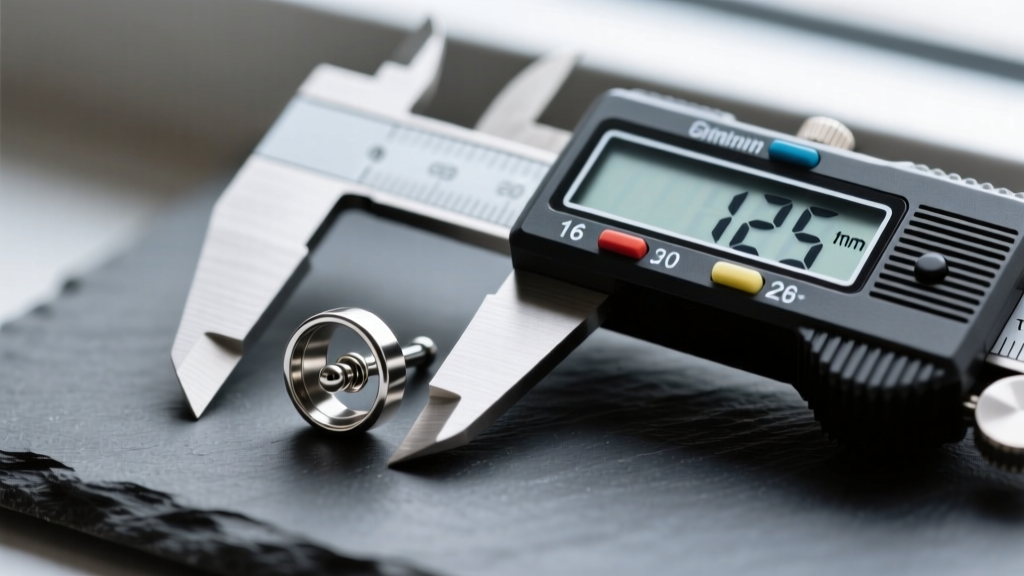
Gauge Sizing and the 'Cheese-Cutter' Effect
The most common mistake men make when buying their first earring is ignoring the gauge (the thickness of the post). Standard mall-kiosk piercings are often done at 20G (0.8mm) or 18G (1.0mm). While fine for lightweight decorative studs, these thin gauges are problematic for men who plan to wear heavier hoops or sleep in their jewelry.
- 18G (1.0mm): Acceptable for lightweight, healed lobe piercings. Prone to bending if snagged on clothing.
- 16G (1.2mm): The gold standard for men's lobe jewelry. Thick enough to prevent the 'cheese-cutter effect' (where a thin wire slowly migrates through the earlobe tissue due to weight), yet widely available in masculine styles.
- 14G (1.6mm): Ideal for stretched lobes or heavy, statement-making seamless rings.
When shopping, always verify the gauge of the post. If you are transitioning from standard 18G jewelry to a more robust 16G piece, a professional piercer can easily and safely taper the hole to accommodate the thicker, more stable post.
Backing Mechanics: Ditch the Butterfly
Traditional 'butterfly' or 'friction' backs are the enemy of a well-curated ear. They trap dead skin cells and sebum (commonly known as 'ear cheese'), cause allergic reactions due to nickel soldering, and poke the neck during sleep. For a masculine, low-profile aesthetic, you must look for flat-back labrets. Specifically, seek out threadless push-pin mechanisms. Threadless jewelry relies on a slightly bent pin that creates tension against the inside of the hollow shaft, ensuring the earring never falls out in the shower or at the gym, while the flat disc sits flush and comfortably against the back of the earlobe.
Material Science: What Actually Heals and Lasts
Men's skin can be highly reactive to the alloys found in cheap fashion jewelry. According to the Association of Professional Piercers (APP), only specific, highly polished, implant-grade materials should be worn in the body. Below is a breakdown of what to look for—and what to avoid—when investing in men's earrings.
| Material | Standard / Grade | Nickel Content | Avg. Price (Single) | Best Application |
|---|---|---|---|---|
| Implant-Grade Titanium | ASTM F136 | 0% | $35 - $85 | Fresh piercings, sensitive skin, daily wear |
| Solid Gold | 14k or 18k (Nickel-free alloy) | 0% | $150 - $500+ | Healed lobes, luxury curation |
| Niobium | N/A (Elemental metal) | 0% | $25 - $60 | Hypoallergenic alternative, anodized colors |
| 'Surgical' Steel | ASTM F138 | 8% - 12% | $10 - $30 | AVOID (High allergy and irritation risk) |
| PVD Titanium | ASTM F136 base | 0% | $45 - $95 | Matte black or gunmetal masculine finishes |
Expert Tip: If you want a dark, gunmetal, or matte black earring, do not buy black-plated silver or steel. Look for PVD (Physical Vapor Deposition) coated implant-grade titanium. PVD is a vacuum process that bonds the color to the titanium at a molecular level, meaning it will never flake, tarnish, or turn your skin green.
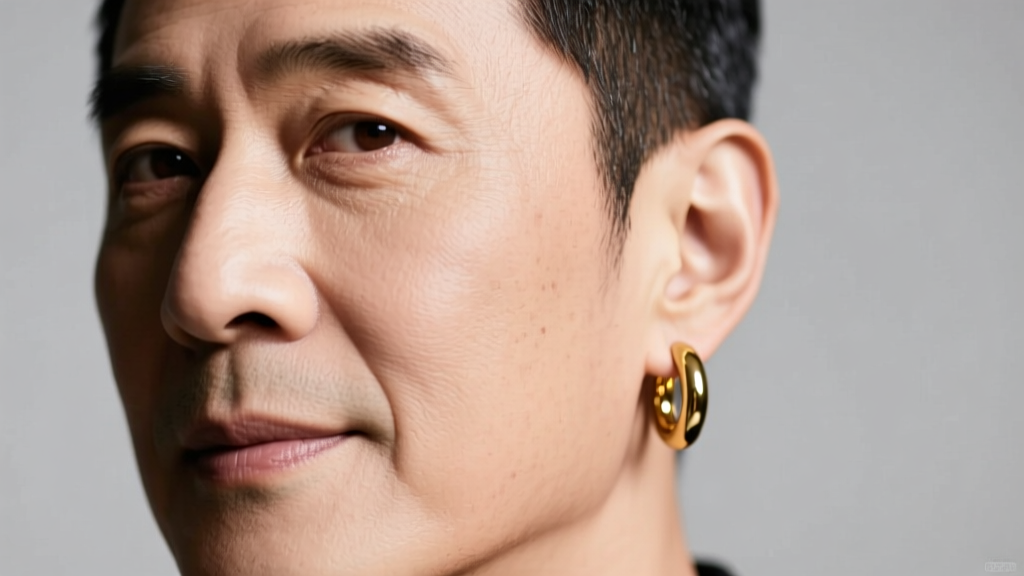
Best Earring Styles for Single-Ear Wearers
Wearing a single earring on the right (or left) ear creates an intentional, asymmetrical focal point. To balance this, the jewelry must possess enough visual weight to stand alone without looking like an afterthought. Here are the top styles for men's single-ear curation, as frequently highlighted by GQ Magazine in their men's accessory roundups.
1. The Seamless Clicker Hoop (Huggie)
For men who want a classic, rugged look, a seamless clicker hoop is unbeatable. Unlike traditional captive bead rings (CBRs) that require pliers to open and close, clickers feature a hidden hinge and a satisfying 'click' closure. Sizing note: For a standard men's lobe, a 10mm or 12mm inner diameter provides a snug, masculine 'huggie' fit. A 14mm or 16mm will drop slightly, offering a more relaxed, grunge-inspired aesthetic.
2. The Threadless Bezel-Set Stud
If your style leans minimalist or professional, a flat-back threadless stud with a bezel-set stone is ideal. Avoid prong settings, which snag on hoodies and towels. A 3mm to 5mm bezel-set black diamond, dark onyx, or simple matte titanium ball offers a subtle glint without overwhelming the face.
3. The Shield or Cuff (No-Pierce Option)
For men testing the waters of asymmetrical jewelry without committing to a needle, ear cuffs designed for the upper helix or mid-ear are an excellent alternative. Look for cuffs with adjustable tension bands rather than cheap clip-on springs, which cause cartilage fatigue and pain after a few hours.
Styling Asymmetry: Balancing the Face
When rocking a single earring on the right ear, you are intentionally creating visual asymmetry. To master this look, consider your hairstyle and facial hair. If your hair is parted heavily to the right, a right-ear earring will draw the eye directly to the side of your face, framing your jawline. Conversely, if your right ear is covered by longer hair, the earring will be hidden, negating the aesthetic impact. Many men choose to pierce the ear that is most frequently exposed by their natural hair part or fade.
Additionally, consider the metal tone in relation to your skin's undertones and your everyday accessories. If you wear a steel dive watch and a silver wedding band, a PVD black or white gold titanium earring will create a cohesive, intentional look. Mixing metals is acceptable, but doing so with intentionality is the hallmark of true style.
Final Verdict: Wear What You Want
The 'guy wearing earring on right ear meaning' is a ghost of the past. In the modern era, men's jewelry is about craftsmanship, material integrity, and personal confidence. By prioritizing 16G implant-grade titanium, utilizing threadless flat-back mechanics, and choosing styles that complement your unique facial structure, you elevate a simple piercing into a masterclass of modern grooming and style. Choose the side that feels right to you, invest in quality metals, and wear it with absolute certainty.


