Bose Earring Headphones: Troubleshooting Fit, Loss & Audio Issues
Solve common problems with Bose earring headphones. Learn how to fix slipping ear cuffs, optimize open-ear audio, and pair them with fine jewelry.

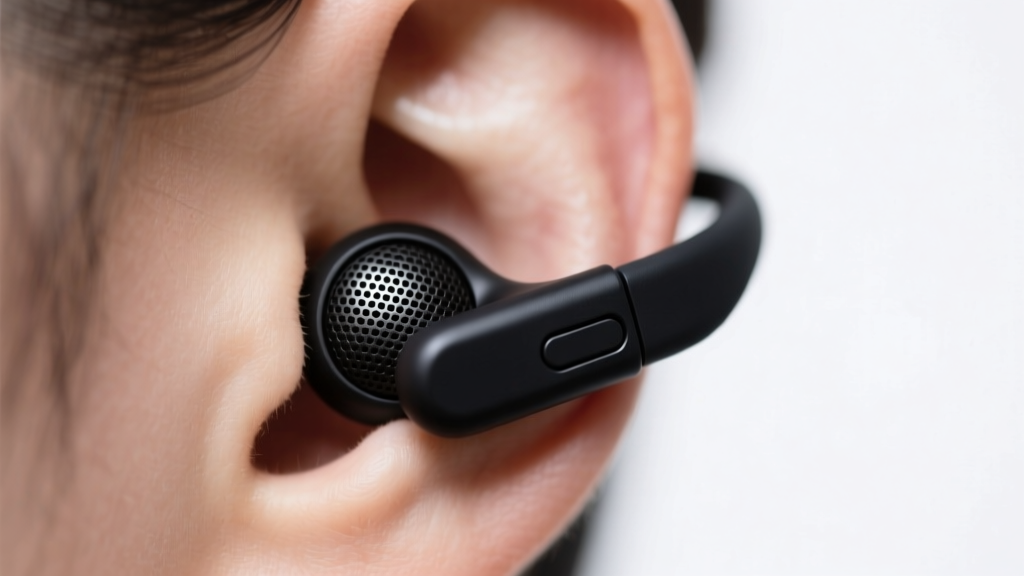
As we navigate the wearable tech landscape in 2026, the line between fine jewelry and consumer electronics has completely blurred. When consumers search for 'bose earring headphones,' they are almost exclusively referring to the Bose Ultra Open Earbuds, which utilize a revolutionary ear-cuff design rather than a traditional in-ear silicone tip. While this open-ear acoustic chamber is a marvel for spatial audio and situational awareness, treating a piece of technology like a piece of jewelry introduces a unique set of physical and acoustic challenges. Whether you are dealing with the cuff slipping off during a commute, experiencing severe bass loss, or trying to figure out how to pair the device with your existing 14-gauge gold hoops, this comprehensive troubleshooting guide will solve your most pressing fit, audio, and styling issues.
The Anatomy of the Clip: Why Your Audio Cuff Keeps Slipping
The most frequent complaint regarding Bose earring headphones is the clamping force of the flexible silicone band. Unlike traditional earrings that rely on a friction back or a continuous hoop, this device uses an internal memory wire encased in medical-grade silicone to grip the earlobe. The factory calibration is optimized for an average earlobe thickness of 6mm to 8mm. If your lobes fall outside this narrow window, you will experience either painful pressure necrosis or constant slippage.
Solutions for Thin Earlobes (Under 5mm)
If your earlobes are particularly thin or petite, the memory wire simply cannot generate enough tension to hold the 7-gram device secure, especially when you are walking or chewing. The Fix: Do not attempt to bend the internal wire, as this will snap the delicate flex-printed circuit board inside. Instead, purchase a roll of 0.5mm 3M silicone grip tape (commonly used for shoe insoles). Cut a 4mm x 10mm strip and apply it to the inner curve of the rear acoustic housing. This adds just enough friction and bulk to bridge the gap without compromising the skin-safe nature of the device.
Solutions for Thick Earlobes (Over 9mm)
For thicker lobes, the clamping force can restrict blood flow, leading to a throbbing sensation after 45 minutes of wear. The Fix: You can gently expand the resting diameter of the silicone band. Submerge the earbuds (ensure they are powered off and dry) in a bowl of warm water (around 105°F / 40°C) for three minutes. Once the silicone is pliable, gently stretch the band over a wooden dowel or a thick marker pen that is slightly wider than your earlobe. Let it cool and set for 10 minutes. This permanently alters the resting tension of the memory wire.
The Lobe Thickness Matrix: Fit & Audio Correlation
Understanding how your specific anatomy interacts with the open-ear dipole speakers is crucial. The following table breaks down common lobe profiles and the exact troubleshooting steps required to maintain both physical security and acoustic integrity.
| Lobe Profile | Thickness (mm) | Primary Issue | Hardware Solution | Audio Impact |
|---|---|---|---|---|
| Petite / Thin | 3mm - 5mm | Slippage during movement | Apply 0.5mm silicone grip tape to inner housing | High-frequency leakage due to poor tragus seal |
| Average | 6mm - 8mm | None (Factory optimized) | Standard wear | Optimal phase alignment and bass response |
| Thick / Plump | 9mm - 12mm | Clamping pain, restricted blood flow | Warm water stretch over a 12mm dowel | Slight bass reduction; speaker pushed too far forward |
| Stretched (00g+) | 10mm+ (with hole) | Cuff bridges the piercing hole, causing whistling | Rotate cuff 15 degrees posterior to avoid the fistula | Severe acoustic feedback and wind noise |
Troubleshooting Audio Leakage and Bass Loss
Open-ear audio relies heavily on phase cancellation to prevent sound from leaking outward while directing it inward. If your Bose earring headphones sound thin, tinny, or are leaking sound to the person sitting next to you on the train, the physical alignment of the cuff is incorrect.
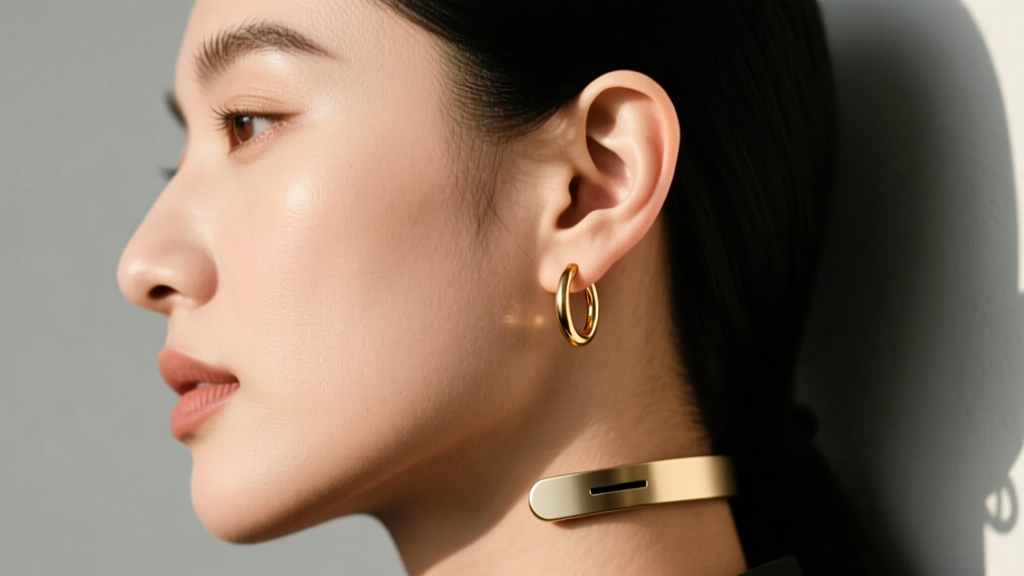
The front speaker must sit precisely 2mm to 4mm anterior to the tragus. If the cuff is rotated too far back on the earlobe, the acoustic wave misses the ear canal entirely. Furthermore, if the rear acoustic port is obstructed by thick hair, a winter scarf, or a high-collared jacket, the dipole effect collapses, resulting in immediate bass cancellation. Ensure the rear mesh is completely unobstructed. If you are still experiencing bass loss, check the Bose Music App to ensure the 'Active EQ' and 'Immersive Audio' features are toggled on, as open-ear designs require heavy digital signal processing (DSP) to compensate for the lack of a physical ear seal.
Capacitive Touch Interference
The outer surface of the audio cuff houses a capacitive touch sensor for play/pause and volume swipes. Many users report 'ghost touches' or unresponsive controls. This is almost always caused by long hair resting against the sensor, or the metallic clasp of a nearby necklace swinging into the device. Keep the hair tucked behind the ear, and be mindful that the touch surface is highly sensitive to ambient moisture and humidity.
Styling and Pairing with Fine Jewelry
As a style guide, we must address how to integrate wearable tech into a curated jewelry aesthetic. The Bose cuff occupies approximately 12mm of vertical space on the earlobe. This footprint dictates what can and cannot be worn alongside it.
- Standard Studs (20g to 14g): A classic 4mm to 6mm diamond or gold ball stud sits perfectly above the cuff. Ensure the friction back or screw-back does not protrude more than 3mm, or it will physically block the cuff from sliding onto the lobe.
- Huggies and Small Hoops: Huggies with an inner diameter of 10mm or less work beautifully. The cuff will sit just below the huggie, creating a stacked 'curated ear' look. Avoid large, heavy hoops, as their momentum will physically knock the audio cuff out of alignment when you turn your head.
- Dangles and Drops: Avoid long chandelier or drop earrings on the same ear. The swinging motion of a heavy drop earring will repeatedly strike the acoustic mesh, causing microphonic noise (a thumping sound) to transmit directly into your ear canal.
- Cartilage Piercings: The cuff does not interfere with helix, tragus, or conch piercings. In fact, pairing a delicate 16g titanium tragus stud with the lobe cuff creates a highly balanced, asymmetrical aesthetic that embraces the 2026 cyber-jewelry trend.
Material Care and Contact Point Maintenance
Because the device clips directly onto the skin, it traps sebum, sweat, and dead skin cells against the silicone and the gold-plated charging contacts. Over time, this biological buildup acts as an insulator, leading to charging failures and 'Left Earbud Not Found' errors.
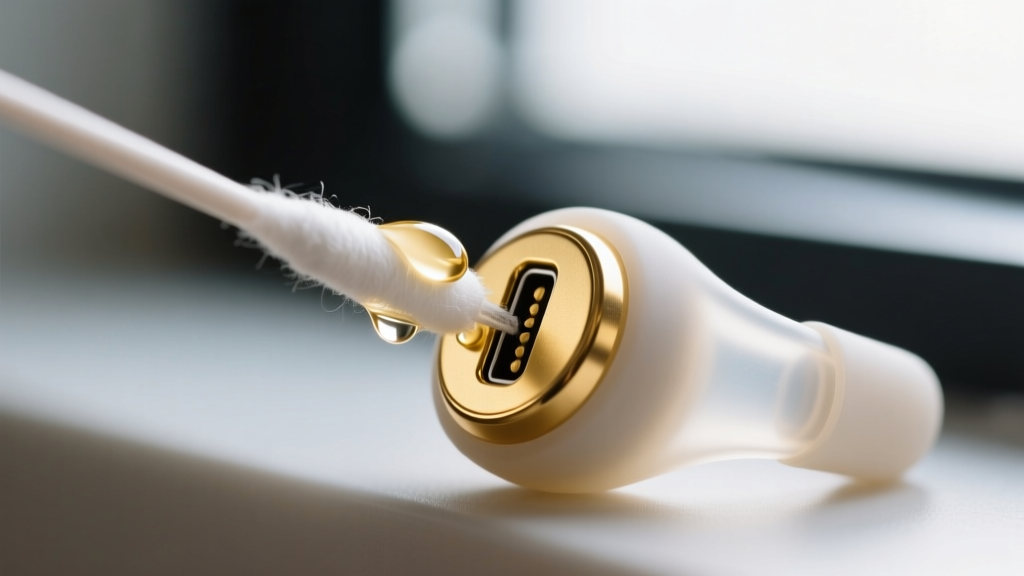
According to Bose Support guidelines, you should never use abrasive materials or submerge the device in chemical cleaners. Instead, establish a weekly maintenance routine. Dip a cotton swab in 70% isopropyl alcohol (IPA) and gently scrub the four gold charging contacts located inside the hinge. The 70% concentration is critical; higher concentrations evaporate too quickly to break down skin oils, while lower concentrations introduce too much water, which can corrode the copper traces beneath the gold plating.
Furthermore, if you develop contact dermatitis or a red rash on your earlobe, it is likely not an allergy to the silicone itself, but rather a reaction to the nickel traces in the internal memory wire reacting with your sweat. Wiping the inner band with a damp cloth after every gym session or hot commute will neutralize the acidic sweat and prevent skin irritation. For a deeper dive into the acoustic performance and physical build of this device, independent labs like RTINGS provide excellent frequency response graphs that highlight exactly why physical placement is so critical for open-ear bass reproduction.
Final Thoughts on Audio Jewelry
Treating your Bose earring headphones with the same care and anatomical awareness as a fine piece of jewelry will drastically improve your experience. By understanding your lobe thickness, respecting the acoustic geometry, and pairing the cuff with complementary, low-profile studs and huggies, you can seamlessly merge high-fidelity spatial audio with your personal style.


