Brad Pitt Earrings Styles: Ultimate Care & Cleaning Guide
Discover how to clean and maintain iconic Brad Pitt earrings styles, from 14k gold hoops and diamond studs to bohemian turquoise drops.
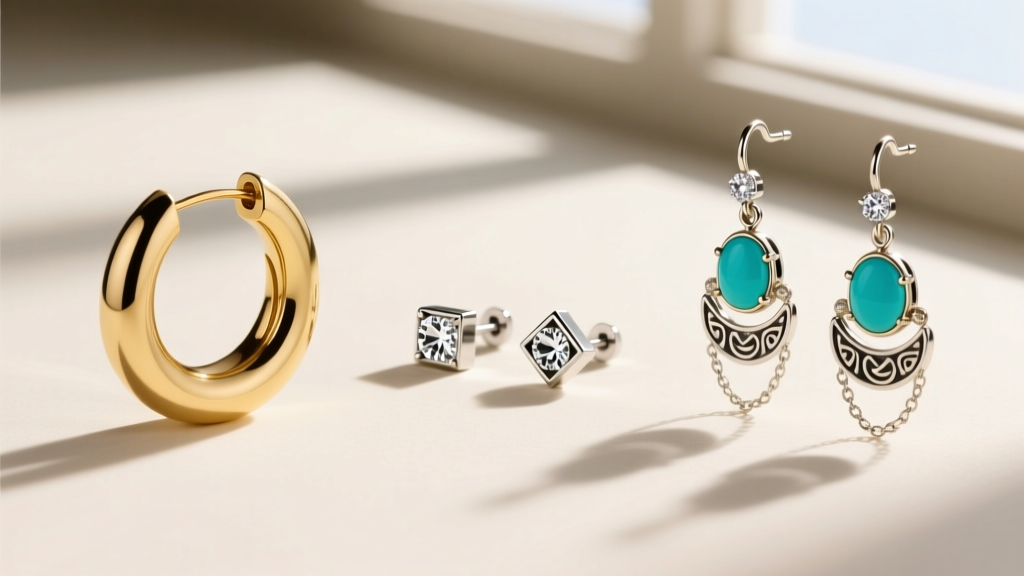

The Evolution of Men's Jewelry and Maintenance
When discussing the mainstream acceptance of men's jewelry, few cultural touchstones are as enduring as Brad Pitt's earring evolution. From the gritty, minimalist gold hoops of the Fight Club era to the sophisticated diamond studs on modern red carpets, and the bohemian turquoise drops seen during his Once Upon a Time in Hollywood press tour, Pitt has consistently pushed the boundaries of masculine adornment. As we navigate the expansive men's jewelry boom of 2026, these iconic styles remain highly sought after.
However, owning statement pieces is only half the battle. Men's earrings often endure harsher environments than women's, exposed to sweat, grooming products, and outdoor elements. Proper care, maintenance, and cleaning are non-negotiable to preserve the metallurgical integrity and gemstone brilliance of these pieces. This comprehensive guide breaks down the exact care protocols for the three most iconic Brad Pitt earring archetypes.
Caring for the Classic Gold Hoop (The 90s Minimalist Era)
The medium-sized yellow gold hoop is arguably Pitt's most recognizable earring style. Typically crafted in 14k or 18k gold, these hoops offer a warm, understated gleam. However, the structural integrity of a hoop relies heavily on its wire gauge, which directly impacts how you should handle and clean it.
Gauge Thickness and the "Cheese Cutter" Effect
Many mass-market men's hoops are crafted at a 20-gauge (0.8mm) or 18-gauge (1.0mm) thickness to save on gold weight and cost. If you are wearing a heavy hoop at this thin gauge, the weight of the metal can slowly slice through the earlobe over time—a phenomenon jewelers call the "cheese cutter effect." For long-term lobe health, seek out hoops crafted in 16-gauge (1.2mm) or 14-gauge (1.6mm) wire.
The Gold Cleaning Protocol
Gold is relatively non-reactive, but it easily accumulates sebum (skin oils) and dead skin cells, which dull its finish. To restore the luster of your 14k or 18k gold hoops:
- The Solution: Mix three drops of mild, phosphate-free dish soap (like Dawn) into a bowl of lukewarm distilled water. Avoid hot water, which can stress the metal if it has been heavily worked or soldered.
- The Agitation: Submerge the hoops for 15 minutes. Use a baby-soft toothbrush to gently sweep the inside of the hoop and the clasp mechanism, where grime heavily accumulates.
- The Drying: Rinse under cool distilled water and pat dry with a lint-free microfiber cloth. Never use paper towels, as the wood pulp fibers can leave micro-scratches on high-polish gold.
Maintaining the Red-Carpet Diamond Stud
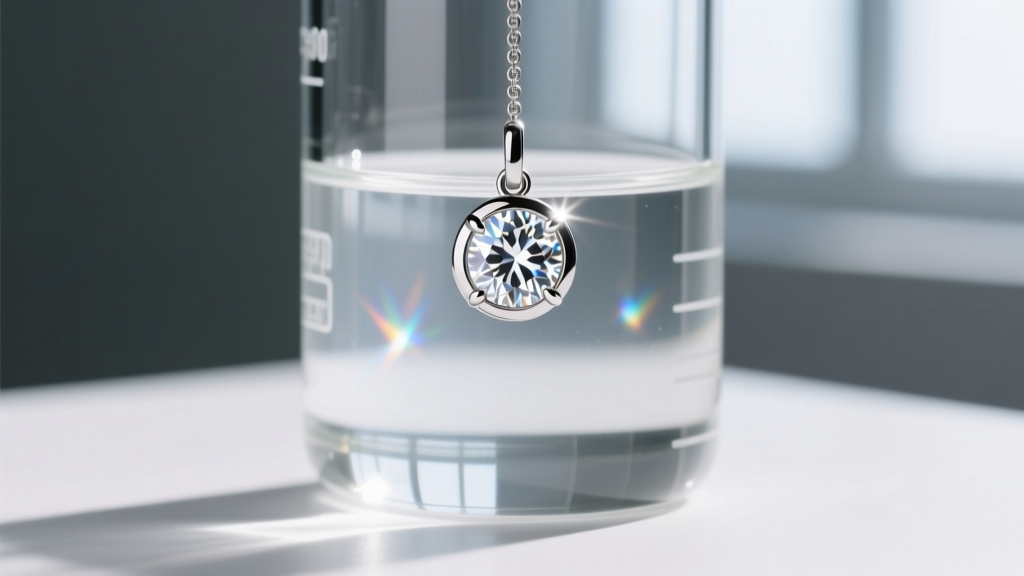
In his later career, Pitt frequently transitions to diamond studs, often opting for bezel settings in platinum or white gold. Diamonds are the hardest natural material on earth (a 10 on the Mohs scale), but they possess a hidden vulnerability: they are highly oleophilic (grease-attracting). A diamond stud will quickly attract lotions, hair products, and natural skin oils, creating a filmy barrier that drastically reduces its light return and sparkle.
Bezel vs. Prong Settings
For active men, a bezel setting (where a metal rim completely encircles the diamond's girdle) is vastly superior to a traditional 4-prong setting. Bezels protect the diamond's edges from chipping during physical activity and prevent the prongs from snagging on clothing or towels, which can eventually bend the metal and loosen the stone.
The Diamond Degreasing Method
Because water alone will not remove grease from a diamond, you need a mild degreasing agent. According to the Gemological Institute of America (GIA), a simple ammonia-based household glass cleaner can be highly effective for diamonds set in platinum or white gold.
Expert Warning: Never use ammonia-based cleaners on diamonds set in yellow gold, rose gold, or any porous gemstone accents. Ammonia can strip the rhodium plating off white gold and cause irreversible discoloration to alloyed golds.
For a safer, universally compatible clean, use a specialized jewelry cleaning foam containing mild surfactants. Apply the foam, let it sit for 60 seconds to break down the lipid bonds, brush gently with a soft-bristled gem brush, and rinse thoroughly.
The Bohemian Turquoise & Silver Drop (The Boho Era)
Pitt's bohemian phase introduced a rugged, Southwestern flair to his wardrobe, heavily featuring sterling silver and turquoise drop earrings. While visually striking, this material combination is the most high-maintenance of his iconic styles. Sterling silver (92.5% silver, 7.5% copper) is highly susceptible to oxidation, while turquoise is a fragile, porous gemstone.
The Porous Nature of Turquoise
Turquoise ranks between 5 and 6 on the Mohs hardness scale, making it relatively soft. More importantly, natural turquoise is highly porous. It will absorb skin oils, sweat, and chemicals, which can alter its color over time (developing a patina). While some collectors love this vintage look, those who prefer the original bright blue or green matrix must be extremely cautious.
Never put turquoise in an ultrasonic cleaner. The high-frequency vibrations can easily fracture the stone, especially if it has natural webbing or matrix inclusions. Furthermore, never use commercial silver dips or ammonia on turquoise jewelry; the harsh chemicals will permanently stain and degrade the stone.
Safe Silver and Turquoise Maintenance
To clean sterling silver frames without damaging the turquoise inlay:
- Use a dry, untreated silver polishing cloth to gently buff the metal areas only.
- For the turquoise, use a barely damp (not wet) microfiber cloth to wipe away surface dust.
- If the silver is heavily tarnished around the stone, use a cotton swab dipped in a mild baking soda and water paste, carefully avoiding the gemstone entirely. Wipe clean immediately with a damp cloth and dry thoroughly.
Material-Specific Cleaning Matrix
To streamline your maintenance routine, refer to this quick-reference matrix tailored to the most common men's earring materials inspired by celebrity styles.
| Material | Iconic Style Equivalent | Safe Cleaning Method | Methods to Strictly Avoid |
|---|---|---|---|
| 14k/18k Yellow Gold | 90s Medium Hoops | Warm water + mild dish soap, soft brush | Chlorine bleach, abrasive toothpaste |
| Platinum / White Gold | Red Carpet Diamond Studs | Ammonia-based cleaner or jewelry foam | Chlorine (degrades white gold alloys) |
| Sterling Silver (925) | Southwestern Drop Earrings | Anti-tarnish strips, dry polishing cloth | Hot water soaks, rubber band storage |
| Natural Turquoise | Bohemian Inlay Drops | Dry or barely damp microfiber cloth | Ultrasonic cleaners, silver dips, steam |
Long-Term Storage and Piercing Health
Proper care extends beyond cleaning; how you store your earrings and treat your piercings dictates their lifespan. The Jewelers of America emphasizes that environmental factors in storage cause more damage than daily wear.
Preventing Tarnish and Scratches
Sterling silver tarnishes when exposed to sulfur and moisture in the air. Always store silver and turquoise pieces in an airtight ziplock bag with a 3M anti-tarnish strip, replacing the strip every six months. Gold and diamond pieces should be stored in individual soft pouches to prevent the diamonds from scratching the gold (since diamonds are significantly harder than gold alloys).
Piercing Channel Hygiene
Men often neglect the actual piercing hole when cleaning their earrings. Sebum and dead skin can build up inside the fistula (the piercing channel), leading to a foul odor and localized irritation. Once a week, remove your earrings and flush the piercing channel with a sterile saline wound wash. Allow the lobe to dry completely before reinserting the jewelry to prevent trapping moisture, which can foster bacterial growth.
By adhering to these material-specific protocols, you can ensure that your investment pieces—whether a rugged turquoise drop or a flawless diamond stud—maintain their structural integrity and visual impact for decades to come.


