Do Brass Earrings Tarnish? Expert Cleaning & Prevention Guide
Do brass earrings tarnish? Yes. Discover expert cleaning methods, prevention tips, and the science behind brass oxidation to keep your jewelry shining.

The Short Answer: Do Brass Earrings Tarnish?
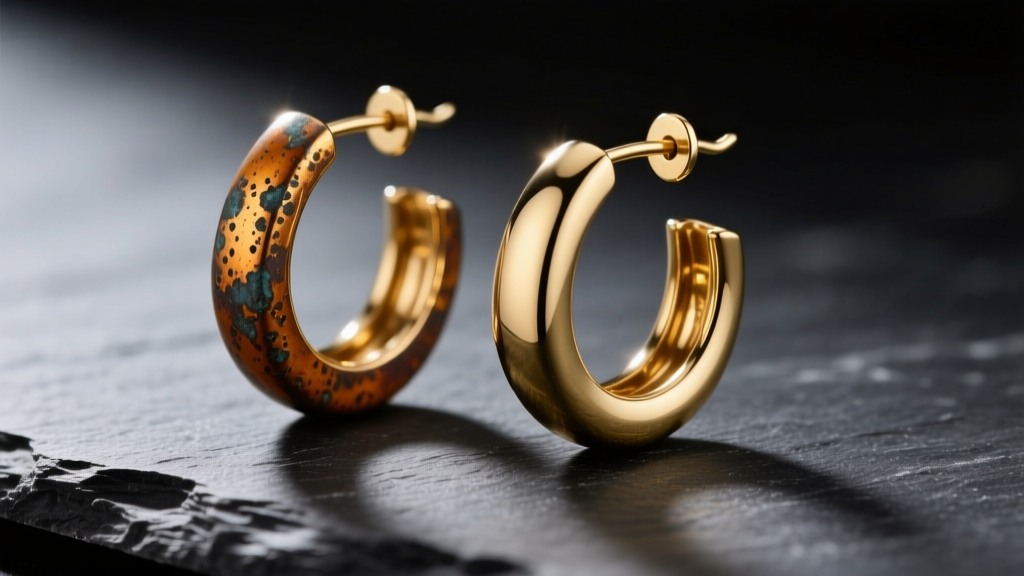
If you have ever pulled a favorite pair of vintage brass hoops or artisan-crafted 16-gauge cartilage studs from your jewelry box only to find them looking dull, dark, or brownish-black, you have witnessed oxidation firsthand. The short answer is yes: brass earrings absolutely tarnish. However, this is not a sign of poor quality or a manufacturing defect. Tarnishing is a natural, unavoidable chemical reaction that occurs with the specific alloy composition of brass.
Brass is not a pure elemental metal; it is an alloy primarily composed of copper (typically around 67%) and zinc (around 33%). While this combination yields a beautiful, warm, gold-like hue that is highly sought after in both fine and fashion jewelry, the high copper content makes the metal highly reactive to environmental elements. Understanding the chemistry behind this reaction is the first step toward mastering the care, maintenance, and restoration of your brass earrings.
The Chemistry of Brass Oxidation
According to metallurgical data referenced by institutions like the Gemological Institute of America (GIA), copper is a highly reactive transition metal. When the copper in your brass earrings is exposed to oxygen, moisture, and sulfur compounds in the air, it undergoes a chemical transformation. Initially, this forms copper oxide, which presents as a dull brown or reddish-black film on the surface of the metal.
If the exposure continues, particularly in humid environments or when in contact with the natural acids and salts in human sweat, the oxidation progresses to form copper carbonate or copper chloride. This is the notorious green or blue-green patina (verdigris) that can sometimes transfer to your skin or earlobes. While some jewelry enthusiasts actively seek out this antique patina for artistic effect, most wearers prefer the bright, polished, gold-like luster of fresh brass. Fortunately, unlike rust on iron—which actively degrades and destroys the structural integrity of the metal—tarnish on brass is strictly a surface-level phenomenon. It can be safely and repeatedly removed without compromising the underlying metal, provided you use the correct techniques.
Solid Brass vs. Brass-Plated Earrings: A Care Comparison
Before applying any cleaning solution, you must determine whether your earrings are solid brass or brass-plated. The cleaning protocols for these two material grades are vastly different, and using the wrong method can permanently ruin a plated piece.
| Feature | Solid Brass Earrings | Brass-Plated Earrings |
|---|---|---|
| Composition | 100% brass alloy throughout | Thin micron-layer of brass over a base metal (steel, zinc, or pewter) |
| Polishing Limits | Unlimited; can be polished down indefinitely | Highly limited; aggressive polishing will strip the plating |
| Acidic Cleaners | Safe (e.g., lemon juice, vinegar baths) | Unsafe; acids will eat through the microscopic plating layer |
| Price Range | $25 - $150+ (Artisan/Handcrafted) | $5 - $40 (Mass-market/Fashion) |
| Restoration | Can always be restored to high shine | Must be re-plated by a professional once worn through |
Step-by-Step Cleaning Methods for Brass Earrings
For solid brass earrings—such as heavy 14-gauge huggies, intricate filigree dangles, or smooth seamless hoops—you have several highly effective, low-cost cleaning options. Always remove any attached gemstones, especially porous stones like turquoise, opal, or pearl, before submerging your jewelry in any liquid.
Method 1: The Lemon and Salt Bath (For Heavy Tarnish)
This is the most effective DIY method for stripping heavy, black oxidation from solid brass. The citric acid in the lemon dissolves the copper oxide, while the salt acts as a mild, non-scratching abrasive catalyst.
- Squeeze the juice of half a fresh lemon into a small glass bowl.
- Add 1 teaspoon of non-iodized salt and stir until dissolved.
- Submerge your solid brass earrings in the solution for 3 to 5 minutes. Do not exceed 10 minutes, as prolonged acid exposure can cause 'dezincification', leaving the brass looking pink and splotchy.
- Remove the earrings and gently scrub intricate areas (like threadless ends or cast textures) with an extra-soft baby toothbrush.
- Rinse thoroughly under warm running water to neutralize the acid, then dry immediately with a lint-free microfiber cloth.
Method 2: Mild Surfactant Wash (For Plated Brass and Light Soil)
If your earrings are brass-plated, or if your solid brass pieces only have light surface oils and minor dullness, avoid acids entirely.
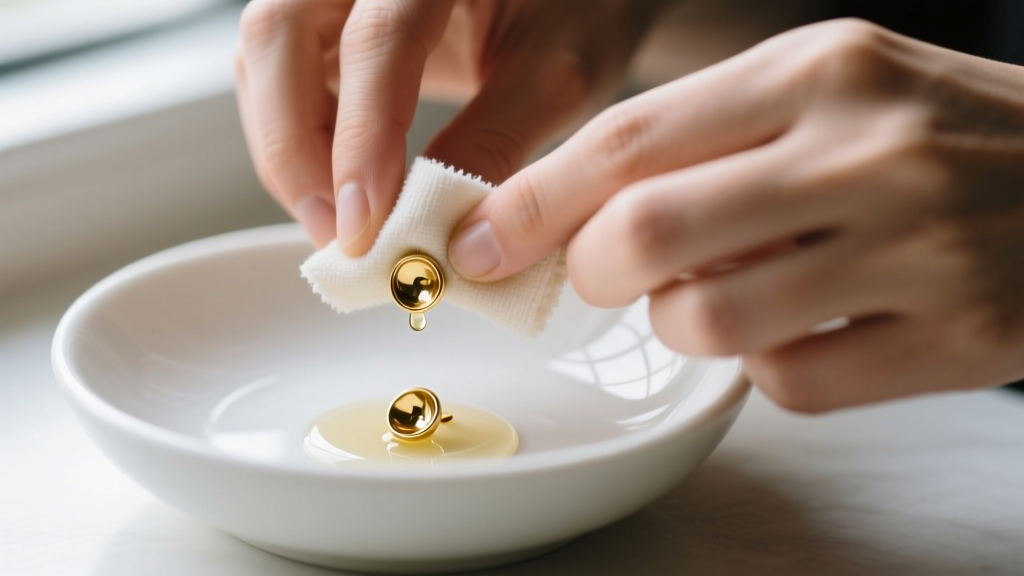
- Mix a few drops of pH-neutral dish soap (like Dawn) into a bowl of lukewarm water.
- Soak the earrings for 2 minutes to loosen sebum and cosmetic buildup.
- Gently wipe the metal with a soft microfiber cloth. Never use paper towels, as the wood fibers can cause micro-scratches on soft brass plating.
- Rinse and pat dry completely. Moisture left in the crevices of a hinged hoop or a clicker closure will accelerate localized tarnishing.
Method 3: Commercial Polish (For Stubborn Oxidation)
For severe tarnish on solid brass that resists the lemon bath, use a dedicated commercial brass polish like Wright's Brass Polish or Flitz Multi-Purpose Polish. Apply a pea-sized amount to a cotton swab or soft cloth, rub it into the metal until the cloth turns black (indicating the tarnish is lifting), and buff to a high shine with a clean cloth. Avoid commercial polishes on plated brass, as the mild abrasives suspended in the liquid will strip the finish.
The Lacquer Dilemma: Coated vs. Uncoated Brass
Many mass-market and mid-tier brass earrings are treated at the factory with a clear polyurethane or acrylic lacquer. This invisible barrier prevents oxygen and moisture from reaching the copper, effectively stopping tarnish before it starts. However, this lacquer is not permanent. Over time, friction from putting on ear cuffs, the pressure of earring backs, and exposure to perfumes will cause the lacquer to micro-chip or peel.
When this happens, the exposed brass tarnishes, while the lacquered areas remain bright, resulting in an ugly, mottled appearance. You cannot polish lacquered brass. If your coated earrings reach this stage, your only option is to strip the remaining lacquer using pure acetone (nail polish remover), wash the piece thoroughly, and then begin maintaining it as raw, unlacquered brass using the polishing methods above. Conservation experts at the Victoria and Albert Museum (V&A) frequently note that removing failing synthetic coatings is essential for the long-term preservation of metal artifacts and jewelry.
Troubleshooting the 'Green Ear' Phenomenon
One of the most common complaints regarding brass jewelry is the green or black discoloration it leaves on the skin. This is not an allergic reaction, nor does it mean the jewelry is 'fake' or toxic. It is a simple chemical reaction called copper chelation. The natural acids, salts, and amino acids in your sweat react with the copper in the brass to form copper chloride or copper carbonate, which rubs off onto your skin.
This is particularly common with earrings that sit flush against the skin, such as flat-back labret studs, tight huggies, or ear cuffs worn on the helix or tragus where sweat can easily trap itself. To prevent this, ensure your earlobes and cartilage are completely dry before putting on your earrings. Avoid wearing brass jewelry while exercising, swimming, or applying heavy lotions and sunscreens. If you do get green marks on your skin, they are entirely harmless and can be easily washed away with standard soap and warm water.
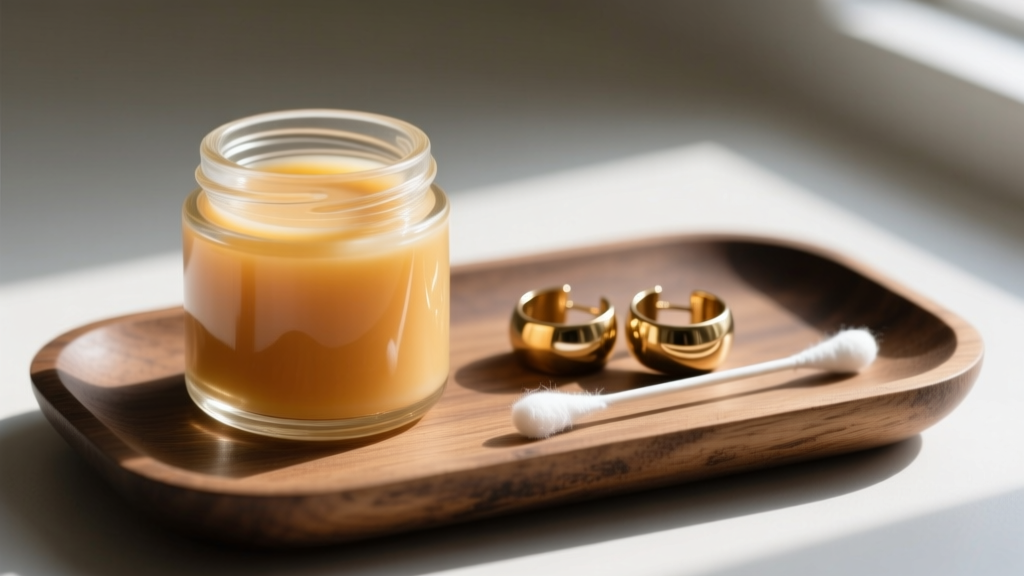
Expert Pro-Tip: If you love a specific pair of solid brass studs but struggle with the green skin effect, apply a thin coat of Renaissance Micro-Crystalline Wax to the earring posts and the backs of the jewelry. Originally developed by the British Museum, this wax creates an invisible, durable barrier that stops copper-to-skin transfer without altering the look or feel of the metal.
Preventative Care and Storage Protocols
The best way to clean tarnish is to prevent it from forming in the first place. Proper storage is critical for maintaining the luster of both solid and plated brass earrings.
- Use Anti-Tarnish Strips: Store your brass earrings in airtight ziplock bags along with 3M anti-tarnish strips. These strips contain activated carbon and silver sulfide scavengers that absorb airborne sulfur compounds before they can react with your jewelry.
- Control Humidity: Moisture accelerates oxidation. Toss a small silica gel desiccant packet into your jewelry box or storage drawer to keep the ambient humidity low.
- Wear Them Often: Surprisingly, the natural, mild friction of wearing brass jewelry against your skin and clothing, combined with the natural oils from your skin, can actually keep solid brass polished and slow down the formation of heavy oxidation.
- Avoid Ultrasonic Cleaners: Never put brass-plated earrings into an ultrasonic cleaner. The high-frequency cavitation bubbles will blast the microscopic plating layer right off the base metal, ruining the piece instantly.
By understanding the material grade of your earrings and implementing these targeted cleaning and storage routines, you can ensure your brass hoops, dangles, and cartilage jewelry remain vibrant, hygienic, and beautifully luminous for years to come.


