Brighton Earrings Hoops: Silver, Vermeil & Material Guide
Analyze the metallurgical properties of Brighton earrings hoops. Compare sterling silver, gold vermeil, and enamel for durability and care.

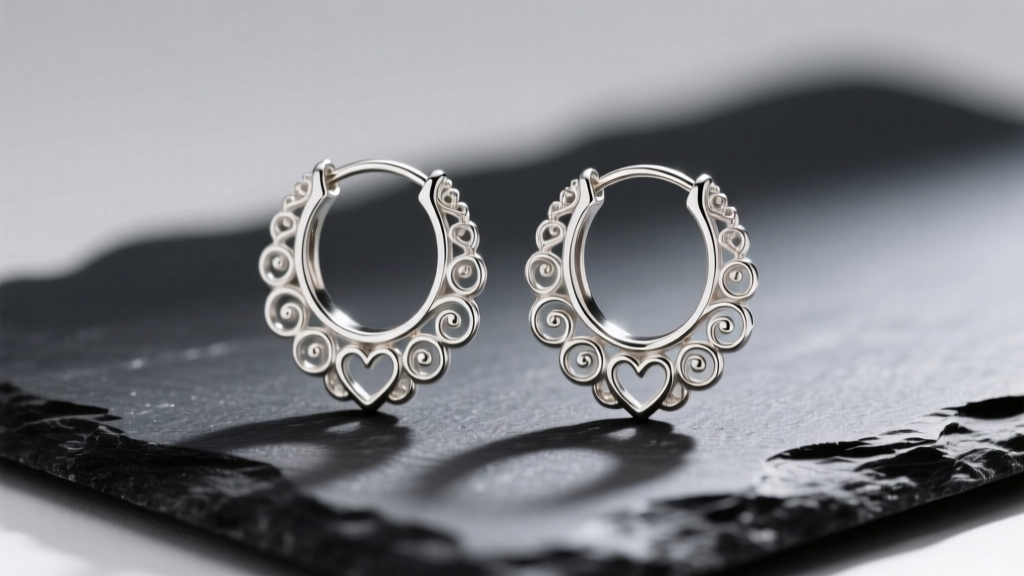
Brighton Collectibles has carved a distinct niche in the jewelry market, instantly recognizable by its signature heart motifs, intricate scrollwork, and mixed-metal aesthetics. When evaluating Brighton earrings hoops, consumers often focus on the ornate designs, but the true longevity and wearability of these pieces depend entirely on their underlying material properties. Unlike solid fine jewelry or mass-produced fast-fashion alloys, Brighton utilizes a specific combination of 925 sterling silver, gold vermeil, and specialized polymer coatings. Understanding the metallurgical and chemical properties of these materials is essential for making informed purchasing decisions, managing skin sensitivities, and establishing proper maintenance routines.
The Core Foundation: 925 Sterling Silver and E-Coating Technology
The vast majority of Brighton’s hoop earring collections are cast or stamped from 925 sterling silver. Pure silver (999 fine silver) is too soft for functional hoop closures, possessing a Vickers hardness of roughly 25 HV, which would cause the wire to bend and warp under minimal tension. By alloying 92.5% pure silver with 7.5% copper, the resulting sterling silver achieves a hardness of approximately 65 HV, providing the necessary structural integrity for 20-gauge (0.81mm) and 18-gauge (1.02mm) hoop wires.
The Copper Oxidation Problem
While copper provides essential tensile strength, it is highly reactive to sulfur compounds in the atmosphere and human sweat, leading to silver sulfide tarnish. According to the Gemological Institute of America (GIA), sterling silver is inherently prone to this oxidation. To combat this, Brighton employs an electrophoretic deposition process, commonly known as e-coating. This clear, nano-thin polymer layer encapsulates the silver, acting as an impermeable barrier against sulfur and oxygen.
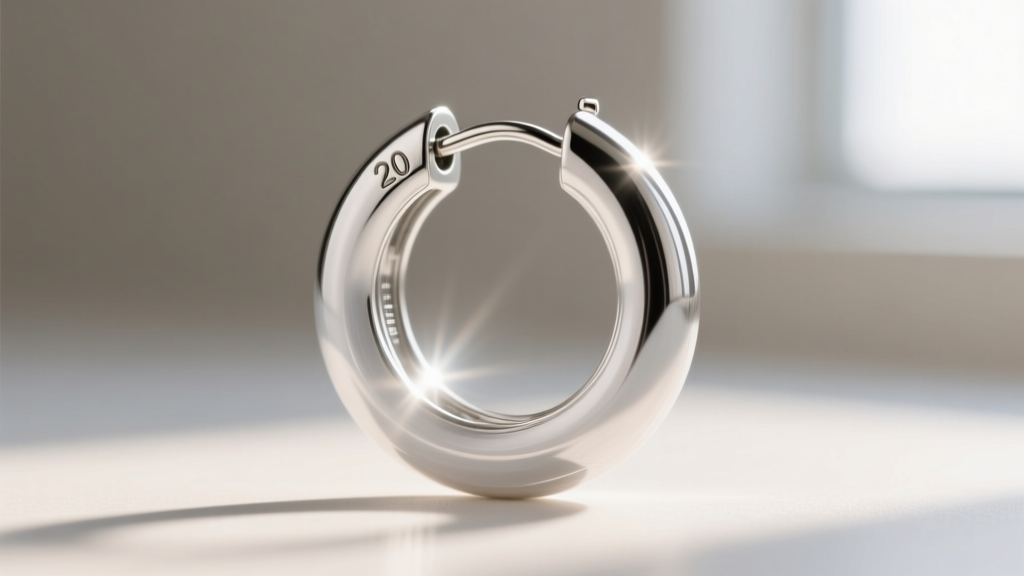
While e-coating drastically extends the time between required polishing, it introduces a specific failure mode: abrasive wear. Using traditional silver polishing cloths—which often contain micro-abrasives like jeweler's rouge or calcium carbonate—will strip the e-coating, exposing the raw copper alloy beneath and accelerating localized tarnishing.
Gold Accents: Plating vs. Vermeil Standards
Many Brighton hoops feature two-tone designs, incorporating gold accents over a sterling silver base. It is crucial to distinguish between standard gold plating and true gold vermeil, as the Federal Trade Commission (FTC) Jewelry Guides strictly regulate these terms.
- Standard Gold Plating: Typically applied over brass or copper bases with a gold layer measuring less than 0.5 microns. It wears away rapidly, often within months of daily friction.
- Gold Vermeil: By FTC definition, vermeil must consist of a sterling silver base coated with gold (minimum 10k, though Brighton typically uses 14k or 18k) that is at least 2.5 microns thick. This thickness ensures the gold layer can withstand years of mild friction before the silver substrate is exposed.
When purchasing gold-toned Brighton hoops, verifying the vermeil thickness and base metal guarantees that the piece will not trigger contact dermatitis, a common issue when base metals like nickel or raw brass are exposed through worn plating.
Enamel, Resin, and Mixed Media Accents
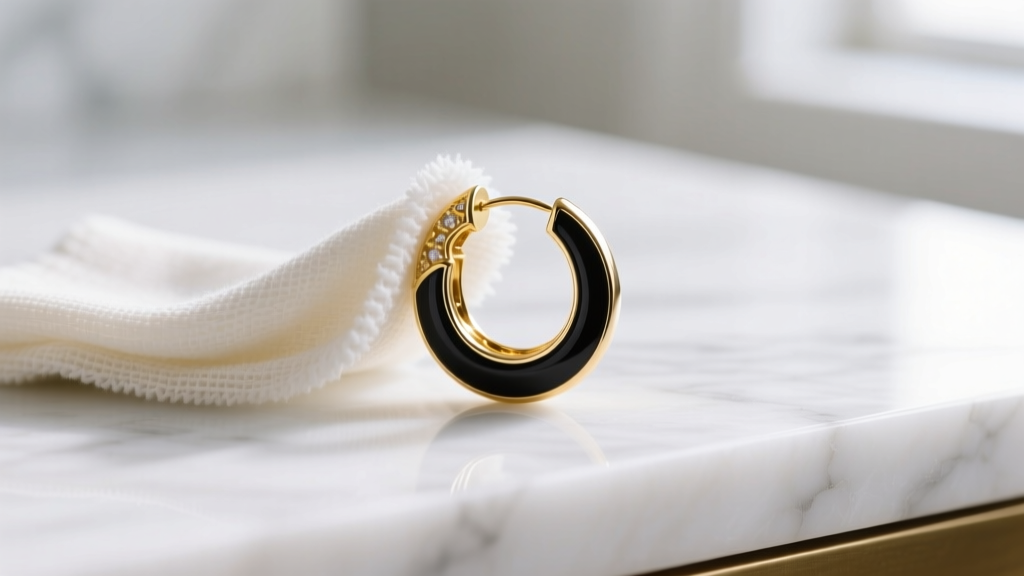
Brighton frequently integrates color into their hoop designs using either vitreous enamel or modern epoxy resins. Vitreous enamel is essentially fused glass, fired at temperatures exceeding 1400°F. It is highly resistant to UV fading and chemical solvents but is brittle; a sharp impact against a hard surface can cause micro-fractures or chipping.
Conversely, epoxy resins offer superior impact resistance and allow for a broader spectrum of translucent colors. However, resins are susceptible to UV degradation over time, which can cause lighter shades to yellow, and they can be permanently clouded by exposure to alcohol-based solvents like perfume or hand sanitizer.
Material Comparison: Brighton Hoops vs. Industry Standards
To contextualize the material properties of Brighton earrings hoops, the following table compares their construction against standard fashion jewelry and high-end fine jewelry alternatives.
| Material Metric | Brighton Sterling/Vermil | Standard Fashion Hoops | Fine Jewelry (Solid 14k) |
|---|---|---|---|
| Base Metal | 925 Sterling Silver (Copper alloy) | Brass, Nickel-Silver, or Zinc | Solid Gold/Platinum |
| Surface Treatment | E-coating / 2.5μ+ Vermeil | Flash Plating (<0.5μ) | None (Solid alloy) |
| Tarnish Resistance | High (until e-coat is breached) | Low (rapid oxidation) | Moderate to High |
| Hypoallergenic | Yes (Nickel-free) | Variable (often contains nickel) | Yes |
| Typical Price Range | $60 - $140 | $15 - $40 | $300 - $800+ |
Wire Gauge, Tension, and Closure Mechanics
The material properties of the wire directly dictate the closure mechanics. Brighton’s classic latch-back and clicker hoops rely on the specific work-hardening characteristics of sterling silver. A 20-gauge (0.81mm) wire is standard for their lightweight, medium-diameter hoops, offering enough flexibility to snap securely into the catch mechanism without permanently deforming. For heavier, oversized hoops featuring extensive scrollwork or resin inlays, Brighton upgrades to an 18-gauge (1.02mm) or even 16-gauge (1.29mm) wire to prevent the hoop from sagging and pulling on the earlobe.
Pro Tip: If a Brighton latch-back hoop loses its 'snap' tension over time, the silver has slightly work-softened. Gently bending the wire upward by a fraction of a millimeter will restore the mechanical tension required for a secure closure.
Targeted Care and Maintenance Protocols
Preserving the material integrity of Brighton hoops requires abandoning generic jewelry cleaning habits in favor of targeted, chemistry-aware maintenance.
Step-by-Step Cleaning Framework
- Degreasing: Sebum and cosmetic buildup dull the e-coating and resin accents. Use a drop of mild, phosphate-free dish soap in lukewarm water. Avoid hot water, which can expand the metal and fracture cold enamel.
- Agitation: Use an ultra-soft baby toothbrush to gently dislodge debris from the intricate scrollwork crevices. Never use stiff bristles, which will scratch the gold vermeil and e-coat.
- Drying: Pat dry with a lint-free microfiber cloth. Do not air dry, as hard water minerals will leave calcium deposits that etch into the polymer coating over time.
- Storage: Store in an airtight anti-tarnish ziplock bag with a silica gel packet. Even with e-coating, minimizing ambient humidity preserves the structural integrity of the resin adhesives used in mixed-media hoops.
By understanding the specific metallurgical and chemical properties of the materials used in Brighton earrings hoops, collectors and daily wearers can significantly extend the lifespan of their jewelry, ensuring the intricate designs remain as vibrant as the day they were cast.


