Can I Bring My Own Earrings to Piercing? A Studio Style Guide
Wondering if you can bring your own earrings to a piercing? Discover studio policies, material safety rules, and styling trends for curated ears.

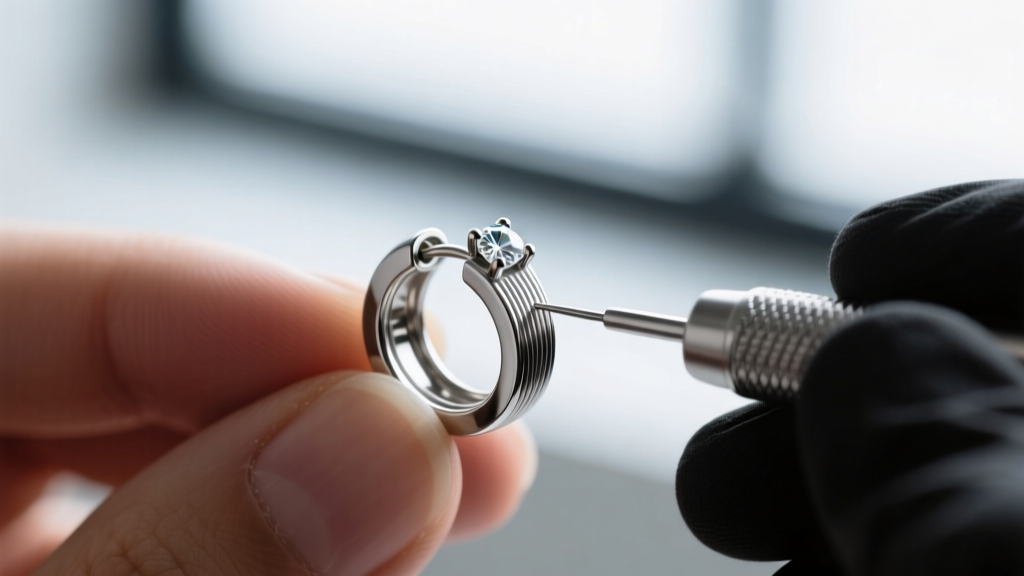
The 2026 landscape of ear styling is dominated by the "curated ear" aesthetic, where collectors meticulously plan their lobe and cartilage layouts months in advance. With the rise of luxury body jewelry brands, many enthusiasts purchase high-end pieces before their studio appointments, leading to one of the most frequently asked questions in modern body modification: Can I bring my own earrings to a piercing?
The answer is not a simple yes or no. It depends entirely on the metallurgy of your jewelry, the mechanics of the post, the sterilization capabilities of the studio, and whether you are getting a fresh puncture or styling a healed ear project. As a style and trend radar for jewelry, we are breaking down the exact studio policies, material grades, and anatomical requirements you need to know before walking into your appointment with your own jewelry in hand.
The Short Answer: Studio Policies on Personal Jewelry
If you are getting a brand new piercing, 95% of reputable, professional studios will politely decline to use your personal jewelry. According to the Association of Professional Piercers (APP), jewelry used for initial piercings must be sterilized in an autoclave and spore-tested to ensure it is completely free of pathogens. Most studios operate with pre-sterilized, single-use jewelry packages to maintain strict liability and health standards.
Furthermore, fresh piercings require specific post lengths to accommodate swelling. The jewelry you bought online may be designed for a healed ear, meaning it could cause severe embedding if used in a fresh wound. However, if you are visiting a studio for a styling session, upsizing, or downsizing of already healed piercings, many high-end studios will gladly install your personal jewelry, provided it meets their material and structural standards.
Why Piercers Reject Mall-Kiosk and Fashion Jewelry
To understand why a piercer might reject your personal earrings, you have to look at the microscopic level of jewelry manufacturing. The term "surgical steel" is largely a marketing buzzword. Most commercial fashion jewelry is made from 316L stainless steel, which contains up to 10% nickel. When exposed to the lymph and blood of a fresh piercing, nickel leaches into the tissue, triggering contact dermatitis. The Mayo Clinic's guidelines on nickel allergies highlight that prolonged exposure to low-grade alloys is a leading cause of chronic piercing irritation and rejection.
Professional studios exclusively use Implant-Grade Titanium (ASTM F-136), Niobium, or Solid 14k/18k Gold. These materials are biocompatible, meaning the human body does not recognize them as foreign threats, drastically reducing the risk of hypertrophic scarring or migration.
The Danger of Plated Jewelry
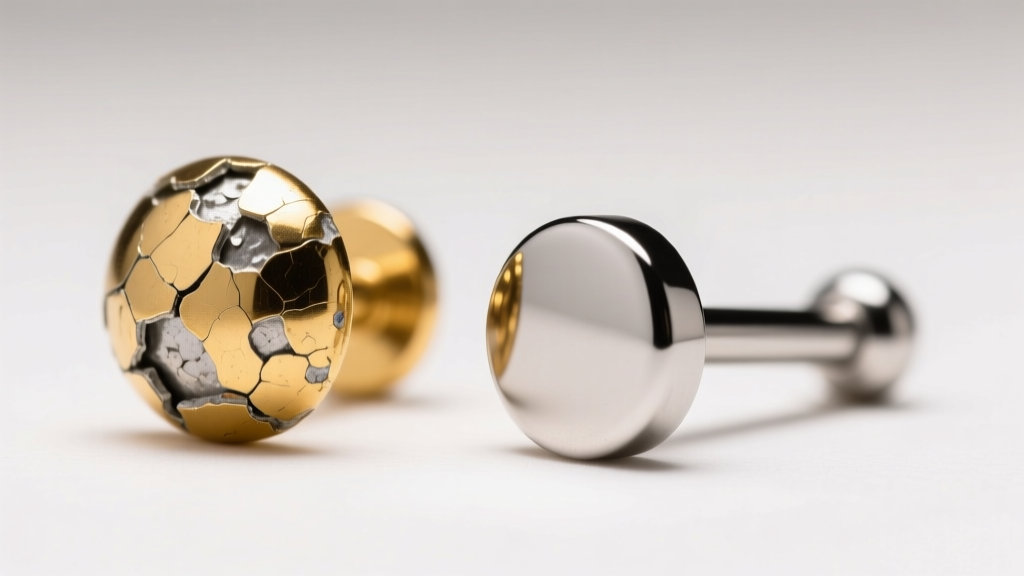
Another major reason studios reject outside jewelry is plating. Gold-plated or rose-gold-plated earrings feature a microscopic layer of gold over a base metal like brass or copper. The friction of a piercing needle or the insertion of the post can easily scratch this plating, exposing the reactive base metal directly to your open wound. High-end studios require solid gold or anodized titanium, never plated alternatives.
The Mechanics of Threading and Post Length
Even if your personal earrings are made of perfect implant-grade titanium, a piercer will inspect the mechanics of the jewelry before agreeing to use it. The two critical factors are threading style and post length.
External vs. Internal vs. Threadless
Fashion earrings typically feature external threading, where the screw-like ridges are on the outside of the post. Pushing an externally threaded post through a fresh piercing is akin to pushing a cheese grater through delicate tissue; it causes micro-tears in the forming fistula, leading to excessive swelling and delayed healing. Professional studios only accept internally threaded jewelry (where the screw is inside the decorative end) or threadless (push-pin) jewelry, which relies on tension to stay secure. Brands like BVLA (Body Vision Los Angeles) set the industry standard for these precision-machined, threadless designs.
The Swelling Factor: Why Post Length Matters
A fresh cartilage piercing, such as a helix or conch, will swell significantly during the first four to eight weeks. Professional piercers use longer posts to accommodate this:
- Initial Piercing Lengths: 3/8" (10mm) or 5/16" (8mm) to allow room for swelling and lymph drainage.
- Healed/Downsizing Lengths: 1/4" (6mm) or 3/16" (5mm) for a snug, comfortable fit once the swelling subsides.
If you bring your own earrings to a piercing, they likely feature a standard 1/4" post meant for healed lobes. Using a short post on a fresh piercing will cause the decorative end to press into the swelling tissue, leading to a painful condition called embedding, which often requires medical intervention to remove.
Material & Specification Comparison Chart
Use this framework to evaluate if the earrings in your jewelry box are actually suitable for a professional studio environment.
| Feature | Studio Standard (Provided) | High-End Client Jewelry (BVLA, Anatometal) | Fashion / Mall-Kiosk Jewelry |
|---|---|---|---|
| Material | ASTM F-136 Titanium | Solid 14k/18k Gold or Ti | 316L Steel, Brass, Plated |
| Threading | Internal or Threadless | Internal or Threadless | External (Screw-on) |
| Post Length | Variable (5/16" to 3/8") | Usually 1/4" (Healed) | Standardized (Too short) |
| Autoclave Safe? | Yes (Pre-sterilized) | Yes (If solid gold/Ti) | No (Plating will melt/peel) |
| Piercer Acceptance | 100% Accepted | Accepted for healed ears | Universally Rejected |
The Curated Ear Trend: When Bringing Your Own Works
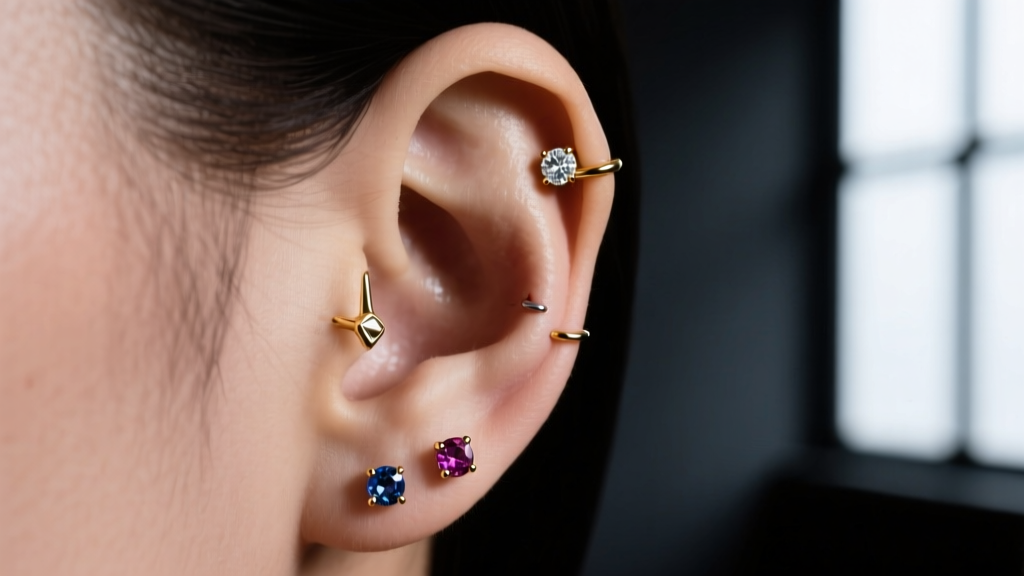
The "curated ear" trend has transformed piercers into bespoke stylists. In 2026, it is incredibly common for clients to book a "styling session" rather than a traditional piercing appointment. If you have a collection of healed piercings and have purchased luxury pieces from brands like Maria Tash, BVLA, or LeRoi, you can absolutely bring them to your piercer.
During these sessions, the piercer will assess your ear anatomy, map out a cohesive aesthetic using your personal jewelry, and safely swap the pieces using sterile tools. This is where bringing your own earrings is not just allowed, but encouraged, as it allows you to achieve a highly personalized, editorial look that standard studio stock might not offer.
How to Pitch Your Jewelry to a Professional Piercer
If you want to use your own high-end jewelry for a new piercing or a swap, follow these protocol steps to ensure a smooth studio experience:
- Call Ahead: Do not wait until you are in the chair. Call the studio and ask about their policy on client-provided jewelry.
- Provide Proof of Purchase: Studios need to verify that your jewelry is from a reputable, biocompatible manufacturer. A receipt from an authorized BVLA or Anatometal vendor proves the material grade.
- Leave it Unworn: If the jewelry is for a fresh piercing, it must be completely sterile. Do not try it on, handle it, or store it in a non-sterile environment before your appointment. The piercer will need to place it in their autoclave.
- Be Open to Alternatives: If your piercer determines that your post length is unsafe for a fresh puncture, trust their expertise. They will use a sterile, longer studio post for the initial healing phase, and you can swap to your luxury piece during your downsizing appointment a few months later.
Final Verdict & Styling Takeaways
So, can you bring your own earrings to a piercing? For fresh punctures, the answer is almost always no, due to strict sterilization protocols, swelling requirements, and the dangers of external threading. However, for healed ear styling, upsizing, and curated ear projects, professional piercers welcome high-quality, internally threaded, or threadless luxury jewelry.
By understanding the metallurgy and mechanics behind body jewelry, you can build a collection of safe, stunning pieces that your piercer will be thrilled to install. Prioritize implant-grade materials, respect the healing process, and let the curated ear trend guide your long-term styling journey.


