Budget Diamond Leverback Earrings: 2026 Value Guide
Discover the true value of budget diamond leverback earrings in 2026. Learn how to assess clarity, carat weight, and metal settings without overpaying.

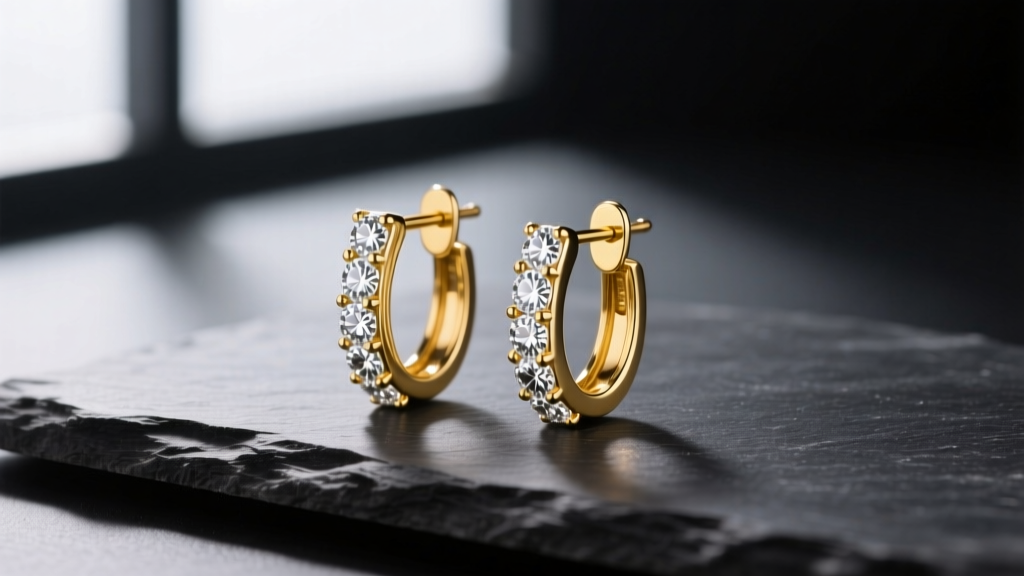
The Anatomy of Value: What You Are Actually Paying For
When shopping for budget diamond leverback earrings, the price tag is rarely just about the diamonds. Unlike standard friction-back studs, leverbacks require complex metalworking, a hinged wire mechanism, and a secure locking clasp. In 2026, a well-crafted pair of leverbacks allocates its cost across three distinct centers: the diamonds (40-60%), the precious metal (20-30%), and the labor-intensive mechanism (10-20%). Understanding this breakdown is the first step to avoiding overpriced fashion jewelry masquerading as fine jewelry.
Many budget brands offset the cost of the leverback mechanism by using lower-tier alloys or dangerously thin wire gauges. To maximize your investment, you must evaluate the structural integrity of the earring just as critically as the gemological report of the stones.
Decoding the Budget Diamond: SI1-SI2 and I-J Color Sweet Spots
Leverback earrings are designed to dangle and move. This constant motion means that brilliance and light performance are far more important than flawless clarity. When the diamond is in motion, the human eye cannot detect minor inclusions. Therefore, paying a premium for VVS or VS clarity grades in budget leverbacks is a poor allocation of funds.
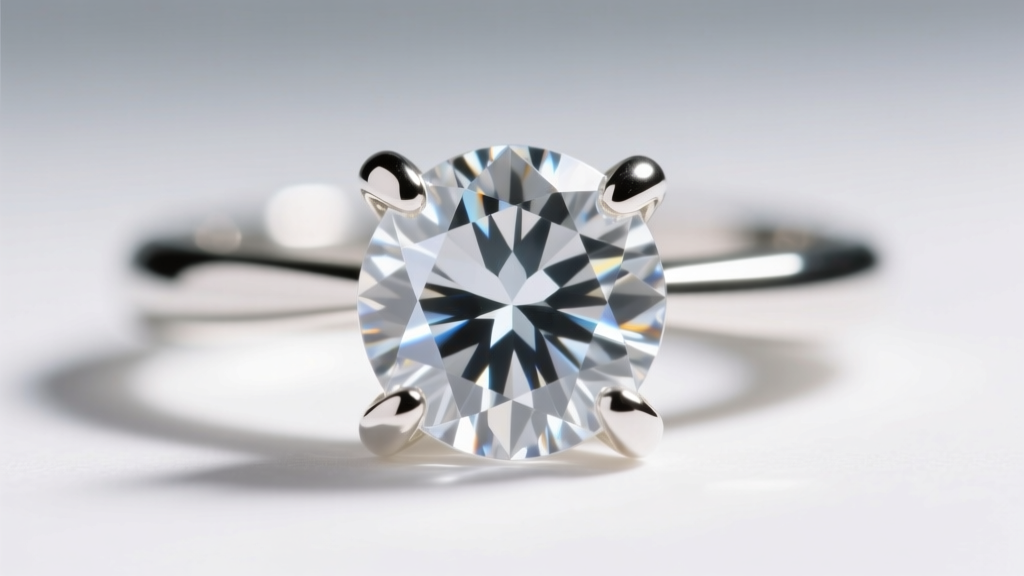
The Clarity Sweet Spot
For stones ranging from 0.10 to 0.25 carats per ear, SI1 and SI2 (Slightly Included) are the ultimate budget sweet spots. According to the Gemological Institute of America (GIA), SI inclusions are noticeable under 10x magnification but are typically eye-clean to the naked eye, especially when set in a four-prong basket that allows maximum light return. Avoid I1 clarity, as prominent feathers near the girdle can compromise the stone's durability when subjected to the kinetic movement of a dangling leverback.
Color Matching Your Metal
- Yellow Gold Settings: You can safely drop to J or K color grades. The warm reflection of the 14K or 18K yellow gold basket will mask the faint yellow tint of the diamond, making it appear whiter than its grade.
- White Gold or Platinum Settings: Stick to G or H color. White metals act as a mirror, amplifying any warmth in the diamond. An H-color stone will face up remarkably white in a rhodium-plated white gold setting without the steep price jump of D-F colorless grades.
Metal Settings & The Leverback Mechanism: Where Budget Brands Cut Corners
The most common failure point in budget diamond leverback earrings is not the diamond falling out; it is the wire mechanism bending, snapping, or failing to lock. The thickness of the leverback wire, measured in gauges, dictates its lifespan.
| Wire Gauge | Thickness (mm) | Durability Rating | Budget Assessment |
|---|---|---|---|
| 22-Gauge | 0.64mm | Low | Avoid. Too flimsy; bends easily when removing. |
| 20-Gauge | 0.81mm | High | The industry standard. Excellent balance of comfort and strength. |
| 18-Gauge | 1.02mm | Very High | Premium. Best for heavier diamond drops and thick earlobes. |
Furthermore, inspect the clasp tension. A high-quality leverback will emit a distinct, audible 'click' when the grooved wire snaps into the catch. If the closure feels mushy or requires you to squeeze the wire tightly to keep it shut, the metal has been work-hardened improperly or is too thin to maintain tension over time.
Pro-Tip: Always check the inner curve of the leverback wire. Budget manufacturers often leave sharp soldering joints where the hinge meets the wire. This can cause micro-tears in the earlobe piercing over time. Premium brands polish this inner seam completely smooth.
2026 Price Benchmarks: Are You Overpaying?
To assess true value, you need a baseline. The following table outlines the expected retail pricing for 14K gold diamond leverback earrings in the current 2026 market, comparing natural earth-mined diamonds with lab-grown alternatives.
| Total Carat Weight (CTW) | Natural (SI1 / G-H) | Lab-Grown (VS1 / E-F) | Value Verdict |
|---|---|---|---|
| 0.25 CTW | $450 - $650 | $180 - $250 | Lab offers massive savings for everyday wear. |
| 0.50 CTW | $900 - $1,400 | $350 - $500 | Lab is the undisputed smart budget choice. |
| 1.00 CTW | $2,500 - $3,200 | $700 - $950 | Natural holds resale; Lab wins on visual size. |
If you are shopping on a strict budget, the 0.50 CTW lab-grown tier offers the highest visual impact per dollar. You get half-carat brilliance with higher clarity and color grades than you could ever afford in the natural market at that price point.
The Lab-Grown Advantage for Leverback Styles
Lab-grown diamonds have fundamentally disrupted the budget earring market. Because leverbacks rely on the 'sparkle factor' from a distance, the superior cut quality often found in premium lab diamonds makes them ideal for this specific style. The Jewelers of America notes that lab-grown diamonds possess the exact same optical and chemical properties as mined diamonds, meaning they will catch the light identically as they sway on a leverback hinge.
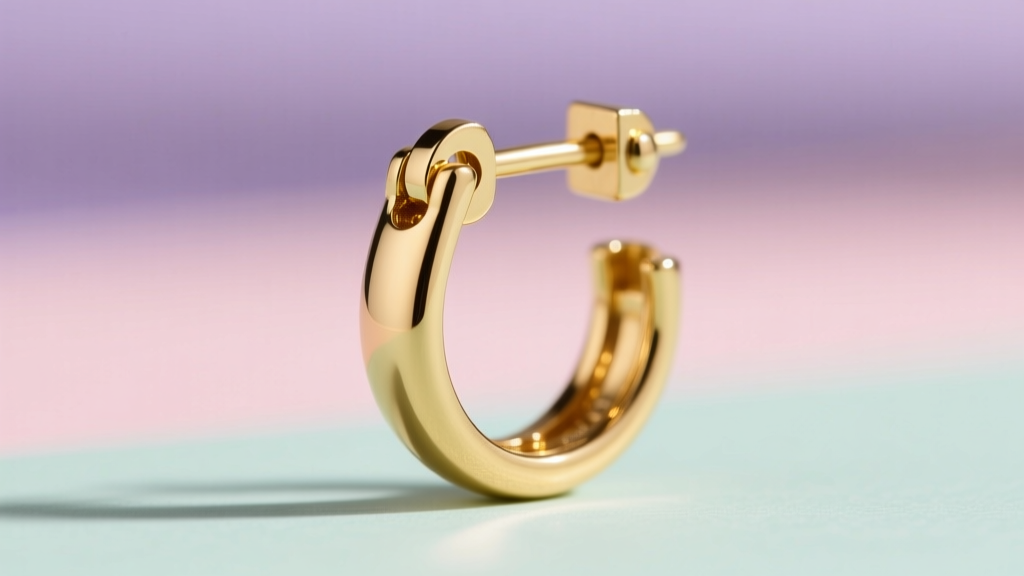
When buying budget lab-grown leverbacks, ensure the seller provides a certification from a reputable lab like IGI or GIA. Uncertified lab diamonds in the budget sector are frequently over-graded, meaning you might pay for an 'F' color but receive an 'I' color stone.
Final Verdict: Maximizing Your Investment
Securing the best value for budget diamond leverback earrings requires ignoring marketing fluff and focusing on structural and gemological realities. Use this actionable checklist before checkout:
- Verify the Gauge: Ensure the product description specifies a 20-gauge (0.81mm) or thicker wire.
- Optimize the 4Cs: Target SI1 clarity and G-H color for white gold, or J-K color for yellow gold.
- Check the Hinge: Read reviews specifically mentioning the 'click' and tension of the clasp.
- Consider Lab-Grown: Shift your budget from paying for 'natural rarity' to paying for superior cut quality and larger carat weights.
By applying these rigorous value assessments, you can acquire a pair of secure, brilliant, and beautifully crafted leverback earrings that punch far above their price tag.


