How to Sterilize Earrings Safely Based on Material Properties
Learn how to sterilize earrings safely. Compare material properties of titanium, gold, silver, and acrylic to avoid damage and prevent infection.

The Science of Sterilization vs. Disinfection
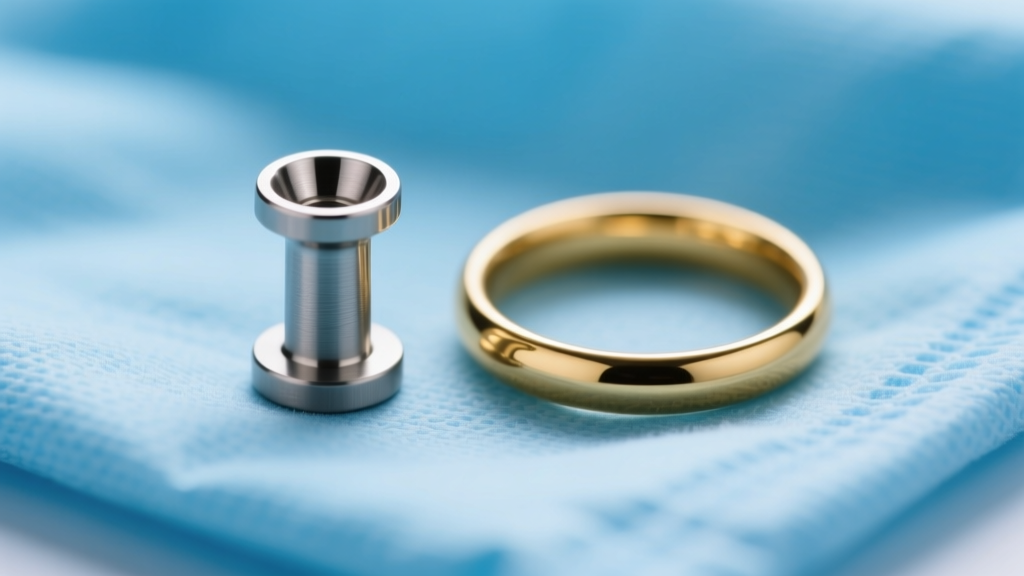
Before addressing specific protocols for how to sterilize earrings, it is critical to distinguish between sterilization and disinfection. Disinfection reduces the microbial load on a surface, but sterilization completely eradicates all forms of microbial life, including highly resistant bacterial endospores. According to the Centers for Disease Control and Prevention (CDC), true sterilization requires specific thermal or chemical thresholds—such as pressurized steam at 121°C (250°F) for 15 minutes in an autoclave. While most consumers do not have access to medical-grade autoclaves, understanding these thresholds helps explain why certain at-home methods fail or destroy specific jewelry materials based on their metallurgical and chemical properties.
Material Breakdown: How to Sterilize Earrings by Metal Type
Metals react vastly differently to heat, moisture, and chemical solvents. The alloy composition of your earrings dictates which sterilization methods are safe and which will cause irreversible structural or aesthetic damage.
Implant-Grade Titanium (ASTM F-136)
Implant-grade titanium, specifically Ti6Al4V ELI (ASTM F-136), is the gold standard for body jewelry. Its exceptional biocompatibility stems from a passive oxide layer that forms naturally on its surface, preventing corrosion and nickel leaching. When determining how to sterilize earrings made of this material, you have maximum flexibility. Titanium can withstand autoclaving, prolonged boiling in distilled water, and extended soaks in 99% isopropyl alcohol without degrading. The Association of Professional Piercers (APP) highly recommends this material for fresh piercings precisely because it can be subjected to rigorous sterilization protocols without compromising its surface finish.
Solid Gold (14k and 18k Alloys)
Pure 24k gold is too soft for functional earring posts, meaning jewelers alloy it with metals like copper, silver, zinc, and sometimes nickel. While 14k and 18k solid gold can generally be boiled safely, harsh chemical sterilants like bleach or prolonged hydrogen peroxide soaks can react with the copper and zinc alloys. This causes micro-pitting and surface discoloration. Furthermore, if the gold is white gold, it is likely rhodium-plated. Boiling or ultrasonic cleaning can degrade the rhodium layer over time, exposing the yellowish alloy beneath.
Sterling Silver (925) and Argentium
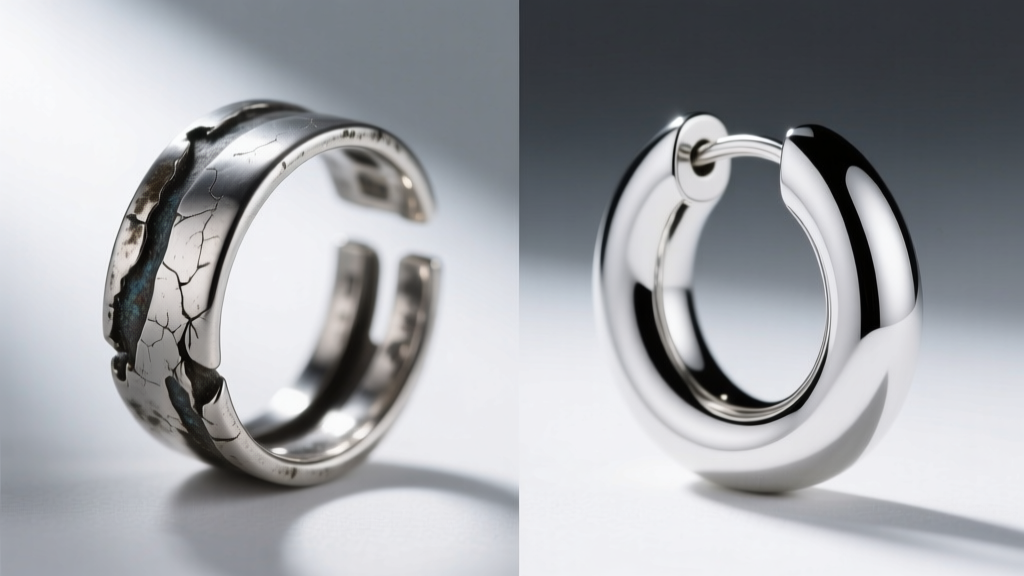
Sterling silver is notoriously reactive. The 7.5% copper content in standard 925 silver reacts with sulfur and moisture, creating silver sulfide—the black tarnish commonly seen on aged jewelry. Boiling sterling silver earrings, especially in water containing trace minerals or sulfur, will rapidly accelerate tarnishing. Furthermore, chemical sterilants can strip the anti-tarnish coatings often applied to modern silver. Argentium silver, which replaces some copper with germanium, offers higher tarnish resistance but should still only be cleaned with mild, non-abrasive chemical soaks rather than high-heat sterilization to preserve its structural integrity.
Non-Metal Materials: Glass, Acrylic, and Organics
Non-metallic earrings introduce complex thermal and porosity challenges that drastically alter sterilization protocols.
- Borosilicate Glass: Unlike standard soda-lime glass, borosilicate glass has a very low coefficient of thermal expansion. It is highly resistant to thermal shock, making it completely autoclave and boil-safe. It is also non-porous, meaning chemical soaks will not penetrate the material.
- Acrylic and Bioplast (PMMA): Polymethyl methacrylate (PMMA) has a glass transition temperature of approximately 105°C (221°F). Submerging acrylic earrings in boiling water (100°C) brings them dangerously close to this threshold, risking warping, micro-fracturing, and the leaching of toxic monomers into the piercing tract. Acrylic must only be sterilized via cold chemical soaks or UV-C light.
- Organic Materials (Wood, Bone, Horn): Organics are inherently porous and highly sensitive to moisture and heat. Boiling will cause wood to swell, crack, and warp, while bone can become brittle. True sterilization of organic earrings is virtually impossible without an autoclave; they should only be surface-disinfected with a damp cloth and specialized organic waxes.
Sterilization Methods & Material Compatibility Chart
The following matrix outlines the safety parameters for common sterilization methods across different earring materials. Always verify the specific alloy or grade before applying heat or chemicals.
| Material | Autoclave (121°C) | Boiling (100°C) | 99% Isopropyl Alcohol | Ultrasonic Cleaner | Porosity / Risk Factor |
|---|---|---|---|---|---|
| Implant-Grade Titanium | Safe | Safe | Safe | Safe | Non-porous / Lowest Risk |
| 316L Surgical Steel | Safe | Safe | Safe | Safe | Non-porous / Nickel Risk |
| Solid 14k/18k Gold | Safe | Safe | Safe | Caution (Platings) | Non-porous / Alloy Reactivity |
| Sterling Silver (925) | Not Recommended | Risk of Tarnish | Safe (Short Soak) | Safe | Non-porous / High Oxidation |
| Borosilicate Glass | Safe | Safe | Safe | Safe | Non-porous / Shatter Risk |
| Acrylic / PMMA | Unsafe (Melts) | Unsafe (Warps) | Unsafe (Degrades) | Unsafe | Micro-porous / Chemical Leaching |
| Wood / Bone | Unsafe | Unsafe | Unsafe | Unsafe | Highly Porous / Warping |
Step-by-Step Protocols for At-Home Sterilization
If you lack access to a professional autoclave, the boiling method is the most effective way to achieve near-sterilization for compatible metals and glass.
Warning: Never boil jewelry containing glued gemstones, pearls, or opals. The thermal shock will shatter the stones or melt the adhesive, ruining the piece instantly.
The Distilled Water Boil Protocol
- Preparation: Fill a dedicated stainless steel pot with distilled water. Tap water contains minerals and chlorides that can cause micro-corrosion on steel and silver alloys during the boiling process.
- Heating: Bring the water to a rolling boil (100°C / 212°F).
- Submersion: Using sterilized stainless steel tongs, carefully lower your titanium, niobium, or borosilicate glass earrings into the water.
- Duration: Maintain the rolling boil for a minimum of 10 to 15 minutes. This duration is sufficient to destroy most common vegetative bacteria and fungi.
- Drying: Remove the earrings and place them on a sterile, lint-free paper towel. Allow them to air dry completely before storage or insertion.
The Chemical Soak Protocol (For Heat-Sensitive Metals)
For 14k gold or sterling silver earrings that you wish to avoid boiling, a chemical soak is the safest alternative. Submerge the earrings in a glass beaker filled with 99% isopropyl alcohol for 20 minutes. Unlike 70% alcohol, 99% isopropyl contains less water, reducing the risk of oxidation on silver alloys while effectively denaturing bacterial proteins. Rinse thoroughly with sterile saline before wear.
Common Sterilization Mistakes and Failure Modes
Many well-intentioned cleaning routines actually compromise the structural integrity of earrings or introduce new pathogens.
- Using Hydrogen Peroxide on Porous Stones: Hydrogen peroxide is a powerful oxidizing agent. While it may clean metal posts, it will aggressively pit and dull porous gemstones like turquoise, malachite, and pearls, permanently destroying their surface luster.
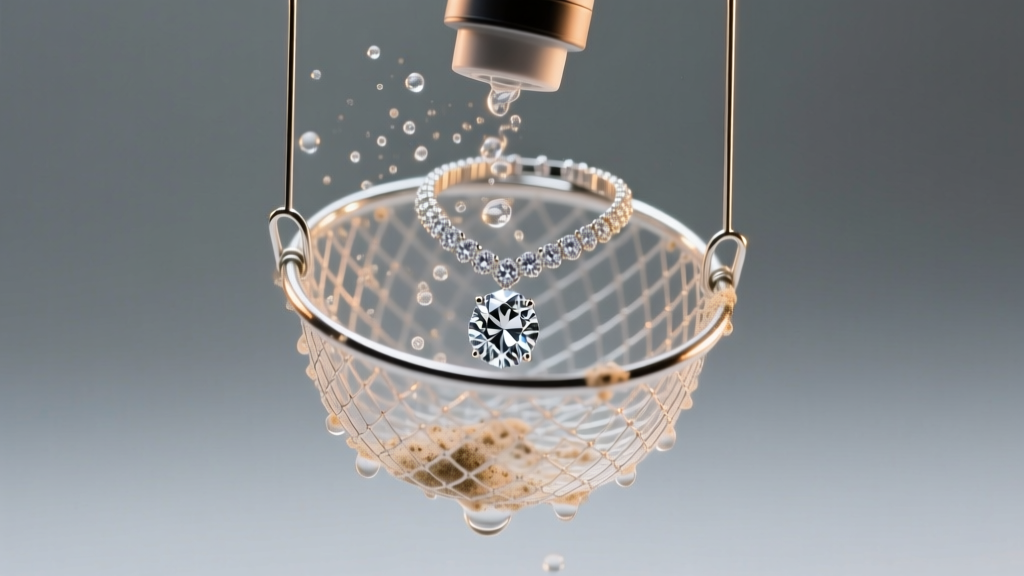
- Ultrasonic Cleaners on Plated Jewelry: Ultrasonic cleaners use high-frequency cavitation bubbles to blast away debris. While excellent for solid diamond studs or bare titanium, this microscopic shockwave will strip gold plating, vermeil, and rhodium finishes off base metals in a matter of minutes.
- Storing Damp Earrings: Sterilizing earrings and immediately sealing them in an airtight plastic bag while damp creates a humid microenvironment. This promotes the growth of mold and mildew, particularly on jewelry with intricate filigree or clay settings.
Conclusion
Understanding how to sterilize earrings requires a fundamental grasp of material science. By matching the sterilization method—whether thermal, chemical, or mechanical—to the specific metallurgical or polymeric properties of your jewelry, you ensure both the longevity of the piece and the health of your piercing tract. When in doubt, default to the safest, most biocompatible materials like ASTM F-136 titanium, which forgives almost any sterilization error while providing optimal healing environments.


