The Ultimate 2026 Gift Guide to Vintage Jade Earrings
Discover the perfect vintage jade earrings for every occasion in our 2026 gift guide. Learn to identify authentic jadeite and nephrite for loved ones.

The Enduring Allure of Vintage Jade
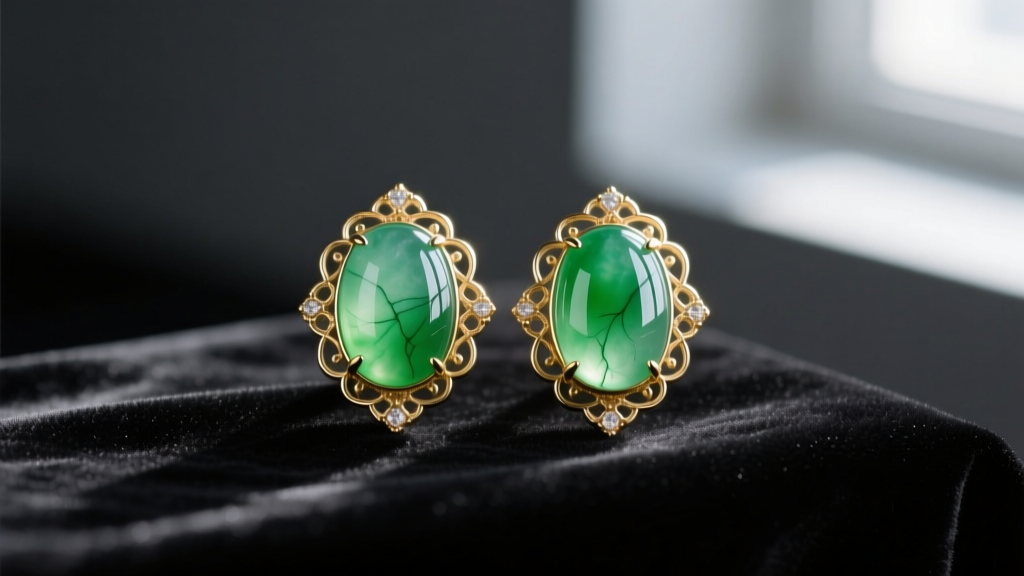
Gifting vintage jewelry is an intimate act of storytelling, and few gemstones carry as much historical and cultural weight as jade. As we navigate the 2026 gifting season, vintage jade earrings have emerged as a highly sought-after category for collectors and style enthusiasts alike. Unlike mass-produced contemporary pieces, vintage jade offers a tangible connection to the past, featuring hand-carved motifs, antique metalwork, and gemstones that have survived decades of wear.
However, gifting jade requires a discerning eye. The market is saturated with glass imitations, dyed quartz, and polymer-impregnated stones masquerading as antique treasures. This comprehensive guide will equip you with the gemological knowledge, era-specific styling tips, and occasion-matching frameworks necessary to select the perfect pair of vintage jade earrings for your loved ones.
Decoding the Stone: Jadeite vs. Nephrite
Before selecting a gift, it is imperative to understand that "jade" is an umbrella term for two distinct metamorphic rocks. According to the Gemological Institute of America (GIA), understanding the difference between jadeite and nephrite is the cornerstone of authenticating and valuing vintage pieces.
- Jadeite: Harder (6.5–7 on the Mohs scale) and denser (specific gravity of 3.30–3.38). It possesses a glassy, translucent luster and is the source of the highly prized "Imperial Green" hue. Most high-end Art Deco and Mid-Century vintage earrings feature Burmese jadeite.
- Nephrite: Slightly softer (6–6.5 on the Mohs scale) with a lower specific gravity (2.90–3.03). Nephrite exhibits a waxy, oily luster and is typically found in deeper, muted greens, creamy whites (mutton fat), and dark spinach greens. It was heavily utilized in Victorian and ancient Chinese carvings.
Expert Insight: When buying vintage, always inquire about the treatment grade. Type A jade is completely untreated and traditional for pre-1980s vintage. Type B (acid-bleached and polymer-filled) and Type C (dyed) treatments became prevalent in the late 20th century. For a true vintage heirloom gift, insist on Type A jadeite or untreated nephrite.
Matching Vintage Jade to Gifting Occasions
Jade is not a monolith; its style, cut, and setting dictate its appropriateness for specific milestones. Here is how to match the right vintage piece to the right occasion in 2026.
The 35th Wedding Anniversary (The Jade Anniversary)
Traditionally, the 35th anniversary is celebrated with jade, symbolizing enduring love and resilience. For this milestone, bypass simple studs and opt for Art Deco jadeite drop earrings. Look for pieces from the 1920s or 1930s that pair vibrant, translucent apple-green jadeite with contrasting black onyx or diamonds set in platinum. The geometric precision of Art Deco design conveys a sense of luxury and permanence fitting for three and a half decades of marriage.
Graduations and Career Milestones
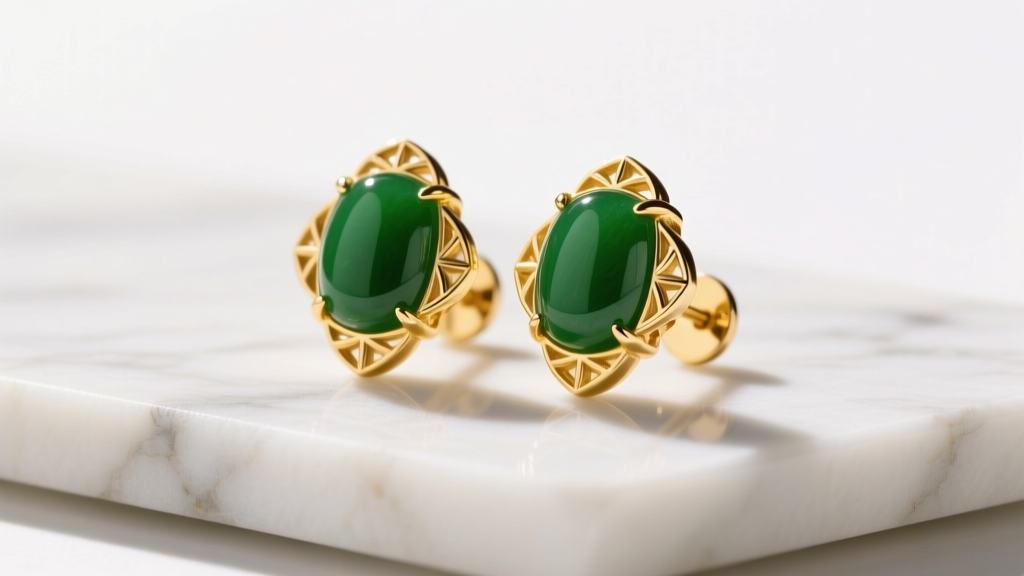
For a younger recipient celebrating a graduation or a major career promotion, Mid-Century Retro carved nephrite studs are an excellent choice. Pieces from the 1940s and 1950s often feature bold, three-dimensional floral or leaf carvings set in warm 14k or 18k yellow gold. These earrings offer a sophisticated, grounded aesthetic that transitions seamlessly from a corporate boardroom to evening wear, serving as a talisman for future success.
Lunar New Year and Cultural Celebrations
Jade is deeply revered in many East Asian cultures, symbolizing purity, moral integrity, and protection. Gifting Victorian-era or early 20th-century jade hoops or dangles for the Lunar New Year is a profound gesture. Seek out pieces featuring traditional motifs like the Pi Yao (mythical wealth beast) or the endless knot, ideally carved from spinach-green nephrite or lavender jadeite.
Era-Specific Sourcing and Market Pricing
Understanding the historical eras of vintage jewelry will help you navigate estate sales, auction houses like Sotheby's, and specialized online dealers. The table below outlines what to expect when shopping for vintage jade earrings in the current market.
| Era | Dominant Style & Jade Type | Typical Metal Pairing | 2026 Est. Market Price Range |
|---|---|---|---|
| Victorian (1837–1901) | Carved nephrite, mourning jewelry, cabochons | Yellow gold, pinchbeck, silver | $400 – $1,800 |
| Art Deco (1920–1939) | Geometric jadeite, calibré-cut, onyx accents | Platinum, 18k white gold | $2,500 – $12,000+ |
| Retro (1940–1950) | Bold floral carvings, chunky gold scrolls | 14k/18k rose and yellow gold | $800 – $3,500 |
| Mid-Century (1950–1970) | Textured nephrite, modernist abstract shapes | Sterling silver, mixed metals | $300 – $1,200 |
Authentication: Avoiding Fakes and Frankenstein Pieces
The vintage market is rife with "Frankenstein" jewelry—pieces where a modern, dyed stone has been set into an antique mounting, or where glass has been substituted for nephrite. When evaluating vintage jade earrings for a gift, employ these expert-level authentication techniques:
- The Thermal Conductivity Test: Genuine jade is remarkably dense and acts as a heat sink. When held against the skin or the tip of the tongue, real jade feels distinctly cold and takes several seconds to warm up. Glass and plastic imitations will warm almost instantly.
- The Chime Test: If the earrings feature jade bangles or thick carved drops, gently tapping them together (or with a metal coin) should produce a clear, resonant, bell-like chime. Polymer-impregnated (Type B) jade will emit a dull thud due to the disrupted internal crystal structure.
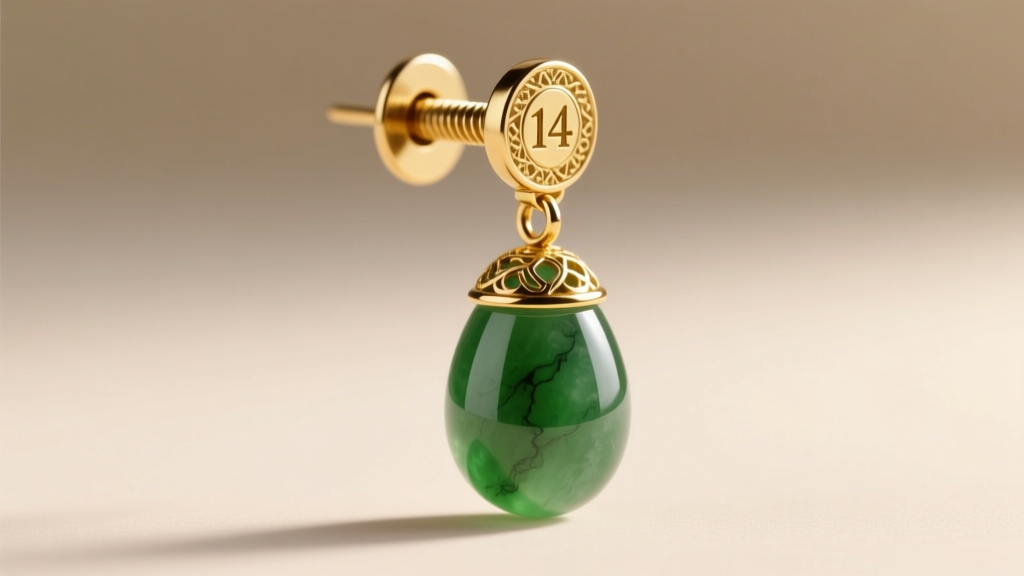
- Examine the Findings and Clasps: Authentic vintage earrings will feature period-correct hardware. Look for screw-backs (prevalent before the 1950s invention of the friction post), lever-backs, or early kidney wires. If a piece claims to be from the 1920s but features modern butterfly friction posts, it is either a reproduction or has been heavily altered, significantly diminishing its collectible value.
Care and Maintenance for Heirloom Jade
When gifting vintage jade, include a care guide to ensure the piece survives for another century. Jade is tough, but it is not invincible.
- Avoid Ultrasonic Cleaners: Never clean vintage jade in an ultrasonic machine. The high-frequency vibrations can fracture internal inclusions, and the heat can melt the wax or polymer coatings often used on older stones to enhance their luster.
- Chemical Sensitivity: Keep jade away from harsh perfumes, hairsprays, and chlorine. Clean the earrings using only a soft, lint-free cloth and lukewarm water with a drop of mild, phosphate-free dish soap.
- Storage Protocols: While jade is relatively hard, it can be easily scratched by diamonds or sapphires. Always gift the earrings in a silk-lined box or a soft pouch, stored separately from the rest of the recipient's jewelry collection.
Final Thoughts on Gifting Vintage Jade
Selecting vintage jade earrings is an exercise in appreciation—appreciation for the earth's geological marvels, for the artisans of bygone eras, and for the recipient of your gift. Whether you are securing a pair of icy Art Deco jadeite drops for an anniversary or unearthing warm, Mid-Century nephrite studs for a graduate, the key lies in prioritizing untreated stones, period-correct hardware, and historical provenance. In 2026, as consumers increasingly pivot toward sustainable, historically rich luxury, a pair of authentic vintage jade earrings remains one of the most meaningful and timeless gifts you can bestow.


