How to Clean and Maintain Your Everyday GOAT Earrings
Discover expert cleaning and maintenance tips for your GOAT (Greatest of All Time) everyday earrings, from solid gold hoops to titanium studs.

Defining Your GOAT Earrings: The Staples That Never Quit
In the modern jewelry lexicon, your "GOAT" (Greatest of All Time) earrings are the flawless, everyday staples you rarely take off. Think of your perfectly weighted 14k solid gold medium hoops, your implant-grade titanium labret studs, or your classic diamond solitaires. As we navigate the 2026 landscape of capsule wardrobes and "buy less, buy better" sustainability trends, these high-quality pieces are working harder than ever. However, wearing your GOAT earrings 24/7 exposes them to a relentless barrage of environmental and biological factors that can dull their brilliance and compromise their hardware.
Proper care and maintenance are not just about aesthetics; they are critical for ear health and the longevity of your investment. A high-quality pair of solid gold hoops might cost between $150 and $450, while custom diamond studs can easily exceed $1,000. Protecting that investment requires a strategic, material-specific approach to cleaning and maintenance.
The Science of Everyday Earring Buildup
Before diving into cleaning protocols, it is essential to understand what actually accumulates on your jewelry. The dull, grayish film that forms on earring posts and the backs of settings is a complex matrix of:
- Sebum and Keratin: Your skin naturally sheds dead cells (keratin) and produces oils (sebum). These bind together in the microscopic crevices of your jewelry.
- Cosmetic Residues: Hairsprays, dry shampoos, and heavy moisturizers create a waterproof barrier over gemstones, drastically reducing their light refraction.
- Hard Water Minerals: Calcium and magnesium from shower water calcify on metal surfaces, particularly around the hinges of hoop earrings and the prongs of stud settings.
- Soap Scum: Ironically, the body wash you use in the shower often leaves a filmy residue that traps dirt against the metal.
According to the Association of Professional Piercers (APP), allowing this biological buildup to persist on earring posts can disrupt the skin's microbiome, leading to localized contact dermatitis or irritation bumps, even if you are wearing high-quality, hypoallergenic metals.
Material-Specific Cleaning Protocols
Not all GOAT earrings are created equal. The cleaning method that will make your diamonds sparkle could easily destroy your opals. Here is how to handle the most common premium materials.
14k and 18k Solid Gold (The Indestructible Staples)
Solid gold is the undisputed champion of everyday wear. It does not tarnish, but it does accumulate oils that mask its luster.
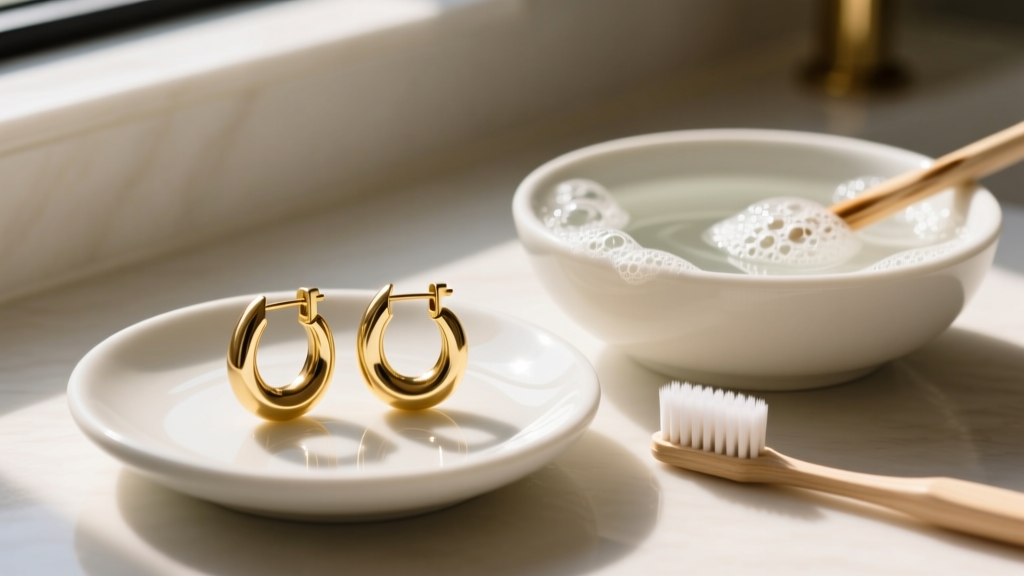
- The Soak: Mix a few drops of mild, phosphate-free dish soap (like Dawn) into a bowl of warm (not hot) water.
- The Agitation: Let the earrings soak for 15 to 20 minutes to loosen calcified hard water spots.
- The Scrub: Use a dedicated, extra-soft baby toothbrush to gently scrub the crevices, particularly the inside of hoop hinges and the backing of friction posts.
- The Rinse: Rinse thoroughly under lukewarm running water, ensuring the drain is plugged.
- The Dry: Pat dry with a lint-free microfiber cloth. Avoid paper towels, as their wood pulp fibers can cause micro-scratches on high-polish gold.
Implant-Grade Titanium (The Hypoallergenic Heroes)
If your GOAT earrings are cartilage staples, they are likely made of ASTM F136 implant-grade titanium. Titanium is incredibly durable and biocompatible, but the threading on the posts requires special attention.
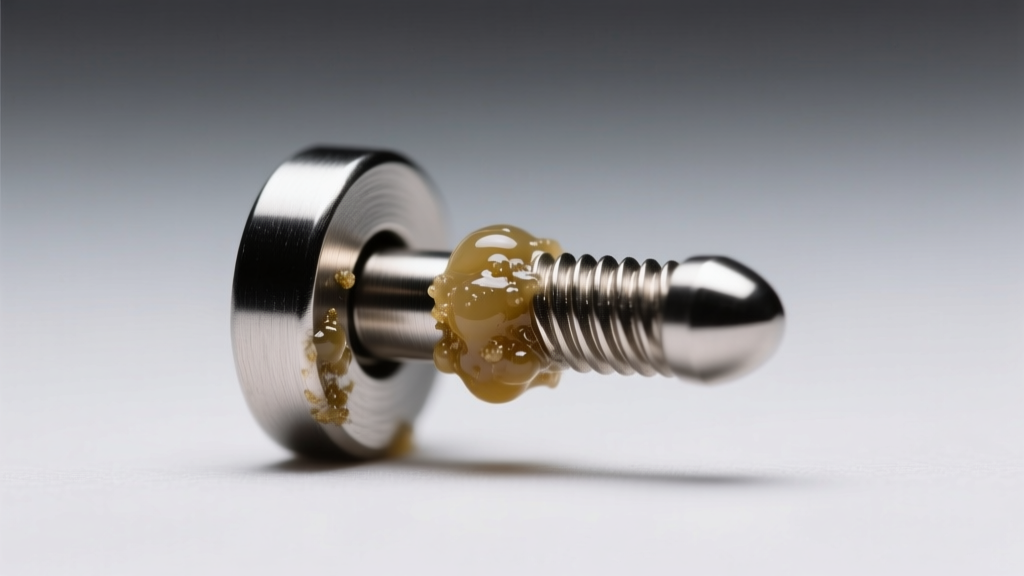
For titanium, a chemical approach often works better than a mechanical one. Submerge the titanium pieces in 70% isopropyl alcohol for 10 minutes. This not only dissolves sebum but also sanitizes the post, which is crucial for cartilage piercings that are prone to lingering sensitivity. Warning: If your titanium earrings feature acrylic inlays or delicate enamel work, skip the alcohol, as it will degrade the pigments and cause clouding.
Gemstone Accents: Diamonds vs. Porous Stones
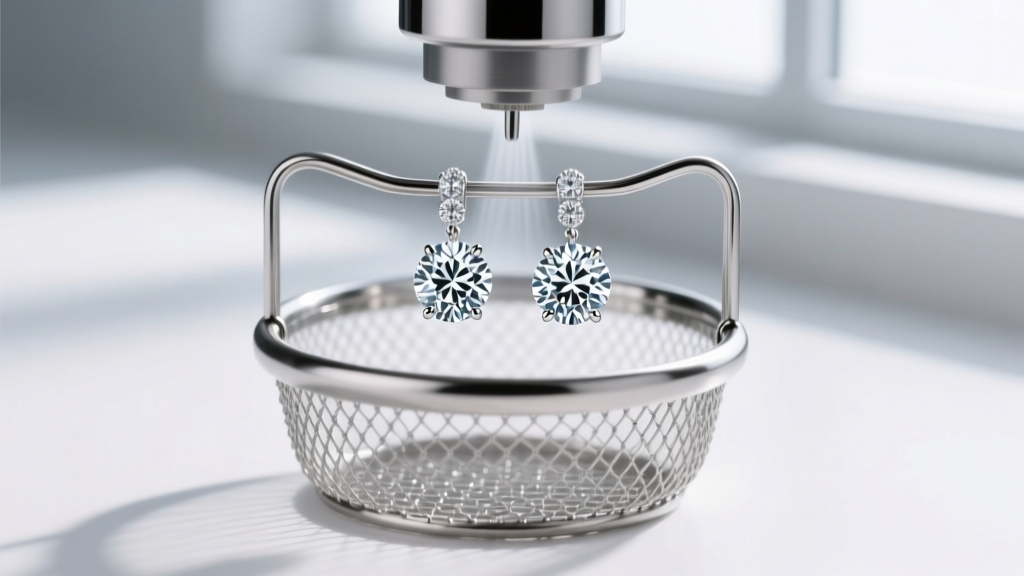
The Gemological Institute of America (GIA) emphasizes that gemstone care must be dictated by the stone's hardness and porosity. Diamonds (10 on the Mohs scale) and sapphires (9) can withstand ultrasonic cleaners. However, porous stones like emeralds, opals, and turquoise should never be placed in an ultrasonic machine. The 40kHz cavitation bubbles can easily fracture internal inclusions or strip the oils used to treat emeralds, leaving them dull and fractured.
"When in doubt, warm soapy water and a soft brush are the safest cleaning methods for almost all gemstones. Avoid harsh chemicals, ultrasonic cleaners, and steamers unless you are absolutely certain of the stone's durability and treatments." — GIA Gem Care Guidelines
The GOAT Earring Maintenance Matrix
To keep your everyday staples in pristine condition, implement this structured maintenance routine. Consistency is the key to preventing permanent hardware degradation.
| Frequency | Action Required | Tools Needed | Target Earring Types |
|---|---|---|---|
| Daily | Wipe down with a clean cloth after removing; check clutch backs for tightness. | Microfiber cloth | All everyday studs and hoops |
| Weekly | Deep soak and gentle brushing to remove sebum and cosmetic buildup. | Mild dish soap, baby toothbrush, warm water | Solid gold, platinum, diamonds, sapphires |
| Monthly | Sanitize posts and inspect hardware for structural wear or loose prongs. | 70% Isopropyl alcohol, jeweler's loupe (10x) | Titanium cartilage studs, prong-set gems |
| Annually | Professional ultrasonic cleaning, steam polishing, and prong tightening. | Professional jeweler services | High-value diamond solitaires, intricate hoops |
Troubleshooting Common Hardware Failures
Even the greatest earrings experience mechanical wear and tear. Here is how to troubleshoot the most common issues without damaging the metal.
Stuck Hinged Hoops
The hinge barrel on a hinged hoop earring is a magnet for calcified soap scum. If your hoop becomes difficult to open or close, do not force it, as you risk snapping the delicate wire. Instead, apply a single drop of mineral oil or olive oil directly to the hinge seam. Let it sit for an hour to penetrate the calcification, then gently work the hinge back and forth. Wipe away the excess oil with an alcohol pad.
Gunked-Up Friction Backs (Clutches)
The silicone or metal inserts inside butterfly friction backs trap dead skin and bacteria. Over time, this causes the clutch to lose its grip, leading to lost earrings. Use a wooden interdental pick (never a metal needle, which will scratch the interior) to scrape out the debris. If the metal clutch has lost its tension, use two pairs of flat-nose pliers to very gently squeeze the side loops closer together to restore the friction grip.
Cross-Threaded Cartilage Studs
Internally threaded titanium labrets are the gold standard for cartilage, but forcing the bead onto a dirty post can cross-thread the metal, ruining the earring. Always clean the threads with a soft brush before attaching the bead. If the bead feels resistant, back it off immediately and realign. A drop of sterile saline on the threads can act as a lubricant during insertion.
Storage and Nighttime Habits
While the ethos of a GOAT earring is that you "never take it off," giving your ears and your jewelry a break is vital. If you do remove them for sleeping or intense workouts, never toss them loosely into a drawer. Friction against other jewelry can cause micro-abrasions on gold and scratch softer gemstones.
Invest in a lined jewelry box with individual compartments, or use a dedicated silicone earring organizer. For travel, a hard-shell case with anti-tarnish strips will protect your pieces from the humid, sulfur-rich environments of hotel bathrooms and airplane cabins. By treating your GOAT earrings with the respect their craftsmanship demands, you ensure they remain the hardest-working, most brilliant pieces in your collection for decades to come.


