The Ultimate Pearl Earring Value Guide: Budget to Luxury in 2026
Discover how to evaluate pearl earring value in 2026. Compare Akoya, Freshwater, and South Sea prices, nacre grades, and hardware quality for smart buying.

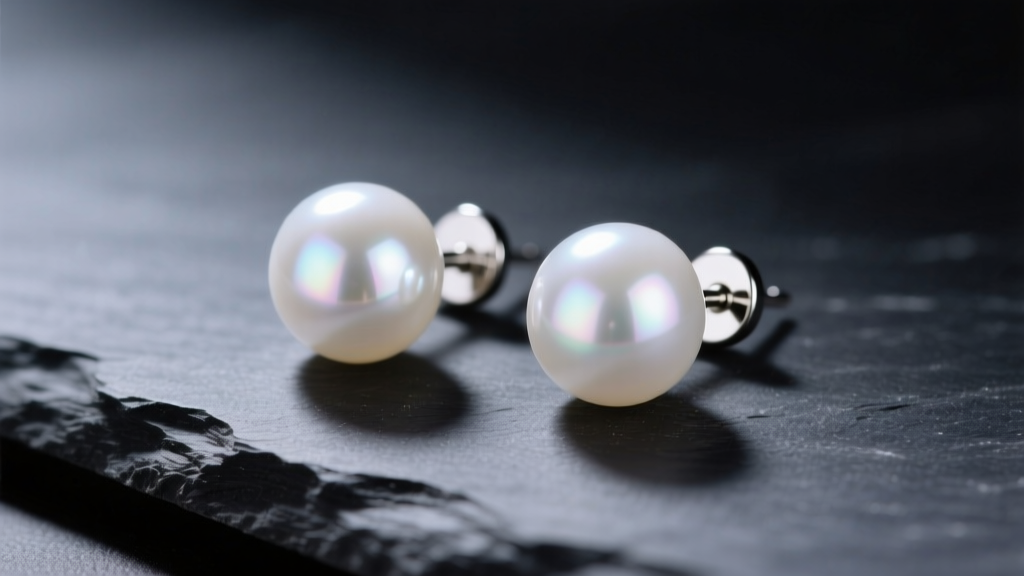
Navigating the market for a high-quality pearl earring can feel like walking through a minefield of inflated prices, misleading grading scales, and hidden treatments. As we move through 2026, shifting global supply chains and evolving cultivation techniques in China and Japan have dramatically altered the pricing landscape. What constituted a 'budget' purchase five years ago might now be overpriced, while new bead-nucleated freshwater varieties offer luxury-level luster at a fraction of traditional costs.
Whether you are hunting for everyday studs or investment-grade drops, understanding the true value of a pearl earring requires looking past the retailer's marketing gloss. This guide breaks down the exact metrics gemologists use to assess value, exposing where budget brands cut corners and where luxury brands charge unjustified premiums.
Decoding Pearl Earring Pricing: What Are You Actually Paying For?
Unlike diamonds, which have a universally recognized pricing matrix, pearls are evaluated using a more subjective set of criteria. According to GIA's Pearl Quality Factors, the seven primary value factors are size, shape, color, luster, surface quality, nacre quality, and matching. However, for the modern buyer assessing budget versus value, three factors dictate 80% of the price tag:
- Nacre Thickness: This is the single most critical durability metric. Nacre is the crystalline substance the oyster secretes around the nucleus. A pearl earring with thin nacre (under 0.3mm) will eventually peel, chip, or reveal the dull bead underneath. High-value pearls boast thick, well-formed nacre layers.
- Luster Quality: Luster refers to the sharpness and intensity of light reflecting off the pearl's surface. High-luster pearls have crisp, distinct reflections, while low-luster pearls appear chalky or milky.
- Nucleation Method: Bead-nucleated pearls (Akoya, Tahitian, South Sea, and Edison freshwater) generally command higher prices and achieve rounder shapes than traditional tissue-nucleated freshwater pearls.
Value Trap Warning: Many commercial retailers use proprietary, inflated grading scales (like 'AAAAA' or 'Gem Grade') that do not align with international gemological standards. Always demand specific millimeter measurements for nacre thickness when purchasing high-end pearl jewelry.
The 2026 Pearl Earring Value Matrix
To help you benchmark prices, we have compiled a comparative matrix based on current 2026 wholesale and retail data for a standard 7.5mm to 8mm matched pair of round stud earrings set in 14k gold.
| Pearl Type | Nucleation | Avg Nacre Thickness | 2026 Retail Price Range | Value Retention |
|---|---|---|---|---|
| Akoya (Japan) | Bead | 0.4mm - 0.8mm | $350 - $850 | High |
| Traditional Freshwater | Tissue | 100% Nacre | $40 - $120 | Low-Medium |
| Edison Freshwater | Bead | 2.0mm+ | $150 - $400 | Medium-High |
| Tahitian | Bead | 0.8mm+ (Legal Min) | $600 - $1,500 | High |
| White South Sea | Bead | 2.0mm - 4.0mm | $1,200 - $3,500+ | Very High |
Freshwater vs. Akoya: The Budget Buyer’s Dilemma
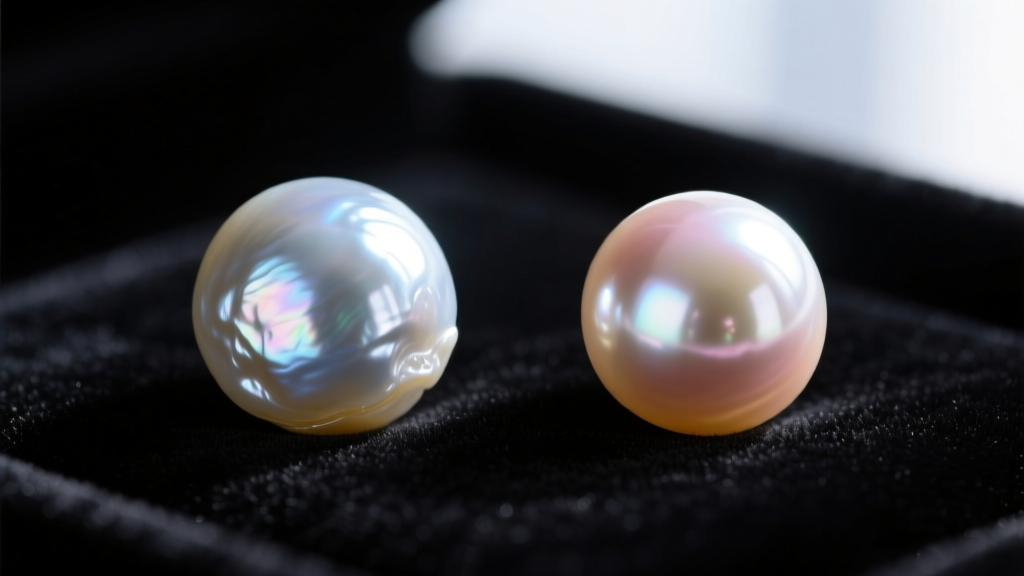
For decades, the Japanese Akoya pearl has been the gold standard for classic white stud earrings. Cultivated in cooler ocean waters, Akoya pearls develop their nacre slowly, resulting in a remarkably sharp, mirror-like luster. However, this meticulous process makes them expensive. A flawless 8mm Akoya earring pair from a legacy brand like Mikimoto can easily exceed $1,000.
The Rise of Edison Pearls
If your budget caps at $250, traditional tissue-nucleated freshwater pearls are the default option. While they consist of 100% solid nacre (meaning they will never 'peel'), they often exhibit a softer, more satiny luster and are rarely perfectly round. However, the 2026 market has been disrupted by Edison pearls. These are bead-nucleated freshwater pearls cultivated in China using techniques adapted from saltwater farming.
Edison pearls offer near-Akoya luster and perfect roundness at roughly 40% of the cost. When evaluating an Edison pearl earring, look for sharp light reflections and clean surfaces. While they lack the deep, complex rose overtones of premium Japanese Akoyas, they represent the highest price-to-value ratio in the current market for buyers wanting a large, round, white pearl on a strict budget.
Red Flags: Overpaying for Treated and Coated Pearls
One of the most common ways consumers overpay for a pearl earring is by unknowingly purchasing heavily treated stones. According to GIA's Pearl Description guidelines, treatments must be disclosed, but many fast-fashion and mid-tier jewelry brands obscure this information in fine print.
- Maeshori (Pre-Treatment): Almost all Akoya pearls undergo this mild heating and cooling process to tighten the nacre and enhance luster. This is an accepted industry standard and does not negatively impact value.
- Pinking / Dyeing: To mimic the highly prized 'rose overtone' of top-tier Akoyas, lower-grade pearls are often soaked in pink or red dyes. If a budget brand offers 'intense rose' pearls under $300, they are almost certainly dyed. Over time, these dyes can fade or bleed onto the skin.
- Irradiation: Used primarily on freshwater pearls to create dark, Tahitian-like colors (often resulting in a metallic blue-grey hue). Irradiated pearls are significantly cheaper than naturally dark Tahitian pearls. If you see a 'black pearl earring' selling for $150, it is an irradiated freshwater pearl, not a Tahitian.
Hardware and Settings: Where Budget Brands Cut Corners
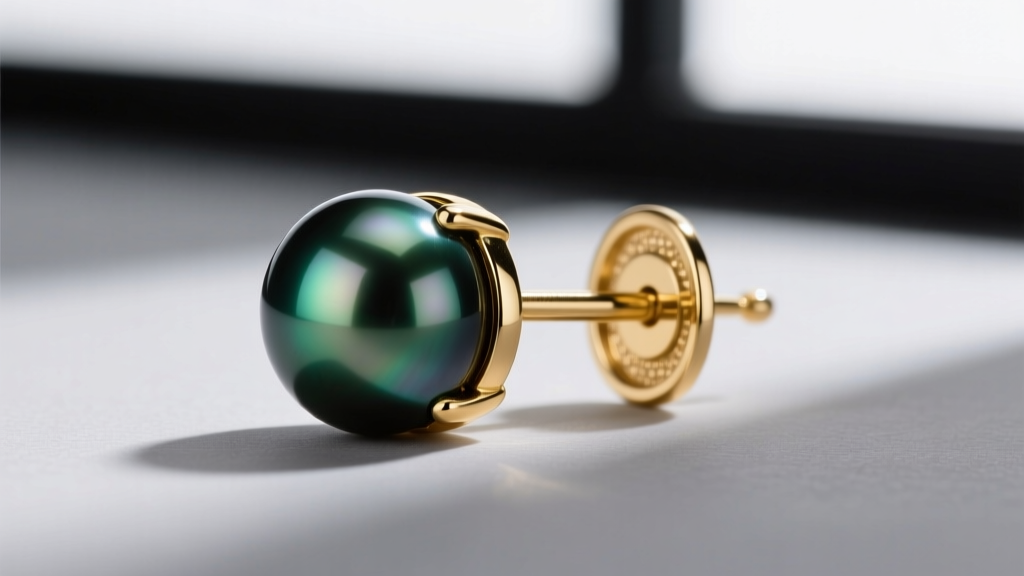
A pearl earring is only as valuable as the hardware securing it to your ear. When assessing value, buyers obsess over the pearl but ignore the metal, leading to lost earrings and allergic reactions. Here is how to evaluate the structural integrity of the setting:
Post Gauge and Metal Purity
Standard budget earrings often use 22-gauge (0.64mm) or thin 20-gauge (0.81mm) posts. These are prone to bending when pushed through the earlobe, which can warp the pearl's drill hole over time. High-value pearl earrings utilize 18-gauge (1.02mm) or even 16-gauge posts, providing structural rigidity. Furthermore, ensure the post is solid 14k or 18k gold, or platinum. Gold vermeil (gold plated over sterling silver) will eventually wear down, exposing the silver beneath, which can tarnish and cause contact dermatitis.
Backing Mechanisms
The traditional 'friction back' (butterfly clutch) is the cheapest option and the easiest to lose. If you are investing over $500 in a pearl earring, insist on La Pousette backs (which use a mechanical spring-locking system) or secure screw-backs. These mechanisms grip the post firmly and prevent the heavy pearl from drooping on the earlobe, ensuring the earring sits perfectly upright.
Final Verdict: Maximizing Your Pearl Earring Investment
To ensure you are getting genuine value in 2026, apply this quick decision framework before checking out:
- Budget under $150: Opt for high-grade Edison freshwater pearls. You will get excellent roundness and thick nacre without the Akoya premium.
- Budget $300 - $600: Target AA+ or AAA grade Japanese Akoya pearls from specialized online pearl retailers rather than mall jewelers, avoiding the 300% retail markup of brick-and-mortar legacy brands.
- Budget $1,000+: Demand X-ray evidence of nacre thickness if purchasing South Sea or Tahitian varieties, and ensure the hardware features 18-gauge posts with locking backs.
By prioritizing nacre integrity, verifying nucleation methods, and scrutinizing the hardware, you can confidently navigate the market and secure a pearl earring that offers both enduring beauty and genuine financial value.


