Simple Pearl Drop Earrings: A Budget & Value Guide
Discover how to evaluate simple pearl drop earrings across all budgets. Learn pearl grading, metal types, and construction tips for maximum value.

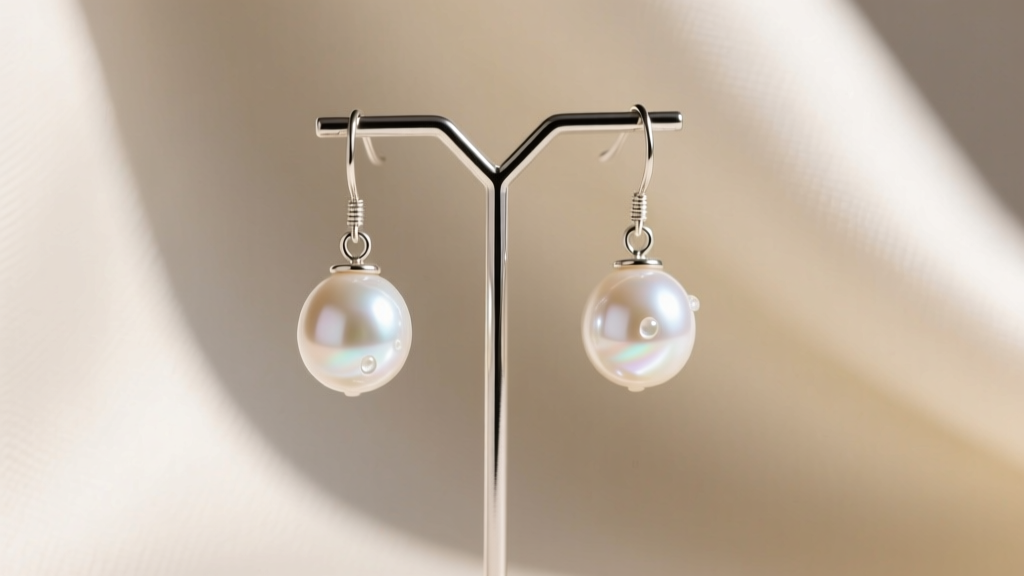
When it comes to building a versatile, timeless jewelry wardrobe, simple pearl drop earrings occupy a unique space. They bridge the gap between everyday minimalism and formal elegance, offering a soft, luminous focal point that flatters virtually every face shape. However, the market is saturated with options ranging from $15 to over $1,000, leaving many buyers confused about what actually dictates the price. As a jewelry appraiser and stylist, I frequently see consumers overpay for low-grade materials or miss out on exceptional value because they do not understand the nuances of pearl grading, metal purity, and structural integrity. This comprehensive budget and value assessment will teach you exactly how to evaluate simple pearl drop earrings in 2026, ensuring every dollar you spend translates into lasting beauty and wearability.
The Anatomy of Value: Decoding Pearl Types
The most significant cost driver in any pearl drop earring is the pearl itself. While the untrained eye might simply see a "white round bead," a gemologist sees a complex matrix of nacre thickness, luster quality, and nucleation methods. Understanding these variables is the first step in assessing true value.
Freshwater vs. Akoya: The Luster Debate
Historically, Akoya pearls (saltwater) were the undisputed champions of the classic round white pearl look. Known for their mirror-like luster and perfectly spherical shapes, Akoya pearls command premium prices, typically starting around $150 for a modest 6mm-7mm pair and scaling well past $600 for larger, gem-quality stones. Their sharp, reflective luster creates a crisp contrast against the skin, making them ideal for high-contrast, formal styling.
However, modern Chinese freshwater pearl farming has dramatically disrupted this hierarchy. Through advanced bead-nucleation techniques (often referred to as Edison pearls), top-tier freshwater pearls now achieve near-perfect rounds and exceptional luster that rival mid-grade Akoya pearls at a fraction of the cost. According to the Gemological Institute of America (GIA), luster is the most critical value factor for any pearl. A high-luster freshwater pearl with a thick nacre layer will outperform a dull, thin-nacre Akoya pearl every single time, despite the latter's saltwater origin.
The Shell Pearl Trap
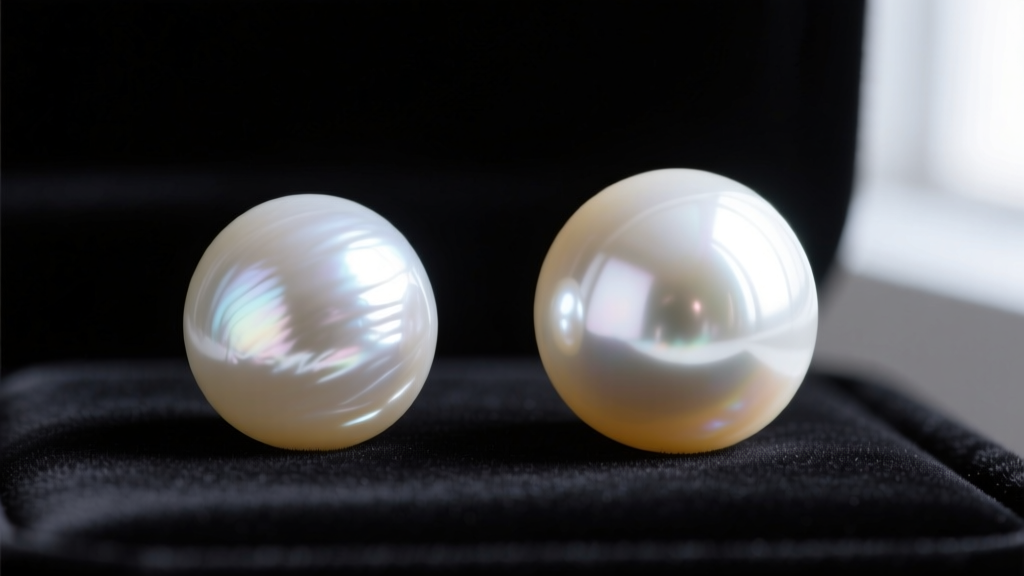
When shopping on a strict budget (under $30), you will inevitably encounter "shell pearls" or brands like Majorica. These are not actual pearls; they are glass or ground shell beads coated in a synthetic pearlescent lacquer. While they offer perfect uniformity and high durability against cosmetics, they possess zero intrinsic gemological value. From a budget assessment perspective, shell pearls are acceptable only as temporary fashion accessories. If you are seeking heirloom value or the deep, inner glow (orient) that only genuine nacre can provide, you must avoid synthetic coatings and insist on cultured freshwater or saltwater varieties.
Metal Bases: Where Budgets Often Fail
A common mistake buyers make when evaluating simple pearl drop earrings is focusing entirely on the pearl while ignoring the metal hardware. The metal base dictates the earring's longevity, hypoallergenic properties, and resistance to tarnish. In 2026, the market is flooded with deceptive plating terminology that obscures true material value.
Plated vs. Vermeil vs. Solid
Flash-plated brass or copper alloys (often labeled simply as "gold-plated") are the primary culprits behind jewelry turning your skin green or tarnishing within weeks. The gold layer on these pieces is typically less than 0.1 microns thick, meaning everyday friction will wear it away rapidly. For genuine value, you must look for Gold Vermeil or Solid Gold.
The Federal Trade Commission (FTC) mandates that for a piece to be legally marketed as "vermeil," it must feature a sterling silver (925) base coated with a minimum of 2.5 microns of gold that is at least 10k in fineness. Always verify the micron thickness with the retailer.
For buyers with sensitive skin or nickel allergies, solid 14k or 18k gold is the only foolproof option. While the upfront cost is higher, the cost-per-wear over a lifetime makes solid gold the ultimate value proposition for everyday earrings.
| Metal Type | Base Material | Gold Thickness | Expected Lifespan | Value Rating |
|---|---|---|---|---|
| Flash Plated | Brass/Copper | < 0.1 microns | 1 - 6 months | Poor |
| Gold Vermeil | 925 Sterling Silver | 2.5 - 5.0 microns | 1 - 5 years | Good |
| Solid 14k Gold | Gold Alloy | Solid | Lifetime / Heirloom | Excellent |
| Platinum | Platinum Alloy | Solid | Lifetime / Heirloom | Premium |
Construction Red Flags: Glue vs. Wire-Wrapping
The structural engineering of simple pearl drop earrings is a hidden indicator of quality. Because pearls are delicate organic gems, they cannot be subjected to the high heat of traditional soldering or the pressure of tight prong settings. This creates a vulnerability in how the pearl attaches to the metal drop mechanism.
The Epoxy Glue Failure Mode
In budget-friendly pearl drops (typically under $50), the pearl is often mounted on a metal peg and secured with industrial epoxy glue. While modern jewelers' epoxies are strong, they are highly susceptible to degradation from heat, humidity, and prolonged exposure to oils and cosmetics. A common failure mode occurs when the wearer takes a hot shower or leaves the earrings on a sunny dashboard; the glue softens, and the pearl spins on the peg or detaches entirely. If you purchase glued drops, you must commit to strict "put them on last, take them off first" maintenance.
Wire-Wrapping and Linked Settings
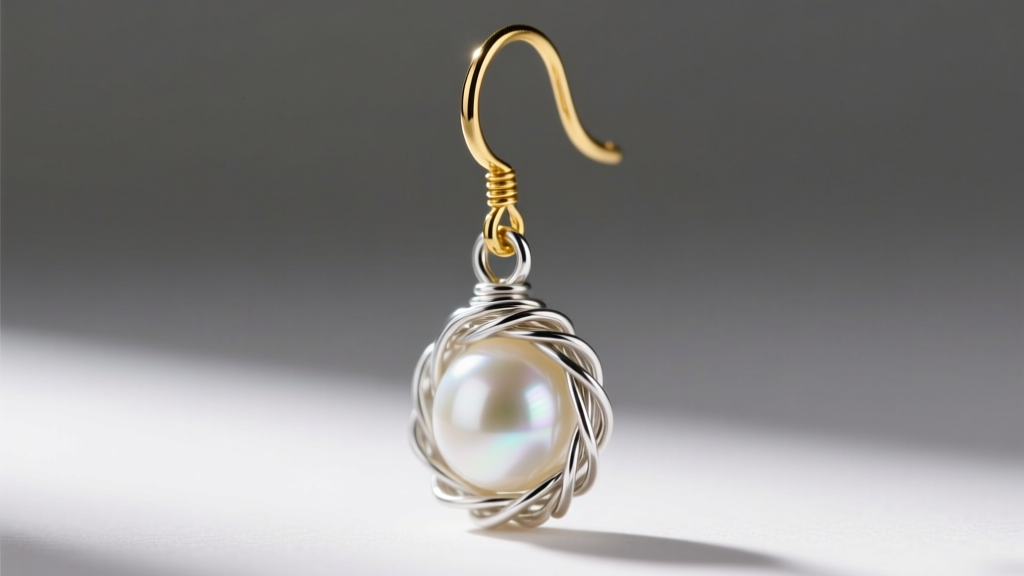
High-value simple pearl drop earrings utilize mechanical connections rather than chemical ones. In these designs, the pearl is drilled completely through (a full-drill), and a piece of wire is passed through the center, then expertly wire-wrapped or secured with a hidden flush pin to connect to the shepherd hook or leverback. Alternatively, the pearl may be set in a secure bezel or cup that is mechanically linked to the drop chain via a soldered jump ring. These mechanical connections will not fail when exposed to moisture, making them vastly superior for long-term value and daily wear.
The 2026 Value Tier Breakdown
To help you navigate the market, here is a practical decision framework based on current pricing and material standards. Use this tier list to ensure you are getting a fair exchange of value for your budget.
- Tier 1: The Fashion Budget ($15 - $45)
At this price point, expect 925 sterling silver hardware and commercial-grade freshwater pearls (often slightly baroque or off-round with visible surface blemishes). The pearls will likely be glued to a peg. Value Verdict: Excellent for trendy, seasonal wear, but do not expect heirloom longevity. - Tier 2: The Sweet Spot ($60 - $150)
This is where the best budget-to-value ratio exists. You should expect heavy gold vermeil (3+ microns over sterling silver) or solid 10k/14k gold ear wires. The pearls should be AAA-grade freshwater, near-perfectly round with high luster and clean surfaces. Look for mechanical wire-wrapping or high-quality jeweler's epoxy. Value Verdict: The optimal choice for daily wearers who want luxury aesthetics without the solid gold premium. - Tier 3: The Investment Tier ($200 - $600+)
Here, you are paying for saltwater Akoya pearls with mirror luster, set in solid 14k or 18k gold with precision mechanical linkages. The overtone (the secondary color seen over the pearl's body color, such as rosé or silver) will be distinct and vibrant. Value Verdict: Necessary for formal events, bridal wear, or buyers who demand flawless spherical geometry and lifetime metal durability.
Final Verdict: Maximizing Your Investment
Evaluating simple pearl drop earrings requires looking past the initial visual appeal and scrutinizing the material data. If your budget is constrained, prioritize high-luster freshwater pearls over mediocre Akoya, and always demand a sterling silver or heavy vermeil base to protect your skin and your investment. By understanding the critical differences between glue-based pegs and wire-wrapped mechanical links, you can easily filter out poorly constructed pieces that will fail within months. Ultimately, true value in pearl jewelry is not about finding the cheapest option; it is about aligning the gemological quality, metal integrity, and structural engineering with your specific lifestyle and budget constraints.


