Best Frog Earrings: Material Guide for Silver, Gold & Enamel
Discover the best materials for frog earrings. We compare sterling silver, enamel, and solid gold for durability, weight, and hypoallergenic safety.

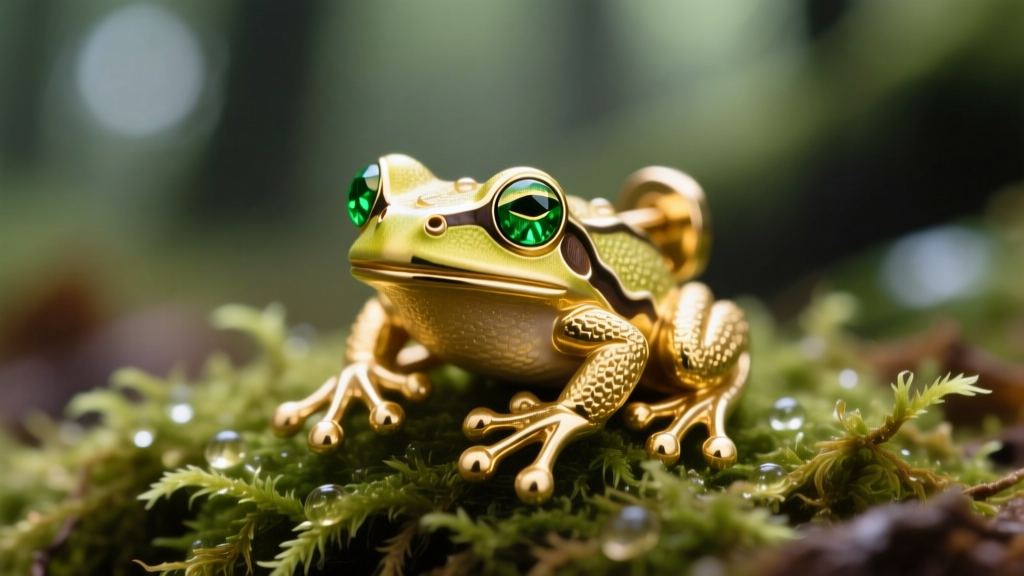
The Anatomy of Frog Earrings: Why Material Dictates Design
Nature-inspired jewelry has seen a massive resurgence, and frog earrings are at the absolute forefront of this amphibian aesthetic trend. However, designing and wearing a frog motif presents unique metallurgical challenges. Unlike a simple geometric disc or a smooth hoop, a realistic 3D frog earring features deep undercuts, intricate toe pads, and textured skin. These complex geometries require specific casting methods and material properties to ensure the piece is durable, lightweight, and safe for sensitive earlobes.
When shopping for frog earrings, the material dictates not only the price but the earring's weight, its susceptibility to tarnish in deep crevices, and its structural integrity. A poorly chosen material can lead to bent posts, shattered enamel, or severe contact dermatitis. In this comprehensive guide, we break down the exact material properties you need to consider before adding a new amphibian friend to your jewelry collection.
Material Breakdown: Pros, Cons, and Failure Modes
Sterling Silver (925): The Textured Standard
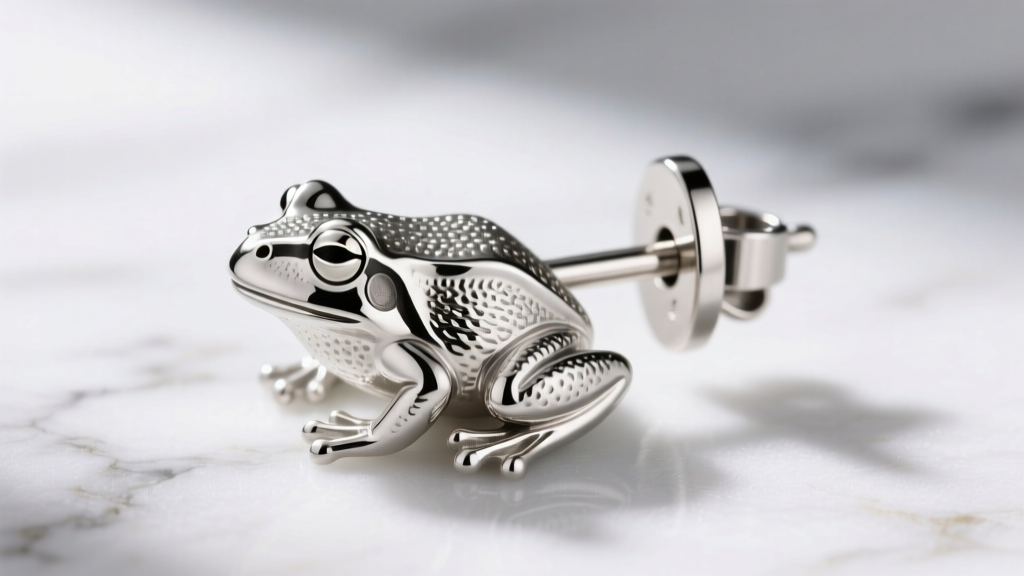
Sterling silver is the most common material for 3D frog studs and dangles. Composed of 92.5% pure silver and 7.5% copper, the copper adds the necessary hardness to capture the fine details of a tree frog's suction-cup toes via lost-wax casting. According to the Silver Institute, the copper alloying is what makes silver workable for intricate jewelry, but it also introduces a major failure mode: tarnish.
In a textured frog earring, sulfur in the air reacts with the copper to form silver sulfide (tarnish), which aggressively pools in the deep crevices of the frog's skin and under its chin. While some collectors appreciate this dark patina for highlighting the 3D details, others find it unhygienic. To combat this, high-end silver frog earrings are often flash-plated with rhodium, creating a bright, tarnish-resistant barrier. When buying sterling silver frog studs, always look for a '925' stamp and verify if the piece is rhodium-plated to minimize maintenance.
Enamel Over Brass or Copper: Color vs. Durability
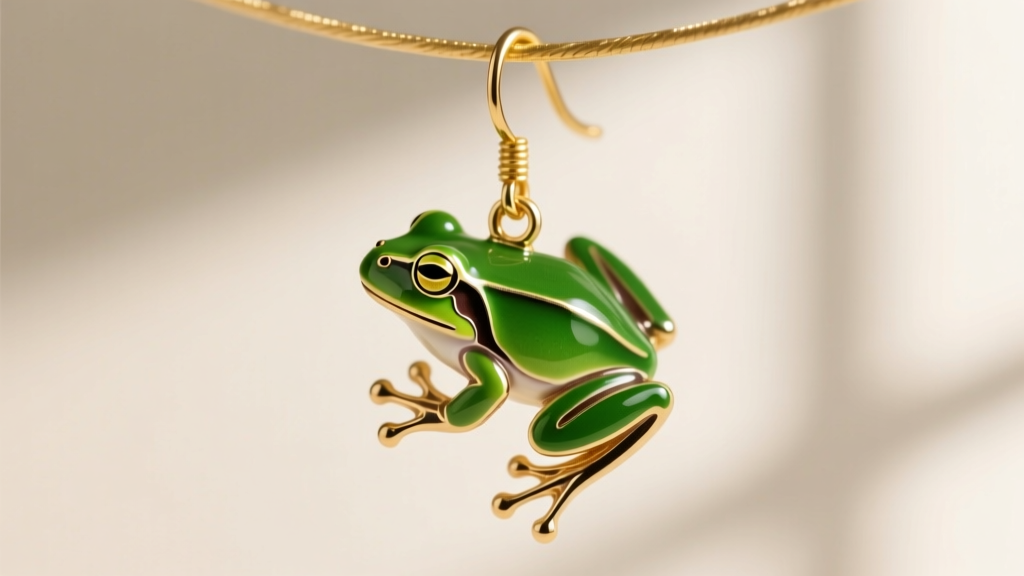
For those who want vibrant, realistic greens, yellows, or poison-dart-frog patterns, enamel is the go-to choice. However, not all enamel is created equal. Cheap mass-market frog earrings use 'cold enamel' (an epoxy resin) poured into stamped brass molds. This resin yellows over time and scratches easily. Premium jewelers use vitreous enamel, which is powdered glass fused to a copper or silver base at temperatures exceeding 1400°F.
While vitreous enamel offers unparalleled color depth and a glass-like shine, it is inherently brittle. A 3D enamel frog dangle earring dropped onto a hard tile floor will likely suffer from 'spalling,' where the glass coating chips or shatters away from the metal base. Furthermore, if the base metal is brass and the gold or silver plating wears off the ear wire, the copper and zinc can react with your skin's acidity, leaving a green stain on your earlobe.
Solid Gold (14k/18k): The Heirloom Amphibian
Solid gold is the ultimate choice for heirloom-quality frog earrings. However, pure 24k gold is far too soft (measuring around 25 on the Vickers hardness scale) to hold the microscopic details of a frog's eye ridges or toe pads without deforming. The Gemological Institute of America (GIA) notes that alloying gold with metals like copper, silver, and zinc increases its durability. 14k gold (58.5% pure gold) sits at a Vickers hardness of roughly 130-160 HV, making it the absolute sweet spot for highly detailed, 3D cast frog motifs. It resists bending, holds sharp edges, and will never tarnish or turn your skin green. The primary drawback is the density; gold is heavy, which brings us to the critical issue of earring weight.
Implant-Grade Titanium: For Sensitive Lobes and Cartilage
If you suffer from severe nickel allergies, ASTM F136 implant-grade titanium is the safest option. Titanium is completely biocompatible and hypoallergenic. However, titanium has an extremely high melting point and is notoriously difficult to cast into intricate 3D shapes using traditional jewelry lost-wax methods. Therefore, titanium frog earrings are almost exclusively 2D silhouettes, either CNC-machined, laser-cut, or stamped. While you won't find a hyper-realistic 3D titanium frog, you will find sleek, modern, geometric frog outlines perfect for cartilage piercings and sensitive lobes.
Weight, Gauge, and the 'Earring Droop' Phenomenon
The most overlooked factor when buying novelty animal earrings is the weight-to-gauge ratio. A solid cast, 15mm 3D sterling silver frog can easily weigh between 6 and 9 grams. If this heavy frog is attached to a standard, spindly 20-gauge (0.81mm) post, gravity will take over. The post will bend under the weight, causing the frog to face downward or sideways—a frustrating issue known as 'earring droop.'
To solve this, reputable jewelry designers utilize specific engineering techniques:
- Upgraded Post Gauges: High-quality 3D frog studs should feature an 18-gauge (1.02mm) or even a 16-gauge (1.29mm) post to provide the structural rigidity needed to hold the frog upright.
- Electroforming (Hollow Casting): Advanced manufacturers use electroforming to create a hollow shell of silver or gold over a wax mold. This results in a massive, highly detailed 3D frog that is 70% lighter than a solid cast piece, completely eliminating earring droop while maintaining the visual impact.
- Counterbalanced Dangles: For frog drop earrings, the ear wire must be properly shaped and reinforced to handle the swinging pendulum weight without warping the piercing hole over time.
Material Comparison Chart
| Material | Density (g/cm³) | Hardness (HV) | Price Range | Best Frog Style |
|---|---|---|---|---|
| Sterling Silver (925) | 10.36 | 60-75 | $30 - $90 | Textured 3D Studs |
| 14k Solid Gold | 13.50 | 130-160 | $150 - $450+ | Heirloom Dangles & Rings |
| Vitreous Enamel/Brass | 8.40 (Base) | N/A (Glass) | $25 - $75 | Colorful Poison Dart Frogs |
| Implant-Grade Titanium | 4.43 | 334 | $20 - $60 | 2D Cartilage Studs & Cuffs |
Care and Maintenance: Preventing Patina and Enamel Chips
Maintaining frog earrings requires an understanding of their specific material vulnerabilities. Because 3D frogs have textured backs and underbellies, they trap sweat, sebum, and hair products much faster than flat jewelry.
- For Sterling Silver: Avoid using harsh liquid silver dips, which can strip away intentional antiquing used to highlight the frog's skin texture. Instead, use a soft-bristled toothbrush with a mild dish soap solution to gently clean the crevices, followed by a thorough drying with a microfiber cloth to prevent water spots.
- For Enamel: Vitreous enamel is essentially glass. Never store enamel frog dangles loosely in a jewelry box where they can collide with harder gemstones or metal pieces. Store them in individual soft pouches. If the enamel chips, do not attempt to fill it with clear nail polish, as the chemicals can degrade the surrounding glass matrix; take it to a professional enamelist for repair.
- For Gold and Titanium: These are incredibly low maintenance. A simple soak in warm, soapy water and a gentle brush will keep the frog's eyes (often set with emeralds, tsavorites, or peridots) sparkling and the metal pristine.
Final Verdict: Choosing Your Perfect Amphibian
The 'best' material for your frog earrings depends entirely on your lifestyle, budget, and piercing sensitivity. If you want a highly detailed, realistic 3D tree frog for everyday lobe wear, rhodium-plated sterling silver offers the best balance of intricate detail and affordability, provided you upgrade to an 18-gauge post to prevent drooping. If you are drawn to vibrant, artistic colors and don't mind handling your jewelry with extreme care, vitreous enamel over a precious metal base is unmatched in visual pop. Finally, if you view your jewelry as a lifelong investment or suffer from metal allergies, a 14k solid gold or implant-grade titanium piece will ensure your amphibian companion stays safe, secure, and beautifully intact for decades to come.


