Burberry Earrings: Material Grades, Sizing & Authenticity Guide
Explore the technical details of Burberry earrings, including metal plating grades, post gauges, enamel care, and a strict authentication framework.

The Metallurgy and Casting of Burberry Earrings
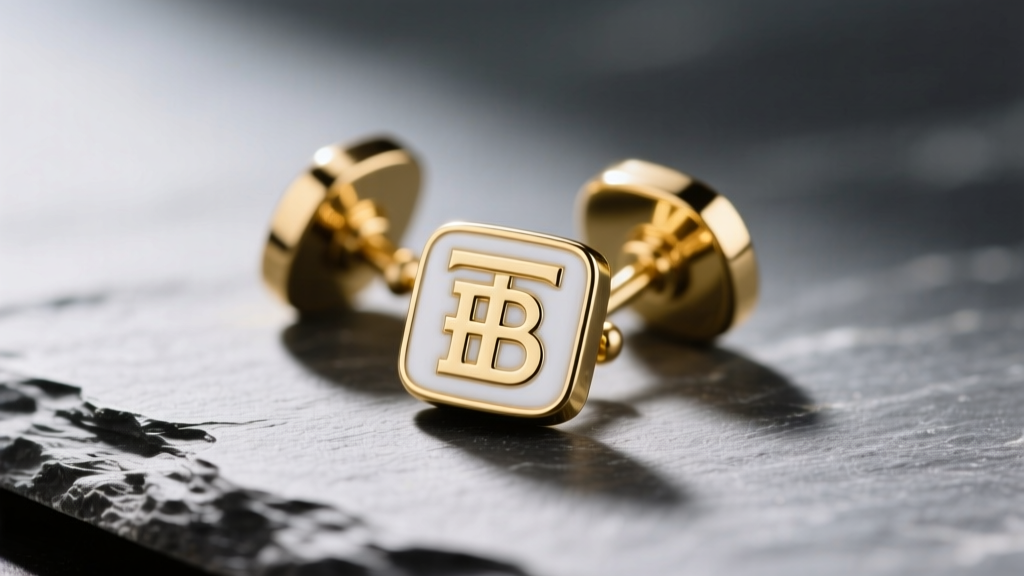
When conducting a technical analysis of luxury fashion jewelry, Burberry earrings present a fascinating study in modern metallurgy and brand evolution. Under the creative direction that has pushed the brand into the 2026 landscape, the jewelry line has transitioned heavily toward the Thomas Burberry (TB) monogram, the Equestrian Knight Design (EKD), and the Tudor Rose motifs. To achieve the intricate, interlocking geometries of the TB monogram or the detailed crest of the EKD, Burberry primarily utilizes a high-grade brass base alloy. Brass, an alloy of copper and zinc (typically CuZn39Pb3 in jewelry applications), is favored for its exceptional malleability and low melting point, allowing for high-fidelity lost-wax casting that captures microscopic design details.
Following the casting and polishing phases, the brass base undergoes electroplating. Burberry's gold-tone pieces generally feature an 18k gold plating, while the silver-tone pieces utilize a palladium or rhodium finish. In the realm of luxury fashion jewelry, this plating typically ranges from 0.5 to 2.0 microns in thickness. While this provides a brilliant, authentic luster, it is crucial for collectors to understand that this is a surface treatment. Over time, friction, exposure to sebum, and contact with cosmetic chemicals can degrade the micron layer, leading to oxidation of the underlying brass. This makes proper storage and handling not just a matter of aesthetics, but of structural preservation.
Gauge Sizing, Post Construction, and Sensitivities
A frequent point of inquiry among buyers with sensitive piercings is the exact gauge and material composition of the earring posts. The vast majority of Burberry stud earrings are engineered with a 20-gauge (0.81mm) post. This is the universal industry standard for standard lobe piercings, ensuring compatibility with the majority of healed earlobes without causing stretching or discomfort.
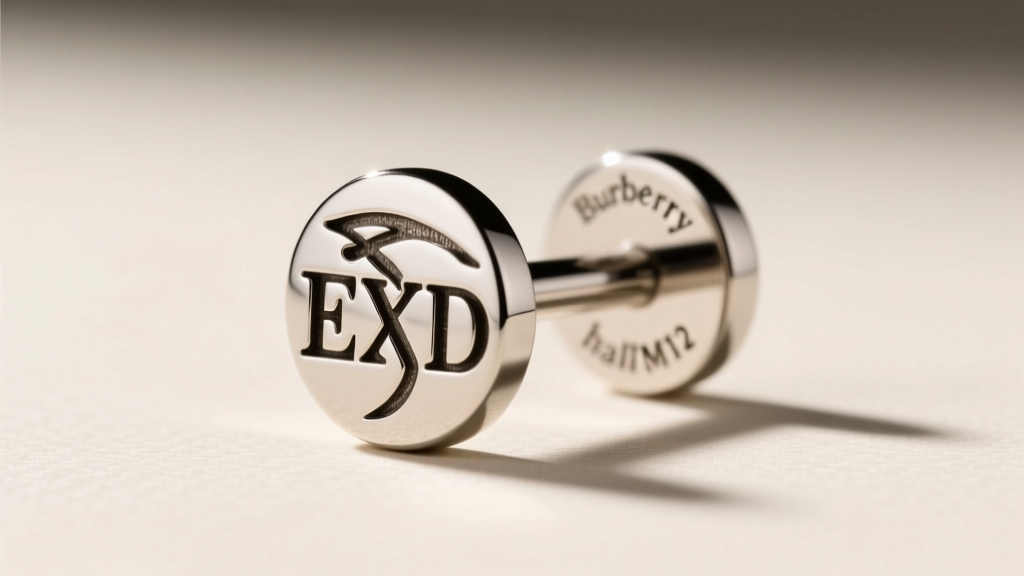
While the decorative face of the earring is plated brass, the post and the accompanying butterfly friction back are almost universally crafted from surgical stainless steel or sterling silver. This material bifurcation is a deliberate engineering choice to comply with strict international dermatological standards, such as the EU REACH regulation. This regulation limits nickel migration to less than 0.2 micrograms per square centimeter per week. By utilizing hypoallergenic steel for the component that actually penetrates the skin, Burberry ensures that wearers with contact dermatitis can safely enjoy their designs. However, it is worth noting that the friction backs rely on a precise tension fit; if the back is repeatedly forced onto the post at an angle, the internal steel clutch can loosen, necessitating replacement to prevent the loss of the earring.
Hoop Mechanics and Hinge Failure Modes
Moving beyond studs, Burberry's huggies and medium-sized hoops introduce complex mechanical components. The brand frequently employs a click-top hinge with a snap closure for their huggie earrings. The engineering tolerance required for this clasp is incredibly tight. The male pin must seat perfectly into the female catch with an audible 'click.' A common failure mode in both heavily worn authentic pieces and poorly manufactured counterfeits is the lateral shifting of the hinge pin. When the hinge pin experiences micro-abrasions from daily wear, the clasp loses its tension, resulting in a failure to snap shut securely. If you are purchasing vintage or pre-owned Burberry hoops, always test the clasp tension; a genuine piece in good condition should require a deliberate, firm pinch to open.
Authentication Framework: Spotting Counterfeit TB and EKD Motifs
The secondary market for luxury goods has seen an influx of high-tier counterfeits. Authenticating Burberry earrings requires looking past the obvious logos and examining the physical properties of the materials and the precision of the manufacturing. Counterfeiters often struggle to replicate the specific gravity of solid brass and the chemical consistency of cold enamel applications.
Weight and Material Density
A genuine Burberry TB monogram stud earring typically weighs between 4.5 and 6.2 grams per piece, depending on the exact season's mold and the presence of crystal inlays. Fakes frequently utilize cheaper zinc alloys or hollow-cast pot metal to save on material costs. This results in a noticeably lighter feel, often weighing under 3.5 grams. The thermal conductivity is also a tell; genuine brass holds a distinct, heavy coolness to the touch that cheap alloys fail to replicate.
Enamel Application and Hallmarks
Burberry utilizes cold enamel (a high-grade epoxy resin) for its opaque color fills, such as the signature knight blue or stark white. This allows for vibrant, glass-like finishes without the extreme heat of vitreous enamel that could damage crystal settings. Authentic enamel is perfectly flush with the metal borders, exhibiting a high-gloss finish with zero bleeding over the brass edges. The hallmark stamping is equally critical. The 'BURBERRY' stamp on the back of a stud or the interior of a hoop uses a highly specific, custom sans-serif font with precise kerning. Counterfeits often feature shallow, blurred stamps, or utilize standard commercial fonts where the spacing between the 'R's and 'E's is disproportionately wide.
| Technical Feature | Authentic Burberry Earrings | Counterfeit Indicator |
|---|---|---|
| Base Metal Weight | 4.5g - 6.2g (Solid Brass Alloy) | Under 3.5g (Zinc Alloy or Hollow Cast) |
| Enamel Finish | Flush, high-gloss, zero edge bleed | Recessed, bubbled, matte, or bleeds over metal |
| Hallmark Stamp | Deep, crisp, custom sans-serif kerning | Shallow, blurred, or incorrect commercial font |
| Post Material | Surgical Steel / Sterling Silver (Non-magnetic) | Cheap alloy, magnetic, bends under light pressure |
For those navigating the resale market, consulting authoritative authentication resources is vital. Platforms like The RealReal Authentication Guide emphasize the importance of examining these micro-details, as high-tier fakes often replicate the packaging perfectly but fail on the metallurgical execution.
Styling by Face Shape: Technical Proportions
Beyond the hardware, the architectural design of Burberry earrings interacts directly with facial geometry. Understanding these proportions is key to styling the pieces effectively. For individuals with round or wide face shapes, the elongated drop of the TB crystal dangle earrings creates a necessary vertical line that visually lengthens the jawline. Conversely, those with sharp, square jawlines benefit from the curved, organic lines of the Burberry Rose hoop earrings or the circular EKD medallion studs, which soften angular features through geometric contrast.
Care Protocols to Prevent Oxidation and Enamel Degradation
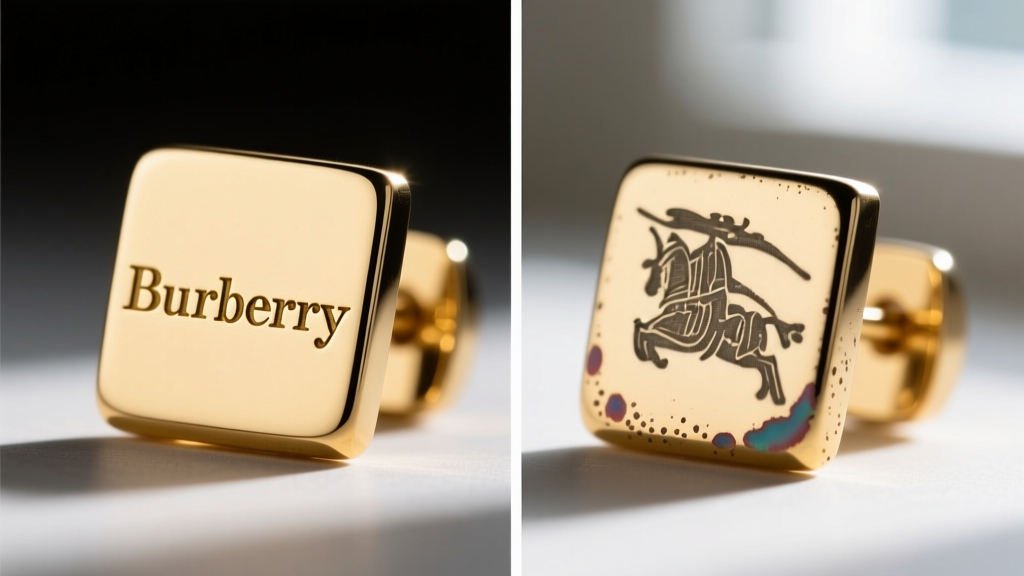
Preserving the structural and aesthetic integrity of Burberry earrings requires a strict maintenance protocol. Because the gold-tone and palladium-tone platings are measured in microns, abrasive cleaning methods are strictly prohibited. Ultrasonic jewelry cleaners, which use high-frequency sound waves to cavitate dirt, can easily shatter cold enamel inlays and strip the micron plating from the brass base.
Instead, the official Burberry Product Care guidelines recommend a much gentler approach. Use a microfiber cloth lightly dampened with a solution of warm water and pH-neutral dish soap to gently wipe the metal surfaces. For crystal-inlaid pieces, avoid getting the soap solution into the prong settings, as residue can dull the refractive index of the stones. Furthermore, according to the Gemological Institute of America (GIA), keeping jewelry away from harsh chemicals found in perfumes, hairsprays, and chlorine is paramount to preventing accelerated galvanic corrosion of the base metals. Always store your earrings in their original anti-tarnish pouches in a low-humidity environment to ensure the brass base remains completely sealed from atmospheric oxygen.
Conclusion
Burberry earrings represent a sophisticated intersection of heritage branding and modern fashion jewelry engineering. By understanding the specific brass alloys, the precise 20-gauge surgical steel posts, the mechanical tolerances of the huggie hinges, and the strict authentication markers of weight and enamel application, collectors and enthusiasts can confidently navigate both retail and secondary markets. Treating these pieces not merely as accessories, but as precision-crafted objects requiring specific care protocols, ensures that the intricate TB and EKD motifs will retain their structural integrity and visual brilliance for years to come.


