Butterfly Earrings Silver: Metal Grades & Properties
Compare sterling, argentium, and plated silver for butterfly earrings. Discover metal grades, tarnish rates, and hypoallergenic properties.

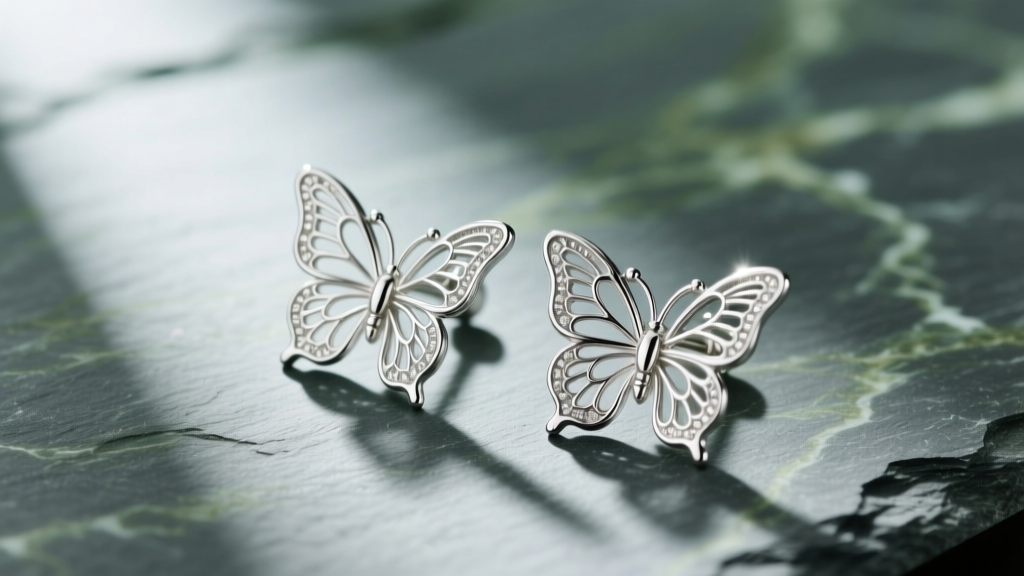
The Allure of Silver Lepidoptera: Why Metal Grade Matters
When shopping for butterfly earrings silver options, the aesthetic appeal of delicate wings often overshadows the metallurgical reality of the piece. Butterfly motifs demand intricate detailing—think microscopic filigree veins, cast wing textures, and fragile antennae. The metal alloy chosen by the jeweler dictates not only the price but the structural longevity, tarnish resistance, and biocompatibility of the earrings against your skin.
As we navigate the jewelry market in 2026, consumers are increasingly moving away from mystery metals and demanding transparency in alloy compositions. According to the Gemological Institute of America (GIA), silver used in jewelry is rarely pure due to its inherent softness. Understanding the specific grades of silver used in lepidoptera-inspired designs is crucial for making an informed, long-lasting purchase.
Decoding the Alloys: Types of Silver Used in Butterfly Designs
Not all silver is created equal. The term "silver" is frequently misused in fast-fashion jewelry marketing. Here is a deep dive into the actual metallurgical grades you will encounter.
Sterling Silver (925): The Industry Standard
Sterling silver is an alloy consisting of 92.5% pure silver and 7.5% other metals, almost exclusively copper. The copper provides the necessary tensile strength to hold the shape of a butterfly's expansive wings without bending under minor pressure. However, copper is highly reactive to sulfur and moisture in the air, which is why sterling silver butterfly earrings will inevitably develop a dark patina (tarnish) over time, particularly in the deep crevices of cast wing veins.
Argentium Silver (935/960): The Tarnish-Resistant Upgrade
Argentium silver replaces a portion of the copper with the metalloid germanium. This creates a protective, transparent layer of germanium oxide on the surface. For butterfly dangle earrings that swing through the air and are exposed to humidity and skin oils, Argentium offers vastly superior tarnish resistance. It is also highly malleable, allowing jewelers to execute complex granulation techniques on the butterfly's thorax without the risk of firescale during soldering.
Fine Silver (999): Pure but Delicate
Fine silver is 99.9% pure. While it is entirely hypoallergenic and highly resistant to tarnish, it is far too soft for the structural demands of most butterfly earring designs. If a jeweler uses fine silver for thin, protruding wing tips or delicate antennae, those elements will warp or snap if accidentally caught on hair or clothing. Fine silver is best reserved for heavy, solid-cast beetle or butterfly bezels rather than intricate wirework.
Silver-Plated & "Tibetan Silver": The Hidden Risks
Silver-plated earrings feature a microscopic layer of silver over a base metal core, usually brass or copper. Once the plating wears away at high-friction points (like the ear wire loop), the base metal is exposed. More alarmingly, "Tibetan Silver" is a historical misnomer; it contains zero actual silver. It is typically an alloy of zinc, copper, and often nickel. The Mayo Clinic warns that nickel is a leading cause of allergic contact dermatitis, making these alloys a severe risk for sensitive earlobes and cartilage piercings.
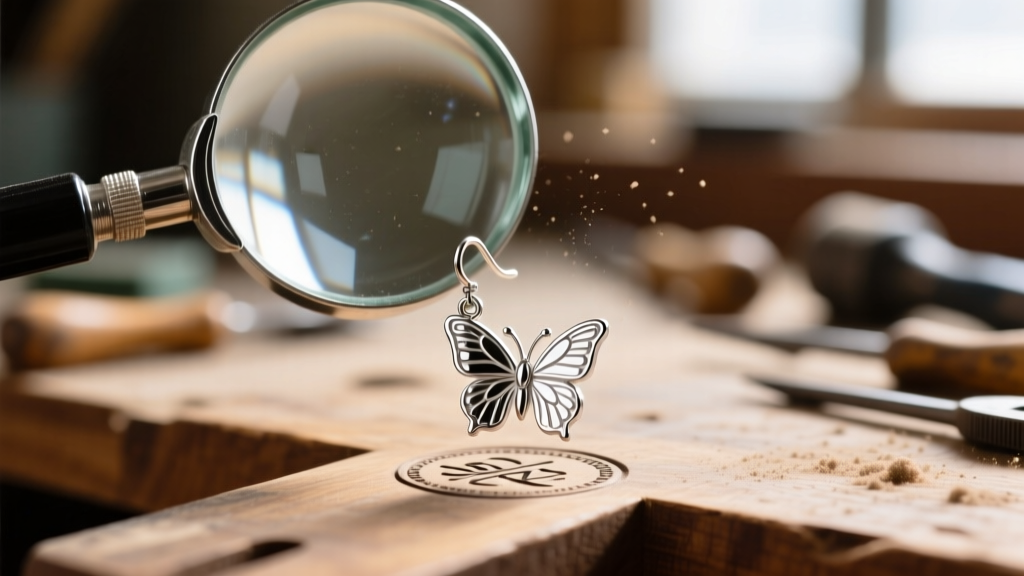
Material Properties Comparison Chart
To help you evaluate your options, we have compiled a comparative data table detailing the physical and chemical properties of the most common silver alloys used in butterfly earrings.
| Alloy Type | Silver Content | Tarnish Rate | Hypoallergenic | Best Design Application | Avg. Price Range (USD) |
|---|---|---|---|---|---|
| Sterling (925) | 92.5% | Moderate to High | Mostly (Cu allergy risk) | Intricate cast wings, filigree | $35 - $120 |
| Argentium (935) | 93.5% | Very Low | Yes | High-detail granulation, daily wear | $60 - $180 |
| Fine (999) | 99.9% | Extremely Low | Yes | Solid bezels, thick minimalist studs | $50 - $150 |
| Silver-Plated | < 1% | High (upon wear) | No (Base metal exposure) | Costume jewelry, temporary trends | $10 - $25 |
| "Tibetan Silver" | 0% | High (Oxidizes dark) | No (High Nickel risk) | Avoid for pierced ears | $5 - $15 |
Structural Integrity: Gauges and Filigree Durability
The beauty of a butterfly earring lies in its wingspan, but physics dictates that a wider wingspan creates a heavier pendulum effect. The structural failure point of these earrings is rarely the butterfly body itself; it is almost always the ear wire or the jump ring connecting the wing to the post.
- Standard Ear Wires (20 to 22 Gauge): A 22-gauge (0.64mm) wire is common for lightweight studs. However, if the butterfly wings are solid cast sterling silver, a 22-gauge wire will warp under the kinetic energy of walking.
- Heavy Dangle Wires (18 Gauge): For drop earrings with a wingspan exceeding 40mm, jewelers must utilize an 18-gauge (1.02mm) ear wire or a reinforced leverback mechanism to prevent the metal from permanently bending outward.
- Casting Thickness: The thinnest points of the butterfly wings (the outer edges) should never be less than 1.2mm thick in sterling silver. Anything thinner will crumple if the earring is dropped on a hard surface.
Expert Insight: Always inspect the jump ring connecting the butterfly charm to the ear wire. If the jump ring is not soldered shut, the continuous friction will eventually wear through the silver, resulting in the loss of the butterfly motif.
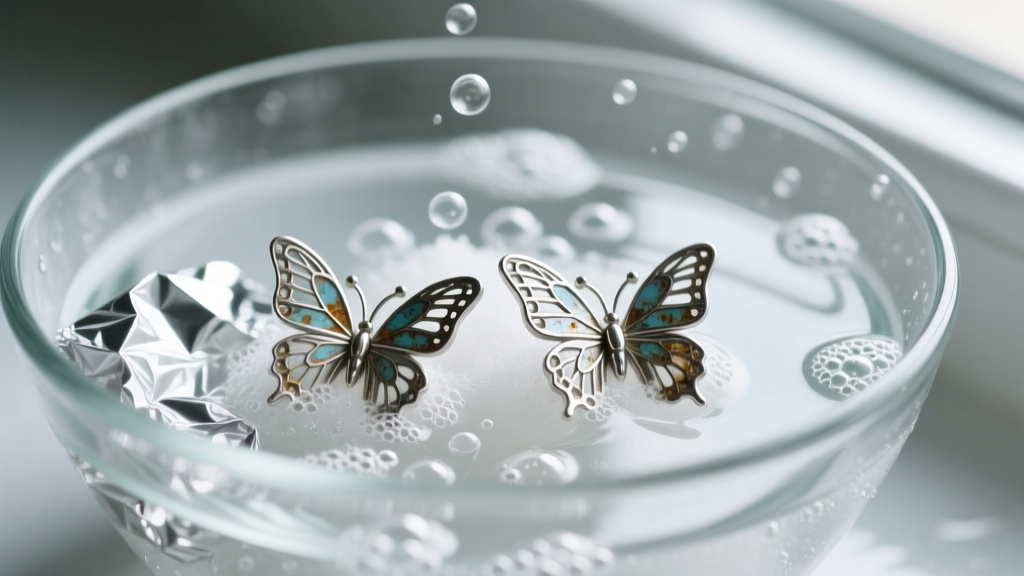
Care and Maintenance for Intricate Silver Wings
Maintaining the brilliance of silver butterfly earrings requires an understanding of electrochemistry, especially when dealing with deep textures and oxidized accents.
The Electrochemical Reduction Bath
For heavily tarnished sterling or Argentium silver, avoid abrasive polishing cloths which cannot reach the microscopic crevices of the butterfly's wing veins. Instead, use an electrochemical bath. Line a glass bowl with aluminum foil (shiny side up), add boiling water, a tablespoon of baking soda, and a pinch of salt. Submerge the earrings. The sulfur atoms bonding to the silver are chemically drawn away from the silver and transferred to the aluminum foil. This restores the silver to its pure, white metallic state without removing any physical silver mass.
A Warning on Chemical Silver Dips
Many commercial "silver dip" liquids contain thiourea and hydrochloric acid. While they remove tarnish instantly, they are highly corrosive. Furthermore, many artisan butterfly earrings feature intentional oxidation (antiquing) in the recessed areas to make the wing patterns pop. Chemical dips will strip this intentional patina in seconds, leaving the earring looking flat, overly bright, and chemically damaged.
Expert Verdict: Which Silver Should You Choose?
If you are investing in high-end, artisan-crafted butterfly earrings, Argentium silver is the superior choice for 2026. Its germanium-enriched composition ensures that the intricate wing details remain visible without the constant need for polishing, and its hypoallergenic properties make it safe for fresh cartilage piercings. For vintage or estate pieces, Sterling 925 remains a beautiful, durable standard, provided you are willing to perform routine maintenance. Above all, strictly avoid "Tibetan" or unmarked silver-plated alternatives, as the structural degradation and dermatological risks far outweigh the initial cost savings.
For further reading on the metallurgical properties of precious jewelry metals, consult the educational resources provided by The Silver Institute to ensure your next lepidoptera purchase stands the test of time.


