How to Buy Authentic Cameo Clip On Earrings: A Collector's Guide
Discover how to evaluate, authenticate, and buy cameo clip on earrings. Learn about shell vs. resin materials, clip mechanisms, and pricing tiers.

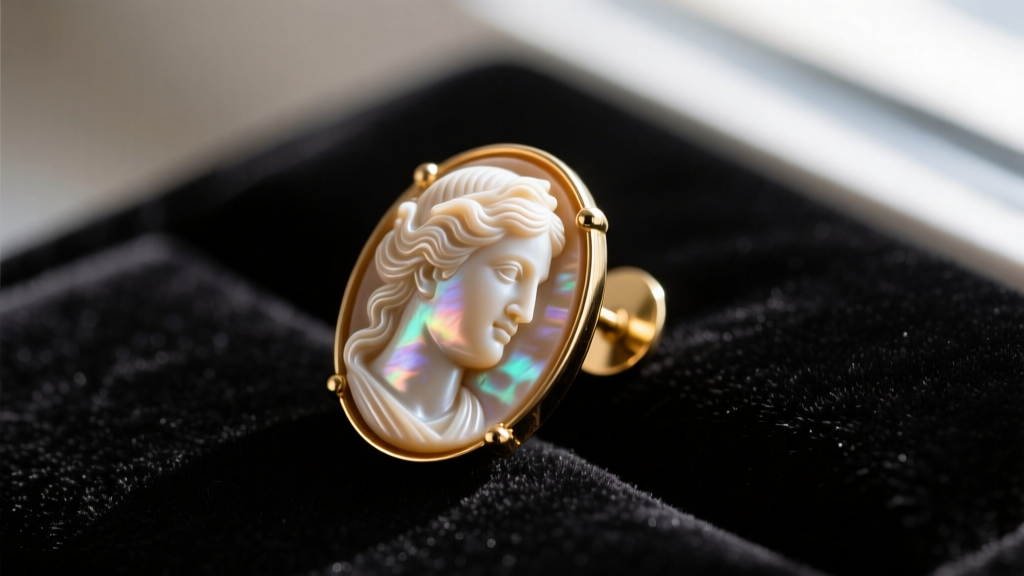
The Enduring Allure of Non-Pierced Cameos
Cameo jewelry has captivated collectors for centuries, but the specific niche of cameo clip on earrings represents a unique intersection of classical lapidary art and 20th-century fashion innovation. While pierced earrings dominated ancient and Victorian eras, the widespread social acceptance of non-pierced earrings didn't truly take hold until the 1930s. This shift allowed jewelers to adapt heavy, intricately carved cameos into wearable art for women without ear piercings. Today, navigating the secondary market for these pieces requires a trained eye. Whether you are hunting for a Victorian lava stone pair or a mid-century shell carving, understanding the nuances of materials, mechanisms, and authentication is critical to building a valuable collection.
Decoding Cameo Materials: Shell, Lava, and Resin
The value and longevity of cameo clip on earrings are primarily dictated by the carving medium. According to the GIA Gem Encyclopedia, genuine cameos are carved from materials with naturally occurring layered colors, whereas imitations are molded or dyed.
Genuine Carved Shell
Shell is the most common material for antique and vintage cameos. Collectors should look for two primary types:
- Bullmouth Helmet Shell (Cypraecassis rufa): Yields a beautiful peach or orange background with a white carved profile. Most common in Victorian and Edwardian pieces.
- Emperor Helmet Shell (Cassis madascarensis): Features a deeper brown or black background with stark white carvings. The shell is thicker, allowing artisans to carve deeper undercuts, particularly in the hair and drapery.
Lava Stone and Coral
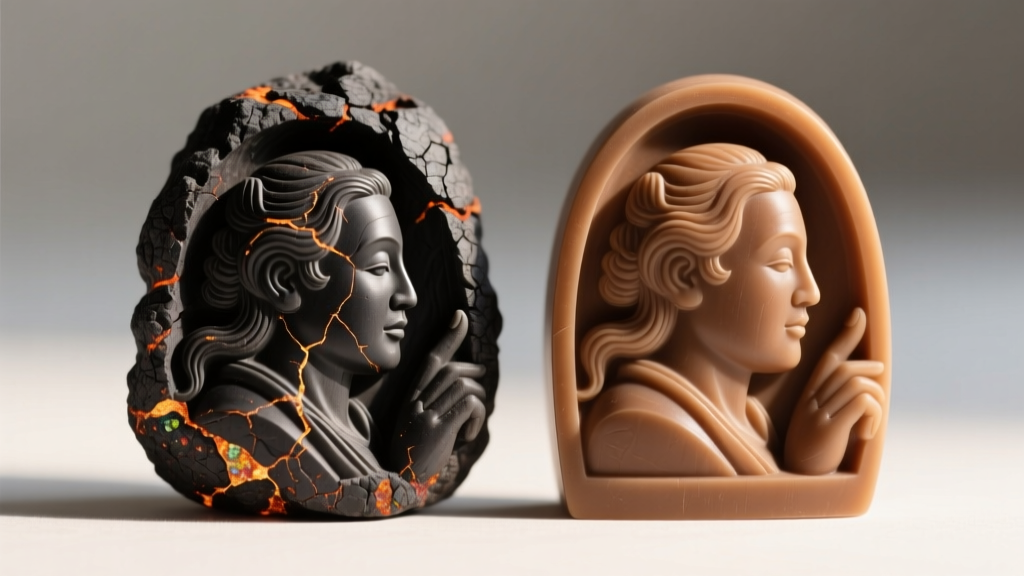
Originating largely from the Naples and Pompeii regions near Mount Vesuvius, lava stone cameos range from pale ash-grey to deep mahogany. Unlike shell, lava has a matte finish and a slightly porous texture. Coral cameos, typically featuring a white carving against a salmon-pink background, are highly prized but heavily regulated today due to environmental protections, making vintage pairs exceptionally valuable.
Resin, Celluloid, and Molded Reproductions
Post-1950s costume jewelry often features molded resin or celluloid cameos. While charming, these lack the sharp, crisp undercuts of hand-carved pieces. Under a 10x jeweler's loupe, molded cameos will reveal a soft, rounded appearance, uniform stippling, and sometimes faint seam lines from the mold.
Evaluating the Clip-On Mechanism
The hardware on cameo clip on earrings is just as important as the carving, as it dictates both the era of the piece and its wearability. Heavy shell and lava cameos require robust tension to stay on the earlobe without causing pain.
| Mechanism Type | Era of Prominence | Pros & Cons | Best For |
|---|---|---|---|
| Paddle-Back | 1930s - 1940s | Wide surface area distributes weight, but can pinch the lobe aggressively over time. | Large, heavy lava stone cameos. |
| Screw-Back | 1940s - 1960s | Adjustable tension via a micro-screw. Excellent for custom fit, but screws can strip or loosen. | Medium-sized shell cameos in gold vermeil. |
| Spring-Clip / Invisible | 1950s - Present | Hinged wire offers a sleek look and comfortable fit, but lacks the grip needed for very heavy carvings. | Lightweight, smaller resin or agate cameos. |
Pro-Tip for Adjusting Tension: If a vintage screw-back or paddle-back is too tight, never use standard steel pliers to bend the metal, as this will mar the finish. Instead, use nylon-jaw jewelry pliers to gently adjust the clip arm, or apply a microscopic drop of synthetic watch oil to the screw threads to restore smooth operation.
Authentication: Vintage vs. Modern Reproduction
Distinguishing a genuine 19th-century hand-carved cameo from a modern tourist-trade reproduction requires a systematic approach. As noted by the experts at Lang Antiques University, the devil is in the microscopic details.
'A genuine hand-carved cameo is a masterclass in subtractive sculpture. The artist must navigate the natural striations of the shell, meaning no two pieces will ever possess identical proportions or tool marks.'
The Collector's Authentication Checklist
- The Loupe Test for Growth Lines: Examine the background of the cameo under 10x magnification. Genuine shell will display faint, concentric growth lines (similar to tree rings). Glass or resin will be perfectly homogeneous or contain spherical air bubbles.
- The Nose Profile: Victorian and antique cameos typically feature a straight, aquiline, or slightly sloped 'Roman' nose. Modern, mass-produced cameos (often carved in Italy or China for the tourist trade post-1970) frequently feature a scooped, 'button' nose and overly exaggerated eyelashes.
- Tool Marks vs. Mold Seams: Look closely at the hair and drapery. Hand-carved pieces will show microscopic, directional chisel marks. Molded pieces will look 'melted' in the crevices.
- The Bezel and Backing: High-quality antique cameo clip on earrings are usually bezel-set or prong-set into the metal frame, allowing the back of the carving to be visible or rest against a solid metal plate. Cheaper mid-century pieces are often glued directly onto a flat brass stamping; if you see yellowed adhesive seeping out, it is likely a lower-tier vintage piece.

Pricing Tiers and Market Value
When shopping for cameo clip on earrings, prices vary wildly based on material, metal purity, and provenance. Here is a realistic pricing framework for the current market:
- $25 - $75 (Costume & Resin): Molded resin, celluloid, or agate cameos set in gold-plated base metal with standard spring clips. Great for everyday wear but holds little collector value.
- $100 - $350 (Vintage Shell & Lava): Genuine hand-carved bullmouth or emperor shell, and grey/brown lava stone. Usually set in gold-filled, rolled gold plate, or sterling silver with screw-back or paddle mechanisms. Unsigned but high-quality craftsmanship.
- $400 - $1,200+ (Museum Quality & Signed): Exceptional, deeply undercut carvings featuring mythological scenes (rather than just a single profile). Set in solid 14k/18k gold or heavy silver vermeil. Pieces signed by renowned Italian houses like Micocci or antique Victorian pieces with original fitted boxes command premium prices.
Care and Maintenance for Non-Pierced Cameos
Shell and lava stone are calcium-based and highly reactive to modern cosmetics. The alcohol and chemicals in perfumes, hairsprays, and hand sanitizers can strip the natural luster from shell, leaving it chalky and brittle over time. Always put your cameo clip on earrings on after applying cosmetics.
To clean them, avoid ultrasonic cleaners entirely—the high-frequency vibrations can shatter the micro-layers of older, dehydrated shell. Instead, use a soft, damp microfiber cloth with a tiny drop of pH-neutral castile soap to gently wipe the carving. Dry immediately and store in a humidified environment (a small glass of water inside a sealed drawer) to prevent the shell from cracking due to extreme dryness. By respecting the material and the mechanics, your cameo collection will remain pristine and wearable for generations to come.


