The Complete Buying Guide to 12mm Gauge Earrings & Sizing
Confused by 12mm gauge earrings? Our expert buying guide breaks down 12-gauge thickness vs. 12mm diameter, materials, and fit for stretched lobes.

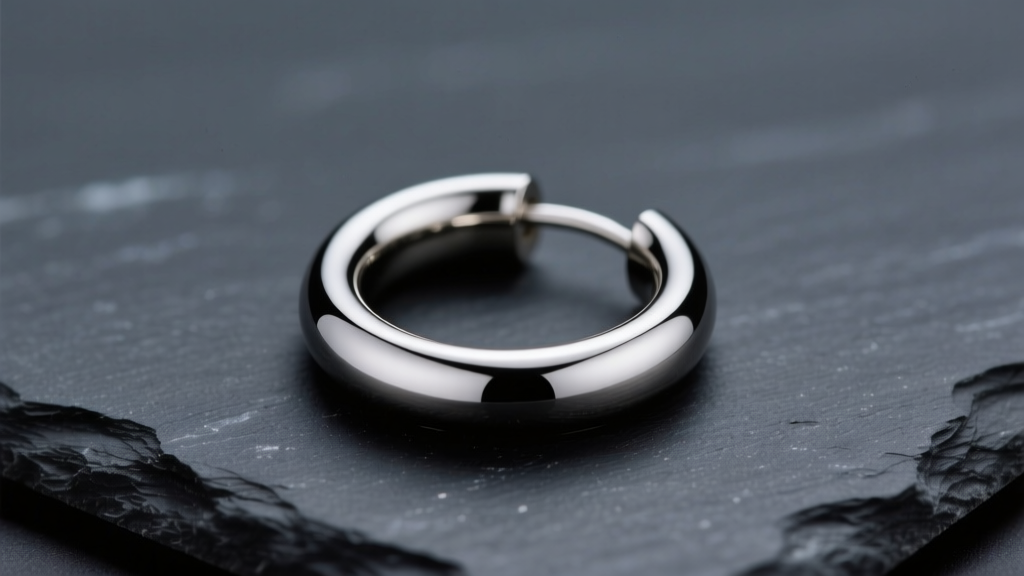
Decoding the Terminology: The '12mm Gauge' Paradox
When navigating the body jewelry market, you will inevitably encounter the search term 12mm gauge earrings. As professional piercers and metallurgy experts, we must immediately address a fundamental terminology crossroads. In the standardized American Wire Gauge (AWG) system, 'gauge' refers strictly to the thickness of the wire or post, while 'millimeters' (mm) refers to diameter or length. Therefore, '12mm gauge' is technically a conflicting phrase.
Shoppers using this phrase are typically looking for one of two distinct categories:
- 12-Gauge (2.0mm thickness): Heavyweight wire used for semi-stretched earlobes, heavy cartilage support (like conchs or daiths), and structural durability.
- 12mm Diameter/Length: A specific measurement for hoop earrings, huggies, or the wearable length of straight barbells and plugs (approximately 1/2 inch).
This comprehensive 2026 buying guide untangles this confusion, providing exact specifications, material grades, and anatomical fit guidelines for both interpretations so you can purchase with absolute confidence.
Category 1: Buying 12-Gauge (2.0mm) Earrings
Standard lobe piercings are typically done at 18g (1.0mm) or 16g (1.2mm). Moving up to a 12-gauge (2.0mm) post is a significant jump. This thickness is heavily favored by those beginning their ear-stretching journey, or by individuals seeking a bold, substantial look in their cartilage without committing to full plugs.
Metallurgy and Material Grades
At 2.0mm thick, the jewelry sits with more surface area against the fistula (the piercing channel). This makes material biocompatibility non-negotiable. According to the Association of Professional Piercers (APP), only specific implant-grade materials should be worn in healing or freshly stretched tissue.
| Material Grade | Nickel Release Rate | Best Use Case for 12g | Price Range (2026) |
|---|---|---|---|
| ASTM F-136 Titanium | Virtually Zero | Fresh stretches, healing cartilage, sensitive lobes | $25 - $60 |
| 316L Surgical Steel | Low (but present) | Healed lobes only; avoid if nickel-sensitive | $10 - $25 |
| Niobium (Anodized) | Zero | Colorful stretches, highly reactive skin types | $30 - $55 |
| Solid 14k/18k Gold | Varies by alloy | Healed, long-term luxury wear (avoid plated) | $120 - $350+ |
Threading and Insertion Mechanics
For 12-gauge jewelry, the method of assembly drastically impacts comfort. Internally threaded jewelry (where the screw is on the decorative end, and the post is smooth) is the gold standard. Externally threaded 12g posts feature coarse screw threads that must pass through your piercing, which can cause micro-tears in the fistula. Alternatively, threadless (push-pin) 12g jewelry uses tension to hold the end in place, requiring a slight bend in the pin before insertion—a favorite among modern piercers for its seamless look.
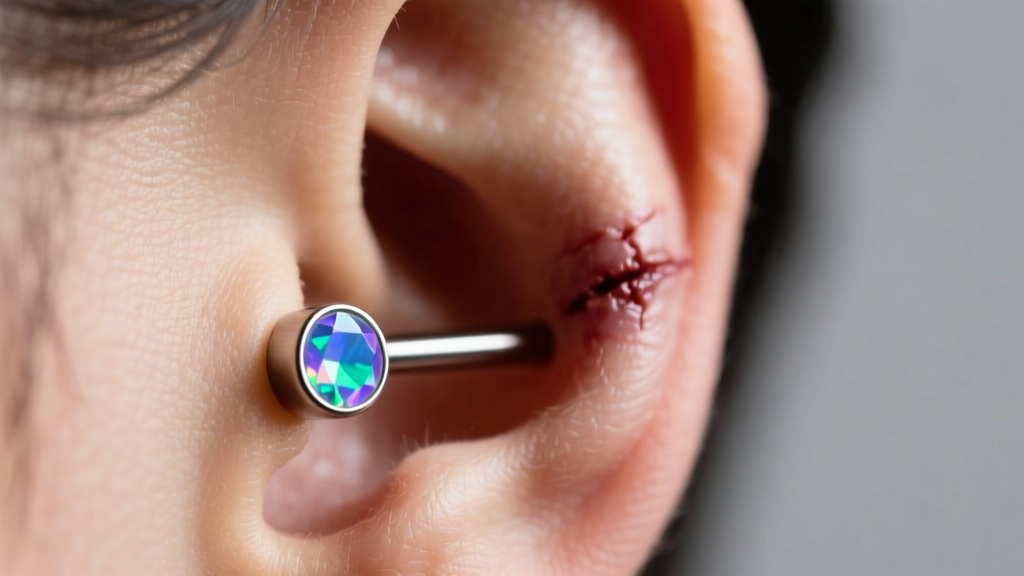
Category 2: Buying 12mm Diameter Earrings
If your search intent was based on diameter rather than thickness, 12mm (approx. 0.47 inches) is a highly versatile, medium-small measurement that dominates the hoop and plug markets.
The 12mm Hoop and Huggie Sweet Spot
A 12mm inner diameter hoop is widely considered the ultimate 'huggie' size for standard earlobes and a snug, secure fit for upper cartilage placements. However, swelling clearance is a critical factor often ignored by mass-market retailers.
- Helix & Forward Helix: A 12mm hoop will sit flush against the ear. If the piercing is less than 6 months old, this diameter will likely cause a 'cheese-cutter' effect or trap swelling. Wait until fully healed.
- Tragus: 12mm is often too large for a standard tragus, resulting in a dangling look rather than a hoop. Opt for 8mm or 10mm instead.
- Daith: 12mm is the standard starting diameter for most daith piercings, allowing enough room for the crux of the inner ear and initial swelling.
- Snug & Anti-Tragus: 12mm is usually the perfect, flush-fitting diameter for these complex ridge piercings.
When buying 12mm hoops, always look for segment rings or clickers with a hinged closure. Continuous rings at this small diameter are notoriously difficult to open and close without warping the metal.

12mm Plugs and Tunnels (Stretched Lobes)
In the stretching community, 12mm (often colloquially referred to as 1/2 inch, though technically 12.7mm is a true half-inch) is a major milestone. At this size, the earlobe's elasticity is heavily tested. When buying 12mm plugs, prioritize double-flared glass or single-flared titanium with high-quality O-rings. Avoid acrylic or silicone plugs at this stage, as these porous materials can harbor bacteria and cause blowouts if the lobe is still adjusting to the weight and tension.
Real-World Troubleshooting & Failure Modes
Even with the correct sizing, buyers frequently encounter mechanical or anatomical failures. Here is how to troubleshoot the most common issues associated with 12g and 12mm jewelry:
1. The 'Cheese-Cutter' Effect in Cartilage
Using a 12-gauge (2.0mm) wire in a delicate, high-tension cartilage piercing like a snug or rook can cause the jewelry to slowly migrate through the skin, mimicking a wire cutting through cheese. The Fix: Ensure the jewelry is a curved barbell or anatomical hoop specifically designed for the ridge, and never sleep on the piercing to avoid lateral pressure.
2. Hoop Constriction and Piercing Bumps
If you place a rigid 12mm diameter hoop in a slightly swollen helix, the lack of vertical clearance will cause the jewelry to press into the entry and exit holes, triggering irritation bumps (hypertrophic scarring). The Fix: Use the BodyArtForms Size Chart to measure your exact anatomy with a digital caliper. If your tissue thickness plus the piercing hole exceeds 4mm, a 12mm hoop will be too tight; size up to 14mm.
3. Thread Stripping on Heavy 12g Ends
Because 12-gauge posts are thick, buyers often attach heavy, oversized gemstone clusters to them. The torque required to tighten a heavy end can strip the internal threads of softer metals like low-karat gold. The Fix: Stick to threadless (push-pin) systems for heavy decorative ends on 12g wire, as the tension bend provides a stronger hold than machined threads.
Final Verdict: Building Your Collection
Whether you are searching for the structural integrity of 12-gauge (2.0mm) titanium for a semi-stretched lobe, or the precise, flush fit of a 12mm diameter gold clicker for your daith, understanding the geometry of your jewelry is the hallmark of an informed collector. Always prioritize ASTM F-136 implant-grade titanium for any new or healing modifications, and invest in digital calipers to measure your unique anatomy rather than relying on generic size charts. For further reading on safe stretching protocols and material safety, consult the guidelines provided by FreshTrends Piercing Guides and your local APP-certified professional.


