Tortoiseshell Earrings Buying Guide: What to Look For in 2026
Discover what to look for when buying tortoiseshell earrings in 2026. Learn to spot premium cellulose acetate, check hardware gauges, and avoid fakes.

The 2026 Landscape: CITES, Conservation, and Modern Alternatives
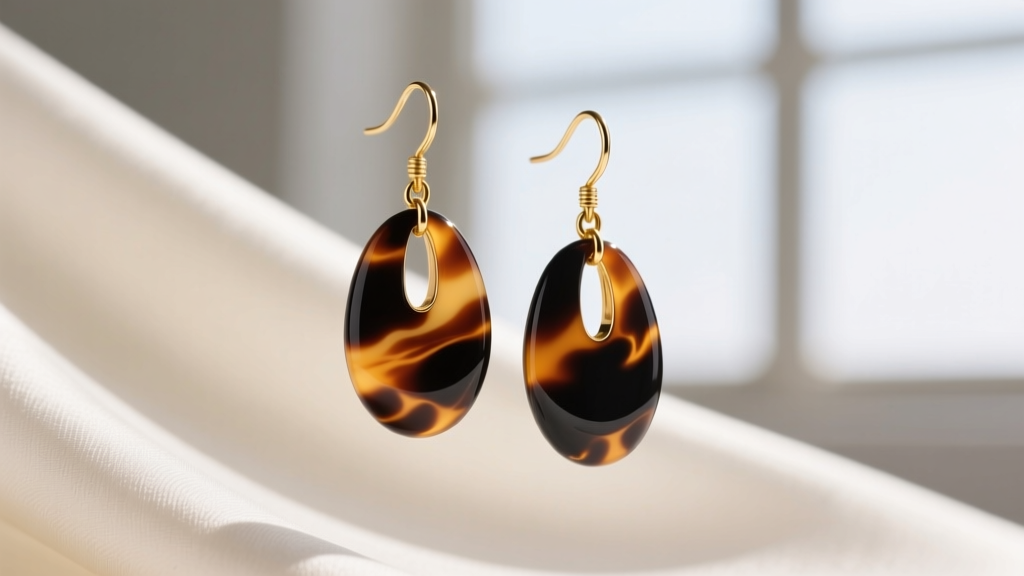
When shopping for tortoiseshell earrings today, the most critical factor to understand is material origin. Genuine tortoiseshell is derived from the scutes (shell plates) of the Hawksbill sea turtle (Eretmochelys imbricata). Due to severe overharvesting in the 19th and 20th centuries, the Hawksbill is now critically endangered. Under the World Wildlife Fund's conservation guidelines and the strict mandates of CITES (Convention on International Trade in Endangered Species), the global trade of new, genuine tortoiseshell is entirely banned.
Consequently, the modern luxury market in 2026 relies entirely on high-end synthetic and semi-synthetic alternatives. The term 'tortoiseshell' in contemporary jewelry refers to the aesthetic pattern—the mottled blend of amber, honey, brown, and black—rather than the biological material. Understanding this distinction is the first step in avoiding overpriced plastics and investing in heirloom-quality accessories.
Material Science: Cellulose Acetate vs. Acrylic
Not all synthetic tortoiseshell is created equal. The market is currently split between cheap, petroleum-based acrylics and premium, plant-based cellulose acetate. If you are buying tortoiseshell earrings, cellulose acetate is the undisputed gold standard.
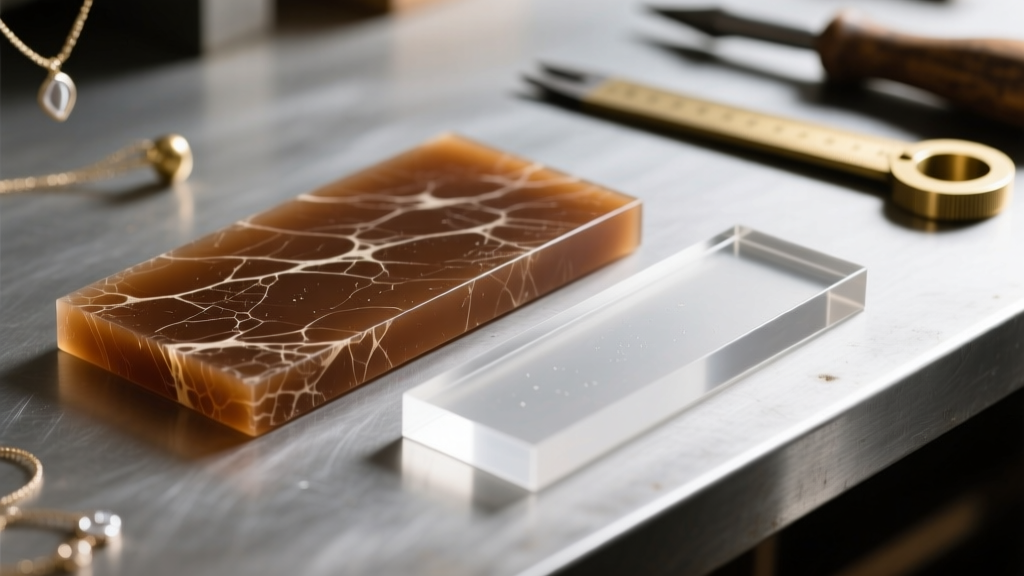
Cellulose acetate is a semi-synthetic plastic derived from natural wood pulp or cotton linters, combined with acetic acid. Unlike acrylic, which is injection-molded and features a flat, printed-on tortoiseshell pattern, premium acetate is crafted using a 'block curing' method. Artisans layer dyes into massive blocks of acetate, cure them for weeks, and then slice them into sheets. This results in a deep, three-dimensional mottled pattern that mimics the optical depth of genuine Hawksbill shell.
| Feature | Premium Cellulose Acetate | Standard Acrylic / Resin |
|---|---|---|
| Origin | Plant-based (Wood pulp/Cotton) | Petroleum-based |
| Pattern Depth | 3D mottling, translucent layers | Flat, surface-printed or suspended flakes |
| Hypoallergenic | Yes (Highly biocompatible) | Varies (Can cause contact dermatitis) |
| Polishability | Can be buffed and repolished | Scratches permanently, clouds over time |
| Weight | Lightweight, comfortable for lobes | Heavier, can cause earlobe sagging |
Brands utilizing Italian Mazzucchelli acetate or Japanese Takiron acetate are generally offering the highest tier of material available. These sheets offer a glass-like polish and a warm, organic feel against the skin that cold acrylic simply cannot replicate.
Hardware Mechanics: Gauges, Posts, and Weight Distribution
A common failure point in tortoiseshell earrings is not the acetate itself, but the metal hardware used to mount it. Because acetate is relatively soft compared to gemstones or metals, improper hardware can lead to cracking, tearing, or severe earlobe irritation.
Gauge Sizes and Post Materials
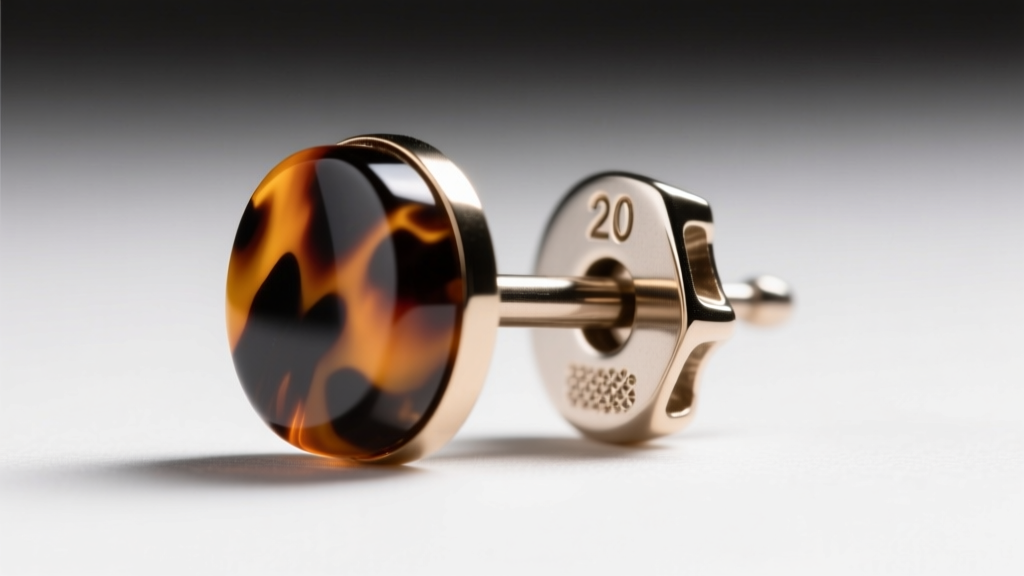
For standard lobe piercings, the post or wire gauge is critical. Most high-quality tortoiseshell studs and drops use a 20-gauge (0.81mm) post. This is thin enough to pass comfortably through the fistula without stretching the piercing, yet thick enough to support the lightweight acetate. For heavier, oversized tortoiseshell hoops or statement dangles, an 18-gauge (1.02mm) wire is preferred to prevent the metal from bending under the swinging weight.
Always verify the metal grade of the post. While the acetate is hypoallergenic, the post touches the interior of your piercing. Look for ASTM F136 Implant-Grade Titanium or 316L Surgical Steel. If you prefer gold, ensure it is at least 14k solid gold or heavy gold vermeil over a sterling silver base. Avoid brass or nickel-plated posts, which frequently cause allergic contact dermatitis.
Friction Backs vs. Screw Backs
For lightweight acetate studs, standard push-back friction clutches are sufficient. However, if you are purchasing thick, vintage-inspired tortoiseshell drop earrings, the weight distribution can pull the earring forward. In these cases, look for La Pousette (locking) backs or screw-backs, which secure the earring flush against the lobe and prevent the heavy acetate face from drooping.
How to Authenticate Antique Genuine Tortoiseshell
If you are shopping the vintage or estate jewelry market, you may encounter genuine, pre-ban Hawksbill tortoiseshell. Authenticating these pieces requires specific diagnostic tests, as early plastics like Bakelite and celluloid were designed specifically to imitate tortoiseshell.
- The Hot Pin Test: Heat a needle until red-hot and touch it to an inconspicuous area (like the back of a clip-on mechanism). Genuine tortoiseshell is made of keratin (like hair or fingernails) and will emit a smell resembling burnt hair. It will also leave a tiny white mark that can be polished out. Acrylic or celluloid will melt, stick to the pin, and smell like sweet, acrid chemicals.
- UV Fluorescence: Under long-wave ultraviolet (UV) light, genuine tortoiseshell typically fluoresces a pale, cloudy blue or yellowish-white. Most synthetic plastics will either absorb the light (appearing dark) or fluoresce a bright, unnatural milky blue.
- Visual Inspection: Genuine tortoiseshell features microscopic, overlapping layers of pigment that look like suspended clouds. Early plastics often have distinct, hard-edged 'flakes' or a perfectly uniform, repeating pattern that lacks organic randomness.
Expert Note: Never attempt the hot pin test on a piece you do not already own or have explicit permission to alter. For high-value estate pieces, consult a certified gemologist or an antique jewelry appraiser who can perform non-destructive spectroscopic analysis.
2026 Pricing Framework: What Should You Pay?
Understanding the pricing tiers for tortoiseshell earrings will protect you from paying luxury prices for mass-produced plastics.
- $15 - $35 (Fast Fashion / Basic Acrylic): Injection-molded acrylic with printed patterns. Hardware is usually plated brass or steel. Expect the finish to cloud and the posts to tarnish within a year.
- $45 - $120 (Premium Artisan / Cellulose Acetate): The sweet spot for modern buyers. Hand-cut Mazzucchelli or bio-acetate, featuring 20g titanium or sterling silver posts, and hand-polished edges. These offer the best balance of luxury, durability, and ethical sourcing.
- $150 - $400 (Designer / High-End Vintage): Established luxury brands using custom acetate blends, paired with 14k or 18k solid gold hardware. Alternatively, verified mid-century genuine tortoiseshell pieces in good condition.
- $500+ (Museum-Quality Antiques): Pre-1970s genuine Hawksbill shell pieces with documented provenance, often featuring intricate piqué work (inlaid gold or silver filigree).
Undertone Matching and Face Shape Styling
Tortoiseshell is not a monolith; the ratio of amber to black drastically changes how it interacts with your skin's undertones and facial geometry.
For Warm Undertones: Seek out 'blonde' or 'honey' tortoiseshell, which features high translucency and dominant amber, gold, and caramel notes. These reflect warm light onto the jawline and complement gold hardware beautifully.
For Cool Undertones: Opt for 'dark' or 'chocolate' tortoiseshell, where the pattern is heavily saturated with deep espresso, black, and cool burgundy. This provides a striking, high-contrast frame for the face, especially when set in white gold or platinum hardware.
Face Shape Considerations: Because tortoiseshell is a visually 'busy' and heavy pattern, scale is vital. Round and square face shapes benefit from elongated, geometric tortoiseshell drops that draw the eye vertically. Heart and oval shapes can carry off oversized, chunky tortoiseshell hoops or wide huggies, which add visual weight to the lower half of the face, balancing the forehead and cheekbones.
By prioritizing premium cellulose acetate, verifying your hardware gauges, and matching the amber-to-black ratio to your undertones, you can secure a pair of tortoiseshell earrings that are as ethically sound as they are timelessly elegant.


