The Ultimate Guide to Buying Pearl Drop Earrings with Gold
Discover what to look for when buying pearl drop earrings with gold. Learn about pearl grading, gold karats, and construction tips in our expert guide.

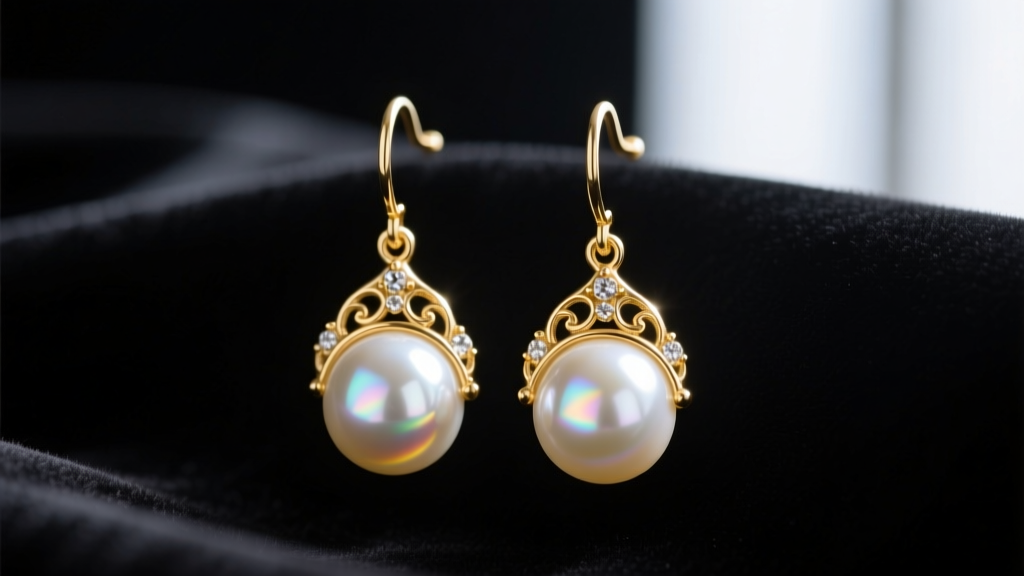
The Timeless Appeal of Pearl Drop Earrings with Gold
When it comes to building a versatile, elegant jewelry collection, few pieces command the same quiet luxury as pearl drop earrings with gold. Unlike simple studs, the drop silhouette introduces movement and kinetic energy, catching the light and drawing attention to the jawline. However, the market is saturated with vastly different quality tiers, from mass-produced costume jewelry to heirloom-grade investments. As a buyer in 2026, navigating the nuances of pearl grading, gold metallurgy, and structural engineering is essential to avoid overpaying for inferior materials. This comprehensive buying guide breaks down exactly what to look for, ensuring your purchase is both beautiful and built to last.
Decoding Pearl Quality: Nacre, Luster, and Origin
The pearl is the focal point of any drop earring, and its value is dictated by a strict set of gemological criteria. According to the Gemological Institute of America (GIA), the most critical factor in pearl valuation is nacre thickness and luster. Nacre is the crystalline substance secreted by the mollusk; thicker nacre results in a deeper, more mirror-like luster and vastly superior durability.
Akoya vs. Freshwater vs. South Sea
Understanding the origin of the pearl helps set realistic expectations for pricing and visual characteristics.
- Akoya Pearls: Cultivated primarily in Japan and China, Akoya pearls are the gold standard for classic white drop earrings. They possess exceptionally sharp, mirror-like luster. For a high-quality Akoya pearl, demand a minimum nacre thickness of 0.4mm. Anything thinner risks peeling over time.
- Freshwater Pearls: Grown mostly in China, modern freshwater pearls have improved dramatically in quality. They are typically solid nacre (tissue-nucleated), making them incredibly durable. While their luster is traditionally softer and more satiny than Akoya, premium 'metallic' freshwater pearls now rival saltwater varieties at a fraction of the cost.
- South Sea Pearls: Originating from Australia, Indonesia, and the Philippines, these are the largest and most luxurious. They feature a soft, satiny luster and thick nacre (often exceeding 2.0mm). Expect to pay a significant premium for South Sea pearls in gold drop settings.

Gold Purity and Plating: What You Are Actually Paying For
The metalwork framing the pearl is just as critical as the gemstone itself. Gold purity, measured in karats, directly impacts the color, durability, and price of your earrings.
Solid Gold Karat Breakdown
Pure 24k gold is too soft for jewelry that experiences daily wear and mechanical stress. Therefore, it is alloyed with other metals.
- 14k Solid Gold (58.5% Gold): The optimal choice for drop earrings. The higher alloy content (often copper and silver) provides excellent tensile strength, ensuring the ear wires and structural loops resist bending and warping. It offers a warm, classic yellow hue.
- 18k Solid Gold (75% Gold): Prized for its rich, buttery yellow color and hypoallergenic properties. However, it is noticeably softer than 14k. If choosing 18k for heavy pearl drops, ensure the wire gauge is sufficiently thick to compensate for the softer metal.
Vermeil vs. Gold Plated: The FTC Standards
If solid gold is outside your budget, you will encounter 'gold vermeil' and 'gold plated' options. The Federal Trade Commission (FTC) strictly regulates these terms. True gold vermeil must consist of a sterling silver base coated with a minimum of 2.5 microns of 10k (or higher) gold. Standard gold plating, often applied over brass or copper, has no minimum thickness requirement and will quickly wear through to the base metal, especially at high-friction points like the earring post. For longevity, always choose vermeil over standard plating if solid gold is unattainable.
Structural Integrity: Posts, Wires, and Failure Modes
Drop earrings are subjected to unique mechanical stresses. The pendulum motion of the drop creates leverage against the earlobe, which can lead to specific failure modes if the construction is inadequate.
Wire Gauge and Leverback Mechanics
The thickness of the gold wire used for the ear hook or post is measured in gauges. Most commercial fashion jewelry uses a flimsy 22-gauge (0.64mm) or 24-gauge (0.51mm) wire, which easily bends under the weight of a 9mm pearl. When buying pearl drop earrings with gold, look for a 20-gauge (0.81mm) or even 18-gauge (1.02mm) wire. This ensures the earring hangs perfectly straight without sagging or warping over time.
Clutch and Closure Security
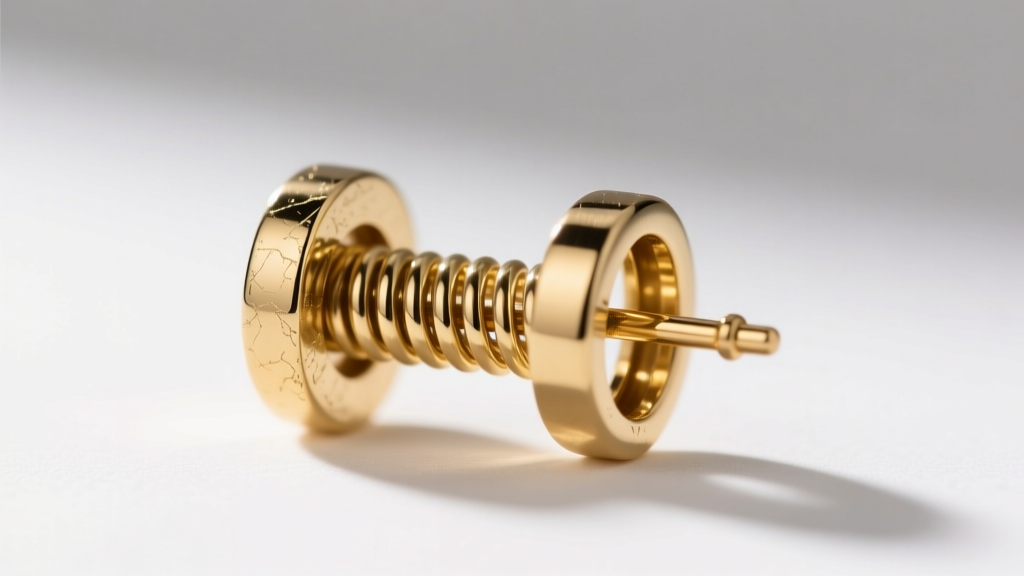
Standard friction backs (butterfly clutches) are notorious for loosening on drop earrings due to the constant movement. Upgrade to or seek out earrings featuring La Pousette locking clutches, which utilize a mechanical spring-loaded locking mechanism, or secure silicone O-rings that grip the post tightly.
Identifying Common Construction Failure Modes
Even expensive earrings can suffer from poor assembly. Inspect the connection points closely before purchasing:
- Epoxy Degradation: Many pearl drops are attached to gold caps using industrial epoxy. If the pearl is glued into a deep, enclosed cup without a mechanical pin, moisture and skin oils can eventually break down the adhesive, causing the pearl to pop out. Look for designs where the pearl is drilled and mounted on a gold pin with a small bead of epoxy for redundancy.
- Jump Ring Fatigue: The small gold ring connecting the drop to the ear wire is a major stress point. Ensure the jump ring is soldered completely shut. An unsoldered jump ring will eventually twist open from the pendulum motion, resulting in a lost pearl.
Market Pricing and Value Comparison
To help you budget and identify fair market value, refer to this pricing matrix based on current 2026 market averages for a standard 8mm-9mm pearl drop earring pair.
| Material Combination | Pearl Type | Expected Price Range (USD) | Best For |
|---|---|---|---|
| 14k Solid Gold | AAA Freshwater | $150 - $350 | Everyday wear, budget-conscious buyers |
| 14k Solid Gold | AA+ Akoya | $400 - $800 | Classic bridal, professional settings |
| 18k Solid Gold | Gem-Grade Akoya | $900 - $1,800 | Heirloom gifts, luxury collectors |
| 18k Solid Gold | White South Sea | $2,500 - $5,000+ | High-end galas, investment pieces |
| Gold Vermeil | AAA Freshwater | $60 - $120 | Trend-driven styling, occasional wear |
Care and Maintenance for Longevity
Pearls are organic gemstones with a Mohs hardness of just 2.5 to 3.0, making them highly susceptible to scratching and chemical damage. To preserve the luster of your pearl drop earrings with gold, adhere to these strict care protocols:
The Golden Rule of Pearls: Always put your pearl earrings on after applying cosmetics, perfumes, and hairspray. The alcohol and acids in these products will rapidly degrade the nacre, leaving it dull and chalky.
After each wear, gently wipe the pearls with a soft, lint-free microfiber cloth to remove skin oils. Never use ultrasonic jewelry cleaners or harsh chemical dips; the high-frequency vibrations can shatter the pearl, and the chemicals will strip the gold alloy. If the gold components become heavily tarnished, use a specialized, non-abrasive gold polishing cloth, carefully avoiding contact with the pearl itself. Store the earrings in a soft pouch separate from harder gemstones like diamonds or sapphires to prevent surface scratching.
Final Thoughts on Your Purchase
Investing in pearl drop earrings with gold is an exercise in balancing gemological quality with metallurgical durability. By prioritizing thick nacre, appropriate gold karats for your lifestyle, and robust structural engineering like 20-gauge wires and soldered jump rings, you secure a piece of jewelry that transcends fleeting trends. Whether you opt for the sharp brilliance of Akoya or the satiny depth of South Sea pearls, armed with this knowledge, you can buy with absolute confidence.


