Fixing a Crooked Earring: Diamond Earrings Troubleshooting Guide
Discover why your diamond earrings sit crooked or feel loose. Expert troubleshooting for earring posts, friction backs, and prongs.

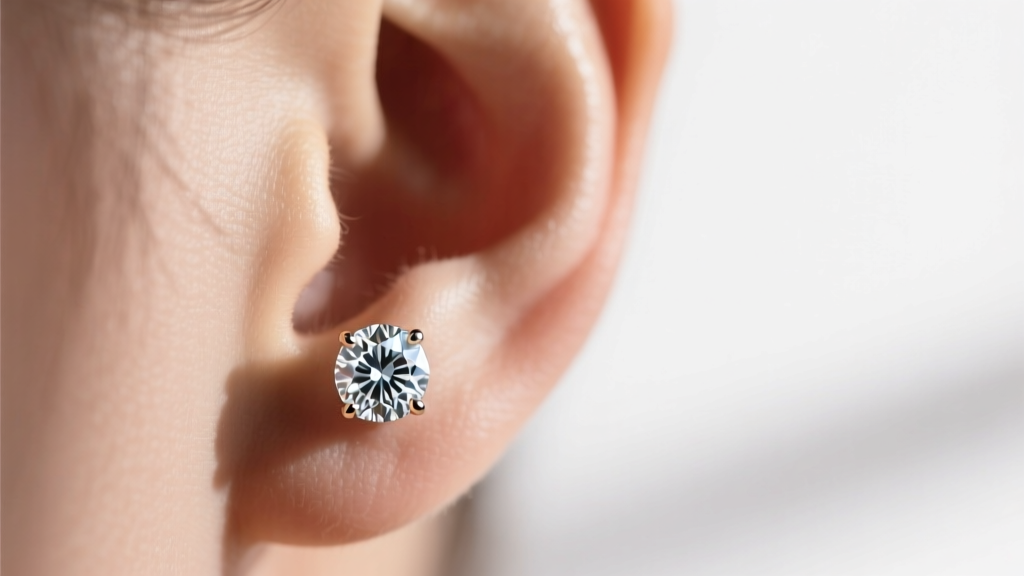
There are few things more frustrating in fine jewelry than investing in a beautiful pair of diamond studs, only to have them sit crooked, spin endlessly, or droop awkwardly against your earlobe. Diamond stud earrings are deceptively complex pieces of engineering. They must balance the cantilevered weight of a dense gemstone against the soft, pliable tissue of the human earlobe, all while securing a post that is often less than a millimeter thick. When this delicate equilibrium fails, the result is a crooked, dull, or insecure earring.
Many collectors face a common dilemma when sorting through inherited jewelry: you find a single stray earring, diamond earrings that have lost their match, or a pair where one sits noticeably lower than the other. In this comprehensive troubleshooting guide, we break down the exact mechanical and material failures that cause diamond earrings to malfunction, providing actionable, bench-jeweler-level solutions to restore their security and sparkle.
The Physics of the Droop: Post Gauge vs. Diamond Carat Weight
The most common reason a diamond stud earring points toward the floor is a mismatch between the post gauge (thickness) and the carat weight of the diamond head. The post acts as a lever; the heavier the diamond, the more torque it applies to the base of the post where it meets the earlobe.
Standard Gauge Sizes and Weight Limits
- 20-Gauge (0.81mm): The industry standard for lightweight studs. Ideal for diamonds ranging from 0.10ct to 0.50ct total weight. If you place a 1.00ct diamond on a 20G post, the metal will physically bend under the weight, causing an irreversible forward droop.
- 18-Gauge (1.02mm): Required for medium-weight stones (0.60ct to 1.25ct). The extra 0.21mm of thickness increases the structural rigidity of the post by nearly 40%, preventing the lever effect.
- 16-Gauge (1.29mm): Necessary for heavy solitaires (1.50ct and above) or dense halo settings. Note that 16G posts require specialized, larger backing clutches, as standard butterfly backs will not fit over the thicker metal.
The Fix: If your 1.00ct diamond studs are drooping, take them to a bench jeweler to have the posts laser-welded and replaced with 18-gauge or 16-gauge wire. As of 2026, laser welding is the standard for this repair, as it prevents heat damage to the diamond that traditional soldering torches might cause.
Troubleshooting the Backing: Why Your Earring Spins or Slips
A diamond earring that constantly spins or slides out of the earlobe is usually suffering from backing failure. The backing provides the counter-tension required to keep the diamond head flush against the front of the earlobe.
Friction Backs vs. Screw Backs vs. Silicone
| Backing Type | Best For Carat Weight | Primary Failure Mode | Maintenance Required |
|---|---|---|---|
| Metal Butterfly (Friction) | Under 0.75ct | Scroll tension loss; post notches wear down | Replace every 1-2 years |
| Silicone Push-Backs | Any (temporary grip) | Sebum degradation; tearing from fingernails | Replace every 3-6 months |
| Screw Backs (Threaded) | Over 1.00ct | Cross-threading; stripped post threads | Clean threads monthly; do not force |
| La Pousette (Locking) | High-value/heavy | Internal spring mechanism failure | Professional ultrasonic cleaning |
The Fix: If your metal butterfly backs feel loose, you can gently squeeze the outer 'wings' together with flat-nose pliers to restore tension. However, if the inner scroll is stretched, they must be replaced. For heavy diamonds, upgrade to screw backs or La Pousette locking backs, which mechanically lock onto the post and eliminate the risk of losing the earring.
Prong Wear and Setting Failures
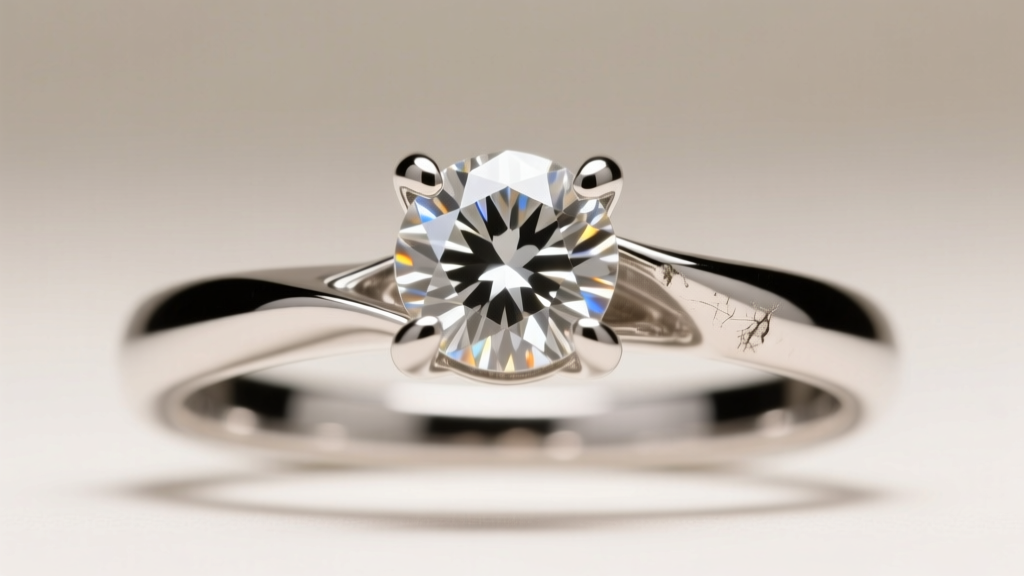
If your diamond earring looks crooked not because of the post, but because the stone itself is tilted, you are likely dealing with prong wear or a bent setting head. Diamonds are the hardest natural material on earth, but the precious metals holding them are not.
Identifying Prong Degradation
White gold and platinum wear differently. 14k and 18k white gold abrade over time, meaning the metal literally rubs away, thinning the prong until it snaps. Platinum, being a denser and more malleable metal, displaces. A platinum prong will bend or flatten rather than snap, which can cause the diamond to shift off-axis, making the earring appear crooked from the front.
The Fix: Inspect your earring prongs under a 10x jeweler's loupe. If the prong tips are flat rather than rounded, or if you can catch a fingernail on the edge of the metal, they need re-tipping. A bench jeweler will laser-weld new metal beads onto the prong tips and file them flush against the diamond's crown.
The Dullness Dilemma: Cleaning and Optical Troubleshooting
Sometimes an earring appears 'broken' or asymmetrical simply because one diamond has lost its light return. Diamonds are highly lipophilic, meaning they naturally attract and hold onto oils, lotions, and sebum from your skin and hair products.
Safe Cleaning Protocols
When oil builds up on the pavilion (the bottom cone) of the diamond, it alters the refractive index, causing light to leak out the sides rather than reflecting back to your eye. This makes a high-clarity diamond look cloudy and dull.
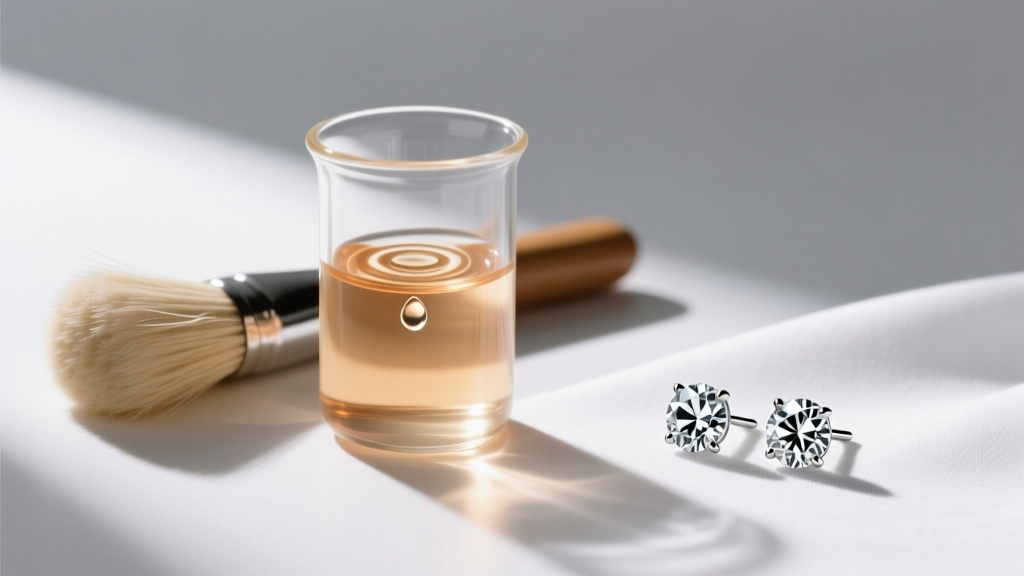
- The Safe Method: Soak the earrings in a small glass beaker of warm water mixed with a few drops of mild, ammonia-free dish soap for 20 minutes. Gently agitate the pavilion with a soft baby toothbrush or horsehair brush. Rinse with distilled water and dry with a lint-free microfiber cloth.
- The Danger Zone: Avoid ultrasonic cleaners if your diamonds are fracture-filled, clarity-enhanced, or set in pave. High-frequency vibrations can shatter treated stones or shake loose the micro-prongs in a halo setting.
Ear Lobe Tissue Elasticity and Sagging
Not all earring troubleshooting is about the metal; sometimes, the issue is biological. Over time, the collagen matrix in the earlobe breaks down, especially if you frequently wear heavy diamond studs or hoops. A standard piercing hole can stretch from 0.8mm to over 2.5mm.
When the fistula (piercing hole) stretches, the earring post has too much 'play' inside the ear, causing the diamond head to tilt downward. The immediate fix is to use adhesive earlobe support patches (such as BlingDots or LobeWonder), which distribute the weight of the earring across a wider surface area of the ear. The permanent fix is a minor in-office dermatological procedure called earlobe revision, where the stretched tissue is surgically reduced and re-pierced.
Professional Repair Cost Guide (2026 Bench Jeweler Rates)
If your troubleshooting requires professional intervention, it is important to know the current market rates for common diamond earring repairs. Prices vary based on the metal type and the complexity of the setting.
- Laser Welding a Broken Post: $55 - $95 (Platinum posts cost roughly 20% more to weld due to the higher melting point and specialized argon gas shielding required).
- Re-tipping a Worn Prong: $40 - $75 per prong. (A standard 4-prong solitaire head will cost between $160 and $300 if all four prongs are severely worn).
- Rhodium Plating (White Gold): $45 - $80 per pair. Required every 12-18 months to maintain the bright white color and prevent the yellowish undertone of white gold from showing.
- Thread Replacement (Screw Backs): $60 - $110. If you cross-thread and strip the post, the jeweler must cut off the old post and solder on a new threaded component.
For any structural repairs, always seek out a credentialed bench jeweler. You can locate certified professionals and gemologists through directories like the American Gem Society (AGS) to ensure your high-value diamond earrings are handled with precision.
Conclusion
Troubleshooting diamond earrings requires looking beyond the gemstone and examining the mechanical interplay between the post, the backing, the setting, and the earlobe itself. By matching the correct post gauge to your diamond's carat weight, upgrading to secure locking backs, and maintaining a strict, oil-free cleaning regimen, you can ensure your diamond studs sit perfectly straight and sparkle brilliantly for decades. For deeper insights into long-term diamond care and structural integrity, consult the educational resources provided by the Gemological Institute of America (GIA).


