How to Choose the Safest Earring for Baby Girl: A Step-by-Step Guide
Learn how to choose the perfect earring for baby girl with our step-by-step guide on safe metals, gauge sizes, and hypoallergenic backing options.


The Weight of the Decision: Safety First
Selecting the first earring for baby girl milestones is an emotional and exciting moment for many parents. However, beneath the aesthetic appeal of tiny gold studs and sparkling gems lies a complex matrix of metallurgical safety, anatomical considerations, and infection prevention. An infant's immune system is still developing, and their skin is remarkably sensitive to heavy metals and allergens. Furthermore, the mechanical design of the earring must account for a baby's natural tendency to grab, pull, and explore their environment. This comprehensive, step-by-step guide cuts through the marketing fluff to provide you with actionable, expert-level criteria for choosing the safest, most biocompatible jewelry for your child's first piercing.
Step 1: Decoding Metal Grades and Allergies
The most critical factor in selecting an earring for baby girl is the metallurgical composition of the jewelry. The market is flooded with misleading terms like 'hypoallergenic' and 'surgical steel,' which are largely unregulated marketing buzzwords rather than scientific guarantees.
Implant-Grade Titanium (ASTM F136)
This is the gold standard for initial piercings across all age groups. Implant-grade titanium contains zero nickel, making it completely biocompatible. According to the Association of Professional Piercers (APP), ASTM F136 titanium is the exact material used in surgical implants, meaning the body will not recognize it as a foreign threat. It is lightweight, highly resistant to corrosion, and will not react with the saline solutions used during aftercare.
14k or 18k Solid Gold (Nickel-Free)
If you prefer the traditional look of gold, you must opt for 14k or 18k solid gold that is specifically alloyed without nickel. Yellow gold is generally safer than white gold, as white gold is frequently alloyed with nickel to achieve its silvery hue. Avoid gold-plated or gold-filled jewelry entirely; the plating can easily wear off or chip during the healing process, exposing the underlying base metal (often brass or copper) to the open wound, leading to severe contact dermatitis.
Metals to Strictly Avoid
- Surgical Steel: This is a vague term that often encompasses 316L stainless steel, which contains 8-10% nickel. Even if marketed as 'hypoallergenic,' the nickel release can trigger allergic contact dermatitis, causing the earlobe to swell, weep, and reject the jewelry.
- Sterling Silver: While beautiful, silver tarnishes when exposed to moisture and oxygen. The oxidation process can cause a condition called localized argyria, permanently staining the baby's healing tissue gray or black.
Step 2: Selecting the Right Gauge and Post Length
Gauge refers to the thickness of the earring post, while post length determines how much room is left for the earlobe to swell. Choosing the correct dimensions prevents the 'cheese-cutter effect,' where a post that is too thin slices through the delicate infant tissue if snagged on a blanket or clothing.
| Gauge Size | Millimeter (mm) | Expert Recommendation for Infants |
|---|---|---|
| 20G | 0.81mm | Common in retail mall kiosks, but too thin; high risk of migration and tearing if snagged. |
| 18G | 1.02mm | The ideal standard. Provides necessary structural integrity while remaining delicate and lightweight. |
| 16G | 1.29mm | Excellent for long-term healing in adults, but generally too heavy and thick for a newborn's underdeveloped lobe. |
For post length, an 18G post measuring 6mm (1/4 inch) is typically optimal for the initial piercing to accommodate the first two weeks of inflammatory swelling. Once the swelling subsides, a professional piercer should downsize the post to 5mm to ensure the jewelry sits flush against the ear, preventing the baby from catching it on their fingers.
Step 3: Choosing the Safest Backing Mechanism
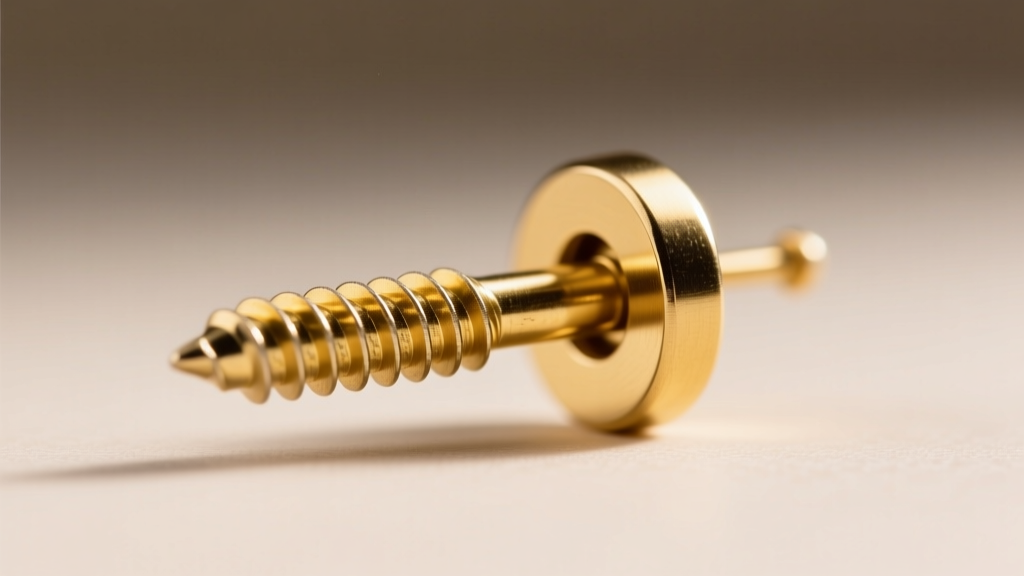
The backing of the earring is just as important as the front. Standard friction backs (commonly known as butterfly backs) are an absolute contraindication for infants. The tiny metal scroll design harbors bacteria, dead skin cells, and soap residue, creating a breeding ground for infection. More dangerously, friction backs can easily be pulled off by a baby's wandering hands, presenting a severe choking hazard.
The Mandate for Screw-Backs
When shopping for an earring for baby girl, you must exclusively look for internally threaded or threadless screw-back mechanisms. A high-quality pediatric screw-back features a threaded post that screws securely into a smooth, rounded safety nut. This design ensures the earring cannot be easily removed by the child and eliminates the sharp prongs that scratch the sensitive skin behind the ear. Brands specializing in pediatric jewelry often utilize a specialized clutch that requires a specific tool or significant adult torque to remove, offering peace of mind while the child sleeps.
Step 4: The Piercing Procedure: Needle vs. Gun
While this guide focuses on selecting the earring, the tool used to insert it dictates the healing trajectory. The American Academy of Pediatrics (AAP) notes that while there is no universally mandated age for ear piercing, the method used heavily influences infection rates and tissue trauma.
Piercing guns utilize blunt force trauma to shove a sharpened earring post through the tissue, causing micro-tears, crush injuries, and significant blunt-force swelling. Furthermore, the plastic components of piercing guns cannot be sterilized in an autoclave, posing a risk of bloodborne pathogen transmission. Conversely, a single-use, hollow piercing needle cleanly removes a tiny core of tissue, resulting in a smoother wound channel that heals faster and with less scarring. Always seek out an APP-certified professional piercer who uses hollow needles and implant-grade jewelry.
Step 5: Aftercare and Troubleshooting Failure Modes
Even with the perfect titanium earring for baby girl, improper aftercare can lead to complications. The modern consensus in professional piercing has moved away from harsh chemicals like rubbing alcohol, hydrogen peroxide, and antibiotic ointments, which destroy the delicate new epithelial cells trying to bridge the wound.
The Sterile Saline Protocol
- Preparation: Wash your hands thoroughly with antibacterial soap before touching the baby's ears.
- Application: Spray sterile, isotonic saline solution (0.9% sodium chloride with no added preservatives or chemicals) directly onto the front and back of the piercing twice a day.
- Drying: Gently pat the area dry using a piece of non-woven sterile gauze. Avoid cotton balls or swabs, as the tiny fibers can wrap around the earring post and embed themselves in the healing fistula.
Troubleshooting Common Issues
If you notice the earlobe becoming excessively red, hot to the touch, or emitting a yellow-green discharge, do not remove the earring. Removing the jewelry can cause the surface holes to close, trapping an infection inside the tissue and potentially forming an abscess. Instead, leave the jewelry in place to allow for drainage and consult your pediatrician immediately for a proper medical evaluation.

Conclusion: Investing in Long-Term Ear Health
Choosing the right earring for baby girl is an exercise in prioritizing biology and safety over fleeting fashion trends. By insisting on ASTM F136 implant-grade titanium or nickel-free 18k gold, selecting an 18-gauge post with a secure screw-back, and relying on a professional hollow-needle technique, you are setting the foundation for a healthy, complication-free piercing. Treat your child's first earrings not just as an accessory, but as a temporary medical device that requires respect, precision, and the highest standard of material integrity.


