How to Clean and Maintain Monster High Earrings
Learn how to safely clean, store, and maintain your Monster High earrings. Expert tips for enamel, acrylic, and alloy novelty jewelry care.

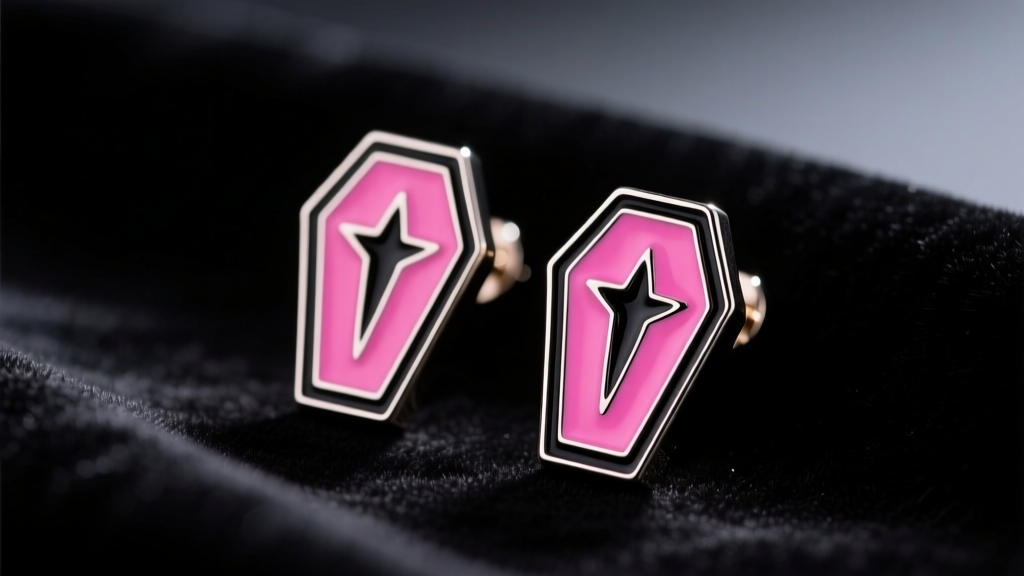
The 2026 resurgence of alt-fashion and nostalgia-driven fandom aesthetics has pushed licensed novelty jewelry into the mainstream collector market. Monster High earrings, ranging from officially licensed mass-produced pieces to custom artisan creations, are no longer just accessories; they are highly sought-after collectibles. However, the unique materials used in these novelty designs—such as zinc alloys, laser-cut acrylics, and layered epoxies—require highly specific maintenance routines. Standard jewelry cleaning methods can permanently cloud acrylic, dissolve structural adhesives, or strip the flash-plating off base metals. This comprehensive guide provides actionable, material-specific protocols to preserve the structural integrity and visual vibrancy of your Monster High ear collection.
Material Identification: What Are Your Earrings Made Of?
Before applying any cleaning agent, you must identify the core materials of your earrings. Mass-market licensed jewelry (often found at mall retailers or pop-culture conventions) relies on different manufacturing techniques than independent resin artists. Understanding these differences is the first step in preventing catastrophic damage.
| Material | Common Use in Fandom Jewelry | Mohs Hardness | Primary Vulnerability |
|---|---|---|---|
| Zamak (Zinc Alloy) | Base metal for coffin/skull charms | 2.5 - 3.0 | Pitting from chlorine, plating wear |
| PMMA (Acrylic) | Laser-cut translucent shapes | 3.0 | Micro-scratches, chemical clouding |
| Hard Enamel | Color fills on metal outlines | 5.0 - 6.0 | Thermal shock cracking, chipping |
| UV Resin | Custom 3D domed character faces | 2.0 - 3.0 | UV yellowing, alcohol degradation |
The Enamel and Zamak Cleaning Protocol
Most officially licensed Monster High earrings feature a Zamak (zinc-aluminum alloy) base that is flash-plated with silver or gold-toned metals and filled with hard or soft enamel. Zamak is highly susceptible to galvanic corrosion if exposed to harsh chemicals. According to the Jewelers of America, porous base metals should never be submerged in commercial silver dips, as the acidic thiourea compounds will strip the plating and leave the raw zinc alloy exposed to rapid oxidation.
Step-by-Step Zamak and Enamel Cleaning
- Prepare a Neutral Bath: Mix three drops of pH-neutral dish soap (like original blue Dawn) into a bowl of lukewarm distilled water. Avoid hot water, which can cause the metal base and glass-based enamel to expand at different rates, leading to micro-fractures.
- Agitate Gently: Dip a soft-bristled baby toothbrush into the solution. Gently sweep the bristles across the enamel fills to dislodge skin oils and cosmetic residue.
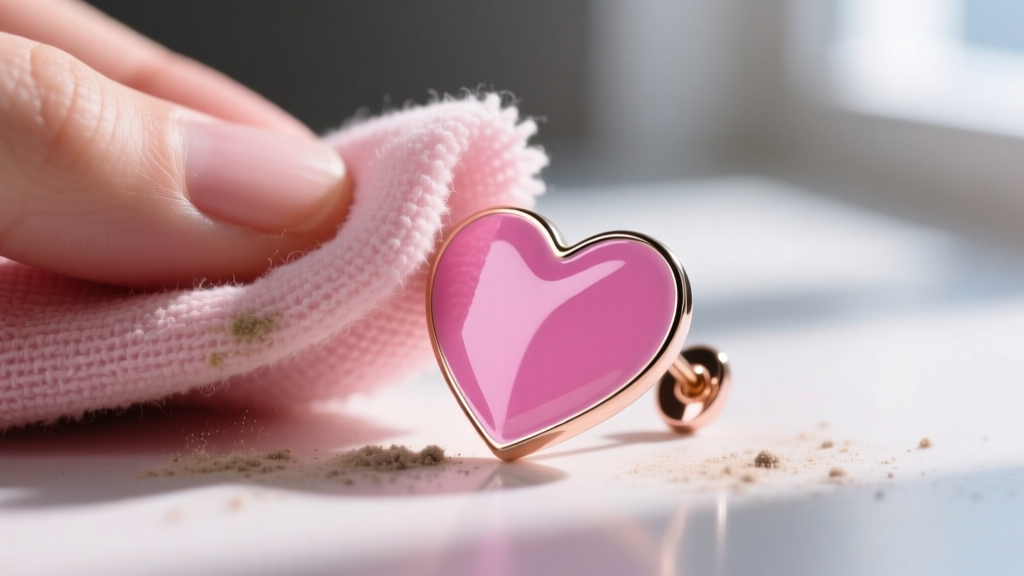
- Rinse and Dry: Rinse briefly under a slow stream of distilled water. Immediately pat dry with a lint-free microfiber cloth. Do not air dry, as tap water minerals will leave hard water spots on the enamel.
Pro-Tip: To restore the luster of the metal outlines without using abrasive polishing pastes, apply a micro-thin layer of Renaissance Wax using a cotton swab. This museum-grade microcrystalline wax creates a moisture barrier that prevents the zinc alloy from tarnishing.
Acrylic, Resin, and the Scratch Hazard
Independent artisans frequently use laser-cut PMMA (acrylic) and UV-cured resins to create intricate, translucent Monster High themed earrings, such as glowing potion bottles or stained-glass style spiderwebs. Acrylic sits at a mere 3.0 on the Mohs scale of mineral hardness, meaning it is softer than a copper penny and easily scratched by dust particles (which often contain microscopic quartz).
The Danger of Ultrasonic Cleaners
Never place acrylic or resin earrings in an ultrasonic jewelry cleaner. The high-frequency cavitation bubbles generated by these machines will cause severe internal stress fractures in acrylic, resulting in a permanent, cloudy 'crazing' effect. Furthermore, the Rio Grande jewelry manufacturing guide warns that ultrasonic vibrations can easily shatter the fragile adhesive bonds used to attach acrylic layers to metal posts.
Safe Acrylic Maintenance
- Use only a clean, high-GSM microfiber cloth to wipe down acrylic surfaces.
- If the acrylic loses its shine, use a specialized plastic polish (like Novus No. 1) applied with a circular motion to buff out micro-scratches.
- Keep resin pieces out of direct, prolonged sunlight to prevent the UV inhibitors from breaking down, which leads to irreversible yellowing.
The Rhinestone Glue Failure Mode
Many novelty earrings feature glued-on rhinestones, tiny metal studs, or layered charms. The industry standard adhesive for these components is E6000 or a similar industrial-grade cyanoacrylate. A common mistake collectors make is using isopropyl alcohol (rubbing alcohol) or acetone-based nail polish remover to clean around these stones. Alcohol acts as a solvent that softens E6000 over time, while acetone will dissolve the bond almost instantly, causing your favorite rhinestone-encrusted skulls to lose their gems. Always clean around glued embellishments with a barely damp cotton swab using only distilled water.
Post Upgrades and Nickel Allergies
To keep production costs low on licensed novelty jewelry, manufacturers frequently use 20-gauge or 18-gauge stainless steel or surgical steel posts. While often labeled 'hypoallergenic,' these posts can contain trace amounts of nickel in the alloy mix, or the protective coating may wear off, leading to contact dermatitis for sensitive ears.
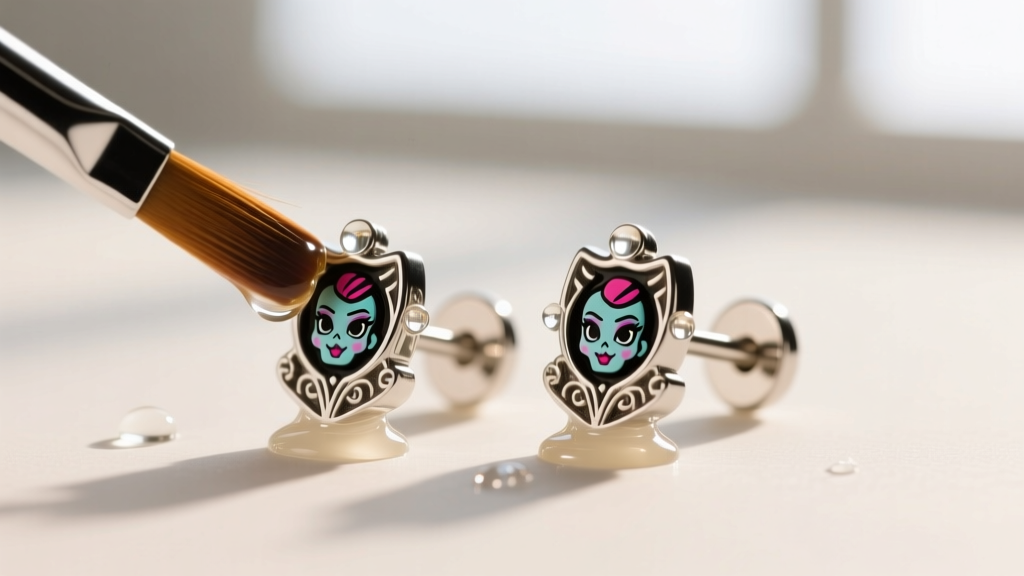
If you experience irritation but refuse to part with your favorite Monster High studs, you have two actionable solutions:
- The Barrier Method: Paint the post and the butterfly backing with a specialized jewelry shield coating or a high-quality clear polyurethane nail polish. This creates a physical barrier between the nickel and your skin. Reapply every 3 to 4 weeks.
- The Post Swap: Take the earrings to a local bench jeweler and ask them to snip off the factory post and laser-weld a hypoallergenic implant-grade titanium (ASTM F-136) post in its place. This typically costs between $15 and $30 per earring but makes the piece permanently wearable for sensitive lobes.
Storage Solutions for Asymmetrical Shapes
Monster High earrings are notorious for their complex, asymmetrical silhouettes. Coffin shapes, spiderweb dangles, and bat-wing silhouettes are magnets for tangling. Storing them in a standard communal jewelry box will inevitably result in bent metal outlines and scratched enamel.
- Compartmentalized Acrylic Organizers: Use stackable acrylic drawers with adjustable dividers. Ensure each earring pair has its own minimum 3x3 inch square of space.
- Anti-Tarnish Strips: Toss a 3M anti-tarnish tab into each drawer. These strips absorb airborne sulfur compounds that cause the silver-toned flash plating on Zamak alloys to turn black.
- Butterfly Backing Security: Replace standard friction butterfly backs with silicone O-rings or locking ear nuts. Novelty earrings are often front-heavy; a standard friction back can easily slide off the 20-gauge post, leading to lost collectibles.
Troubleshooting and Restoration
Even with meticulous care, vintage or heavily worn Monster High earrings may suffer from cosmetic degradation. Here is how to handle the most common failure modes:
Chipped Enamel
If a piece of hard enamel chips out of the metal recess, do not attempt to fill it with nail polish, which will yellow and shrink. Instead, use Tamiya brand model enamel paints. These paints are highly pigmented, self-leveling, and available in hundreds of precise colors. Apply with a 000-size detail brush, let it cure for 48 hours, and seal with a micro-drop of UV resin to match the factory gloss.
Green Skin Staining
If the back of the earring charm turns your skin green, the copper flash-layer beneath the top plating is reacting to your skin's natural acidity and sweat. Clean the back of the charm with a baking soda paste to neutralize the oxidation, then seal the entire back surface with a brush-on jewelry guard.
By understanding the specific chemical and physical properties of the materials used in Monster High earrings, you can ensure your collection remains as vibrant and spooky as the day you unboxed it. Proper maintenance is the difference between a fleeting accessory and a lifelong collectible.


