The Ultimate Guide to Buying White Gold Chandelier Earrings
Discover what to look for when buying white gold chandelier earrings. Expert advice on karat weights, backings, gemstones, and pricing.

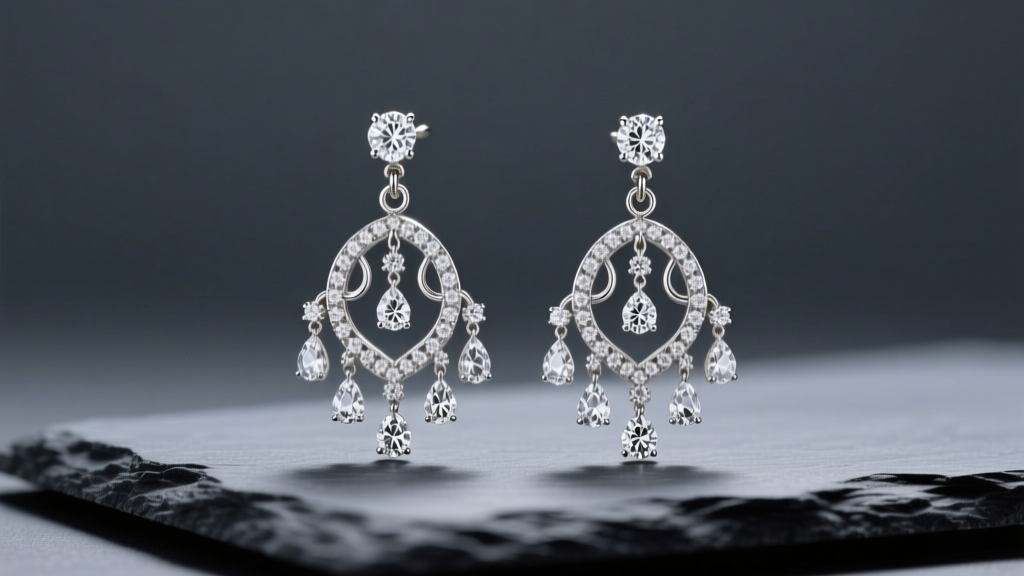
Understanding the Appeal and Complexity of Chandelier Earrings
White gold chandelier earrings represent the pinnacle of kinetic jewelry design. Unlike static studs or simple hoops, chandelier earrings are complex, multi-tiered structures that rely on articulation, precise weight distribution, and high-quality metallurgy to function as wearable art. When evaluating these pieces, buyers must look far beyond the initial sparkle. The cascading tiers of a chandelier earring create a unique visual rhythm, but they also introduce structural vulnerabilities that mass-market jewelers often overlook. In this comprehensive buying guide, we break down the exact metallurgical standards, ergonomic backings, and gemstone grading metrics you need to scrutinize before investing in fine white gold chandelier earrings.
The Metallurgy of White Gold: 14K vs. 18K and the Rhodium Factor
One of the most common misconceptions in fine jewelry is that white gold is naturally white. In reality, white gold is an alloy of pure yellow gold mixed with white metals such as nickel, palladium, or silver. To achieve the brilliant, mirror-like finish associated with platinum or silver, the piece is electroplated with a microscopic layer of rhodium, a rare platinum-group metal. According to the Jewelers of America, the karat weight you choose drastically affects both the durability and the long-term maintenance of your earrings.
| Feature | 14K White Gold | 18K White Gold |
|---|---|---|
| Gold Purity | 58.5% Pure Gold | 75.0% Pure Gold |
| Base Color (Unplated) | Faint warm gray (whiter alloy) | Noticeable pale yellow tint |
| Durability | Highly durable, resists bending | Softer, articulation joints may wear faster |
| Allergy Risk | Higher (if nickel alloy is used) | Lower (often alloyed with palladium) |
| Best For | Heavy, multi-tiered chandeliers | Delicate, high-end diamond pieces |
Expert Insight: For heavy chandelier earrings, 14K white gold is often the superior structural choice. The higher percentage of alloy metals makes the wire and jump rings more rigid, preventing the lower tiers from permanently bending if the earring is dropped. Furthermore, when the rhodium plating inevitably wears thin on the high-friction articulation points, 14K white gold will show less yellowing than 18K, reducing the frequency of required replating.
Structural Integrity: Backings and Weight Distribution
The most frequent point of failure in chandelier earrings is the backing mechanism. A standard butterfly friction post is entirely inadequate for a chandelier design. Because the bulk of the visual weight and physical mass is concentrated in the lower tiers, the center of gravity sits far below the earlobe. This creates a fulcrum effect: the heavy bottom pulls the top forward, causing the post to angle downward, which not only looks sloppy but can irritate the piercing channel over time.
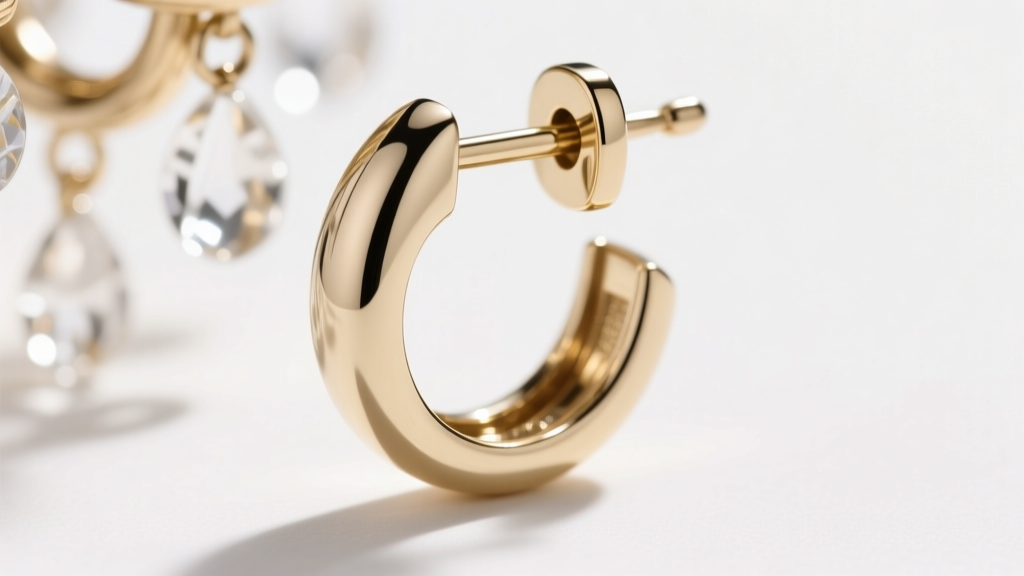
The Best Backings for Chandelier Designs
- Hinged Leverbacks: The gold standard for chandelier earrings. The hinged wire passes through the ear and snaps securely into a tension catch. This provides a fixed pivot point that allows the earring to swing naturally without drooping.
- Omega Backs (Clip-ons): Ideal for extremely heavy, statement-making chandeliers. The wide, curved paddle of an omega back distributes the weight across a large surface area of the lower earlobe, preventing tearing and providing immense stability.
- French Wire with Silicone O-Rings: If you prefer the classic shepherd's hook, you must use jumbo silicone stoppers. The friction of the silicone grips the earlobe tightly, counteracting the downward pull of the cascading tiers.
Articulation and Gemstone Security in Motion
Chandelier earrings are kinetic; they move with every turn of the head. This constant motion places immense stress on the jump rings connecting the tiers and the settings holding the gemstones. When inspecting a piece, check the articulation joints. They should move fluidly but not feel loose or rattly.
Regarding gemstones, the lower tiers of a chandelier earring are highly susceptible to snagging on hair, scarves, and clothing. While traditional prong settings maximize light return, they are a liability on the bottom tiers. Look for micro-pavé or bezel settings for the lowest cascading elements. These settings wrap the metal securely around the diamond's girdle, drastically reducing the risk of a stone being dislodged during daily wear. For the melee diamonds (stones under 0.15 carats) typically used in these designs, the Gemological Institute of America (GIA) notes that color matching is far more critical than flawless clarity. Ensure the diamonds are graded in the G-H (near colorless) range; anything lower (I-J-K) will reflect a yellowish tint that clashes with the bright white rhodium plating of the gold.
Proportion and Face Shape Pairing
The architectural nature of white gold chandelier earrings makes them a powerful tool for balancing facial proportions. However, choosing the wrong silhouette can disrupt your natural harmony.
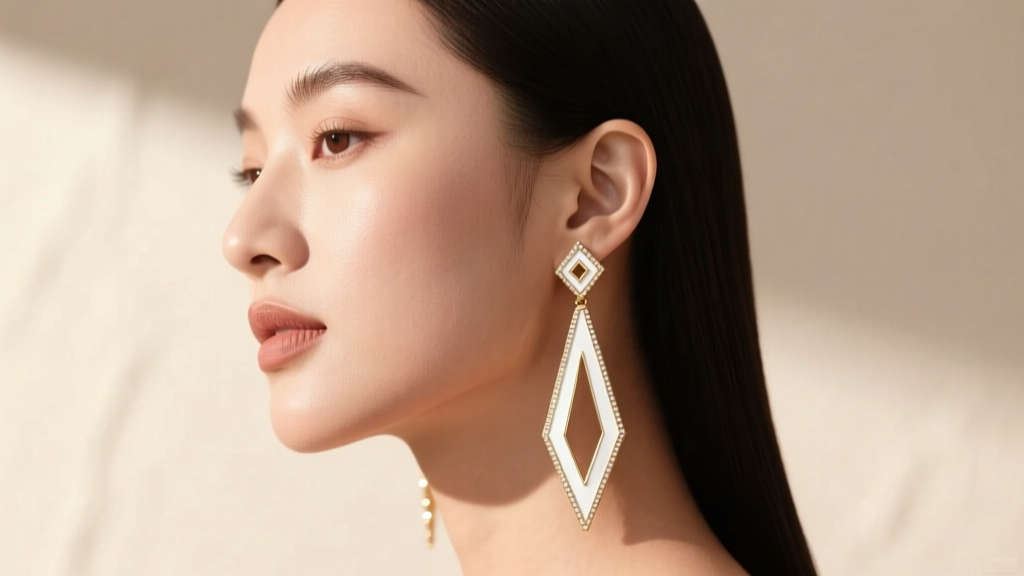
Styling Framework by Face Shape
- Round Faces: Avoid wide, circular, or hoop-based chandeliers. Opt for elongated, linear, or geometric chandelier designs that drop at least two inches below the earlobe. The vertical lines create a slimming, lengthening optical illusion.
- Square Faces: Soften a strong jawline with chandelier earrings that feature curved motifs, teardrop terminations, or oval gemstones at the base of the tiers. Avoid harsh, angular geometric shapes.
- Oval Faces: The most versatile shape. You can carry off wide, dramatic, and triangular chandelier designs that add volume to the sides of the face without disrupting your natural balance.
- Heart-Shaped Faces: Look for chandelier earrings that are wider at the bottom than at the top (teardrop or pear-shaped cascades). This adds visual weight to the narrower lower half of the face, balancing a wider forehead.
Pricing Tiers and Market Expectations in 2026
When shopping for white gold chandelier earrings, pricing is dictated by the karat weight, the complexity of the metalwork, and the carat weight of the diamond melee. Beware of pieces priced suspiciously low; they are often hollow-cast (electroformed) gold, which dents easily and cannot be repaired by a jeweler if a jump ring breaks.
- Entry-Level Fine ($600 - $1,500): Solid 14K white gold featuring high-quality cubic zirconia or lab-grown diamond melee. Excellent for occasional evening wear. Expect leverback closures and standard prong settings.
- Mid-Tier Luxury ($2,500 - $6,000): Solid 14K or 18K white gold with natural earth-mined diamonds (typically 1.00 to 2.50 total carat weight). This tier introduces intricate metalwork, milgrain detailing, and secure micro-pavé settings on the lower tiers.
- Haute Joaillerie ($10,000 - $35,000+): 18K white gold or platinum hybrids featuring premium VVS/VS clarity diamonds, articulated with hidden hinges for seamless movement. These pieces are often custom-designed or produced in limited runs by heritage houses.
Final Pre-Purchase Checklist
Before finalizing your investment in white gold chandelier earrings, run through this quick diagnostic checklist:
- Check the Stamp: Ensure the earring is stamped with a legitimate hallmark (14K, 585, 18K, or 750) and a maker's mark.
- Test the Swing: Hold the earring by the top bail. It should dangle straight down without twisting or favoring one side, indicating balanced weight distribution.
- Inspect the Joints: Use a jeweler's loupe (or your phone's macro camera) to ensure the jump rings connecting the tiers are fully soldered or tightly closed, with no visible gaps.
- Verify the Backing: Reject standard butterfly backs for heavy chandeliers; insist on leverbacks, omega clips, or purchase heavy-duty silicone stoppers.
By prioritizing structural engineering and metallurgical quality over sheer carat weight, you ensure your white gold chandelier earrings remain a secure, brilliant, and comfortable staple in your fine jewelry wardrobe for decades to come.


