Candy Earrings Material Guide: Resin, Enamel & Glass
Discover the best materials for candy earrings. Compare resin, enamel, glass, and anodized titanium for durability, weight, and hypoallergenic safety.

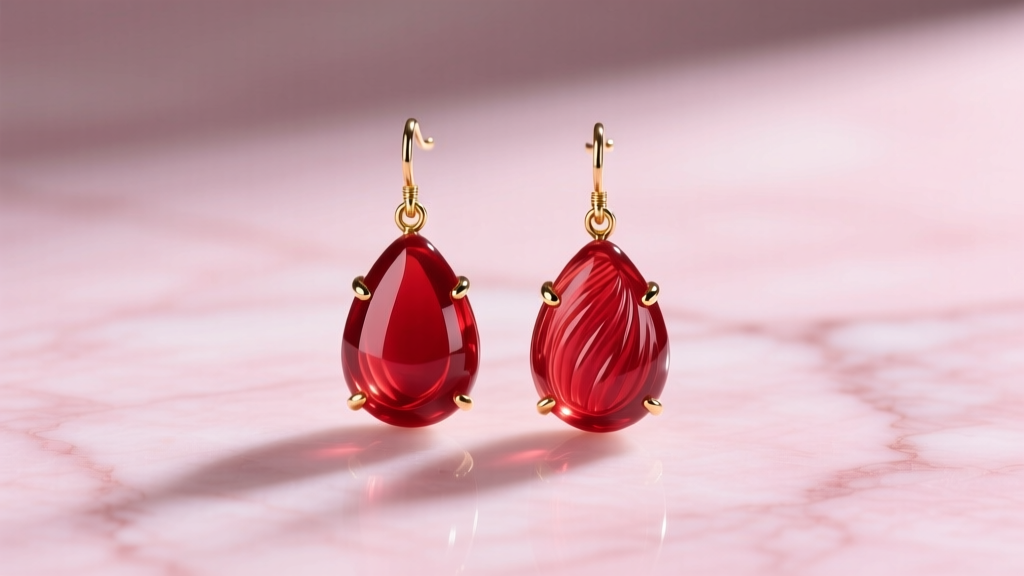
The Anatomy of Candy Earrings: Beyond the Sugar Rush
The 'candy' aesthetic in jewelry is defined by high-saturation colors, playful motifs (like gummy bears, hard candies, and lollipops), and a distinctly chunky or glossy silhouette. However, the visual appeal of candy earrings often masks critical material science realities. When you are wearing a miniature, bright pink resin gummy bear on your earlobe, the physical properties of that material dictate not just its lifespan, but your skin's biological response to it.
As a senior jewelry analyst, I frequently see consumers purchase vibrant candy earrings based solely on color accuracy, only to experience contact dermatitis, lobe stretching, or rapid material degradation. This guide breaks down the exact material properties of the most common candy earring mediums—resin, enamel, glass, and anodized titanium—to help you make an informed, skin-safe investment.
Material Showdown: Acrylic, Enamel, and Glass
The vibrant, translucent, or opaque colors required for the candy look are typically achieved through three primary decorative materials. Each possesses a distinct hardness rating on the Mohs scale and a unique failure mode.
Acrylic and UV Resin: The Lightweight Contenders
Most mass-market candy earrings are crafted from PMMA (polymethyl methacrylate), commonly known as acrylic, or UV-cured epoxy resins. Acrylic is incredibly lightweight, boasting a specific gravity of just 1.18 g/cm³, making it ideal for oversized, chunky candy hoops that won't drag down the earlobe.
- Hardness: 3 on the Mohs scale. Highly susceptible to micro-scratches from daily wear or improper storage.
- Failure Mode: Photodegradation. UV resin and acrylic will inevitably yellow when exposed to prolonged sunlight due to the breakdown of polymer chains. Clear 'hard candy' acrylic earrings will often take on a brassy tint within 12 to 18 months of daily outdoor wear.
- Price Range: $15 - $45 for high-quality, hand-poured artisan pieces.
Vitreous vs. Cold Enamel: The Colorfast Classics
Enamel provides that quintessential, glass-like 'hard candy' shine. However, there is a massive difference between vitreous enamel and cold enamel (epoxy).
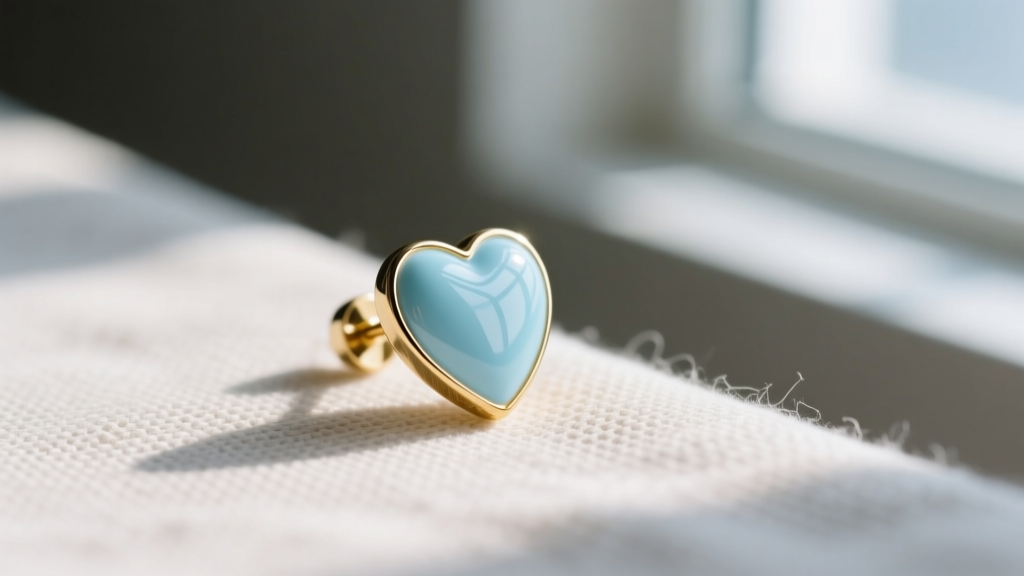
Vitreous enamel is essentially powdered glass fused to a metal base at temperatures exceeding 1,400°F (760°C). It is completely colorfast, UV-resistant, and boasts a hardness of 5 to 6 on the Mohs scale. According to the Encyclopedia Britannica's guide to enamelwork, this ancient technique yields a permanent, jewel-like finish that will never yellow. Cold enamel, conversely, is simply pigmented resin painted into metal recesses and cured. It mimics the look of vitreous enamel but shares acrylic's vulnerability to UV yellowing and chemical degradation from perfumes.
Lampwork Glass: Unmatched Depth, Problematic Weight
For artisan candy earrings (like realistic glass gummy bears or candy corn), lampwork glass is the premium choice. Glass offers unparalleled optical clarity and depth. However, glass has a specific gravity of roughly 2.5 g/cm³—more than double that of acrylic. A pair of 1-inch glass candy drop earrings can easily weigh 18 to 24 grams, which brings us to the critical issue of earlobe mechanics.
The Base Metal Factor: Preventing Contact Dermatitis
The decorative material is only half the battle; the post or wire piercing your skin is where biological reactions occur. Many cheap candy earrings use brass or nickel-silver alloys as a base metal to keep costs low, merely plating them with a thin layer of gold or silver. Once that plating wears off, the nickel leaches into the skin.
'Nickel allergy is a common cause of allergic contact dermatitis. Once you develop a nickel allergy, you're likely to have it for the rest of your life, making the choice of hypoallergenic base metals critical for any daily-wear jewelry.' — Mayo Clinic
For candy earrings, always verify that the post is made of ASTM F136 Implant-Grade Titanium, Niobium, or at minimum, 14k/18k solid gold. Avoid 'surgical steel' (316L) for fresh piercings or highly sensitive ears, as it still contains trace amounts of nickel that can trigger reactions in hyper-sensitive individuals.
Anodized Titanium: The Hypoallergenic Candy Alternative
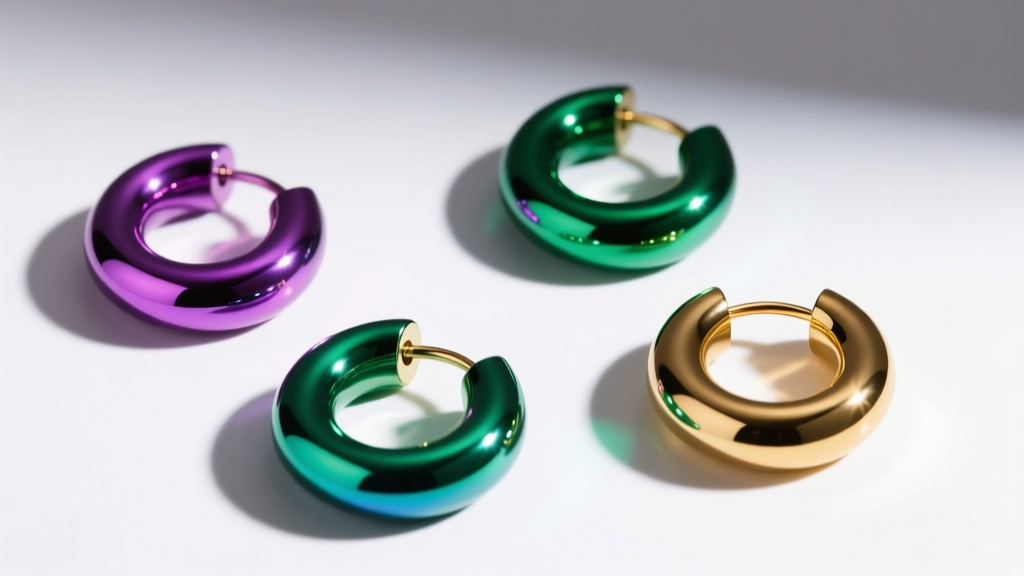
If you want the vibrant, metallic-candy aesthetic without the allergy risk or the weight of glass, anodized titanium is the ultimate material hack. Anodizing is an electrolytic process that thickens the natural oxide layer on the titanium surface. By altering the voltage, jewelers can create vivid, permanent 'candy' colors without using any dyes or paints.
- 15 Volts: Champagne / Gold
- 20 Volts: Deep Purple (Grape)
- 30 Volts: Bright Blue (Blue Raspberry)
- 90 Volts: Vibrant Green (Green Apple)
Because the color is a structural property of the oxide layer (interference colors), it will never chip, fade, or cause an allergic reaction. Anodized titanium candy-shaped huggies or clickers are currently the gold standard for cartilage piercings.
Comparative Data: Weight, Durability, and Pricing
| Material | Mohs Hardness | Specific Gravity (Weight) | UV Resistant? | Avg. Price (Studs) |
|---|---|---|---|---|
| UV Resin / Acrylic | 2.5 - 3.0 | 1.18 g/cm³ (Very Light) | No (Yellows) | $15 - $35 |
| Cold Enamel (Epoxy) | 2.0 - 3.0 | 1.10 - 1.20 g/cm³ | No (Fades) | $25 - $50 |
| Vitreous Enamel | 5.0 - 6.0 | 2.40 g/cm³ (Moderate) | Yes (Permanent) | $60 - $150 |
| Lampwork Glass | 5.5 - 6.5 | 2.50 g/cm³ (Heavy) | Yes (Permanent) | $40 - $90 |
| Anodized Titanium | 6.0 | 4.50 g/cm³ (Dense but thin) | Yes (Structural) | $30 - $75 |
Lobe vs. Cartilage: Weight Tolerances for Chunky Sweets
When selecting candy earrings, you must map the material's weight to your specific piercing location. The structural integrity of ear tissue varies drastically between the lobe and the cartilage.
The Earlobe: Managing Gravity
A standard earlobe can comfortably support 10 to 14 grams per earring for extended daily wear. If you purchase heavy glass or vitreous enamel candy drop earrings that exceed 15 grams, you risk gradual lobe stretching and migration of the piercing hole. For heavy glass pieces, opt for 18-gauge (1.0mm) or 16-gauge (1.2mm) posts rather than the flimsy standard 20-gauge (0.8mm) to distribute the shear stress across a wider surface area of tissue.
The Cartilage: Avoiding Rejection
Cartilage (helix, conch, tragus) is highly unforgiving. Heavy jewelry causes continuous micro-trauma, leading to inflammation, irritation bumps, and eventual piercing rejection. If you want candy-themed earrings in your cartilage, you must strictly limit the weight to under 5 grams. This makes acrylic, UV resin, or hollow-cast anodized titanium the only viable options for helix candy cuffs or cartilage studs. Ensure the post is a 16-gauge (1.2mm) flat-back labret to prevent the heavy decorative front from pressing into the back of the ear.
Care and Maintenance for Vibrant Colors
The maintenance protocol for candy earrings is entirely dependent on the material matrix. A single mistake in cleaning can permanently ruin the optical clarity of your jewelry.
- Resin and Acrylic: Never use alcohol-based cleaners, hand sanitizers, or ultrasonic jewelry cleaners. Alcohol causes micro-fractures (crazing) in acrylic, turning clear 'hard candy' pieces permanently cloudy. Clean only with lukewarm water, mild dish soap, and a microfiber cloth.
- Vitreous Enamel: While the enamel itself is virtually indestructible to chemicals, the metal base is not. Avoid harsh dips. The primary risk to vitreous enamel is blunt force; dropping a vitreous enamel candy earring on a tile floor will cause the glass to shatter and flake off the metal backing.
- Anodized Titanium: Highly durable, but the oxide layer can be scratched by abrasive polishing cloths. Use a soft-bristled toothbrush and mild soap to clean behind the colorful structural grooves.
Final Verdict: Choosing Your Sweet Spot
The ideal material for your candy earrings depends entirely on your piercing location, budget, and biological sensitivities. If you are looking for oversized, dramatic statement pieces for stretched or standard lobes, UV Resin and Acrylic offer the best size-to-weight ratio, provided you accept their limited lifespan regarding UV yellowing. For heirloom-quality, permanent color that will outlast you, invest in Vitreous Enamel over solid 14k gold. Finally, for sensitive skin and cartilage placements where weight and biocompatibility are non-negotiable, Anodized Titanium remains the undisputed champion of the candy aesthetic.


