Cape Cod Earrings: Technical Guide to Screwball Studs
Discover the mechanics, metallurgy, and threading specs of authentic Cape Cod earrings. Learn how to prevent cross-threading and maintain screwball studs.

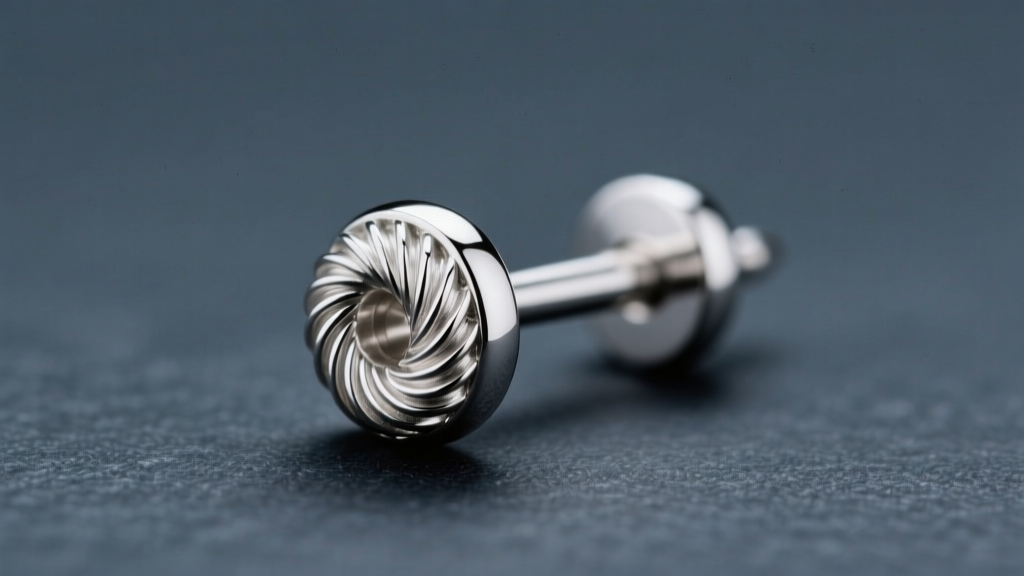
The Anatomy of Authentic Cape Cod Screwball Earrings
When discussing iconic regional jewelry, few designs possess the mechanical ingenuity and historical weight of authentic Cape Cod earrings. Originally pioneered in the 1960s by the Edwards Brothers in Dennis, Massachusetts, the Cape Cod screwball design is far more than a simple aesthetic choice. Unlike standard friction-back studs that rely on the tension of a butterfly clutch, or threaded flat-backs that screw into a stationary labret post, the classic Cape Cod earring features a fully removable, internally tapped sphere (the screwball) that threads directly onto a male post.
This design was initially conceived to prevent the loss of the decorative sphere during the rigorous coastal activities of Cape Cod residents. Today, it remains a benchmark for secure, semi-permanent ear lobe jewelry. However, the longevity of these earrings depends entirely on the precision of their manufacturing. A genuine Cape Cod screwball earring requires exact tolerances in thread pitch, post gauge, and metallurgical hardness to function without degrading over time.
Metallurgy and Material Specifications
The structural integrity of a threaded earring post is dictated by its alloy composition. Pure silver (999 fine) is entirely unsuitable for machined threads due to its low Vickers hardness (approximately 25 HV). If a screwball were threaded onto pure silver, the friction of daily wear would strip the male threads within weeks.
Sterling Silver (925) vs. 14k Gold Alloys
Authentic Cape Cod earrings are predominantly crafted from .925 sterling silver or 14k gold. Sterling silver contains 92.5% pure silver and 7.5% copper. The copper inclusion is critical; it raises the Vickers hardness to roughly 65 HV, providing enough tensile strength to hold a micro-thread while remaining malleable enough to be tapped without cracking. According to the Gemological Institute of America (GIA), the precise ratio of copper to silver also dictates the alloy's tarnish rate, as copper is highly reactive to atmospheric sulfur.
For 14k gold Cape Cod earrings, the alloy consists of 58.5% pure gold, with the remaining 41.5% comprising silver, copper, and sometimes zinc. This yields a significantly harder material (often exceeding 120 HV depending on the exact quenching process), making 14k gold screwball posts highly resistant to thread deformation and stripping.
Thread Pitch and Gauge Tolerances
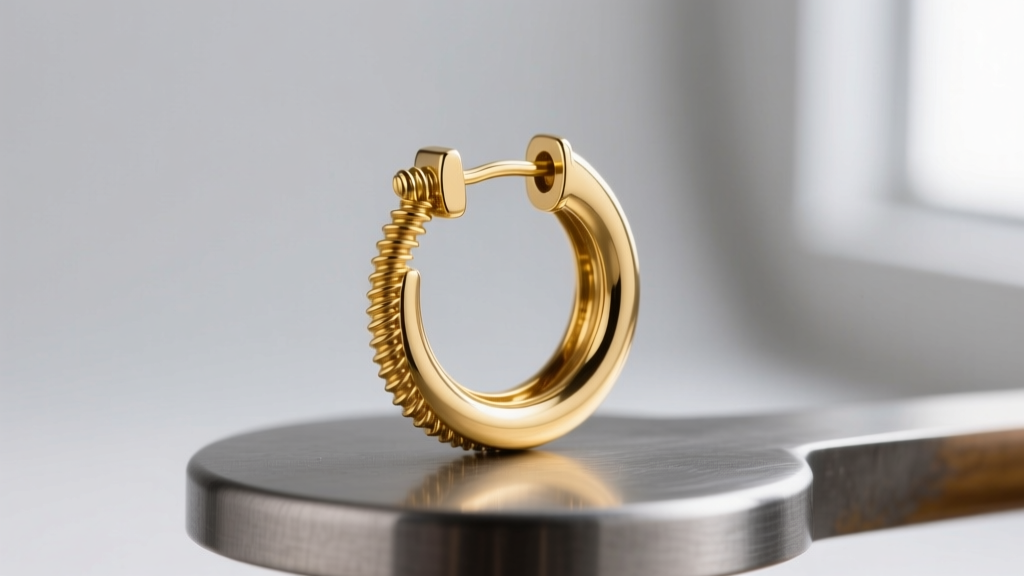
The mechanics of the screwball rely on micro-threading. Standard post gauges for Cape Cod studs are typically 18-gauge (1.02mm diameter) or 20-gauge (0.81mm diameter). For an 18-gauge post, the thread is usually cut to an M1.0 metric standard with a fine pitch of 0.25mm. This means the screwball advances 0.25mm along the post with every full 360-degree rotation.
Manufacturing these threads requires a high-precision tap and die process. Mass-market imitations often use cast threads—where the mold includes the thread pattern—resulting in shallow, rounded peaks that fail to engage deeply with the internal tap of the sphere. Genuine pieces utilize machined threads, cut directly into the drawn wire, ensuring sharp, distinct V-shaped thread profiles that lock securely.
Common Failure Modes and Troubleshooting
Despite their robust design, Cape Cod earrings are susceptible to specific mechanical failures if mishandled. Understanding these failure modes is essential for both jewelers and collectors.
- Cross-Threading: The most frequent point of failure. If the sphere is not perfectly aligned with the post axis when rotation begins, the internal female threads will cut across the male threads. Because sterling silver is relatively soft, forcing a cross-threaded ball will permanently gouge the post, rendering it useless.
- Thread Stripping (Overtightening): Applying excessive torque when securing the ball can cause the male threads to shear off. This is particularly common when the threads are compromised by dried sebum or cosmetic debris, which increases friction and prompts the user to apply more force.
- Sphere Detachment: If the internal tap of the screwball wears down over decades of use, the ball may slowly unthread due to the natural kinetic movement of the earlobe, leading to loss of the component.
"To recover a slightly cross-threaded silver post, never use pliers. Secure the post in a soft-jawed vise, apply a micro-drop of synthetic watch oil to the threads, and gently reverse the sphere using only your fingertips until it passes the damaged groove." — Master Bench Jeweler Technical Note
Authentic Cape Cod Earrings vs. Mass-Market Imitations
The secondary market and tourist shops are flooded with counterfeit Cape Cod jewelry. Distinguishing an original Edwards Brothers piece from an overseas casting requires examining the technical specifications. According to the historical archives at Edwards Brothers, authentic pieces carry distinct hallmarks and manufacturing qualities.
| Technical Feature | Authentic Edwards Bros. | Mass-Market Imitation |
|---|---|---|
| Thread Manufacturing | Machined/Cut via die | Cast in mold (shallow peaks) |
| Post Gauge Consistency | Strict 18G (1.02mm) or 20G | Variable, often undersized |
| Hallmark Stamping | Edwards Bros anchor/trident mark | Generic "925" or unmarked |
| Sphere Alignment | Perfectly concentric to post | Often slightly off-axis (wobble) |
| Average Price Range (Stud) | $65 - $120 USD | $12 - $25 USD |
Care, Maintenance, and Thread Lubrication
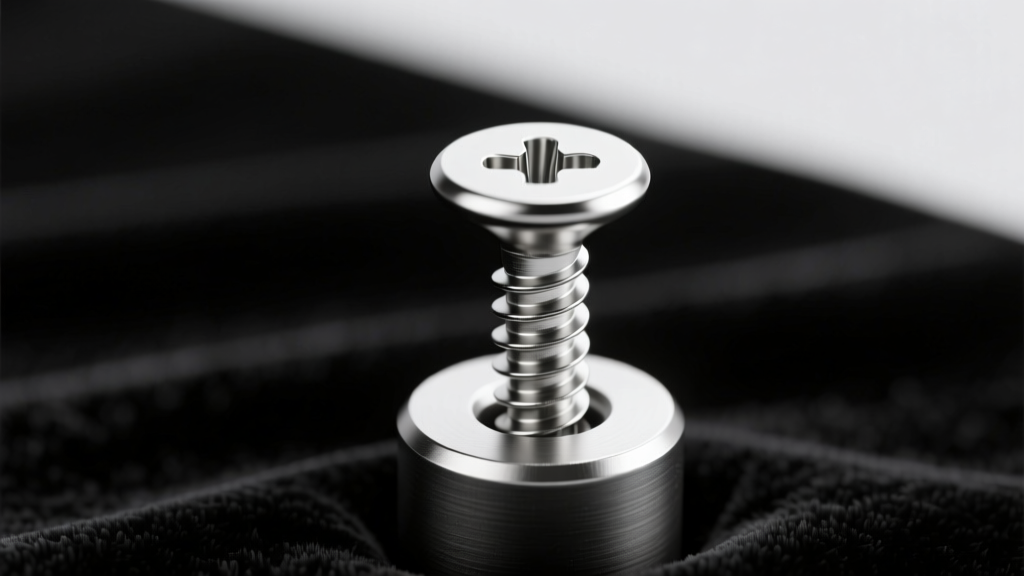
Maintaining the mechanical function of Cape Cod earrings requires a different protocol than standard jewelry cleaning. The primary enemy of the screwball mechanism is particulate buildup within the thread valleys. Dead skin cells, sebum, and lotion residue compact into the 0.25mm pitch gaps, effectively acting as an abrasive grinding paste every time the ball is screwed on or off.
Proper Cleaning Protocol
- Disassemble Completely: Never clean Cape Cod earrings with the ball attached. Unscrew the sphere entirely to expose the male post and the internal female tap.
- Ultrasonic Caution: While ultrasonic cleaners are excellent for blasting debris from thread valleys, prolonged exposure to high-frequency cavitation can degrade certain rhodium platings often applied to sterling silver to prevent tarnish. Limit ultrasonic cycles to 3 minutes.
- Brushing: Use a soft-bristled infant toothbrush dipped in a mild, ammonia-free dish soap solution to gently agitate the threads. Ammonia-based cleaners can cause stress-corrosion cracking in copper-heavy silver alloys.
- Drying and Lubrication: Dry the components completely with compressed air. If the threads feel gritty or bind during assembly, apply a microscopic amount of jeweler's synthetic bearing oil to the male post. Avoid petroleum jelly, which attracts dust and solidifies at room temperature.
For comprehensive bench techniques regarding micro-threading and jewelry repair, resources like Rio Grande offer extensive technical guides on maintaining precision-machined jewelry components. By respecting the metallurgy and mechanics of the Cape Cod screwball, wearers can ensure these iconic earrings remain secure and functional for generations.


