Ultimate Care Guide for BaubleBar Skeleton Earrings
Learn how to safely clean, store, and maintain your BaubleBar skeleton earrings to prevent tarnish, protect plating, and keep stones secure.

Understanding the Anatomy of BaubleBar Fashion Jewelry
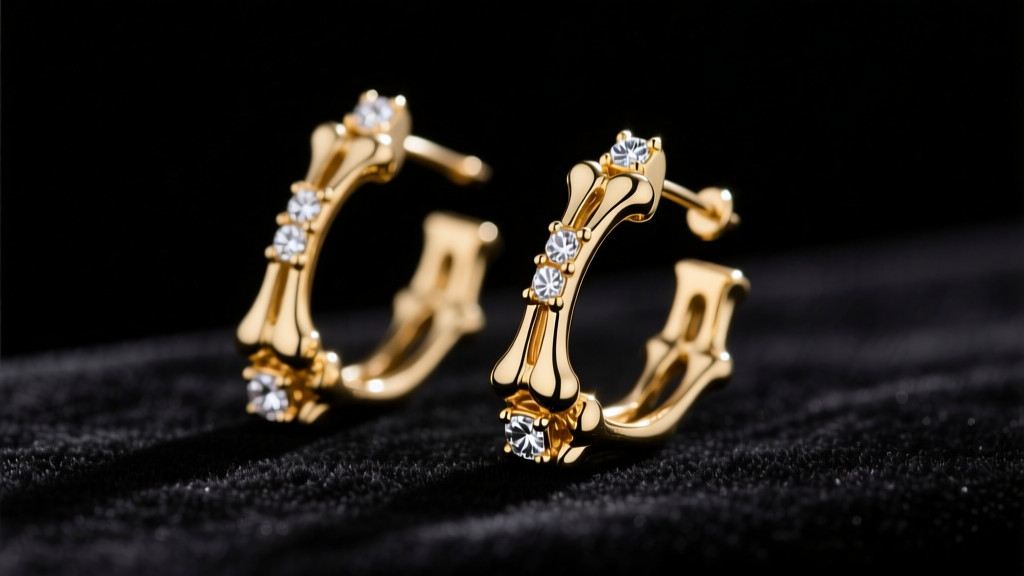
Statement pieces like the BaubleBar skeleton earrings are masterclasses in edgy, seasonal fashion. However, to properly care for them, you must first understand their material composition. Unlike fine jewelry crafted from solid 14k or 18k gold, BaubleBar pieces are classified as fashion or bridge jewelry. They typically feature a base metal core—most commonly brass, an alloy of copper and zinc—that is electroplated with a microscopic layer of gold or rhodium. The plating on fashion jewelry usually ranges from 0.1 to 0.5 microns in thickness, making it highly susceptible to friction, chemicals, and moisture.
Furthermore, the intricate skeletal designs feature deep crevices, faux bone joints, and pave-set cubic zirconia (CZ) stones. According to the Gemological Institute of America (GIA), while CZ itself is a durable simulant, the setting methods used in fashion jewelry differ vastly from fine jewelry. Instead of secure metal prongs, BaubleBar typically uses jewelry-grade epoxy resin to adhere these tiny stones into their micro-bezel or pave settings. This crucial detail dictates everything about how you must clean and handle your skeleton earrings, as harsh chemicals or ultrasonic vibrations will dissolve the epoxy and cause immediate stone loss.
The Daily Wear Rules: Preventing Tarnish and Plating Loss
Prevention is always more effective than restoration, especially when dealing with gold-plated brass. The primary enemy of your BaubleBar skeleton earrings is the lactic acid and natural oils present in human sweat, combined with the sulfur compounds found in the air and many cosmetics. When the gold plating wears thin, the exposed copper in the brass base reacts with these acids to create copper chloride, resulting in the dreaded 'green skin' effect and rapid oxidation of the metal.
- The 'Last On, First Off' Rule: Always put your earrings on after applying perfume, hairspray, lotions, and makeup. The alcohol and aerosolized chemicals in these products will instantly strip the gold plating and leave a cloudy film over the CZ stones, dulling their sparkle.
- Remove Before Sweating: Never wear these earrings to the gym, sauna, or while doing household chores. The combination of salt, sweat, and friction will accelerate the wear of the plating on the earring posts and butterfly backs.
- Wipe Down After Wear: Keep a clean, untreated microfiber cloth in your jewelry box. Gently wiping the earrings after every use removes acidic skin oils before they have time to etch into the metal plating.
Step-by-Step Cleaning Routine for Intricate Skeleton Designs
Because the skeleton design features complex geometry—think tiny rib cages, hollow eye sockets, and articulated joints—dirt, dead skin cells, and cosmetic residue easily become trapped in the recesses. Standard wiping is insufficient. You must use a targeted, gentle wet-cleaning method that avoids saturating the epoxy stone settings.
What You Need
| Item | Purpose | Why It Is Safe |
|---|---|---|
| Distilled Water | Base solvent | Free of chlorine and heavy minerals found in tap water that cause spotting and brass oxidation. |
| pH-Neutral Dish Soap | Surfactant | Cuts through skin oils without utilizing harsh degreasers that strip gold plating. |
| Baby Toothbrush | Agitation | Ultra-soft bristles reach into skeletal crevices without scratching the soft brass base or plating. |
| Microfiber Cloth | Drying/Polishing | Lint-free and non-abrasive, ensuring no fibers get caught on the intricate metalwork. |
The Cleaning Process
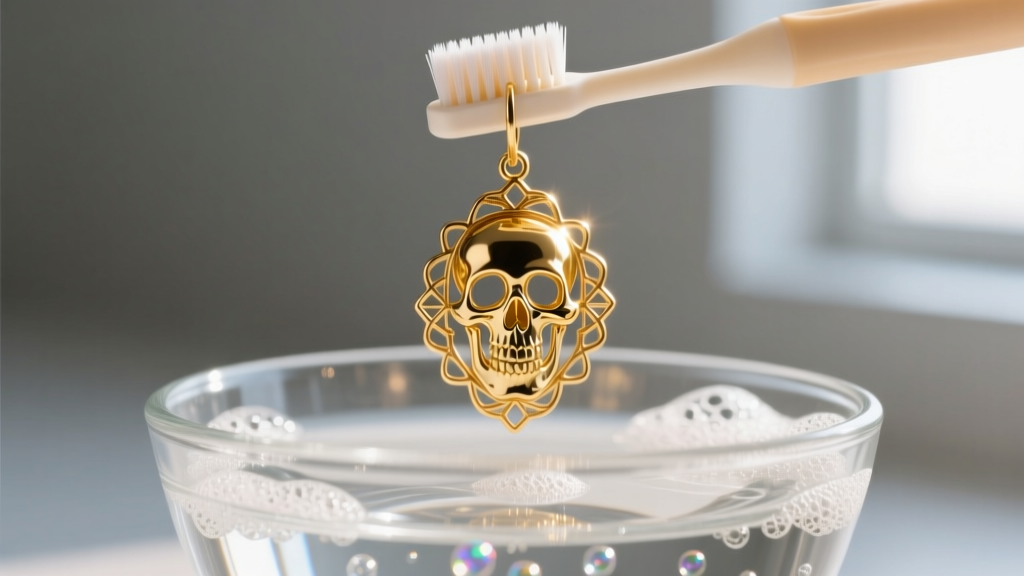
- Prepare the Solution: Mix two drops of pH-neutral dish soap (like Dawn) into a small glass bowl of lukewarm distilled water. Avoid hot water, as heat can soften the epoxy holding the CZ stones.
- Targeted Brushing: Dip the baby toothbrush into the solution, shaking off excess moisture so it is damp, not dripping. Gently brush the crevices of the skeleton design, focusing on the back of the earring where skin contact is highest.
- Quick Rinse: Briefly pass the earrings under a slow stream of distilled water to rinse away the soap suds. Do not let them soak. Prolonged water exposure will seep under the plating and cause the brass to expand and flake.
- Immediate Drying: Pat the earrings dry with a microfiber cloth. To remove trapped moisture from deep skeletal crevices, use a hairdryer on the 'cool' setting or a can of compressed air held at least six inches away.
Critical Warning: Never use silver dip, liquid jewelry cleaners, or ultrasonic machines on BaubleBar earrings. The Jewelers of America explicitly warns that chemical dips designed for solid sterling silver will instantly strip gold plating from brass bases, leaving you with a raw, rapidly tarnishing copper-colored piece.
Troubleshooting Common Issues: Loose Stones and Green Skin
Even with meticulous care, fashion jewelry experiences mechanical and chemical stress. Here is how to address the two most common failure modes associated with intricate statement earrings.
Dealing with the 'Green Skin' Reaction
If the gold plating on the earring post or the back of the skeleton motif has worn away, the exposed brass will react with your skin. To salvage the piece without getting professional re-plating, apply a thin coat of clear, hypoallergenic nail polish to the areas that touch your skin. This creates a physical barrier between the copper alloy and your skin's acidity. Let it cure for 24 hours before wearing. Reapply every few months as the polish wears off.
Re-Setting Loose Pave Stones
If a tiny CZ stone falls out of the skeleton's jaw or ribcage, do not use cyanoacrylate (Super Glue). Super glue cures with a cloudy, white residue and becomes brittle, which will ruin the surrounding stones and metal finish. Instead, purchase a tube of E6000 Jewelry and Bead adhesive. Using a toothpick, apply a microscopic dot of the adhesive into the empty bezel, drop the CZ stone in, and let it cure on a flat surface for 24 hours. This flexible, clear epoxy mimics the original factory setting.
Long-Term Storage Solutions for Seasonal Statement Pieces
Skeleton earrings are often worn seasonally or for specific events, meaning they may spend months in storage. Improper storage is the leading cause of irreversible tarnish. Brass oxidation accelerates in the presence of humidity and ambient sulfur.
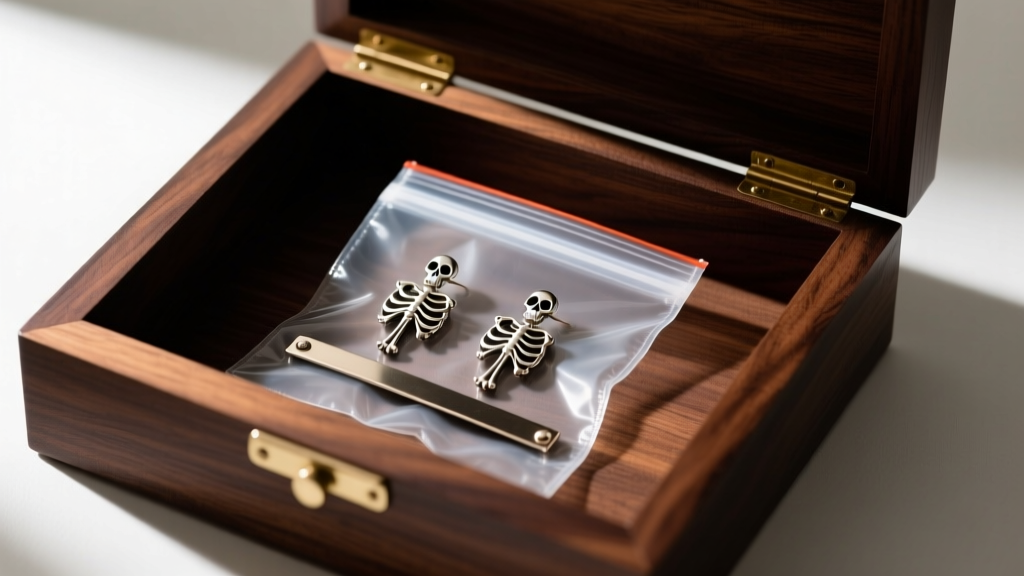
Do not simply toss them into a communal jewelry box where they can scratch against harder metals or gemstones. Instead, create a micro-climate for your BaubleBar pieces. Place the earrings inside an airtight, zip-top plastic bag along with a 3M anti-tarnish strip and a small silica gel desiccant packet. The anti-tarnish strip absorbs airborne sulfur compounds before they can reach the metal, while the silica gel ensures the humidity inside the bag remains near zero. Store this bag in a cool, dark drawer away from direct sunlight, which can degrade certain enamel accents often used in BaubleBar's seasonal collections. By following this precise maintenance protocol, your skeleton earrings will retain their macabre brilliance and structural integrity for years to come.


