Ultimate Care Guide for Blackjack Earrings & Dark Finishes
Learn how to safely clean blackjack earrings, preserve oxidized silver patinas, and maintain black rhodium without stripping the dark finish.

Defining the 'Blackjack' Earring Aesthetic
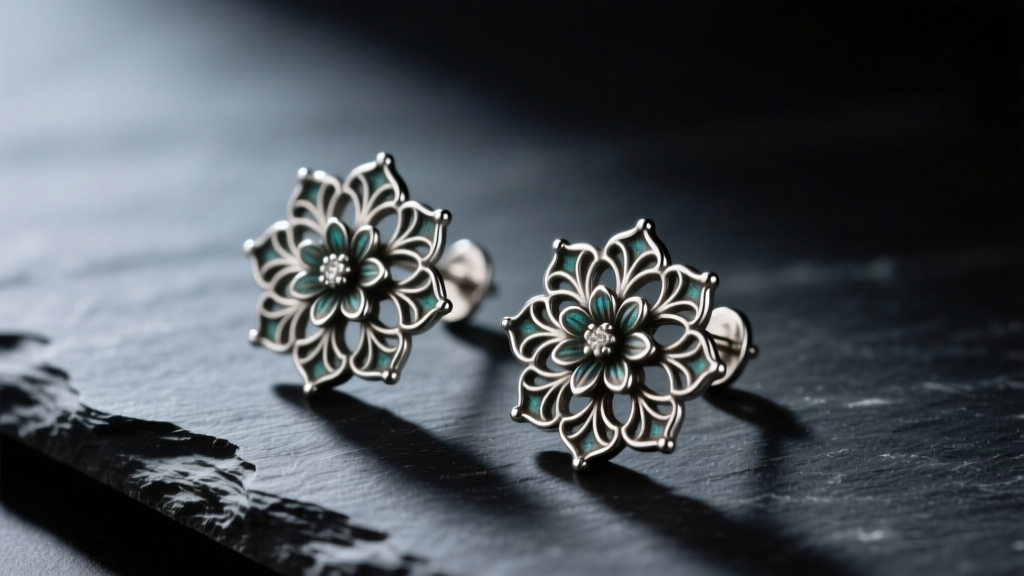
In the niche world of alternative, vintage, and artisan jewelry, the term 'blackjack earrings' refers to pieces featuring deep, darkened metal finishes—most commonly heavily oxidized sterling silver, blackened steel, or black rhodium plating. Often paired with dark gemstones like black onyx, black spinel, or treated black diamonds, these earrings offer a striking, moody aesthetic that stands in stark contrast to traditional high-polish metals. However, the very chemical processes that create these dramatic dark finishes also make them exceptionally vulnerable to standard jewelry cleaning methods.
As a domain expert in jewelry metallurgy and maintenance, I frequently see collectors and everyday wearers accidentally destroy the patina on their favorite pieces. Using the wrong cleaning agent can strip a blackened finish in seconds, leaving you with a patchy, uneven, or completely bright silver earring. This comprehensive guide will teach you the exact chemistry behind dark finishes, the tools you need for safe maintenance, and the 2026 best practices for preserving your blackjack earrings for decades.
The Anatomy of Dark Finishes: Patina vs. Plating
To clean blackjack earrings properly, you must first identify how the dark color was achieved. There are two primary methods used by jewelers:
- Chemical Oxidation (Patina): Artisan silversmiths use chemical compounds, most notably Liver of Sulfur (potassium sulfide), to force the surface of sterling silver to oxidize rapidly. This creates a black or gunmetal-grey layer of silver sulfide. The jeweler then polishes the raised surfaces, leaving the recessed areas dark to highlight intricate filigree or engraved details.
- Black Rhodium Plating: Common in luxury and contemporary fine jewelry, black rhodium is an electroplated alloy (often mixed with ruthenium or tin) applied over white gold or silver. It provides a sleek, metallic black mirror finish. Unlike oxidation, which penetrates the metal, plating sits on the surface with a typical thickness of just 0.1 to 0.2 microns.
Understanding this distinction is critical. Oxidized silver can be carefully re-darkened at home if damaged, whereas black rhodium requires professional electroplating to restore.
The 'Never' List: Agents That Destroy Dark Finishes
If you take away only one rule from this guide, let it be this: never use commercial silver dips or ultrasonic cleaners on blackjack earrings. According to metallurgical guidelines from Rio Grande, a leading jewelry supply authority, commercial liquid silver cleaners contain thiourea and strong acids designed to dissolve silver sulfide (tarnish) instantly. Because a blackjack patina is intentionally created silver sulfide, dipping your earrings in these solutions will strip the black finish down to bare, bright silver in less than five seconds.
Additionally, avoid the following:
- Baking Soda and Aluminum Foil Baths: This popular DIY hack creates an ion-exchange reaction that removes tarnish. It will ruin an oxidized patina just as fast as commercial dips.
- Ultrasonic Cleaners: The high-frequency cavitation bubbles can cause micro-fractures in dyed black onyx and can literally vibrate thin layers of black rhodium off the base metal, causing it to flake.
- Abrasive Polishing Cloths: Standard yellow or red rouge jeweler's cloths contain mild abrasives that will buff away the dark recesses of an oxidized piece or scratch black rhodium, leaving permanent cloudy streaks.
The Distilled Water Protocol: Step-by-Step Cleaning
To safely remove sebum, dead skin cells, and environmental dust from your blackjack earrings without disturbing the finish, follow this exact protocol:
- Prepare the Solution: Mix 1 cup of distilled water (tap water contains chlorine and hard minerals that can leave white spots on dark metals) with 3 drops of pH-neutral, lotion-free dish soap (such as original blue Dawn).
- Agitate Gently: Submerge the earrings for no more than 60 seconds. Do not soak oxidized silver for prolonged periods, as water can eventually seep into microscopic pores and cause underlying corrosion if the piece is not perfectly sealed.
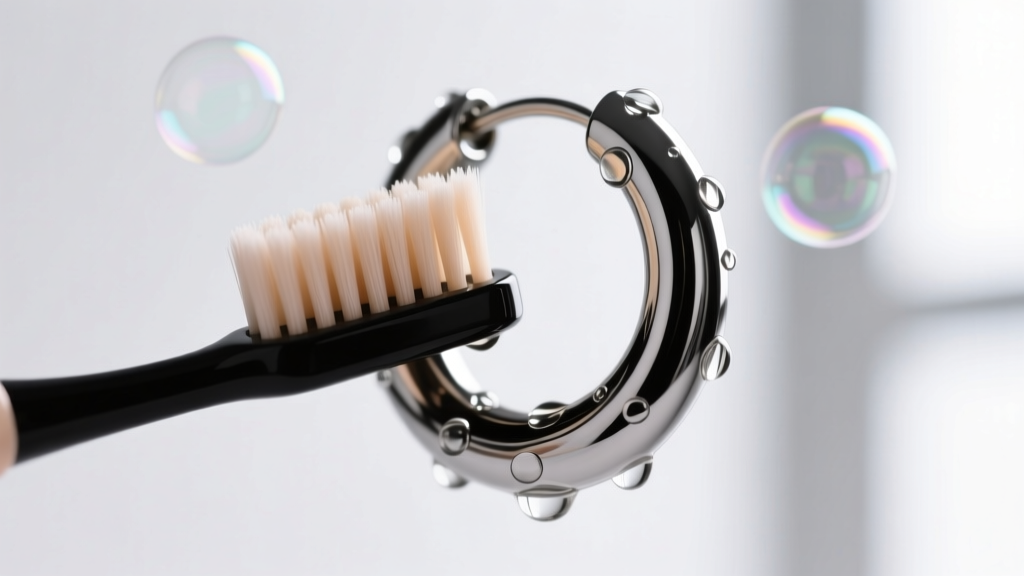
- Brush the Recesses: Using an extra-soft baby toothbrush (bristle diameter under 0.1mm), gently sweep the bristles across the intricate grooves. Always brush in one direction to avoid creating micro-scratches on any polished high-points.
- The Final Rinse: Rinse briefly under a slow stream of lukewarm distilled water.
- Dry Immediately: Pat dry with a lint-free microfiber cloth. Use a hair dryer on the 'cool' setting to blast water out of tight crevices where post-backs or clutch mechanisms meet the earring body. Trapped moisture is the enemy of all jewelry.
Gemstone Specifics: Caring for Black Onyx and Diamonds
Blackjack earrings frequently feature dark gemstones. The Gemological Institute of America (GIA) notes that black onyx is almost always dyed grey agate, making it porous and sensitive to heat and chemicals. Below is a decision matrix for the most common dark stones found in these settings:
| Gemstone | Mohs Hardness | Porosity & Treatments | Safe Cleaning Method |
|---|---|---|---|
| Black Onyx | 6.5 - 7 | Highly porous; dyed. Sensitive to acids and extreme heat. | Damp microfiber cloth only. No soaking. No ultrasonic. |
| Black Diamond | 10 | Opaque; often irradiated or fracture-filled. Highly durable. | Soapy distilled water soak. Soft brush. Avoid harsh degreasers. |
| Black Spinel | 8 | Non-porous; typically natural and untreated. | Soapy distilled water soak. Safe for brief ultrasonic if no inclusions. |
Troubleshooting Common Wear Issues
Even with meticulous care, blackjack earrings endure friction, especially styles like huggies, ear cuffs, and heavy dangles that rub against the neck or hair. Here is how to address common issues:
- Issue: The black finish is rubbing off on my skin or turning green.
Diagnosis: This usually indicates that the piece is not solid oxidized silver, but rather a base metal (like brass or copper) with a thin black lacquer or plating that has worn through, exposing the reactive copper underneath.
Solution: Stop wearing the piece. A jeweler can strip the remaining lacquer and re-plate it with a hypoallergenic barrier like platinum or thick black rhodium. - Issue: My black rhodium earrings look scratched and cloudy.
Diagnosis: Rhodium is hard, but 0.1-micron plating can be marred by contact with harder materials (like diamonds or zippers).
Solution: You cannot polish out scratches on plated metal without removing the plating. The earrings must be sent to a specialist for a 'dip and re-plate.' As of 2026, professional black rhodium re-plating typically costs between $45 and $85 per pair, depending on the complexity of the setting. - Issue: The oxidized recesses are turning grey/white.
Diagnosis: This is 'dry tarnish' or salt buildup from sweat reacting with the silver sulfide.
Solution: Use a cotton swab lightly dampened with distilled water and a tiny drop of mild soap to gently lift the white crust. Once dry, you can restore the deep black color by carefully applying a specialized silver oxidizing pen to the recessed areas.
Archival Storage and 2026 Preservation Tech
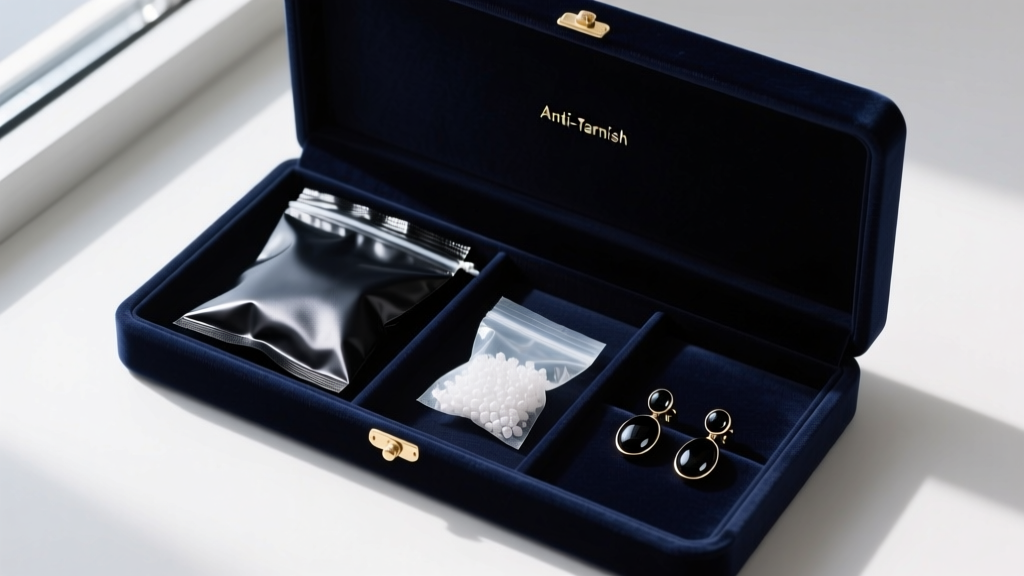
How you store your blackjack earrings when they are not on your ears dictates their lifespan. While standard anti-tarnish strips are great for bright silver, they are unnecessary and potentially counterproductive for already-oxidized pieces. Instead, focus on humidity control and physical abrasion prevention.
Store each pair of blackjack earrings individually in soft, unbleached cotton pouches or lined jewelry boxes to prevent them from scratching one another. Include a small silica gel desiccant packet in your primary storage drawer to keep ambient relative humidity below 45%. High humidity accelerates the breakdown of black rhodium binders and can cause dyed black onyx to leach its color over time.
For collectors investing in high-end artisan pieces, recent advancements in nano-ceramic jewelry coatings (often marketed under brands like JewelryShield or EvoShield) offer a promising, invisible barrier against skin oils and friction. While traditionally used for bright metals, specialized jewelers are now applying ultra-thin, flexible nano-coatings over black rhodium to extend its wear-life from a few months to several years. If you wear your blackjack huggies or studs daily, consult a master jeweler about whether a nano-ceramic sealant is appropriate for your specific pieces.
By respecting the delicate chemistry of darkened metals and porous gemstones, you can ensure your blackjack earrings maintain their bold, shadowy elegance for a lifetime. Ditch the harsh chemicals, embrace distilled water, and treat your dark finishes with the specialized care they demand.


