The Ultimate Care and Cleaning Guide for Geometric Earrings
Learn expert care, cleaning, and storage tips for geometric earrings. Protect sharp angles, enamel, and metals from tarnish and damage.

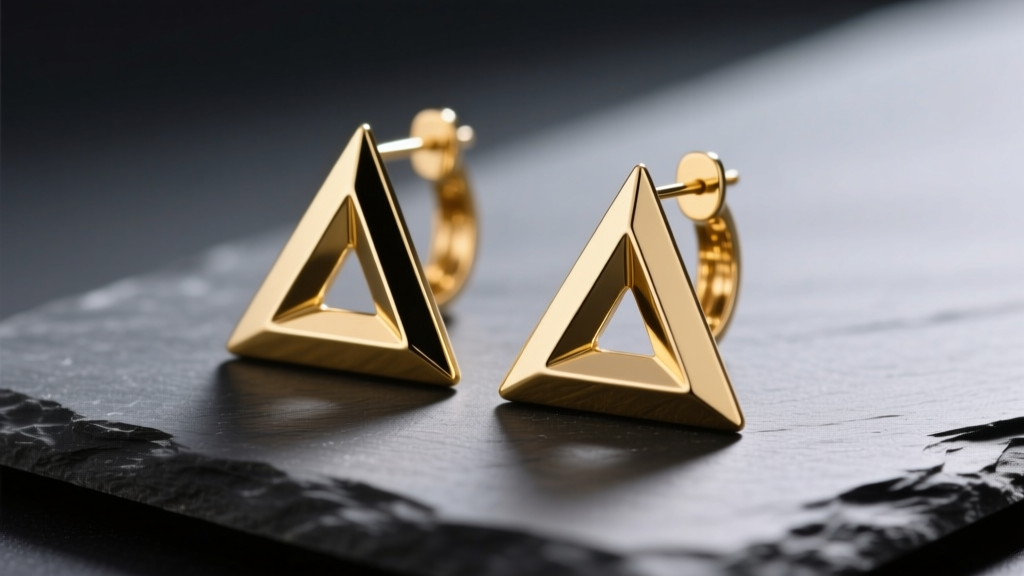
Why Geometric Earrings Require Specialized Care
Geometric earrings are a staple of modern jewelry design, celebrated for their bold lines, symmetry, and architectural appeal. However, the very features that make them visually striking—sharp vertices, 90-degree angles, and recessed crevices—make them notoriously difficult to maintain. Unlike smooth, organic shapes like hoops or simple studs, geometric designs trap sebum, dead skin cells, and cosmetic residues in their angular corners. Over time, this buildup not only dulls the metal but can also accelerate localized tarnishing and degrade delicate material inlays.
Furthermore, many geometric earrings utilize mixed media, such as enamel color-blocking or anodized titanium finishes, which react poorly to standard commercial jewelry dips. Understanding the structural vulnerabilities of your geometric earrings is the first step toward preserving their sharp, pristine edges for years to come.
Material-Specific Cleaning Protocols
Before applying any cleaning solution, you must identify the primary materials of your geometric earrings. Using the wrong chemical agent can strip plating, craze enamel, or dull anodized surfaces. Below is a comprehensive breakdown of how to handle the most common materials found in geometric jewelry.
| Material | Common Geometric Styles | Recommended Cleaning Agent | Ultrasonic Safe? |
|---|---|---|---|
| 925 Sterling Silver | Hexagon studs, triangular dangles | Mild dish soap & warm distilled water | Yes (if no gemstones) |
| Enamel over Brass | Color-blocked squares, arches | Dry microfiber or damp cloth only | No (causes crazing) |
| Anodized Titanium | Lightweight geometric cut-outs | Saline solution or mild soap | Yes (but may dull color) |
| Gold Vermeil | Angular hoops, bar earrings | Phosphate-free gentle surfactant | No (strips gold layer) |
According to the Gemological Institute of America (GIA), ultrasonic cleaners use high-frequency sound waves that create microscopic bubbles. While excellent for solid metals, these vibrations will easily shatter or micro-fracture baked enamel commonly used in geometric color-blocked pieces.
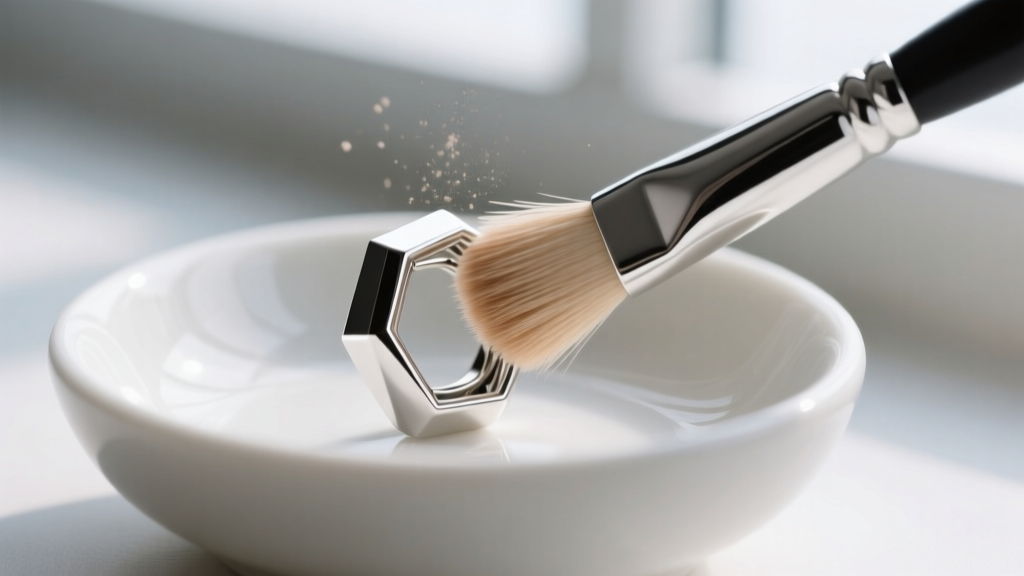
Step-by-Step Deep Cleaning for Angular Crevices
Standard polishing cloths cannot reach the internal corners of a square or triangular earring. To achieve a professional-level clean at home, follow this four-step protocol designed specifically for angular jewelry.
Step 1: Dry Pre-Cleaning
Never introduce water to a heavily soiled earring, as it will turn cosmetic powders and dead skin into a paste that wedges deeper into the crevices. Use a dry, clean makeup spoolie or a soft-bristled detailing brush to sweep out loose debris from all corners and angles.
Step 2: The Surfactant Soak
Prepare a bath of warm distilled water and two drops of phosphate-free, lotion-free dish soap. Submerge solid metal geometric earrings for 5 to 10 minutes. Distilled water is crucial here; tap water contains chlorine and minerals that can leave stubborn water spots in hard-to-reach 90-degree angles.
Step 3: Angular Crevice Detailing
This is where the magic happens. Take an interdental brush (the smallest size available, usually 0.4mm or 0.5mm) or a specialized jewelry crevice brush. Dip it in the soapy solution and gently agitate the inner corners of the geometric shape. The stiff, narrow bristles will dislodge oxidized tarnish and lipid buildup that a standard cloth misses.
Step 4: Drying and Polishing
Rinse under a gentle stream of distilled water. To dry, do not use a cotton towel, as cotton fibers will snag on sharp geometric points and leave lint behind. Instead, use a canister of compressed air (held at least six inches away) to blow moisture out of the crevices, followed by a final buff with a lint-free microfiber cloth.
Preventing Structural Damage and Warping
The structural integrity of geometric earrings is heavily dependent on their wire gauge and backing mechanisms. Many lightweight geometric dangles are constructed using 20-gauge or 22-gauge wire to prevent earlobe fatigue. While comfortable, thinner gauges are highly susceptible to bending.
Expert Warning: Never attempt to bend a warped 20-gauge sterling silver geometric wire back into shape with your bare hands. Sterling silver work-hardens rapidly. Repeated bending will cause the metal to become brittle and eventually snap at the stress point. Use nylon-jaw pliers for minor adjustments.
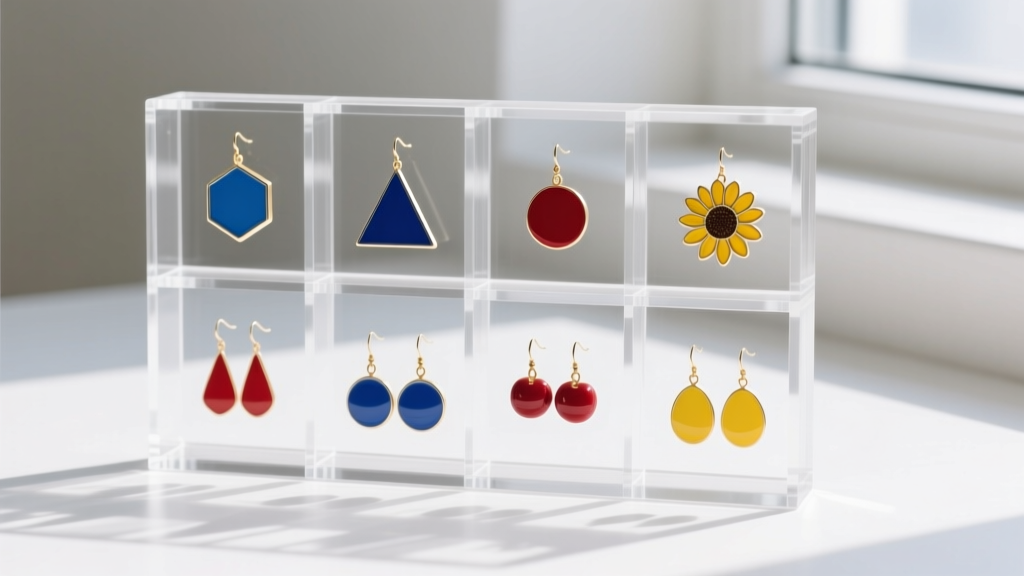
Storage is equally critical. Tossing geometric earrings into a communal jewelry box guarantees that sharp vertices will scratch softer metals, and delicate points will become blunted. The London Assay Office recommends storing jewelry in individual, anti-tarnish polyethylene bags. For geometric pieces specifically, slotted acrylic organizers or rigid cardboard inserts are superior, as they prevent the earrings from shifting and colliding during transit or drawer movement.
Troubleshooting Common Geometric Earring Issues
Even with meticulous care, geometric earrings present unique maintenance challenges. Here is how to troubleshoot the most frequent issues encountered by collectors and everyday wearers.
- Stubborn Tarnish in Recessed Angles: If soap and a brush fail to remove black oxidation from a deep crevice, apply a microscopic drop of liquid silver dip using a wooden toothpick. Leave it for exactly three seconds, then neutralize immediately by submerging the earring in a baking soda and water solution to halt the chemical reaction.
- Chipped Enamel on Vertices: The sharp outer points of enamel geometric earrings are prone to micro-chipping if dropped on tile or stone. While you cannot reverse enamel chipping at home, you can prevent further degradation by applying a microscopic layer of clear, jewelry-grade UV resin over the chipped vertex and curing it with a UV lamp.
- Loose Friction Backs on Heavy Geometric Studs: Bold, oversized geometric studs often weigh more than standard earrings, causing standard butterfly friction backs to slide down the post. Swap them out for heavy-duty silicone disc backs or secure them with a small dab of clear museum wax on the post to hold the backing firmly in place without damaging the metal.
Summary Checklist for Weekly Maintenance
To keep your geometric earrings looking as sharp as the day you bought them, integrate this quick checklist into your weekly jewelry care routine:
- Inspect all vertices and angles for early signs of cosmetic buildup.
- Wipe down enamel sections with a dry microfiber cloth after every wear to remove skin oils.
- Verify that earring posts remain perfectly straight and perpendicular to the geometric face.
- Ensure each piece is stored individually in an anti-tarnish pouch or rigid slotted compartment.
By respecting the unique architectural demands of geometric earrings, you ensure that their bold lines and striking silhouettes remain flawless, allowing your personal style to stay sharp and polished.


