The Anatomy of Cattle Tag Earrings: Materials, Gauges & Hardware
Explore the technical anatomy of cattle tag earrings. Discover implant-grade materials, gauge sizing for stretched lobes, and custom hardware mechanics.

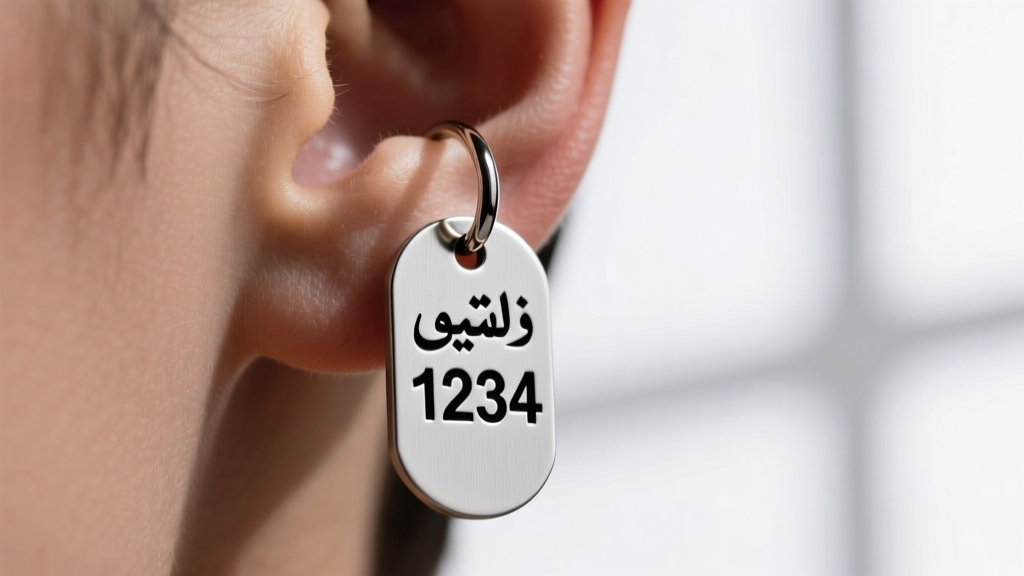
Within the alternative and agrarian-punk jewelry subcultures, cattle tag earrings have evolved from a provocative fashion statement into a highly engineered category of body modification. Unlike standard commercial earrings, these pieces mimic the utilitarian aesthetics of livestock identification tags, featuring bold typography, barcode engravings, and industrial hardware. However, beneath the edgy exterior lies a complex intersection of metallurgy, structural engineering, and anatomical safety. As of 2026, the market has shifted away from cheap novelty alloys toward precision-machined, body-safe materials designed for long-term wear in both standard and stretched earlobes.
Material Metallurgy: Aluminum vs. Implant-Grade Titanium
The longevity and biocompatibility of a cattle tag earring depend entirely on its base metal. Because these earrings often feature a large surface area and significant weight, material selection dictates both the aesthetic outcome and the health of the piercing fistula.
Anodized Aluminum (Alloy 6061-T6)
For lightweight, vibrantly colored tags, aerospace-grade 6061-T6 aluminum is the industry standard. Aluminum is exceptionally light, reducing the risk of lobe migration or tearing. Through an electrolytic anodizing process, the aluminum surface is oxidized to create a porous layer that absorbs organic dyes, resulting in brilliant hues like neon pink, electric blue, and toxic green. However, aluminum is strictly contraindicated for fresh or healing piercings. The anodized layer can degrade when exposed to the saline environment of a healing fistula, and bare aluminum can react with bodily fluids, leading to oxidation and tissue irritation. According to the Association of Professional Piercers (APP), aluminum should only be worn in fully healed, established piercings.
Implant-Grade Titanium (ASTM F136)
For those requiring hypoallergenic properties or seeking a heavy, premium feel, Ti-6Al-4V (ASTM F136) implant-grade titanium is the superior choice. Titanium is completely nickel-free, highly resistant to corrosion, and safe for initial piercings. While it cannot be anodized in the same vibrant spectrum as aluminum, it can be anodized to produce deep golds, purples, and teals. The primary drawback is weight; a solid titanium cattle tag can be up to 60% heavier than an identically sized aluminum tag, which requires careful consideration regarding gauge sizing and lobe support.
Hardware Mechanics and Gauge Sizing
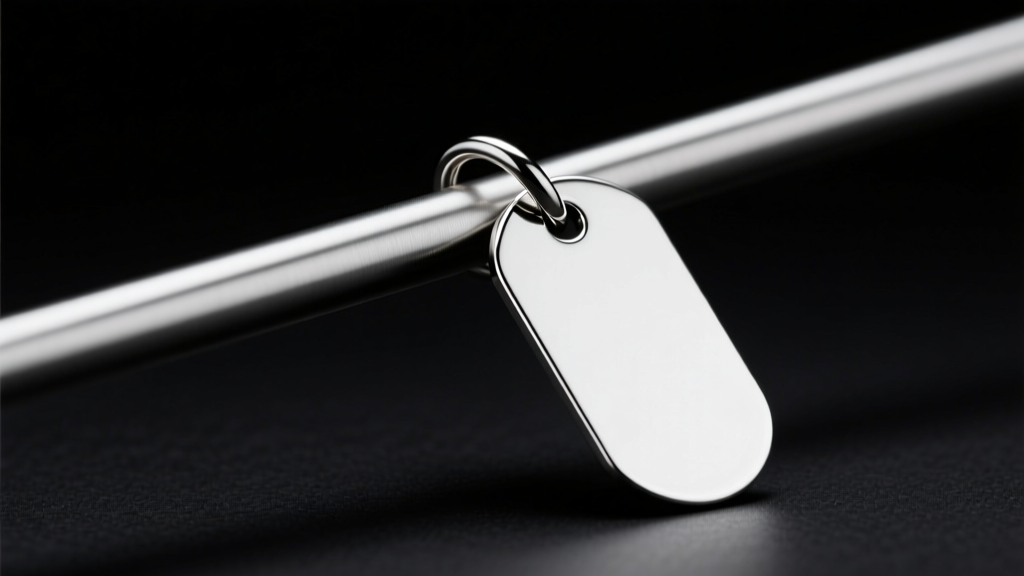
The defining challenge of cattle tag earrings is the mechanical connection between the flat 'tag' plate and the ear. In cheap, mass-produced versions, the tag is simply soldered to a flimsy 20-gauge fishhook wire. In professional body jewelry, the connection is modular, allowing the tag to function as a specialized end or charm.
Gauge Sizing and Weight Distribution
Wearing heavy alternative jewelry requires matching the gauge (thickness) of the post or ring to the weight of the tag to prevent the 'cheese-cutter effect'—a phenomenon where thin wire slowly slices through the earlobe tissue under tension.
| Gauge Size | Millimeter Thickness | Max Tag Weight Recommendation | Best Application |
|---|---|---|---|
| 18g - 16g | 1.0mm - 1.2mm | Under 5 grams | Standard lobe piercings; small, miniature tags |
| 14g - 12g | 1.6mm - 2.0mm | 5 to 12 grams | Healed standard lobes; medium tags on CBRs |
| 8g - 2g | 3.2mm - 6.0mm | 12 to 25 grams | Stretched lobes; heavy, full-size tags |
| 0g - 00g | 8.0mm - 10.0mm | 25+ grams | Large stretched lobes; oversized statement tags |
For stretched lobes, tags are typically suspended from thick, seamless segment rings or heavy-duty captive bead rings (CBRs). The ring passes through an eyelet or a punched hole at the top of the tag plate, allowing the metal to swing freely without bending the post.
The Fastening System: How Tags Connect to the Ear
In modern, high-end body jewelry, cattle tags are frequently designed as interchangeable ends for threadless or internally threaded systems. Brands like NeoMetal pioneered the threadless press-fit standard, which is highly relevant for alternative jewelry.
Threadless Press-Fit Integration
In a threadless system, the cattle tag features a hollow titanium tube on its back. A separate titanium post, which has a slightly bent pin at one end, is inserted into the tube. The tension created by the bent pin against the inner wall of the tube creates a secure, friction-based lock. This is vastly superior to traditional butterfly backs or external screw threads, which can harbor bacteria and easily unscrew when the heavy tag catches on clothing or hair. When designing or purchasing a threadless cattle tag, ensure the pin is made of the same ASTM F136 titanium as the post to prevent galvanic corrosion.
Engraving, Stamping, and Surface Treatments
The visual impact of a cattle tag earring relies on its typography and data formatting. There are two primary methods used to apply text, numbers, or barcodes to the metal surface, each with distinct technical profiles.
- Mechanical Stamping: This involves using hardened steel dies and a hydraulic or manual press to physically deform the metal, creating deep, tactile indentations (usually 0.5mm to 1.0mm deep). Stamping is permanent, highly legible, and gives the tag an authentic, rugged, agrarian aesthetic. However, the physical impact of stamping can warp thinner sheets of metal, meaning stamped tags must be at least 2.0mm thick to remain perfectly flat.
- Fiber Laser Engraving: A laser removes microscopic layers of the metal surface to create high-contrast, dark markings. Laser engraving allows for infinite customization, including complex QR codes, micro-typography, and intricate borders. While it does not warp the metal, the engraving is purely superficial (less than 0.1mm deep) and can eventually polish away over years of friction against hair and clothing.
Sourcing and Price Points in 2026
The market for cattle tag earrings is strictly bifurcated between fast-fashion novelty and artisanal body jewelry. Mass-produced tags made from zinc alloys or nickel-plated brass are widely available on e-commerce platforms for $10 to $25. These pieces frequently suffer from poor edge finishing, sharp corners that scratch the neck, and toxic metal compositions that cause contact dermatitis.
Conversely, custom-machined tags produced by specialized alternative jewelers command premium prices. A custom, hand-stamped 6061-T6 aluminum tag typically ranges from $45 to $75. Fully bespoke, ASTM F136 titanium tags with threadless hardware, custom laser engraving, and optional gemstone inlays (such as flush-set black diamonds) generally range from $120 to over $250 per pair. When investing in high-end pieces, always request a mill certificate or material guarantee from the jeweler to verify the titanium grade.
Aftercare and Anatomical Considerations
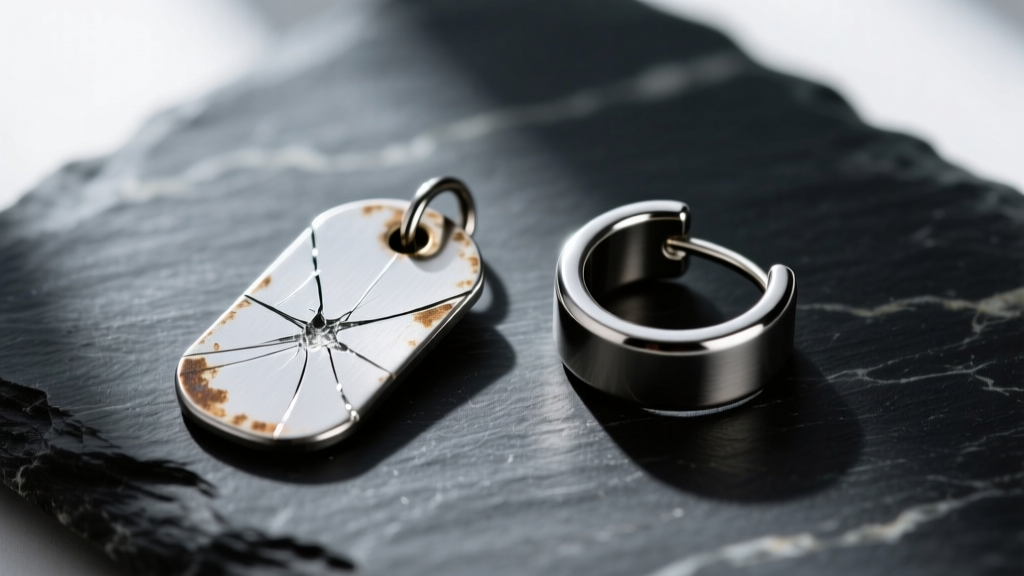
Wearing heavy, oversized cattle tag earrings requires proactive anatomical management. The pendulum effect of a swinging tag can cause micro-trauma to the fistula, especially during sleep or physical activity. To mitigate this, practitioners recommend 'upsizing' your jewelry—moving to a thicker gauge to distribute the weight over a wider surface area of tissue. Furthermore, sleepers should utilize travel pillows or specialized piercing sleep masks to prevent the heavy tags from being crushed against the mattress, which can lead to localized swelling, pressure necrosis, or accidental tearing of the lobe. Regular inspections of the hardware connection—specifically checking for fatigue cracks around the eyelet hole or loosening of the threadless pin—are mandatory to prevent the loss of expensive custom jewelry.


