Best Cheap Gold Earrings: 2026 Buyer's Value Guide
Discover how to buy cheap gold earrings that last. We compare vermeil, gold-filled, and 10k solid options to maximize your jewelry budget in 2026.

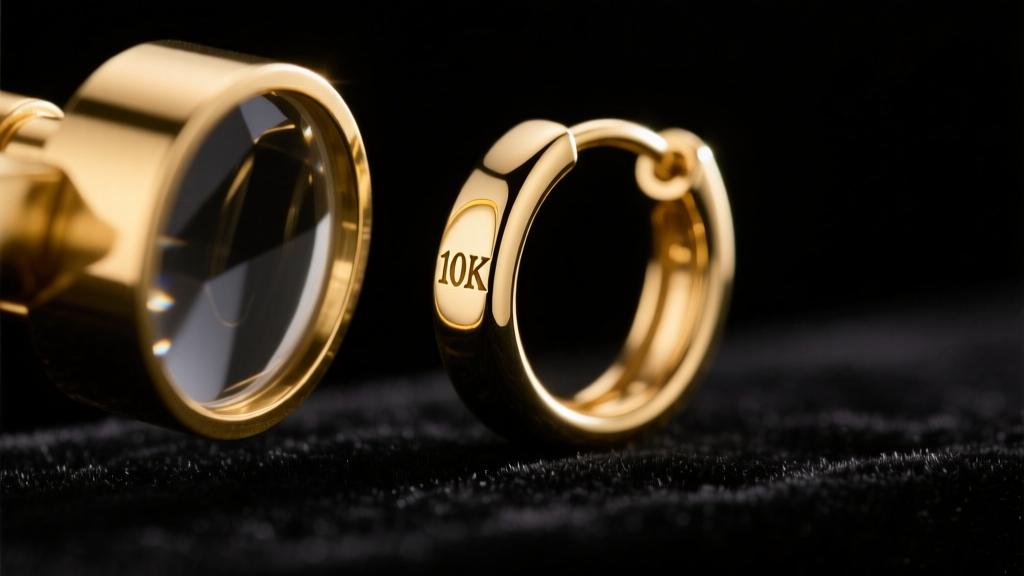
Finding high-quality, cheap gold earrings is one of the most common challenges in jewelry shopping. The market is flooded with pieces that look luxurious on day one but turn your earlobes green or fade to a dull brass by day thirty. In 2026, with fluctuating precious metal markets, understanding the engineering behind affordable gold jewelry is no longer optional—it is essential for protecting your skin and your wallet.
This value assessment breaks down the exact material grades, plating thicknesses, and structural gauges you need to look for. We will separate the genuine budget-friendly value from the deceptive marketing traps, ensuring your next pair of earrings offers maximum longevity without the solid 18k gold price tag.
The "Cheap Gold" Trap: Flash Plating vs. True Value
When you see a pair of large gold hoop earrings priced at $15, you are almost certainly looking at flash-plated brass or copper. Flash plating involves dipping a base metal into an electroplating bath for a matter of seconds, resulting in a gold layer that is typically less than 0.175 microns thick. To put that in perspective, a human hair is about 70 microns thick.
This ultra-thin layer provides the initial yellow hue but lacks the structural integrity to withstand the natural oils, sweat, and friction of daily wear. Within weeks, the base metal oxidizes, leading to the dreaded "green ear" effect caused by copper reacting with your skin's acidity. True value in the budget sector requires a minimum threshold of gold thickness and a hypoallergenic base metal.
Material Breakdown: Vermeil, Gold-Filled, and 10k Solid
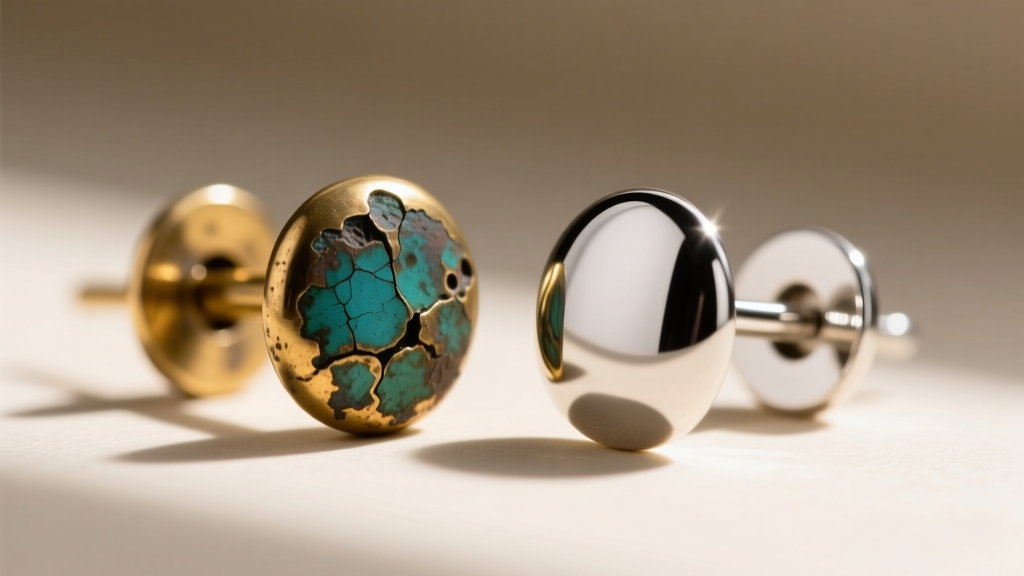
To make an informed budget assessment, you must understand the terminology regulated by the Federal Trade Commission (FTC). Here is how the three primary budget-friendly gold categories stack up against each other in real-world wear scenarios.
| Material Type | Base Metal | Gold Thickness / Ratio | Avg. Price Range | Expected Lifespan |
|---|---|---|---|---|
| Flash Plated | Brass / Copper | < 0.175 microns | $10 - $25 | 1 - 3 Months |
| Gold Vermeil | Sterling Silver (925) | Minimum 2.5 microns | $35 - $85 | 1 - 3 Years |
| Gold-Filled (GF) | Jeweler's Brass | 1/20th (5%) of total weight | $40 - $90 | 5 - 10+ Years |
| 10k Solid Gold | Solid Alloy (41.7% Gold) | Solid throughout | $60 - $150 | Lifetime |
Why Gold-Filled Often Beats Vermeil on a Budget
While vermeil sounds superior due to its sterling silver base, gold-filled earrings often offer better mechanical durability for everyday pieces like huggies and seamless hoops. Gold-filled material is created by mechanically bonding a thick sheet of solid gold to a brass core using extreme heat and pressure. A stamp of "1/20 14k GF" means that exactly 5% of the item's total weight is solid 14k gold. This layer is up to 100 times thicker than standard gold plating, making it highly resistant to flaking and tarnishing, even when exposed to moisture.
Decoding Karats on a Budget: The 10k Advantage
If your goal is to own solid gold without paying the premium for 14k or 18k, 10k gold is your most strategic option. Composed of 41.7% pure gold and 58.3% alloy metals (usually copper, silver, and zinc), 10k gold is significantly harder and more scratch-resistant than higher-karat alternatives.
For small budget-friendly styles—such as 4mm bezel-set studs or minimalist cartilage pins—10k gold provides the permanence of solid metal at a price point that overlaps with high-end vermeil. However, be cautious with 10k white gold, as the alloy mix sometimes includes nickel to achieve a silvery color, which can trigger contact dermatitis in sensitive ears. Always opt for 10k or 14k yellow or rose gold if you have metal sensitivities, as these rely on copper and silver rather than nickel.
Structural Integrity: Gauge Sizes and Hardware
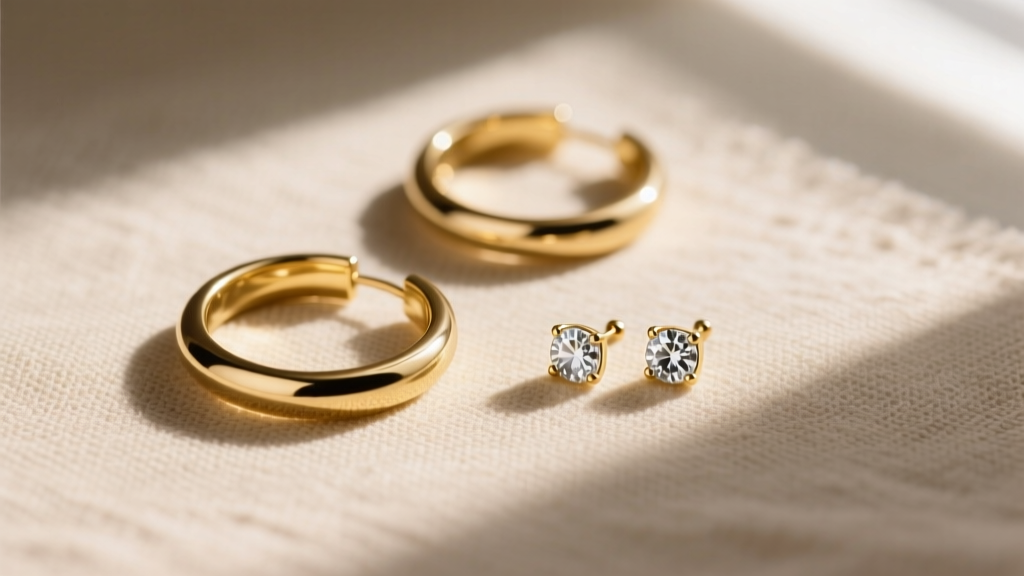
A hidden cost of cheap gold earrings is poor structural engineering. Budget manufacturers often cut costs by using ultra-thin wire for earring posts and hoops. Understanding wire gauges will save you from buying earrings that bend out of shape or snap under the weight of your hair.
- 22-Gauge (0.64mm): Often found in ultra-cheap fashion jewelry. Too thin for standard lobe piercings; will bend easily and can cause the piercing hole to migrate or stretch unevenly.
- 20-Gauge (0.81mm): The industry standard for most standard lobe studs and butterfly-back earrings. Offers a good balance of comfort and stability.
- 18-Gauge (1.02mm): Ideal for heavier drop earrings and secure hoop clasps. Provides excellent structural support.
- 16-Gauge (1.29mm): The standard for cartilage, helix, and tragus piercings. Never force a 20g post into a 16g cartilage piercing, as it can cause irritation bumps.
Pro-Tip for Budget Buyers: When buying cheap gold hoop earrings, always check the clasp mechanism. Hinged snap-backs or continuous seamless hoops offer vastly superior security compared to cheap latch-backs, which frequently snap or loosen over time.
Hallmarks and Stamps: Reading the Fine Print
Before purchasing any affordable gold jewelry, inspect the product photos for microscopic hallmarks. Legitimate manufacturers will stamp their pieces to indicate material composition, which is a strong indicator of quality control.
- 925: Indicates a sterling silver base. If paired with a gold finish, this is the prerequisite for vermeil.
- 1/20 14k GF: The legal standard for gold-filled items in the US, guaranteeing 5% solid gold content by weight.
- 10k, 14k, 18k: Denotes solid gold purity. Beware of stamps like "14k HGE" (Heavy Gold Electroplate) or "14k GP" (Gold Plated), as these still feature a base metal core that will eventually wear through.
Understanding these stamps prevents you from being tricked by deceptive marketing terms like "gold tone," "gold dipped," or "gold finished," which are unregulated buzzwords that offer zero guarantees regarding gold content or base metal safety.
Troubleshooting Allergies and Tarnish
If your budget gold earrings are causing itching or redness, the culprit is rarely the gold itself. Pure gold is completely hypoallergenic. The reaction is almost always caused by the base metal bleeding through a compromised plating layer, or by nickel present in the alloy mix.
To extend the life of gold vermeil or gold-filled earrings, you must manage their exposure to sulfur and chlorine. Sulfur, found in hard water, hot springs, and even some skincare products, rapidly accelerates the tarnishing of the sterling silver or brass core if the gold layer is microscopically scratched. Store your budget gold pieces in an airtight anti-tarnish bag with a silica gel packet when not in use, and always put your earrings on after applying perfumes and hairsprays.
Final Verdict: Where to Spend and Where to Save
Navigating the market for cheap gold earrings requires a shift in perspective: you are not looking for the lowest absolute price, but the lowest cost-per-wear. A $15 pair of flash-plated brass hoops that ruins your skin and fades in a month costs you more in the long run than a $45 pair of 14k gold-filled huggies that will last a decade.
For everyday staples like small hoops, huggies, and simple studs, invest in 14k gold-filled or 10k solid gold. For large, heavy statement dangles or ear cuffs that are worn only occasionally, high-quality sterling silver vermeil is an excellent, safe choice that keeps your budget intact while delivering the luxurious aesthetic you desire.


