How to Choose, Style, and Clean Gold Circle Stud Earrings
Learn how to select the perfect gold circle stud earrings by karat and gauge, style them for any face shape, and clean them with our step-by-step guide.

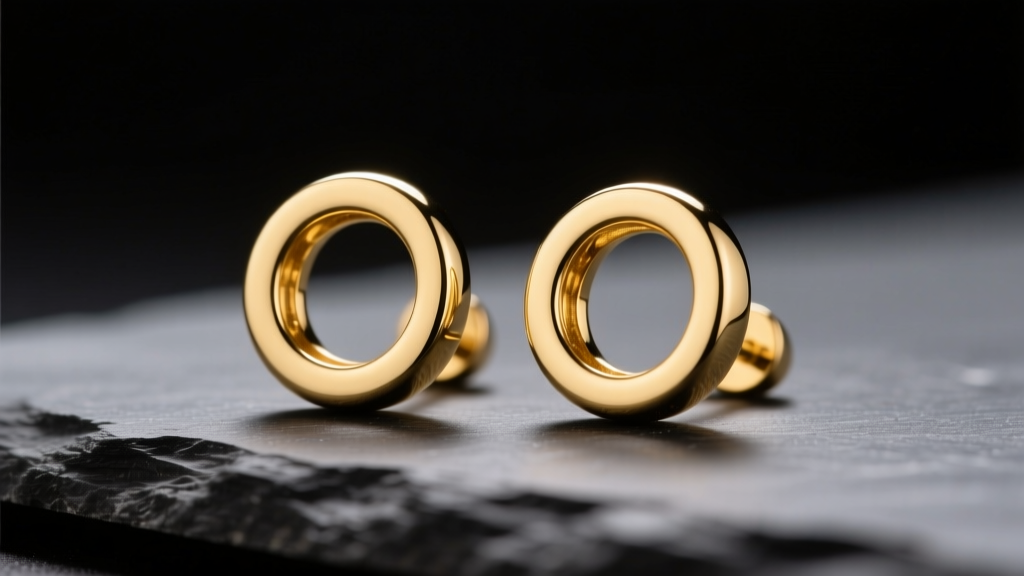
Gold circle stud earrings are a timeless staple in any jewelry collection, offering a seamless blend of minimalism and elegance. Whether you are curating a curated ear stack or looking for a reliable everyday lobe stud, understanding the nuances of metal purity, gauge sizing, and proper maintenance is critical. As we navigate jewelry trends in 2026, the emphasis has shifted heavily toward anatomical comfort, high-quality alloys, and sustainable wearability. This comprehensive, step-by-step guide will teach you exactly how to select, style, and care for your gold circle studs to ensure they last a lifetime.
Understanding Gold Purity: 14K vs. 18K vs. 24K for Studs
Not all gold is created equal, especially when it comes to the structural integrity required for earring posts and delicate circle faces. According to the Gemological Institute of America (GIA), pure gold is too soft for everyday jewelry. Here is how to choose the right karat for your gold circle stud earrings:
- 14K Gold (58.5% Pure): The industry standard for everyday studs. Alloyed with metals like copper, silver, and zinc, 14K gold offers superior tensile strength. It resists scratching, bending, and warping, making it the ideal choice for the thin posts required for circle studs.
- 18K Gold (75% Pure): Prized for its rich, buttery yellow hue and hypoallergenic properties. While slightly softer than 14K, 18K is perfectly safe for lobe studs. However, if you are buying ultra-thin 3mm circle studs, the post may be prone to bending if snagged.
- 24K Gold (100% Pure): Avoid 24K gold for earring posts entirely. The metal is far too malleable; the post will bend upon insertion, and the circle face will easily warp out of shape under minor pressure.
Expert Tip: If you have sensitive skin or nickel allergies, always opt for 18K gold or ensure your 14K gold is explicitly certified as nickel-free and alloyed with palladium or silver.
Step-by-Step Guide to Choosing the Right Size and Gauge
Selecting the correct millimeter diameter and wire gauge is where most buyers make mistakes. The gauge refers to the thickness of the earring post, while the diameter refers to the size of the gold circle itself.
Standard Lobe vs. Cartilage Sizing
The Association of Professional Piercers (APP) provides strict guidelines on jewelry sizing to prevent tissue damage and migration.
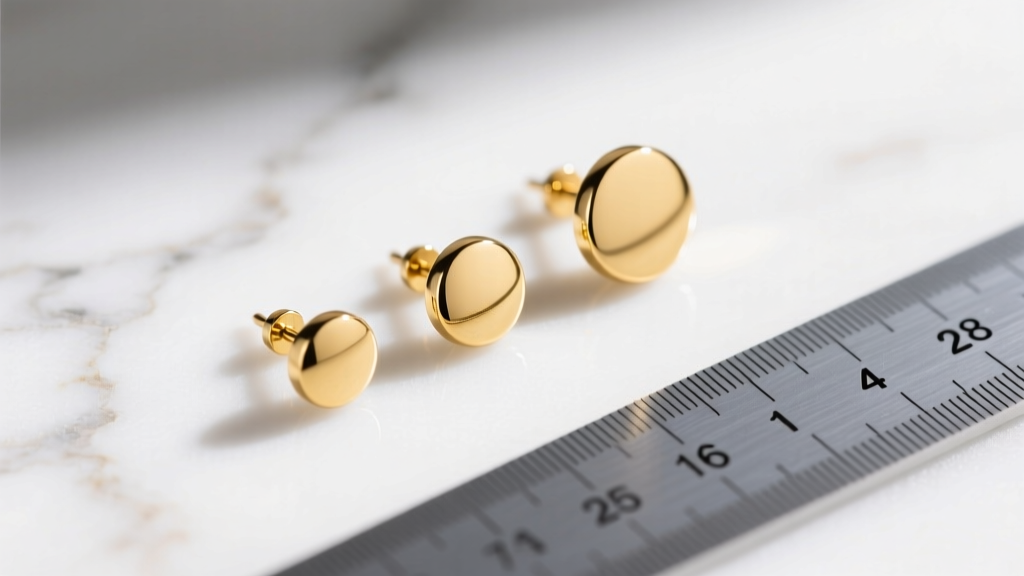
- Standard Earlobes: Typically pierced at 20G (0.81mm) or 18G (1.02mm). For a standard lobe, a 4mm to 6mm gold circle stud provides a classic, proportional look.
- Cartilage (Helix, Tragus, Flat): Usually pierced at 16G (1.29mm) or 18G. Wearing a 20G post in a 16G cartilage piercing can cause the "cheese cutter effect," where the thin wire slowly migrates through the tissue. Always match your stud gauge to your piercing gauge.
How to Style Gold Circle Studs for Your Face Shape
While gold circle studs are universally flattering, adjusting the diameter of the circle can subtly enhance your natural facial structure. Use the framework below to find your ideal size.
| Face Shape | Ideal Circle Diameter | Styling Rationale |
|---|---|---|
| Round | 6mm - 8mm | Larger circles add structural definition and draw the eye horizontally, balancing soft curves. |
| Oval | 3mm - 8mm | Universally flattering; choose based on personal preference, hair volume, and overall scale. |
| Square | 3mm - 5mm | Smaller, delicate circles soften strong jawlines and angular features without adding visual weight. |
| Heart | 5mm - 7mm | Medium sizes add subtle volume to the lower half of the face, balancing a narrower chin. |
Step-by-Step Cleaning and Maintenance Routine
Sebum, dead skin cells, and environmental pollutants quickly accumulate behind the flat surface of circle studs, leading to dullness and potential contact dermatitis. Follow this 5-step routine every two weeks to keep your gold gleaming.
What You Need
- A small glass or ceramic bowl
- Distilled water (tap water contains minerals that can leave hard water spots)
- Mild, phosphate-free dish soap (e.g., original Dawn)
- A brand-new, extra-soft baby toothbrush
- A lint-free microfiber jewelry cloth
The 5-Step Cleaning Process
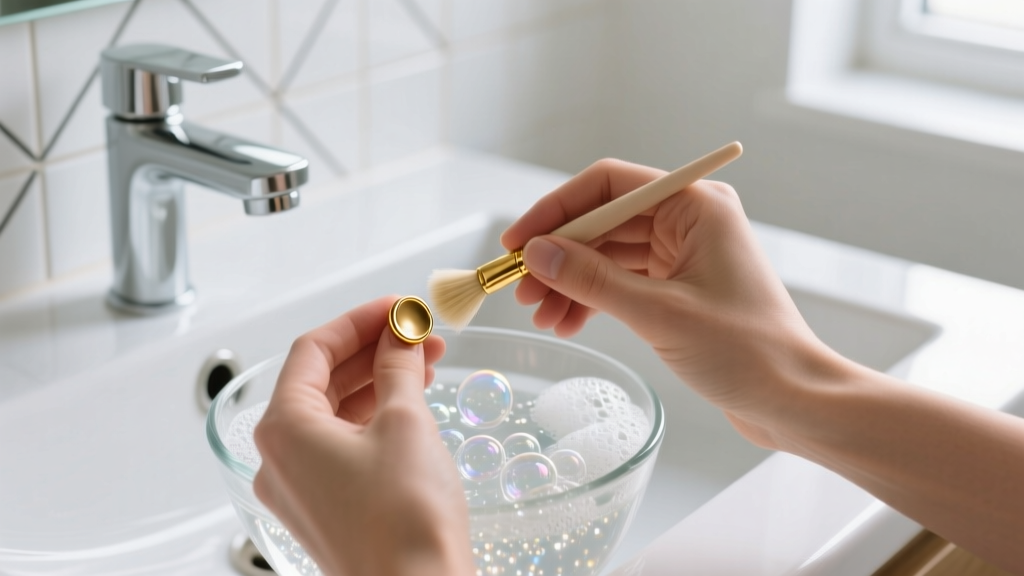
- Prepare the Solution: Fill the bowl with warm distilled water and add two drops of mild dish soap. Swirl gently to create a light lather.
- Soak the Earrings: Remove your gold circle studs and submerge them in the solution. Let them soak for exactly 15 minutes to loosen hardened sebum and cosmetic residue.
- Agitate Gently: Using the baby toothbrush, gently scrub the front face of the circle, the post, and crucially, the earring backing. Pay special attention to the crevice where the post meets the circle face.
- Rinse Thoroughly: Rinse the earrings under a slow stream of warm distilled water to wash away all soap suds and dislodged debris.
- Dry and Polish: Pat the earrings dry with a clean microfiber cloth. Avoid paper towels, as the wood fibers can cause micro-scratches on high-polish 18K gold.
Troubleshooting Common Issues
Even with meticulous care, you may encounter mechanical or aesthetic issues with your gold circle studs. Here is how to troubleshoot them like a professional jeweler.
- The Post Keeps Bending: If your post bends during insertion, do not repeatedly bend it back into place. This causes metal fatigue and will eventually snap the post. Instead, have a jeweler solder a thicker support wire at the base, or switch to a flat-back labret style.
- Friction Backs Keep Falling Off: Traditional butterfly friction backs lose their tension over time. Use a pair of smooth-jawed pliers to gently squeeze the metal loops closer together to restore grip. Alternatively, upgrade to silicone O-ring backs or secure screw-backs.
- Dullness or Red Tint on 14K Gold: If your 14K gold circle studs develop a slight coppery tint, it is due to the copper alloys reacting to acidic skin pH or harsh chemicals. A professional ultrasonic cleaning and a light polishing by a jeweler will restore the original yellow hue.
Expert Tips for Long-Term Wear and Comfort
The most significant evolution in earring wearability over the last few years is the transition away from traditional post-and-butterfly designs toward flat-back labrets. For gold circle studs, especially those worn in cartilage or second/third lobe piercings, opting for a threadless flat-back is highly recommended.
Threadless jewelry uses a tiny, slightly bent pin that inserts into a hollow post, creating tension that holds the earring securely in place. This design eliminates the sharp post ends that dig into your neck while sleeping, prevents hair from tangling in the backing, and drastically reduces the buildup of bacteria behind the earlobe. When purchasing your next pair of gold circle studs, seek out jewelers who offer interchangeable threadless ends, allowing you to swap the gold circle face onto a single, high-quality titanium or gold post for maximum comfort and longevity.