Christmas Bow Earrings 2026: A Material Comparison
Discover the metallurgy behind Christmas bow earrings. Compare enamel, resin, and precious metals for durability, weight, and lobe comfort.

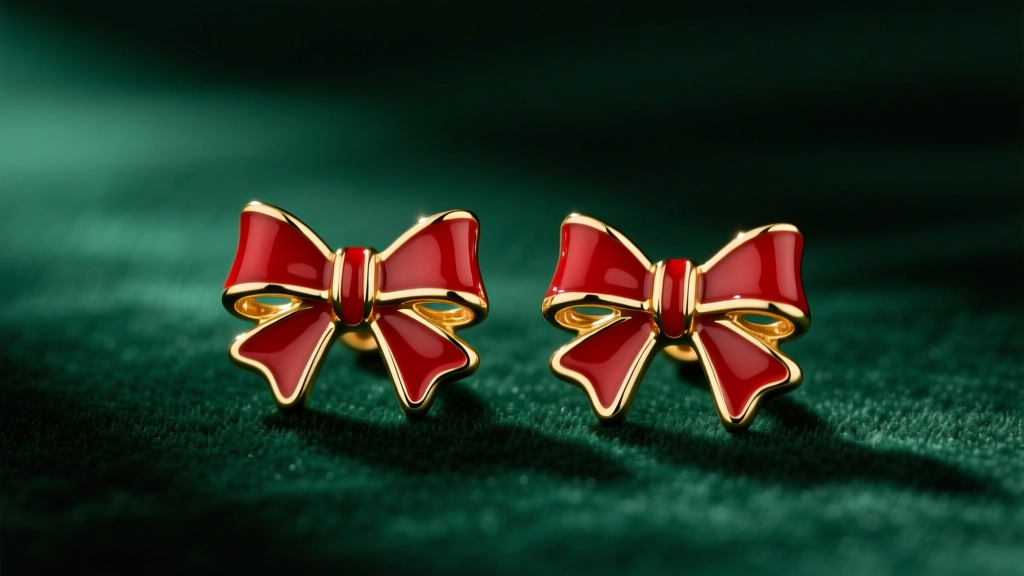
As we navigate the 2026 holiday season, the trend in festive jewelry has decisively shifted away from fast-fashion novelty pieces toward investment-grade seasonal accessories. Among the most iconic holiday motifs are Christmas bow earrings. However, the wide, expansive shape of a bow presents unique structural and metallurgical challenges that standard stud or hoop earrings do not face. The horizontal spread of a bow creates a lever arm effect, placing distinct torque on the earlobe. Furthermore, seasonal jewelry is often subjected to extreme environmental shifts—from dry winter air to humid storage boxes—making material selection the single most critical factor in the longevity of the piece.
In this comprehensive material comparison, we break down the exact properties, failure modes, and structural requirements of the metals, enamels, and resins used to craft premium Christmas bow earrings. Whether you are a collector of fine holiday jewelry or a buyer looking for pieces that will not degrade after a single December, understanding these material sciences is essential.
The Anatomy of a Bow Earring: Why Material Dictates Drape
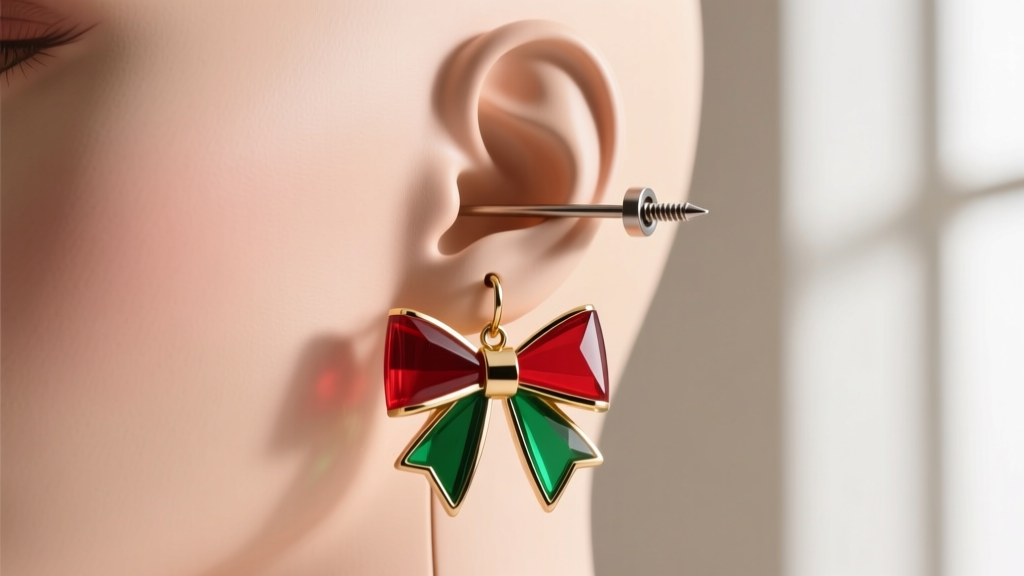
Unlike a simple spherical stud where the center of gravity rests flush against the ear, a bow earring features lobes that extend outward. This creates a cantilever effect. If the material is too dense, the earring will pull the piercing downward, causing discomfort and eventual lobe stretching. If the material is too brittle, the thin "tails" of the bow are prone to snapping off during handling.
According to manufacturing data from Rio Grande, a leading jewelry supply authority, the density of the chosen medium directly impacts the required gauge of the earring post. A heavy cast metal bow requires a thicker, spring-tempered post to prevent bending, whereas lightweight alternatives allow for more delicate, intricate metalwork. Understanding the specific gravity of these materials is the first step in evaluating quality.
Material Breakdown: From Base Metals to Fine Enamel
The market for Christmas bow earrings is dominated by three primary material categories. Each possesses distinct chemical properties, aesthetic lifespans, and wearability profiles.
1. Vitreous Enamel over Sterling Silver (The Heirloom Choice)
Vitreous enamel is not paint; it is finely ground glass fused to a metal substrate (usually 925 sterling silver or 18k gold) at temperatures exceeding 1,400°F (760°C). For high-end Christmas bow earrings, deep ruby reds and emerald greens are achieved through metallic oxide additives. The Gemological Institute of America (GIA) notes that properly fired vitreous enamel is highly resistant to UV fading and chemical degradation.
- Density: High (Silver base is 10.49 g/cm³).
- Failure Mode: Thermal shock or blunt impact can cause the glass to craze or chip away from the silver substrate.
- Best For: Small to medium-sized bows intended for generational wear.
2. Cold Enamel & Epoxy Resin (The Lightweight Contender)
Cold enamel is essentially a two-part epoxy resin poured into metal recesses. It cures at room temperature, making it vastly cheaper to produce than vitreous enamel. For oversized, dramatic statement bow earrings, resin is the superior choice due to its low density (~1.2 g/cm³). It allows for massive, shoulder-grazing holiday bows that won't tear the earlobe.
- Density: Very Low.
- Failure Mode: Photodegradation. Standard epoxies will yellow when exposed to UV light over several seasons. Furthermore, resins are highly susceptible to scratching and can melt or warp if left near a heat source.
- Best For: Large, theatrical statement bows where weight reduction is paramount.
3. Velvet & Fabric-Wrapped Alloys (The Seasonal Novelty)
A popular trend for holiday earrings involves wrapping brass or zinc alloy frames in velvet or silk to mimic a real fabric ribbon. While visually striking and highly textured, these are the most problematic from a material science perspective. The fabric acts as a sponge, trapping sebum, perfume, and ambient moisture directly against the base metal.
- Density: Moderate (dictated by the internal alloy frame).
- Failure Mode: Substrate corrosion. Moisture trapped in the velvet accelerates the oxidation of the base metal underneath, often leading to structural collapse and severe skin irritation.
- Best For: Single-season novelty wear.
Comparative Data: Weight, Hypoallergenic Ratings, and Pricing
To make an informed purchasing decision, it is crucial to weigh the physical and financial properties of these materials. The table below outlines the expected performance metrics for standard 1.5-inch bow earrings crafted in 2026.
| Material Composition | Avg. Weight (per pair) | Hypoallergenic Rating | Tarnish Resistance | Price Range (USD) |
|---|---|---|---|---|
| Vitreous Enamel / 925 Silver | 12 - 18 grams | Moderate (Nickel-free silver) | Low (Silver tarnishes) | $120 - $350 |
| Epoxy Resin / Brass Alloy | 4 - 8 grams | Poor (High allergy risk) | Moderate | $25 - $65 |
| Velvet Wrap / Zinc Alloy | 10 - 15 grams | Poor (Traps moisture/bacteria) | Very Poor | $15 - $40 |
| Solid 14k Gold / Pave Diamonds | 8 - 12 grams | Excellent | Excellent | $800 - $2,500+ |
Hardware & Findings: The Hidden Failure Points
The most exquisite enamel bow is useless if the hardware fails. The physics of a bow earring demand specific findings to ensure security and comfort.
Post Gauge and Tempering
Standard earring posts are typically 20-gauge (0.81mm). However, because a bow extends horizontally, any accidental snag on a winter scarf or hairbrush applies lateral torque to the post. A standard dead-soft 20-gauge sterling silver post will bend instantly under this pressure. High-quality Christmas bow earrings utilize 18-gauge (1.02mm) spring-tempered posts, or they weld a titanium (ASTM F136) post to the silver body. Titanium offers superior tensile strength and is entirely biocompatible, eliminating the risk of contact dermatitis—a common issue with holiday jewelry, as noted by the American Academy of Dermatology.
Friction Backs vs. Screw Backs
The traditional "butterfly" friction back relies on tension to stay on the post. Due to the top-heavy nature of bow earrings, friction backs frequently slip, causing the earring to droop forward or fall out entirely in heavy winter coats. For any bow earring exceeding 8 grams per pair, threaded screw-backs or high-density silicone O-ring stoppers are mandatory for secure wear.
"The structural integrity of seasonal jewelry is rarely found in the motif itself, but in the unglamorous engineering of the post and clutch. A heavy bow requires a mechanical lock, not just friction." — Master Jeweler & Metallurgist
Long-Term Storage: Preventing the "Holiday Box" Tarnish
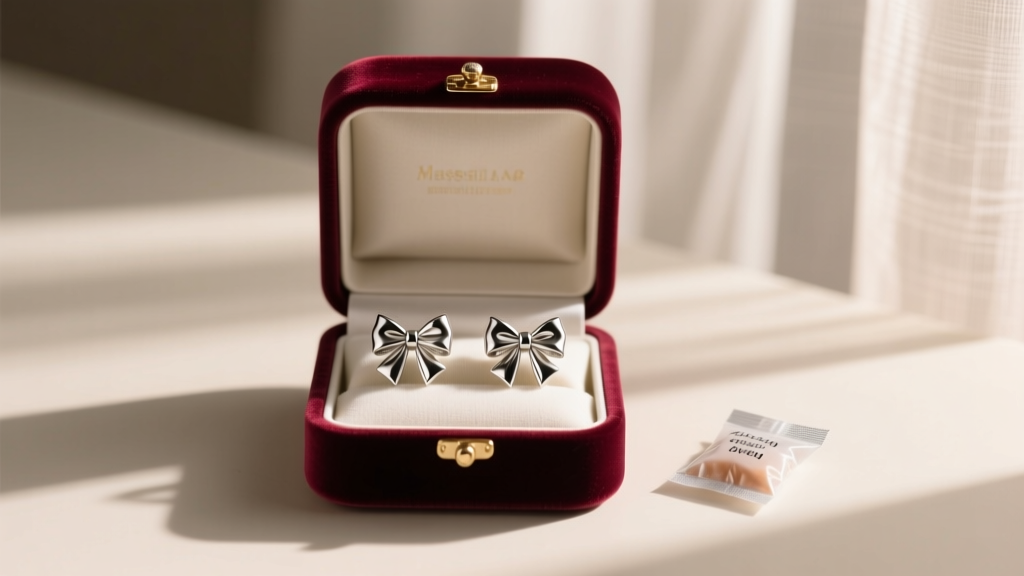
The greatest threat to Christmas bow earrings is the 11 months they spend in storage. Sterling silver reacts with sulfur compounds in the air to form silver sulfide, the black tarnish that ruins delicate enamel borders. Furthermore, storing resin or velvet bows in fluctuating attic temperatures can warp the epoxy or degrade the fabric adhesives.
To preserve the material integrity of your holiday earrings, implement the following storage protocol:
- Neutralize Acids: Wipe the metal and enamel with a microfiber cloth dampened with a mild, ammonia-free jewelry cleaner to remove skin oils before storage.
- Block Sulfur: Never store silver bow earrings in standard cardboard boxes or PVC plastic, which off-gas sulfur and chlorides. Use archival-quality polyethylene bags.
- Scavenger Strips: Place a 3M Anti-Tarnish strip inside the storage bag. These strips utilize copper particles to absorb sulfur and hydrogen sulfide from the air, effectively sacrificing themselves to protect the silver.
- Moisture Control: For velvet-wrapped bows, include a small silica gel desiccant packet to prevent the internal alloy frame from rusting and bleeding through the fabric.
Conclusion: Investing in Material Quality
The allure of Christmas bow earrings lies in their festive elegance, but their longevity is dictated entirely by material science. By prioritizing vitreous enamel over cold resin, demanding 18-gauge or titanium posts, and utilizing secure screw-back findings, you can elevate a seasonal novelty into a lasting holiday heirloom. As the 2026 market offers more sophisticated manufacturing techniques than ever before, consumers no longer have to choose between festive aesthetics and metallurgical durability.


