Chrysoprase Earrings: 2026 Trend Forecast & Style Guide
Discover 2026 trends for chrysoprase earrings. Explore styling tips, metal pairings, gauge specs, and gemological care for this rare apple-green gem.

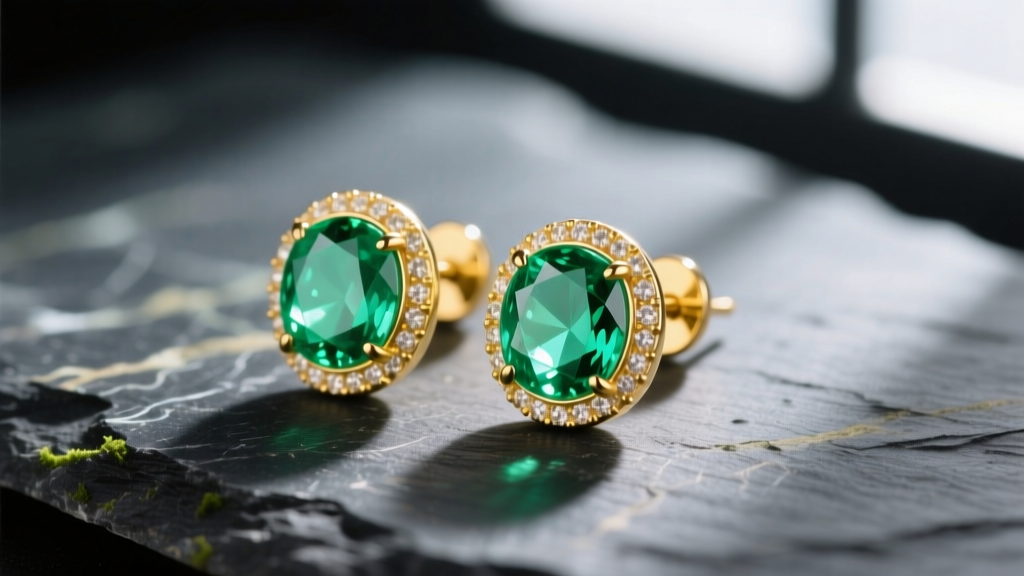
The 2026 Resurgence: Why Chrysoprase is Dominating Ear Styling
As we navigate the jewelry landscape of 2026, the industry is witnessing a definitive shift away from the ubiquitous emerald and jade markets toward a more nuanced, grounding alternative: chrysoprase. Known for its vivid, translucent apple-green to deep forest-green hues, chrysoprase is a rare variety of chalcedony that owes its striking color to microscopic inclusions of nickel silicate. For jewelry stylists and collectors, chrysoprase earrings have become the ultimate quiet luxury staple, offering the visual weight of high-end gemstones without the exorbitant price tags or ethical sourcing concerns associated with traditional green beryls.
This year, ear styling is heavily focused on organic textures and nature-inspired palettes. Chrysoprase perfectly bridges the gap between earthy bohemianism and refined elegance. Whether set into minimalist 14k gold bezels for lobe studs or carved into intricate briolettes for cartilage dangles, this gemstone provides a unique translucency that catches the light in ways opaque stones simply cannot.
Gemological Profile: Understanding the Stone
To properly style and care for chrysoprase earrings, one must understand its gemological properties. According to the Mindat mineral database, chrysoprase is a cryptocrystalline quartz, meaning it is composed of microscopic quartz crystals. This structure gives it a Mohs hardness of 6.5 to 7, making it durable enough for everyday ear wear, but still susceptible to scratching from harder materials like diamonds or sapphires.
- Refractive Index: 1.530 - 1.540 (gives it a soft, waxy to vitreous luster)
- Specific Gravity: 2.58 - 2.64
- Cleavage: None (conchoidal fracture, meaning it can chip if struck against hard surfaces)
- Color Origin: Nickel-bearing antigorite or kerolite inclusions
The most prized chrysoprase exhibits a highly translucent, even apple-green color with no visible matrix or dark inclusions. In the earring market, matched pairs of this caliber are increasingly rare, driving up the value of high-quality stud sets.
Best Earring Silhouettes for Chrysoprase
Not all earring styles accommodate the unique physical properties of chalcedony. Because chrysoprase lacks cleavage planes but can fracture upon sharp impact, protective settings are paramount in 2026 designs. Below is a breakdown of the most effective silhouettes for this gemstone.
| Silhouette | Best Placement | Recommended Gauge | Setting Style | 2026 Trend Status |
|---|---|---|---|---|
| Bezel Studs | Standard Lobe | 20g - 18g | Full Bezel | High (Quiet Luxury) |
| Inlaid Huggies | Helix / Cartilage | 16g | Channel / Flush | Very High (Stacking) |
| Briolette Drops | Lower Lobe / Earlobe | 18g (Earwire) | Top-Drilled Cap | Moderate (Evening) |
| Ear Cuffs | Outer Helix Ridge | N/A (Tension) | Prong / Bezel | High (Non-Pierced) |
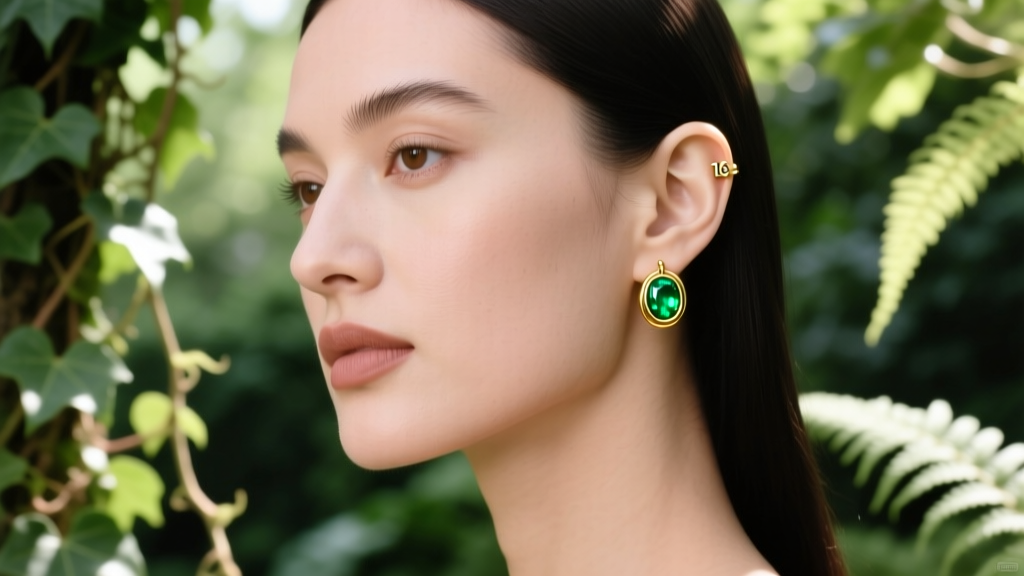
Cartilage vs. Lobe Considerations
When styling chrysoprase huggies for the helix or conch, the weight of the stone is a critical factor. Chalcedony is denser than many synthetic alternatives. A 16-gauge (1.2mm) 14k gold wire is the industry standard for cartilage huggies to prevent the metal from warping under the stone's weight over time. For lobe drops, an 18-gauge earwire provides enough structural integrity to support a 15-20mm briolette without causing lobe stretching or tearing.
Metal Pairings & Skin Tone Analysis
The undertones of chrysoprase dictate its metal pairings. The nickel-induced green often carries subtle yellow or gray undertones depending on the mine of origin.
- 18k Yellow Gold: The undisputed champion for chrysoprase. The warm, rich tones of 18k gold amplify the yellow-green undertones of the stone, creating a vibrant, sunlit effect. This pairing is heavily favored in 2026 vintage-revival collections.
- 14k White Gold / Platinum: Creates a striking, high-contrast modern aesthetic. The cool white metal neutralizes the yellow undertones, making the green appear crisper and more mint-like. Ideal for cool skin tones.
- Rose Gold: A more unconventional choice that plays on color theory. The pinkish-copper hues of rose gold sit opposite green on the color wheel, creating a subtle visual vibration that makes the chrysoprase pop, though it can sometimes muddy the stone's translucency if the matrix is dark.
Technical Care, Maintenance, and Failure Modes
The most common mistake consumers make with chrysoprase earrings is treating them like diamonds or sapphires. Chrysoprase is highly sensitive to its environment, and understanding its failure modes is essential for longevity.
The UV and Heat Vulnerability
Prolonged exposure to direct sunlight or high heat can cause the nickel silicate inclusions to dehydrate. This results in a permanent fading of the vibrant green color, turning the stone a dull, opaque gray or brown. Britannica's geological resources note that cryptocrystalline quartz varieties require stable environments to maintain their optical properties. Always store chrysoprase earrings in a dark, UV-blocking jewelry box when not in use.
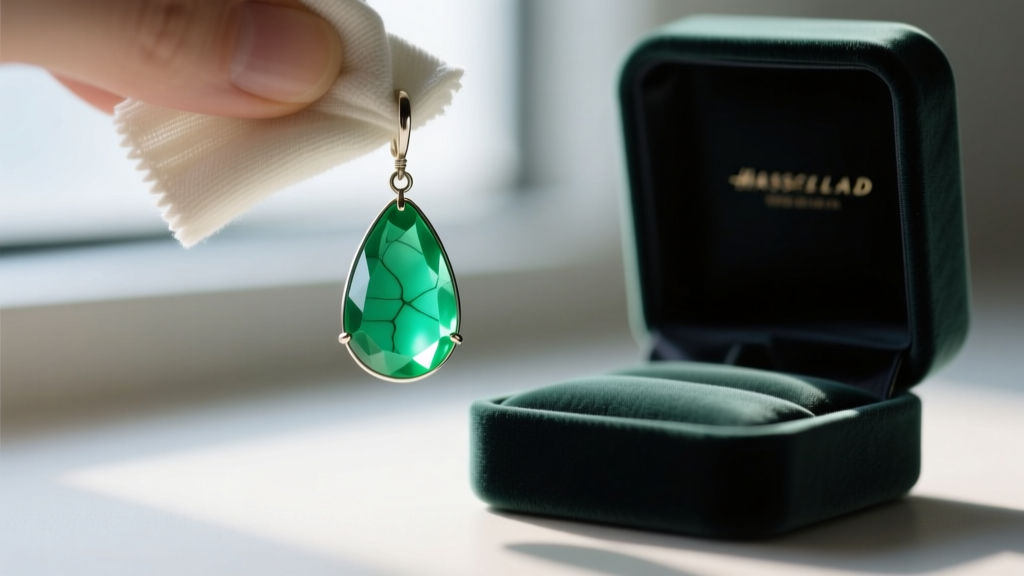
Chemical Sensitivities
Because chrysoprase is slightly porous compared to single-crystal quartz, it can absorb harsh chemicals. Hairsprays, perfumes, and chlorine from swimming pools can degrade the polish and seep into microscopic surface fissures. Always adopt the "last on, first off" rule: put your chrysoprase earrings on after applying cosmetics, and remove them before showering or swimming.
Pro-Tip for Jewelers: Never use an ultrasonic cleaner or a steam cleaner on chrysoprase earrings. The high-frequency vibrations can fracture internal nickel inclusions, and the sudden heat from steam can trigger immediate color fading. Stick to a soft, damp microfiber cloth and mild, phosphate-free soap.
Sourcing and Price Matrix
The provenance of chrysoprase heavily influences its market value. In 2026, the most sought-after material comes from the Marlborough Creek region in Queensland, Australia, known for its highly translucent, vivid apple-green rough. Brazilian and Tanzanian variants are also prevalent but often feature more opaque matrices or grayish undertones.
2026 Retail Pricing Guide
- Entry-Level ($40 - $90): 14k gold vermeil or sterling silver settings featuring opaque, heavily included chrysoprase cabochons. Often sourced from Brazil.
- Mid-Tier ($150 - $450): Solid 14k gold bezel-set studs or huggies utilizing semi-translucent Australian material with minimal matrix. The standard for high-quality everyday wear.
- Investment Grade ($600 - $1,500+): Matched pairs of highly translucent, flawless apple-green briolettes or custom-carved intaglios set in 18k gold with diamond accent halos.
Final Styling Thoughts
Chrysoprase earrings represent a sophisticated pivot in 2026 jewelry trends, offering a rare blend of organic beauty and wearable luxury. By prioritizing protective bezel settings, selecting appropriate wire gauges for cartilage placements, and strictly adhering to UV-safe storage protocols, you can ensure these vibrant green gems remain a staple in your ear styling rotation for decades to come. Whether you are stacking 16g huggies on a curated helix or opting for a solitary pair of 18k gold lobe studs, chrysoprase delivers an unmistakable, nature-bound elegance that synthetic stones simply cannot replicate.


