How to Clean Bumble Bee Earrings: Enamel & Pave Care
Learn how to safely clean bumble bee earrings featuring delicate enamel, pave diamonds, and mixed metals without damaging intricate details.

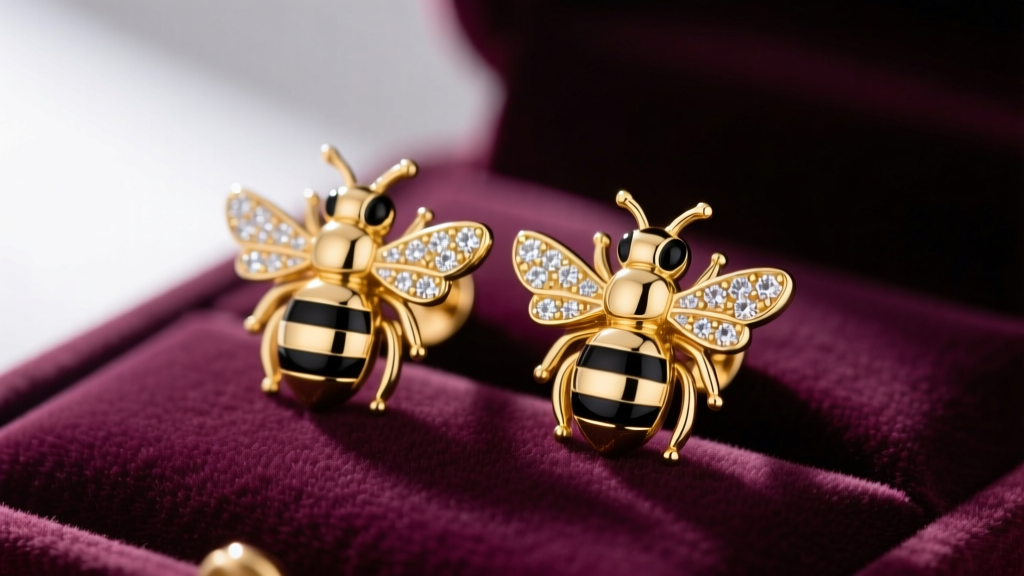
Nature-inspired jewelry has dominated the accessory market, and bumble bee earrings remain a standout favorite for their intricate craftsmanship and symbolic charm. However, the very details that make these earrings so captivating—delicate cold enamel, black rhodium plating, and micro-pave diamond wings—also make them notoriously difficult to maintain. Standard jewelry cleaning methods can easily strip finishes, shatter enamel, or loosen microscopic gemstones.
Whether you own a pair of 14k gold bee studs or heavy diamond-encrusted dangle earrings, preserving their structural integrity and brilliance requires a specialized approach. This comprehensive guide breaks down the exact chemistry, mechanics, and step-by-step protocols for cleaning and maintaining your bumble bee earrings.
The Anatomy of Bumble Bee Earrings: Why They Need Special Care
To understand how to clean bumble bee earrings, you must first understand the materials typically used to create their striking contrast. Most premium bee earrings rely on a combination of three delicate elements:
- Black Rhodium Plating: Often used to create the signature dark stripes or wings of the bee. Black rhodium is not a naturally occurring dark metal; it is a standard rhodium bath mixed with darkening agents (like ruthenium). This plating is incredibly thin, usually ranging from 0.1 to 0.75 microns, making it highly susceptible to friction and chemical stripping.
- Cold Enamel or Guilloché: Many modern designs use cold enamel (an epoxy-based resin) rather than traditional fired vitreous enamel to achieve vibrant yellows and blacks. Cold enamel is sensitive to high temperatures, alcohol-based solvents, and prolonged UV exposure, which can cause yellowing or melting.
- Micro-Pave Diamonds: The wings of bumble bee earrings frequently feature micro-pave settings, utilizing diamonds under 0.01 carats. These stones are held in place by microscopic beads of metal that are easily bent or broken by harsh vibrations.
Because of this complex material matrix, treating your bee earrings like standard solid gold or silver jewelry will lead to irreversible damage.
Step-by-Step Cleaning Routine for Enamel and Pave Bee Earrings
The Gemological Institute of America (GIA) recommends gentle, non-abrasive cleaning methods for diamonds set in intricate mixed-metal jewelry. Follow this precise protocol to remove sebum, cosmetics, and environmental dust without compromising the black rhodium or enamel.
1. Prepare a Neutral pH Bath
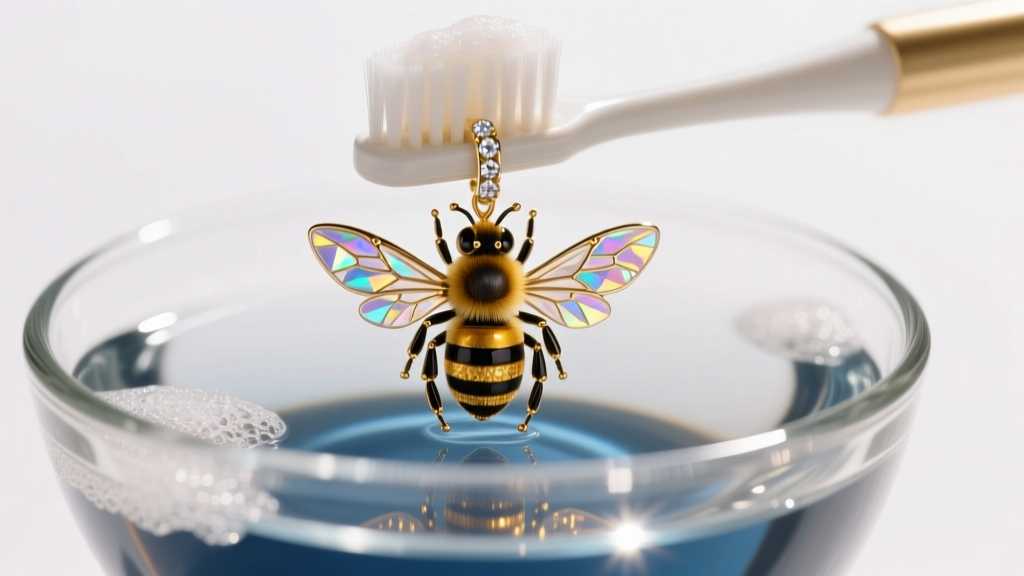
Fill a small glass bowl with distilled water. Tap water contains chlorine and hard minerals that can leave microscopic calcified deposits on pave diamonds, dulling their sparkle. Heat the water until it is lukewarm (approximately 85°F or 29°C). Never use hot water, as thermal shock can crack cold enamel and weaken the epoxy resins holding the jewelry components together.
2. Add a Phosphate-Free Surfactant
Add two drops of a mild, phosphate-free, and low-pH dish soap (such as Dawn Free & Clear). Avoid soaps with heavy moisturizers, citrus extracts, or abrasive micro-beads, as citrus acids can degrade black rhodium over time, and moisturizers leave a film on the diamonds.
3. The Soak and Agitate Method
Submerge your bumble bee earrings for exactly 3 to 5 minutes. This allows the surfactant to break down the lipid bonds of skin oils trapped beneath the bee's wings and around the post.
4. Targeted Micro-Brushing
Using an ultra-soft baby toothbrush (or a specialized jewelry brush with soft horsehair bristles), gently brush the earrings. Critical Technique: Brush only in the direction of the metal grain or pave setting. Do not scrub in circular motions, as this can catch the bristles on the micro-prongs holding the diamonds, potentially bending them and releasing the stones.
5. Rinsing and Drying
Rinse the earrings under a gentle stream of lukewarm distilled water. Pat them dry with a lint-free microfiber cloth. Do not rub the black rhodium stripes aggressively; instead, use a dabbing motion. Allow them to air dry completely on a paper towel before storing.
The Enemies of Intricate Bee Jewelry: What to Avoid
According to Jewelers of America, the misuse of commercial cleaning technology is the leading cause of damage to intricate jewelry. Keep your bumble bee earrings far away from the following:
Ultrasonic Cleaners
Ultrasonic machines use high-frequency sound waves to create cavitation bubbles in a liquid solution. When these bubbles implode, they generate microscopic shockwaves. While excellent for plain gold chains, these shockwaves will easily snap the tiny metal beads holding micro-pave diamonds in place, causing stones to fall out. Furthermore, the vibrations can cause cold enamel to chip or separate from the metal backing.
Steam Cleaners
Steam cleaners blast pressurized, high-temperature vapor to dislodge dirt. The intense heat (often exceeding 212°F/100°C) will melt cold enamel resins and can cause thermal shock to any gemstones, leading to internal fracturing.
Chemical Dips and Silver Polishes
Commercial silver dips and liquid gold polishes contain harsh chemicals like thiourea and sulfuric acid. These will instantly strip the black rhodium plating off your bee earrings, leaving you with dull, scratched white gold or silver underneath.
Material-Specific Maintenance Chart
Use this quick-reference table to tailor your maintenance approach based on the specific materials present in your bumble bee earrings.
| Material | Common Failure Mode | Safe Cleaning Agent | Strictly Avoid |
|---|---|---|---|
| Black Rhodium | Friction wear, chemical stripping | Mild soap, distilled water | Polishing cloths, silver dips, ultrasonics |
| Cold Enamel (Resin) | Melting, UV yellowing, chipping | Lukewarm water, microfiber | Steam, hot water, alcohol, acetone |
| Vitreous Enamel (Glass) | Shattering from thermal shock | Mild soap, room-temp water | Steam cleaners, sudden temperature changes |
| Micro-Pave Diamonds | Loose stones, bent micro-prongs | Baby toothbrush, gentle soap | Ultrasonic cleaners, stiff bristle brushes |
Storage, Weight, and Daily Wear Best Practices
Proper care extends far beyond the cleaning bowl. How you wear and store your bumble bee earrings dictates their lifespan.
Managing Weight and Post Integrity
Dangle and drop bumble bee earrings can be surprisingly heavy, often weighing between 4 and 8 grams per earring due to the density of the gold and the cluster of pave diamonds. This weight puts immense stress on the earlobe and the earring post.
Ensure your bee earrings feature an 18-gauge (1.0mm) or 16-gauge (1.2mm) post. Standard 20-gauge (0.8mm) posts are too thin and will easily bend under the pendulum motion of a dangling bee, eventually snapping near the base. For heavy styles, always use secure la pousette (butterfly) backs with silicone stoppers, or upgrade to screw-backs to prevent loss.
Anti-Tarnish and Anti-Abrasion Storage
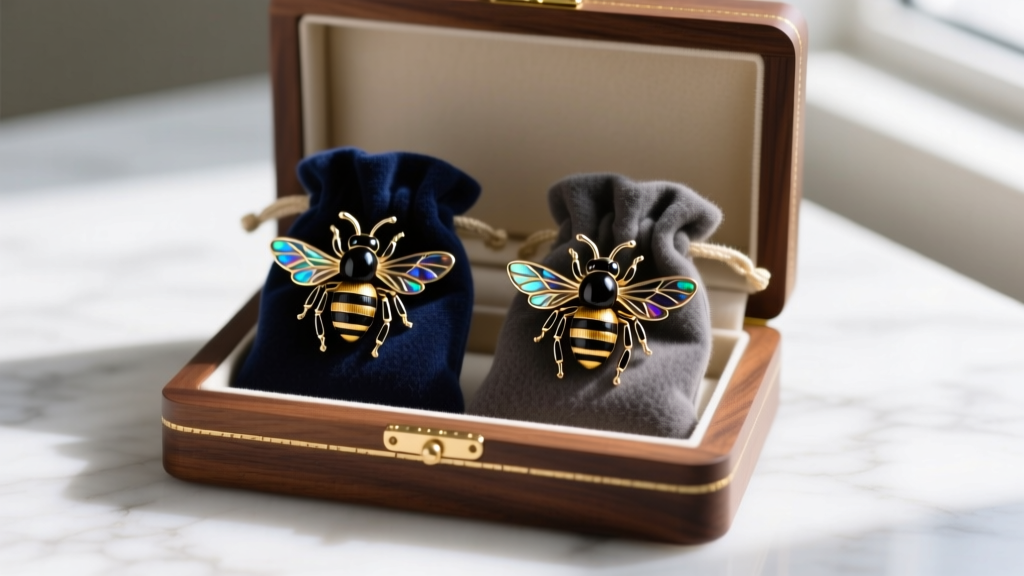
Never toss bumble bee earrings loosely into a jewelry box. The diamond wings of one earring will easily scratch the enamel or gold of another. Store each earring individually in a soft flannel pouch or a dedicated compartment lined with anti-tarnish treated fabric. Keep them away from direct sunlight to prevent the UV degradation of cold enamel resins.
When to Seek Professional Jeweler Maintenance
Even with meticulous at-home care, bumble bee earrings require periodic professional intervention to maintain their structural integrity and aesthetic contrast.
- Prong Tightening (Every 12 Months): Because micro-pave settings are delicate, have a jeweler inspect the diamond wings under a loupe annually to tighten any lifted micro-beads before a stone is lost.
- Black Rhodium Re-Plating (Every 1-2 Years): If the black stripes on your bee begin to look gray or patchy, the plating has worn through. A professional jeweler can polish the piece and re-plate it with black rhodium. This service typically costs between $35 and $75, depending on the complexity of masking off the surrounding yellow gold or diamonds.
- Enamel Restoration: If your cold enamel chips, do not attempt to glue it. A jeweler can carefully remove the remaining resin, prep the metal cavity, and color-match a new application of jeweler-grade epoxy.
By respecting the delicate interplay of mixed metals, resins, and micro-set stones, your bumble bee earrings will retain their intricate beauty and structural brilliance for decades.


