CVS Earrings Analyzed: Metal Safety & Sizing Guide
An expert metallurgical breakdown of CVS earrings, analyzing flash plating, gauge inconsistencies, nickel risks, and hygiene traps.


The Metallurgy of Mass-Market Jewelry: What Are CVS Earrings Made Of?
When you pick up a multi-pack of fashion earrings from a local pharmacy, the convenience is undeniable. However, from a materials science perspective, the metallurgical composition of CVS earrings and similar drugstore brands presents significant variables that every informed jewelry wearer must understand. Unlike fine jewelry crafted from solid 14k gold or implant-grade titanium, mass-market pharmacy earrings are almost exclusively manufactured using a base metal core—typically brass, zinc alloy, or low-grade stainless steel—coated in a microscopically thin layer of precious metal.
This coating process is known in the industry as 'flash plating.' While standard vermeil or micron plating requires a minimum thickness of 1.0 to 2.5 microns of gold over sterling silver, flash plating often measures less than 0.5 microns (or 0.0005 millimeters). This ultra-thin veneer is highly susceptible to friction, sweat, and the natural acidity of human skin. Once this microscopic barrier wears away, the underlying base metals are exposed directly to the epidermis, leading to rapid oxidation (tarnishing) and the release of reactive metal ions into the piercing channel.
Furthermore, many drugstore brands label their products as 'Surgical Steel.' It is critical to understand that 'surgical steel' is an unregulated marketing term, not a standardized metallurgical grade. While professional body piercers use ASTM F138 compliant 316L implant-grade steel or ASTM F67 titanium, pharmacy earrings often utilize 304 stainless steel. This lower-grade alloy contains up to 10% nickel, making it entirely unsuitable for prolonged wear in freshly pierced or highly sensitive tissue.
Gauge Sizing and the 'Cheese Cutter' Effect
One of the most overlooked technical aspects of CVS earrings is the inconsistency in post thickness, or gauge. Professional piercing studios adhere to strict gauge standards to ensure tissue stability and proper healing. In contrast, mass-market fashion earrings prioritize manufacturing cost and lightweight aesthetics, resulting in unusually thin posts.
Most drugstore stud earrings feature a 22-gauge (0.64mm) or 20-gauge (0.81mm) wire. When a 22-gauge post is inserted into a standard 18-gauge or 16-gauge healed piercing hole, the significant size discrepancy creates a mechanical vulnerability. The thin wire acts like a wire cheese cutter against the soft tissue of the earlobe. Over time, the downward gravitational pull of the earring, combined with the thin profile of the post, can cause the piercing channel to stretch, migrate, or even tear completely through the bottom of the lobe.
Technical Gauge Comparison Chart
| Feature | CVS / Drugstore Fashion | Standard Healed Lobe | Standard Cartilage |
|---|---|---|---|
| Typical Gauge | 22g - 20g (0.64 - 0.81mm) | 20g - 18g (0.81 - 1.02mm) | 16g - 14g (1.2 - 1.6mm) |
| Post Material | Brass/Zinc with Flash Plate | Implant-Grade Titanium | ASTM F138 Steel / Ti |
| Backing Type | Friction Butterfly | Threadless / Flat Back | Threaded / Threadless |
| Tissue Risk | Migration / Tearing | Stable | Stable |
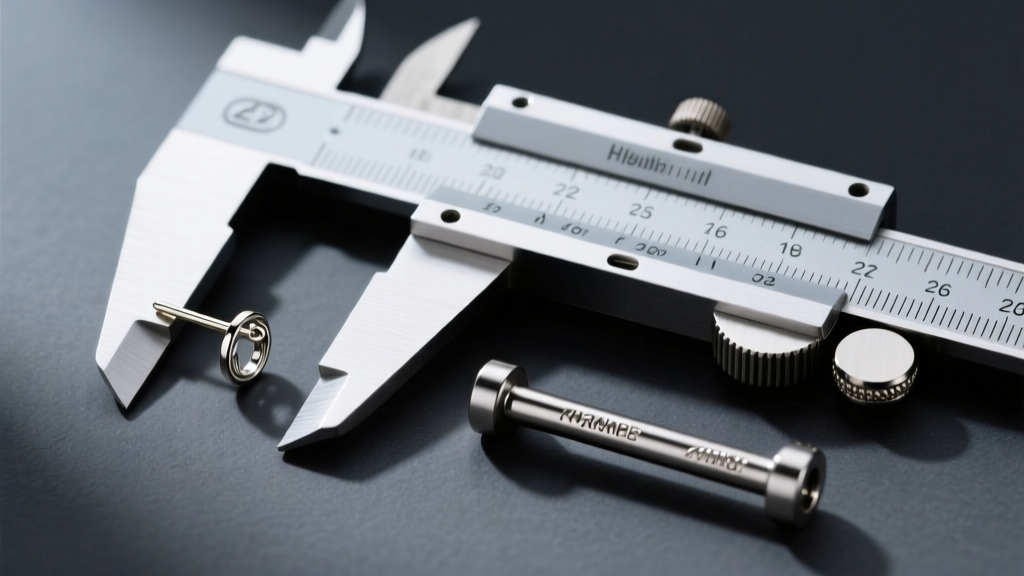
As demonstrated in the table above, inserting a pharmacy earring into a cartilage piercing is particularly hazardous. Cartilage tissue is dense and unforgiving; forcing a thin, potentially bent 22-gauge wire into a 16-gauge fistula can cause micro-tears, leading to hypertrophic scarring or severe irritation bumps.
The Nickel and Lead Factor: Allergic Contact Dermatitis Risks
The most prevalent clinical issue associated with inexpensive fashion jewelry is Allergic Contact Dermatitis (ACD). Nickel is a common sensitizer, and repeated exposure to nickel salts can trigger a lifelong immune response. Because flash plating on CVS earrings degrades quickly through friction and exposure to sebum, the underlying nickel-bearing alloys are rapidly exposed to the skin's moisture.
When sweat interacts with exposed brass or low-grade steel, it creates a mild electrochemical reaction. This reaction causes nickel ions to leach out of the metal and penetrate the stratum corneum (the outermost layer of the epidermis). Once these ions bind with skin proteins, the body's immune system identifies them as foreign invaders, resulting in the classic symptoms of nickel allergy: localized erythema (redness), pruritus (itching), vesicular rashes, and in severe cases, weeping fissures.
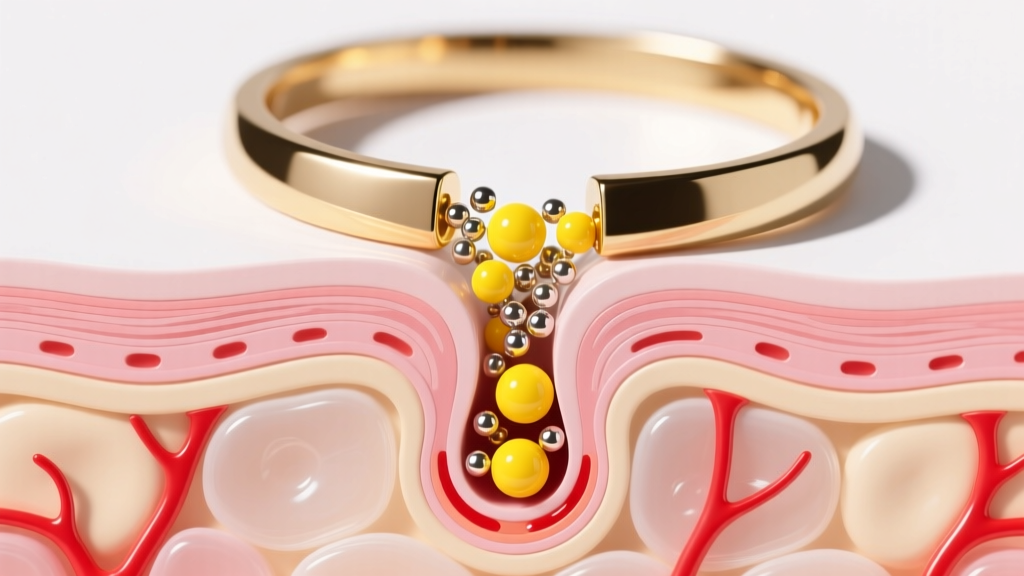
According to the American Academy of Dermatology, nickel allergy is one of the most common causes of allergic contact dermatitis worldwide. While the European Union strictly enforces the Nickel Directive (limiting nickel release to 0.5 µg/cm²/week), the United States lacks equivalent federal mandates for adult jewelry, leaving consumers to navigate the metallurgical risks independently.
Beyond nickel, heavy metal contamination is a secondary concern. As highlighted by the U.S. Consumer Product Safety Commission (CPSC), cheap zinc alloys used in mass-market jewelry manufacturing can occasionally contain trace amounts of lead or cadmium as impurities or intentional hardening agents. While the risk of systemic lead poisoning from wearing earrings is low compared to ingestion, prolonged dermal contact with heavy metals is a recognized toxicological hazard that experts advise avoiding.
Clasp and Backing Mechanics: Friction vs. Threaded
The mechanical engineering of the earring backing is just as crucial as the post itself. CVS earrings almost universally utilize the traditional 'butterfly' friction back. This design relies on the mechanical tension of two rolled metal loops gripping a notched post. While inexpensive to produce, this mechanism presents several functional failures:
- Tension Loss: Over time, the metal loops fatigue and lose their grip, leading to frequent earring loss.
- Hygiene Traps: The intricate folds of the butterfly back create a dark, enclosed environment that traps sebum, dead skin cells, and hair products. This accumulation creates a breeding ground for bacteria, often resulting in foul odors and localized folliculitis.
- Pressure Necrosis: If pushed too tightly against the earlobe to prevent loss, the flat surface of the butterfly back can restrict blood flow to the tissue, causing pressure necrosis or embedding, particularly in swollen or freshly pierced lobes.
In contrast, professional body jewelry utilizes internally threaded or threadless (push-pin) flat-back labret studs. These designs eliminate the hygiene trap behind the ear, distribute pressure evenly across a flat titanium disc, and secure the jewelry with mechanical precision rather than degrading friction.
Expert Verdict: Harmless Fashion vs. Healing Piercings
To synthesize these metallurgical and mechanical realities into an actionable framework: CVS earrings and similar drugstore fashion pieces are not inherently 'toxic,' but they are highly specialized for short-term, superficial wear in fully healed, non-sensitive tissue.
When to Wear Them: If you have fully healed, mature earlobe piercings (older than one year), no history of contact dermatitis, and you intend to wear the earrings for a single day or evening event, the risk of flash-plate degradation and tissue migration is minimal.
When to Avoid Them Entirely: Never insert drugstore fashion earrings into a healing piercing, a cartilage piercing, or a stretched lobe. The combination of thin gauge sizing, unverified base metals, and bacteria-trapping friction backs creates a high-probability vector for infection, allergic sensitization, and mechanical tissue damage. For daily wear and long-term tissue health, investing in ASTM-certified implant-grade titanium or solid 14k/18k gold jewelry remains the undisputed gold standard recommended by the Association of Professional Piercers.


