Ultimate Care for Earrings Butterfly Wings Jewelry
Learn how to safely clean and store earrings butterfly wings styles. Discover expert tips for enamel, resin, and filigree maintenance to prevent damage.

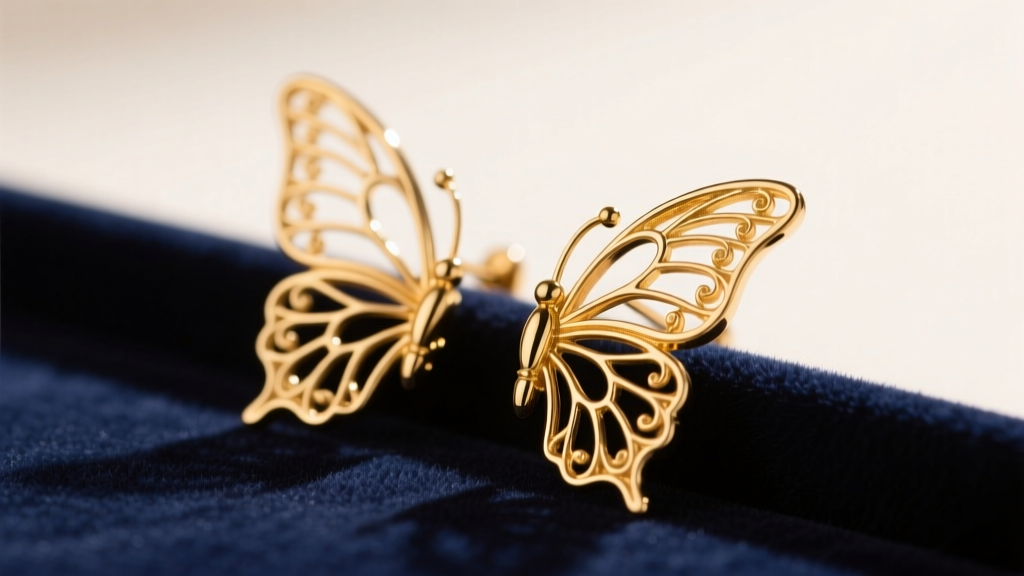
Lepidopteran-inspired jewelry has captivated collectors and casual wearers alike, but the intricate architecture of these pieces demands specialized attention. When cleaning earrings, butterfly wings motifs present a unique set of challenges due to their delicate openwork, mixed-media construction, and fragile embellishments. Unlike solid metal studs or simple hoops, butterfly wing designs often incorporate vitreous enamel, cold epoxy resins, or ethically sourced natural wings encased in glass. A single mistake with harsh chemicals or ultrasonic vibrations can permanently cloud the resin, shatter the enamel, or bend the microscopic wire veins.
This comprehensive guide will walk you through the exact protocols required to maintain the structural integrity and visual brilliance of your lepidopteran jewelry. By understanding the specific material grades and failure modes associated with these designs, you can ensure your collection remains pristine for decades.
The Anatomy of Butterfly Wing Earrings: Material Breakdown
Before applying any cleaning solution, you must identify the primary materials used in your earrings. The Gemological Institute of America (GIA) emphasizes that mixed-media jewelry requires a customized approach, as a solvent safe for one component may destroy another. Here are the three most common constructions you will encounter:
- Metal Filigree (Sterling Silver & 14k/18k Gold): These pieces mimic the delicate venation of real wings using stamped or cast openwork. The metal "veins" are often incredibly thin (ranging from 0.5mm to 1.2mm). Because these earrings are designed to be lightweight, they frequently utilize 20-gauge or 22-gauge ear wires, making the entire structure highly susceptible to bending and snagging.
- Vitreous (Fired) Enamel: High-end artisan pieces often feature cloisonné or champlevé enamel, which is essentially finely ground glass fused to a metal backing at temperatures exceeding 1,400°F. While vibrant and scratch-resistant, vitreous enamel is highly vulnerable to thermal shock and mechanical vibration.
- Resin-Encased Natural Wings: Some specialty jewelers preserve real Morpho or Monarch wings by suspending them in optically clear jeweler's epoxy or UV-cured resin. These organic-inorganic hybrids are extremely sensitive to alcohol-based solvents and prolonged UV exposure, which can cause the resin to yellow or the wing scales to degrade.
Step-by-Step Cleaning Protocol for Delicate Wing Designs
According to the Jewelers of America, gentle mechanical action paired with pH-neutral solutions is the safest method for intricate jewelry. Follow this exact sequence to remove sebum, cosmetic residue, and environmental dust without compromising the piece.
Step 1: Dry Dusting and Debris Removal
Never start with liquid. Use a can of compressed air (held at least six inches away) or a soft, dry makeup brush to dislodge loose dust and skin cells from the intricate crevices of the filigree. This prevents you from creating a muddy paste when you introduce moisture in the next step.
Step 2: The pH-Neutral Bath Prep
Mix three drops of a pH-neutral, lotion-free dish soap (such as original blue Dawn) into a bowl of lukewarm distilled water. Avoid tap water, as the chlorine and dissolved minerals can leave microscopic spots on high-polish gold and silver surfaces. Do not soak the earrings. Submerging resin-encased wings can allow water to seep into microscopic edge gaps, leading to internal clouding.
Step 3: Targeted Agitation
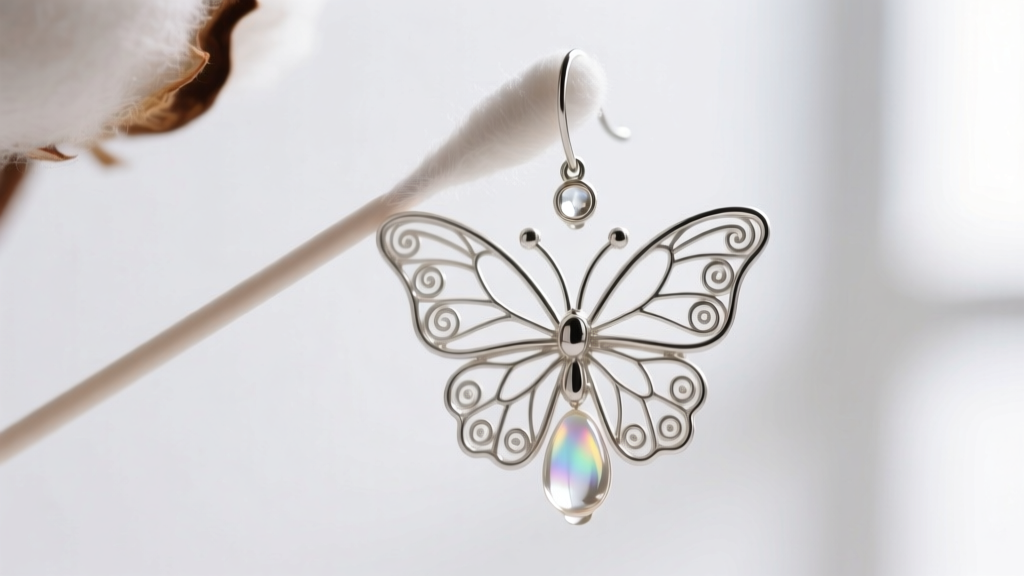
Dip an extra-soft baby toothbrush (look for 0.1mm bristle diameter) or a tightly wound cotton swab into the solution. Gently dab—do not scrub—the surface of the enamel or resin. For metal filigree, stroke the brush in the direction of the metal grain to avoid catching and lifting the delicate wire veins.
Step 4: Rinsing and Drying
Dampen a clean microfiber cloth with plain distilled water and wipe away the soap residue. Immediately dry the piece using a lint-free jeweler's cloth. For hard-to-reach crevices in the wing venation, use a hairdryer on the "cool" setting to blow out trapped moisture, preventing water spots and potential silver oxidation.
The Danger Zone: Cleaning Methods to Avoid at All Costs
Many standard jewelry cleaning hacks are actively destructive to butterfly wing motifs. The table below outlines common cleaning agents and tools, detailing exactly why they cause catastrophic failure in these specific designs.
| Cleaning Method | Material at Risk | Failure Mode & Chemical/Physical Reaction |
|---|---|---|
| Ultrasonic Cleaners | Vitreous Enamel & Resin | High-frequency cavitation creates micro-fractures in glass enamel and can shatter the bond between natural wings and epoxy resin. |
| Isopropyl Alcohol | Cold Enamel & Natural Wings | Alcohol acts as a solvent that dissolves the protective topcoat on cold enamel and causes irreversible clouding (crazing) in acrylic resins. |
| Commercial Silver Dip | Oxidized Sterling Silver | Thiourea-based dips strip the intentional dark oxidation (patina) used to highlight the intricate depth and shadows of filigree wing veins. |
| Steam Cleaners | All Mixed Media | Extreme thermal shock instantly cracks vitreous enamel. Heat also softens jeweler's epoxy, potentially causing natural wings to shift or detach. |
Proper Storage to Prevent Crushing and Tarnish
The structural vulnerability of butterfly wing earrings extends beyond the cleaning process; improper storage is responsible for the majority of irreversible damage. Because the wing silhouettes often feature protruding elements and thin wirework, tossing them into a communal jewelry box guarantees snagging and bending.
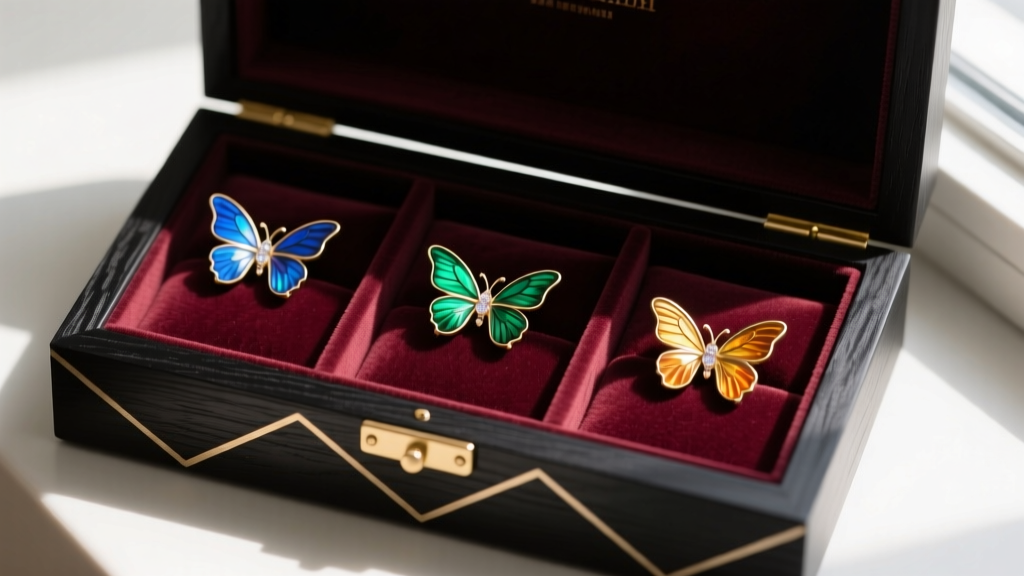
To preserve both the physical shape and the metallurgical finish, implement the following storage protocols:
- Individual Compartmentalization: Store each pair in its own soft flannel pouch or a dedicated velvet-lined compartment. This prevents the 20g ear wires from getting caught in the filigree of other pieces.
- Anti-Tarnish Technology: For sterling silver filigree, place a 3M anti-tarnish strip inside the storage container. These strips absorb hydrogen sulfide and sulfur dioxide from the air, preventing the silver from developing a black silver sulfide layer that is notoriously difficult to remove from deep crevices without abrasive polishes.
- Humidity Control: If you own resin-encased natural wings, include a small silica gel desiccant packet in your jewelry box. Controlling ambient humidity prevents the organic wing material from degrading or fostering microscopic mold growth beneath the resin surface.
Troubleshooting Common Maintenance Issues
Even with meticulous care, wear and tear can occur. Here is how to safely address the most common issues specific to lepidopteran jewelry without resorting to harsh interventions.
Cloudy Resin on Encased Wings
If your resin-encased butterfly wings develop a hazy, scratched appearance from contact with cosmetics or accidental drops, do not use metal polish. Instead, apply a drop of Novus 2 Fine Scratch Remover to a microfiber cloth. Buff the resin in small circular motions. This mild plastic polish safely restores optical clarity without damaging the underlying organic wing scales.
Bent Filigree Veins and Ear Wires
If the delicate metal veins of a filigree wing become bent, avoid using standard metal pliers, which will mar the finish and leave permanent teeth marks. Invest in a pair of nylon jaw pliers. The soft polymer jaws allow you to gently coax the 14k gold or sterling silver wire back into its original geometric alignment without scratching the high-polish surface.
Expert Stylist Tip: Always adhere to the "Last On, First Off" rule. Hairsprays, perfumes, and setting powders contain volatile organic compounds (VOCs) and alcohols that will settle into the microscopic crevices of butterfly wing earrings, slowly degrading cold enamel and dulling gold finishes over time. Put your earrings on only after your beauty routine is entirely complete.
By respecting the unique material science behind these intricate designs, you can safely maintain the ethereal beauty of your collection. Proper care ensures that the delicate symmetry and vibrant colors of your butterfly wing earrings remain as captivating as the day you first acquired them.


