How to Clean Floral Earrings Silver Without Damaging Petals
Learn how to safely clean, polish, and repair delicate floral earrings silver. Expert troubleshooting for tarnish, bent petals, and green skin.

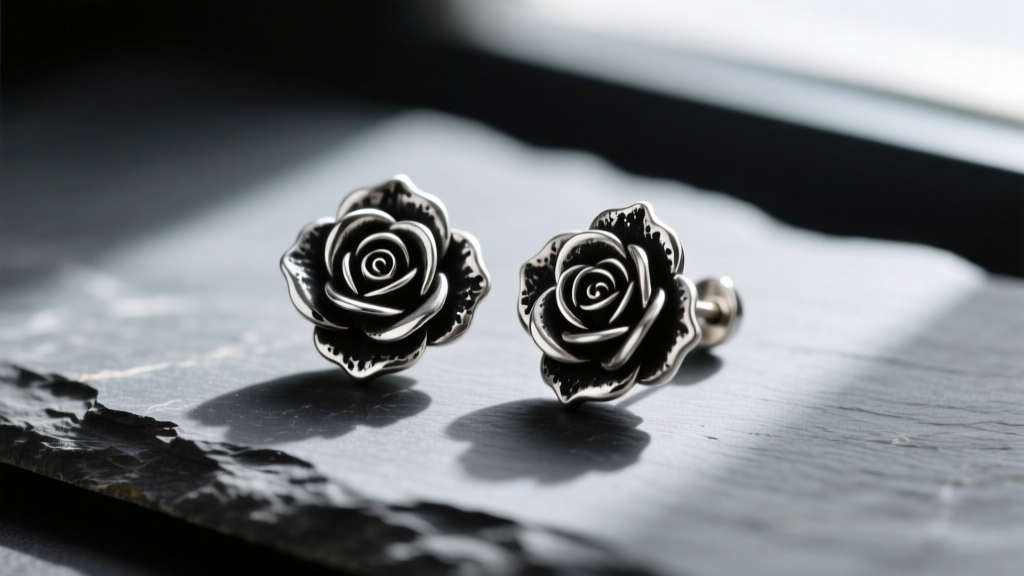
Floral earrings silver pieces capture the organic, romantic beauty of nature, but their intricate three-dimensional designs make them notoriously high-maintenance. Unlike simple geometric studs or smooth hoops, botanical shapes feature deep undercuts, overlapping petals, and delicate stems that act as magnets for tarnish, skin oils, and structural damage. Whether you own a pair of vintage Victorian rose clips or modern minimalist daisy studs, troubleshooting the unique vulnerabilities of floral silver requires specialized knowledge.
In this comprehensive guide, we will explore the exact metallurgical reasons why floral designs degrade faster, how to safely reverse tarnish without stripping intentional patinas, and how to repair bent petals and broken solder joints at home.
The Anatomy of Floral Silver Fragility
To understand how to care for floral earrings silver, you must first understand how they are constructed. To keep heavy, multi-petal designs comfortable for the earlobe and prevent the earring from drooping forward, jewelers must manipulate the silver's gauge (thickness). While the earring post is typically a sturdy 20-gauge (0.81mm) or 22-gauge (0.64mm), the decorative petals are often hammered or cast to an ultra-thin 26-gauge (0.40mm) or even 28-gauge (0.32mm).
This drastic reduction in structural mass means that a single snag on a wool sweater or a careless toss into a jewelry box can easily warp a silver lily or bend a rose petal backward. Furthermore, the increased surface area of a 3D floral design exposes more silver to sulfur-rich air and cosmetic chemicals, accelerating the oxidation process compared to a flat, polished surface.
Troubleshooting Tarnish: Chemical vs. Mechanical Cleaning
Tarnish on silver is not dirt; it is a chemical reaction. When the copper alloyed in sterling silver reacts with hydrogen sulfide in the air, it forms silver sulfide, a black or yellowish film. Because floral designs have deep crevices, wiping the surface with a cloth will not reach the tarnish trapped between the petals.
The Electrochemical Reduction Method
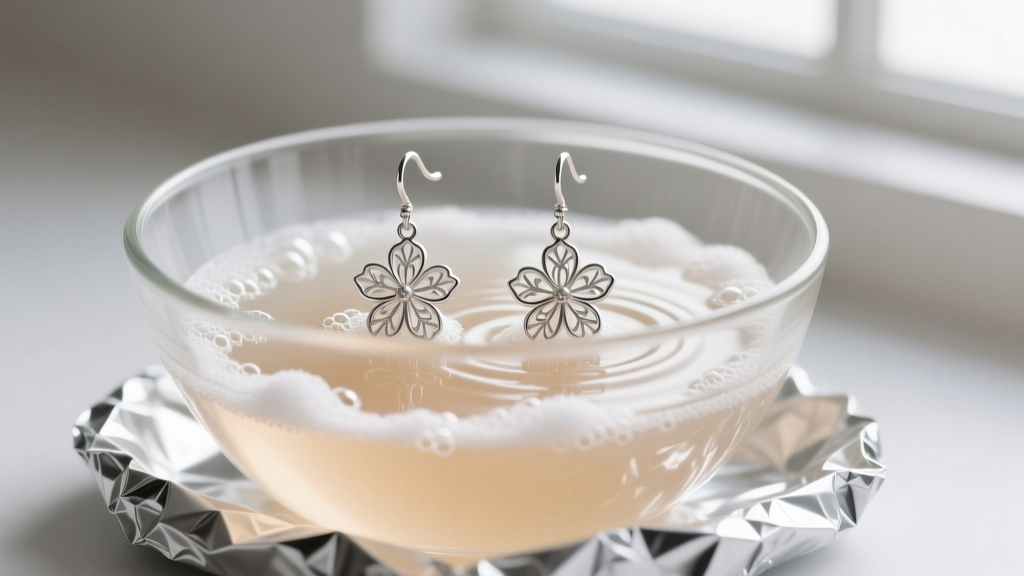
The most effective way to clean deep floral crevices without abrasive scrubbing is through electrochemical reduction. This method reverses the tarnish reaction using aluminum foil, baking soda, and hot water.
- Line a glass bowl with aluminum foil, shiny side up.
- Place your floral earrings silver on the foil, ensuring the metal touches the aluminum.
- Sprinkle one tablespoon of baking soda over the earrings.
- Pour boiling water into the bowl. You will see bubbles and smell a faint sulfur (rotten egg) odor as the silver sulfide transfers from the silver to the aluminum.
- Leave for 2 to 5 minutes, then remove with plastic tongs, rinse in distilled water, and pat dry.
Critical Warning: Never use this method on 'antiqued' or 'oxidized' floral earrings. Many botanical designs rely on intentional black oxidation in the crevices to provide contrast and make the petals 'pop.' The electrochemical method will strip this dark patina entirely, leaving your earrings looking flat, white, and washed out.
Silver Purity and Cleaning Compatibility
Not all silver reacts the same way to cleaning agents. Refer to this chart before attempting any restoration:
| Silver Type | Composition | Tarnish Rate | Safe Cleaning Method |
|---|---|---|---|
| 925 Sterling | 92.5% Silver, 7.5% Copper | High | Foil method (unless antiqued), polishing creams |
| 935 Argentium | 93.5% Silver, Germanium | Very Low | Mild dish soap and warm water only |
| Silver-Plated | Brass/Copper base, thin silver coat | Medium (can rub off) | Gentle microfiber cloth; NO boiling or foil |
| Coin Silver (900) | 90% Silver, 10% Copper | Very High | Wright's Silver Cream, soft horsehair brush |
For mechanical cleaning of non-antiqued florals, use a soft horsehair brush or a baby toothbrush with a pea-sized amount of non-whitening toothpaste or specialized silver polish. According to The Silver Institute, avoiding harsh abrasive dips is crucial, as they can strip the top layer of silver, especially on plated floral pieces.
Restoring Intentional Oxidation (Antiquing)
If you have accidentally stripped the dark contrast from your floral earrings silver using the foil method, you can restore the depth using a chemical called Liver of Sulfur. This is a common technique used by metalsmiths to age silver.
Dissolve a tiny chip of Liver of Sulfur gel in a cup of warm water. Using a cotton swab, carefully dab the solution only into the deep crevices and under the petals of the earring. The silver will turn black within seconds. Once the desired darkness is achieved, rinse the earring and gently polish the high points (the tops of the petals) with a polishing cloth. This leaves the crevices dark and the raised areas bright, restoring the original 3D botanical illusion.
Fixing Bent Petals and Weak Solder Joints
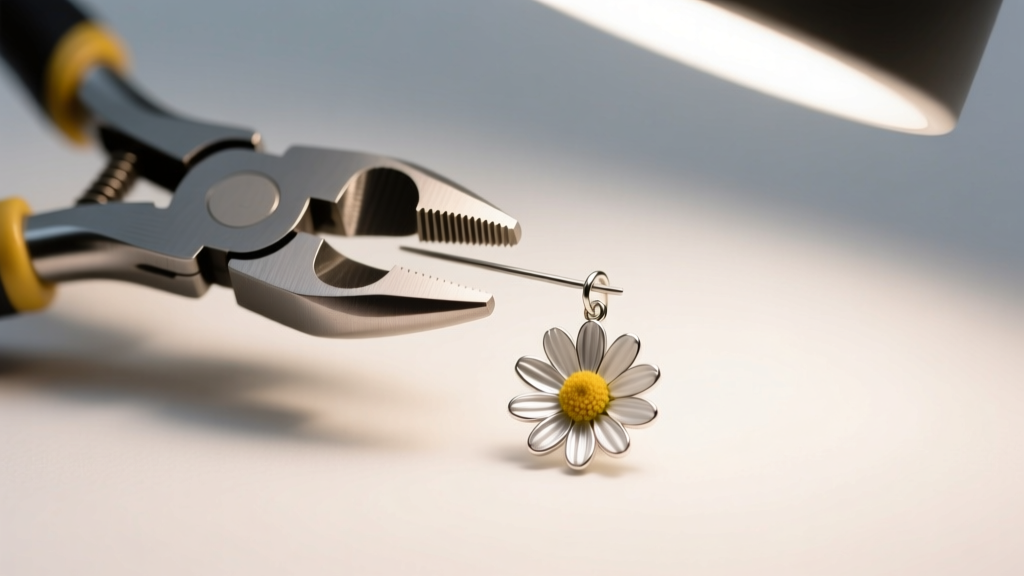
Because floral petals are often crafted from 24-gauge to 28-gauge silver sheet, they are highly susceptible to bending. If a petal gets crushed, do not attempt to bend it back with your fingers, as the oils and uneven pressure can cause the silver to crease or snap.
Reshaping Techniques
Use nylon-jaw pliers or smooth-jaw flat-nose pliers wrapped in painter's tape. The nylon or tape prevents the steel tool from marring the soft silver. Gently apply pressure from the base of the petal outward, working the metal slowly. Silver exhibits 'work hardening'—meaning it becomes stiffer and more brittle the more you bend it. If the petal feels stiff, stop immediately to avoid metal fatigue and cracking.
Reattaching Broken Posts
The earring post is soldered to the back of the floral base. If the post snaps off, superglue will not hold it; the sheer force of pushing the earring backing on will break the glue bond. A proper repair requires silver solder and a butane micro-torch. If you are not experienced with soldering, take the piece to a professional bench jeweler. They will use a 'hard' or 'medium' silver solder, which flows at a higher temperature and creates a joint stronger than the surrounding silver.
Solving the 'Green Ear' Dilemma
A common complaint with floral earrings silver is the green or black stain left on the earlobe. This is not an allergy to silver; it is a reaction to the copper in the 925 sterling alloy. When copper mixes with the acids in your sweat, lotions, or perfumes, it creates copper chloride, which transfers to the skin.
Because floral earrings often have a larger surface area resting against the skin compared to a simple wire hook, the reaction is more pronounced. To solve this:
- Rhodium Plating: Have a jeweler plate the back of the floral earrings with rhodium (a platinum-group metal). This creates a hypoallergenic, non-tarnishing barrier that lasts 1 to 3 years.
- Clear Barrier: As a temporary DIY fix, paint the back of the earring and the post with a thin layer of clear nail polish. Reapply every few weeks.
- Upgrade to Argentium: For future purchases, look for floral designs made from Argentium silver, which replaces copper with germanium, virtually eliminating both tarnish and green skin reactions.
Identifying Silver Plating vs. Solid Silver
Before applying any chemicals or polishes to vintage floral earrings, you must verify they are solid silver. Many vintage botanical pieces are silver-plated brass. If you use the boiling foil method on plated silver, the rapid temperature change and chemical reaction can cause the thin silver layer to blister and peel away, ruining the earring.
Look for hallmarks on the earring post or the flat back of the floral base. '925', 'Sterling', or '935' indicates solid silver. If you see 'EPNS' (Electroplated Nickel Silver) or 'A1', the piece is plated. For plated florals, the GIA Gemcare guidelines recommend using only a damp microfiber cloth and mild soap, avoiding all chemical dips and abrasive pastes.
Preventative Storage for 3D Florals
Proper storage is the ultimate troubleshooting preventative. Never toss floral earrings loosely into a drawer where the petals can interlock and bend. Store them individually in small ziplock bags with the air pressed out. For maximum protection, line your jewelry box with Pacific Silvercloth, a specialized fabric embedded with microscopic silver particles that intercept and absorb sulfur gases before they can reach your earrings. Include a small silica gel packet in the storage area to control humidity, which acts as a catalyst for the copper oxidation process.


