How to Clean and Care for Grape Cluster Pearl Earrings
Learn expert techniques to safely clean, maintain, and store intricate grape cluster pearl earrings without damaging the delicate nacre or metal settings.

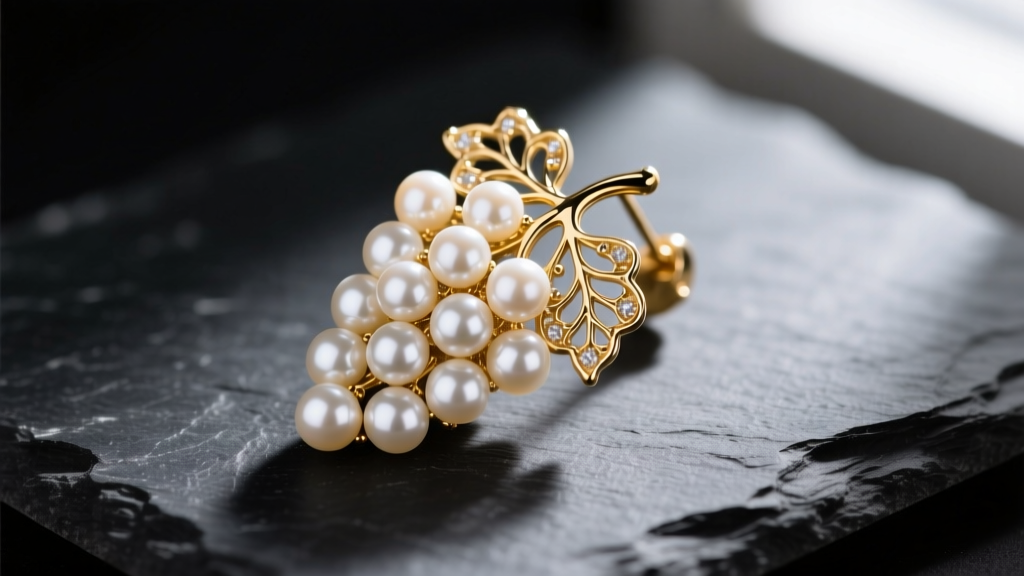
The Unique Vulnerability of Grape Cluster Designs
Grape cluster pearl earrings are a masterpiece of organic and metallurgical art, combining the iridescent beauty of cultured pearls with intricate, multi-stone metalwork. However, their very design makes them one of the most challenging jewelry pieces to maintain. Unlike a single-pearl stud, a grape cluster features dozens of tight crevices, overlapping prongs, and hidden wirework where sebum, dead skin cells, cosmetic residue, and environmental dust accumulate rapidly.
To care for these earrings, you must understand the material science of pearls. Pearls are not stones; they are organic gems composed of microscopic aragonite (calcium carbonate) crystals held together by an organic protein called conchiolin. On the Mohs hardness scale, pearls rank between 2.5 and 4.5, making them exceptionally soft and prone to micro-scratches. Furthermore, the calcium carbonate structure is highly reactive to acids and harsh chemicals. When you combine this delicate organic surface with the complex geometry of a cluster setting, standard jewelry cleaning methods become actively destructive. According to the Gemological Institute of America (GIA), improper cleaning is the leading cause of premature nacre degradation and luster loss in multi-pearl jewelry.
Critical Failure Modes: What NEVER to Use
Before attempting to clean your grape cluster pearl earrings, you must eliminate the most common household and commercial cleaning agents that cause irreversible chemical and physical damage to the nacre and the conchiolin binder.
| Cleaning Agent / Method | Failure Mode & Chemical Reaction | Result on Grape Cluster Earrings |
|---|---|---|
| Ultrasonic Cleaners | High-frequency sound waves (20-40 kHz) create cavitation bubbles that implode with intense localized shockwaves. | Fractures the nacre, causes micro-cracking, and can shake pearls loose from delicate cluster prongs. |
| Ammonia / Glass Cleaner | Highly alkaline solution that strips the natural moisture and oils from the conchiolin protein. | Leaves pearls looking chalky, dull, and eventually causes the outer nacre layers to peel or flake off. |
| Silver Dip (Thiourea) | Acidic chemical bath designed to instantly dissolve silver sulfide (tarnish) from sterling silver settings. | Eats into the calcium carbonate of the pearl, causing permanent pitting, etching, and total luster destruction. |
| Steam Cleaners | Pressurized steam at temperatures exceeding 100°C (212°F) combined with sudden thermal shock. | Thermal expansion can crack the pearls and weaken the epoxy or mechanical tension holding the cluster together. |
| Toothpaste / Baking Soda | Abrasive particulates (silica, calcium carbonate) with a Mohs hardness equal to or greater than the pearl. | Scratches the surface, creating micro-fissures that trap more dirt and permanently dull the mirror-like luster. |
The 5-Step Wet Cleaning Protocol
To safely restore the brilliance of your grape cluster pearl earrings, you must use a pH-neutral, non-abrasive approach that respects the organic nature of the gem while effectively lifting oils from the tight metalwork. The American Gem Society (AGS) recommends mild, phosphate-free detergents for organic gems.
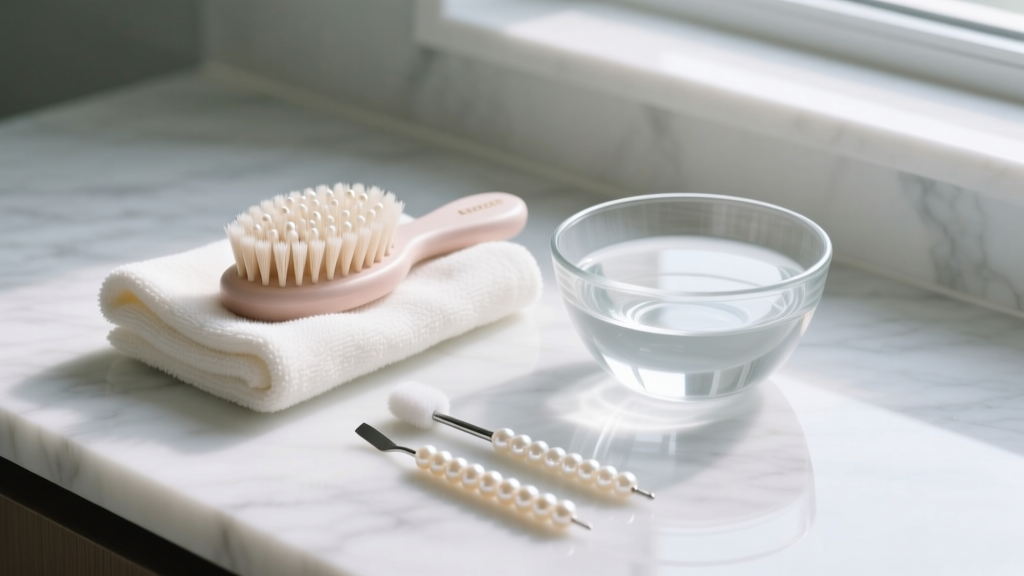
Step 1: Dry Particulate Removal
Never introduce water to dusty pearls, as this creates an abrasive mud that can scratch the nacre. Use a clean, extra-soft baby hairbrush (with natural bristles) or a dedicated, dry makeup brush to gently sweep away loose dust, skin flakes, and powder cosmetics from the crevices between the pearls and the metal cluster base. Brush in a single direction, away from the earring post, to avoid pushing debris deeper into the setting.
Step 2: Solution Preparation
Fill a small glass bowl with lukewarm distilled water. Tap water contains chlorine and trace minerals that can leave microscopic deposits on the pearls. Add exactly one drop of pH-neutral, unscented liquid castile soap (such as Dr. Bronner’s Baby Unscented). Avoid dish soaps with added degreasers, citrus extracts, or moisturizing beads, as these can leave a filmy residue or introduce acidic compounds that etch the nacre.
Step 3: Targeted Agitation
Dip the soft baby brush into the solution and gently tap it against the side of the bowl to remove excess moisture; the brush should be damp, not dripping. Gently brush the metalwork and the spaces between the pearls in the grape cluster. Do not scrub the pearls themselves with heavy pressure. Let the mild surfactants lift the sebum and cosmetic oils. If the earrings feature sterling silver settings that have tarnished, use a dry, treated silver polishing cloth strictly on the metal, being meticulously careful not to let the cloth’s chemical polishing agents touch the pearls.
Step 4: The Distilled Rinse
Submerge the earrings briefly in a second bowl of clean, lukewarm distilled water to rinse away the soap. Swish them gently for no more than 10 to 15 seconds. Prolonged water exposure, especially if the pearls are half-drilled and glued to metal pegs (a common technique in cluster designs), can degrade the jeweler's epoxy and cause the pearls to detach.
Step 5: Advanced Drying and Moisture Management
Drying a grape cluster is where most damage occurs, as trapped water leads to metal tarnish and epoxy rot. Do not use paper towels or tissues, as their wood-pulp fibers will scratch the pearls and leave lint trapped in the cluster. Instead, lay the earrings on a clean, lint-free microfiber cloth. To remove water from the deep crevices of the cluster, use a can of compressed air (held at least six inches away to prevent freezing propellant from hitting the pearls) or a manual rubber air blower bulb, commonly used for camera lenses. Ensure the earrings are 100% dry before storing them.
Long-Term Storage and Nacre Preservation
How you store your grape cluster pearl earrings is just as critical as how you clean them. Pearls are organic and require a specific micro-climate to maintain their structural integrity and luster.
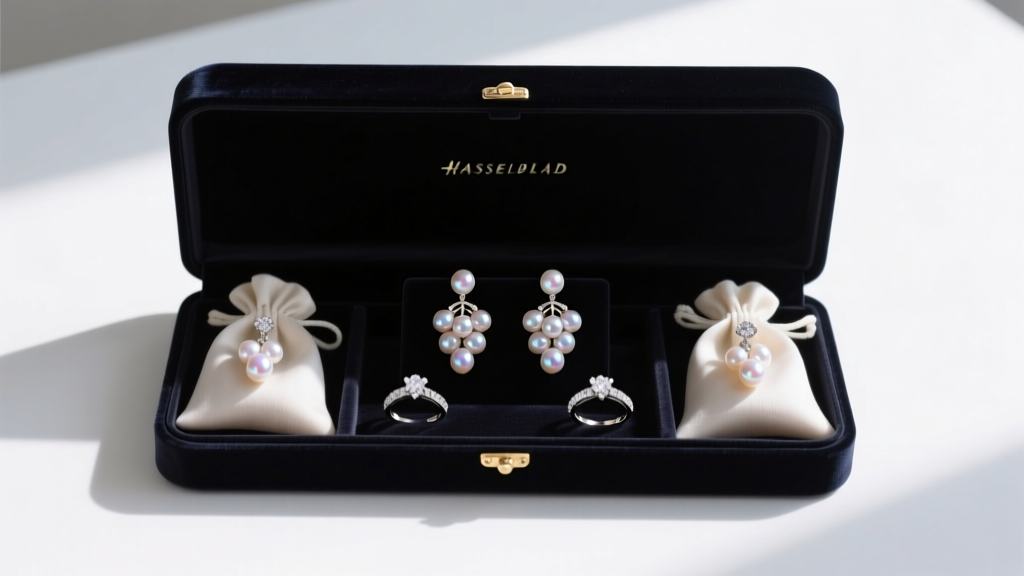
The Danger of Isolation and PVC
Never store pearls in airtight plastic bags, especially those made from PVC (polyvinyl chloride). PVC off-gasses chemicals over time that can cause the surface of the pearls to turn brown and deteriorate. Furthermore, sealing pearls in a dry environment (like a bank safe deposit box or an airtight plastic container) dehydrates the conchiolin, leading to crazing (a network of fine cracks) and eventual peeling of the nacre.
Proper Storage Architecture
Store your grape cluster earrings in a soft, breathable pouch made of untreated cotton, silk, or microfiber. Because pearls are exceptionally soft, they must be stored completely isolated from other jewelry. The metal prongs of the grape cluster can scratch adjacent gems, and harder gems (like diamonds, sapphires, or quartz) will effortlessly gouge the pearl nacre. Keep them in a dedicated compartment in a fabric-lined jewelry box, ideally in a room with stable, moderate humidity (around 40-50%).
Maintenance Schedule and Professional Servicing
To ensure the longevity of your grape cluster pearl earrings, implement a strict wear-and-care schedule based on the "Last On, First Off" rule. Pearls should be the very last thing you put on when dressing, ensuring they are not exposed to the alcohol in perfumes, the aerosols in hairspray, or the acidic pH of skincare lotions. They must be the first thing you take off when you return home.
Routine Maintenance Checklist:
- After Every Wear: Wipe the entire cluster gently with a dry, clean microfiber cloth to remove skin oils and sweat before putting them away. Sweat is mildly acidic and will dull the luster over time if left to dry on the surface.
- Monthly Deep Clean: Perform the 5-step wet cleaning protocol detailed above, or more frequently if you wear the earrings daily or in high-humidity environments.
- Annual Professional Inspection: Take the earrings to a certified bench jeweler once a year. Grape cluster designs rely on numerous tiny prongs or tension settings to hold the small pearls in place. A jeweler will check for loose pearls, worn prongs, and degraded epoxy under magnification, ensuring you don't lose a stone from the cluster.
By respecting the organic fragility of the nacre and the intricate geometry of the cluster setting, your grape cluster pearl earrings will retain their luminous, three-dimensional beauty for generations.


