The Girl with Pearl Earrings Look: Fixing Heavy Drop Lobe Strain
Recreate the iconic Girl with Pearl Earrings look safely. Expert troubleshooting for heavy drop lobe strain, gauge upgrades, and supports.

The Physics of the Masterpiece: Why Heavy Pearls Ruin Lobes
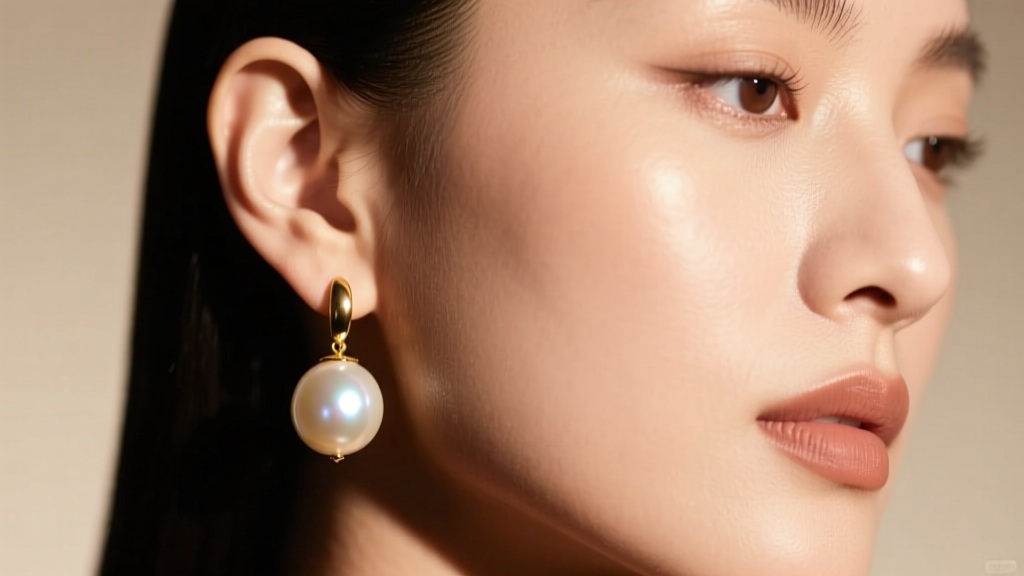
Johannes Vermeer’s 1665 masterpiece, the Girl with a Pearl Earring, captivates viewers not just with the subject’s enigmatic gaze, but with the impossibly large, luminous pearl dangling from her ear. Art historians and gemologists have long debated the earring's composition. A natural saltwater pearl of that estimated 12mm to 15mm diameter would have been worth a fortune, leading many experts to conclude it was likely a glass or tin-based imitation. Today, the 'girl with pearl earrings' aesthetic remains a highly sought-after style. However, modern wearers attempting to recreate this iconic look with genuine cultured pearls or heavy glass replicas frequently encounter a severe anatomical problem: earlobe strain, tearing, and the unflattering 'droop.'
To understand the troubleshooting required for this look, we must examine the physics of a heavy drop earring. A standard earlobe piercing (the fistula) is a simple tube of scar tissue. When you insert a heavy 14mm pearl drop, the center of gravity sits well below the piercing hole. This creates a pendulum effect and continuous downward torque. Over hours of wear, this torque forces the earring post to slice downward through the tissue—a phenomenon jewelers call the 'cheese cutter effect.' The result is not only pain and micro-tearing but also a distorted silhouette. Instead of the pearl catching the light gracefully against the cheek, the heavy weight pulls the lobe downward, causing the earring to face the floor rather than the observer.
Troubleshooting the Cheese Cutter Effect: Gauge and Material Upgrades
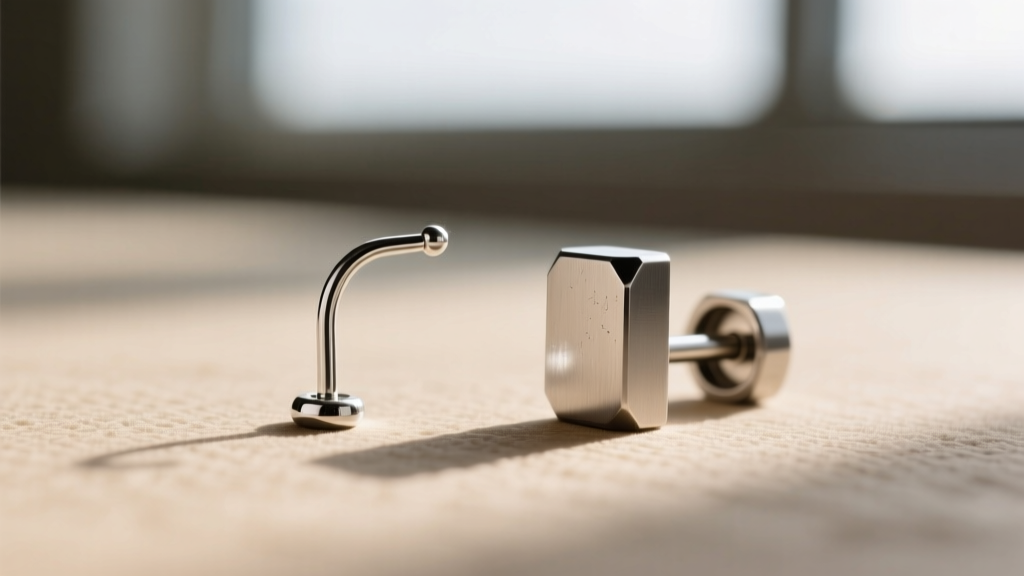
Most commercial fashion earrings are manufactured with 20-gauge (0.81mm) or 18-gauge (1.02mm) posts to save on precious metal costs. When supporting a 5-gram pearl, a 20-gauge post exerts extreme pressure per square millimeter on the bottom of the fistula.
Upgrading to Structural Gauges
To safely wear heavy drops, you must increase the surface area distributing the weight. Upgrading to a 16-gauge (1.29mm) or 14-gauge (1.63mm) post reduces the localized pressure by up to 400%. You will need to have your piercer stretch your standard lobe piercing to accommodate these thicker posts, a simple process that heals quickly in the highly vascular earlobe tissue.
Metallurgical Considerations
Do not use sterling silver or gold-plated brass for heavy structural posts. These softer alloys can literally bend under the sustained torque of a heavy pearl, warping the post and creating sharp edges that lacerate the fistula. According to Rio Grande Jewelry Supplies, the industry standard for load-bearing earring findings is ASTM F136 implant-grade titanium or heavily alloyed 14k/18k gold (mixed with copper or zinc for rigidity). Titanium offers the highest tensile strength, ensuring the post remains perfectly straight even when bearing a 15mm drop.
Weight Distribution Hacks for the Iconic Drop
If you cannot stretch your lobes for thicker posts, you must artificially distribute the weight across a wider area of the earlobe's backside.
Friction Backs vs. Silicone Supports
Standard metal butterfly friction backs concentrate the load on a tiny 2mm pin. Discard these immediately when wearing heavy pearls. Instead, utilize medical-grade silicone support discs (often sold under brand names like LobeWonder). These 10mm-wide, 2mm-thick pads slide onto the post and rest flush against the back of the lobe, dispersing the downward pull across a broader surface area.
The French Wire Alternative
For the ultimate 'girl with pearl earrings' drape without the localized tearing, transition from a straight post to a heavy-duty French wire (fish hook). A 14-gauge French wire hooks over the top of the ear cartilage, transferring up to 60% of the pearl's weight away from the delicate fistula and onto the structurally sound upper ear ridge.
| Pearl Diameter | Material Type | Approx. Weight | Lobe Stress Level |
|---|---|---|---|
| 8mm - 10mm | Solid Cultured Nacre | 1.5 - 2.5g | Moderate (Safe for 18g posts) |
| 11mm - 13mm | Solid Cultured Nacre | 3.0 - 4.5g | High (Requires 16g posts & supports) |
| 14mm - 16mm | Solid Cultured Nacre | 5.0g - 7.0g | Severe (Requires 14g posts & French wires) |
| 14mm - 16mm | Pearlescent Resin | 0.8 - 1.2g | Minimal (Safe for standard 20g posts) |
Material Substitutions: Faking the Nacre Without the Strain
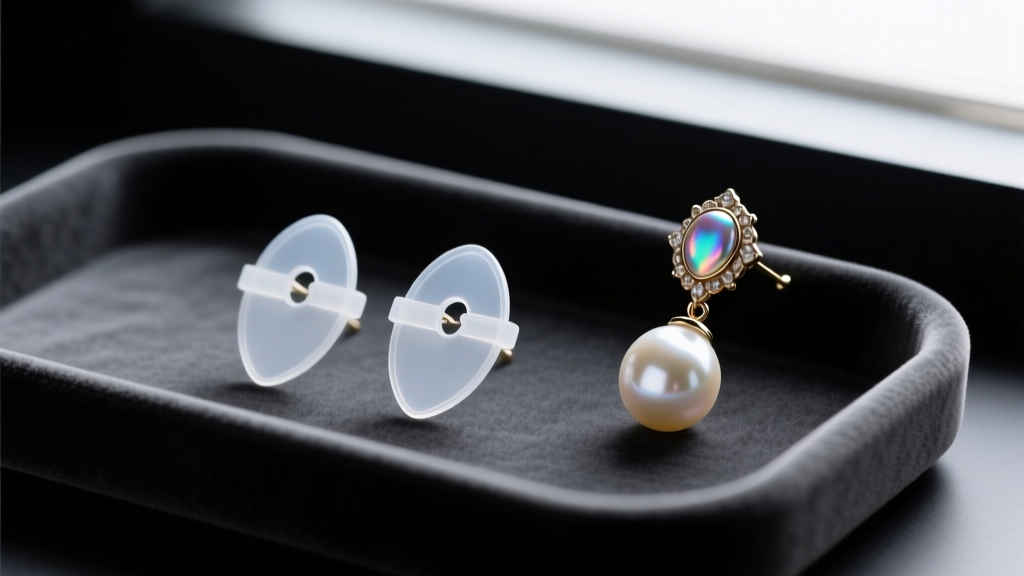
If your lobes simply cannot handle the physical mass of a large cultured pearl, you must pivot to advanced material substitutions. As the Gemological Institute of America (GIA) notes, the visual magic of a pearl lies in its nacre thickness and luster, not necessarily its internal density.
- Shell Pearls (e.g., Majorica): These are created by coating dense glass or porcelain beads with a proprietary nacre-like substance derived from fish scales and oyster shells. While beautiful, the glass core makes them exceptionally heavy. Avoid these if lobe strain is your primary concern.
- Hollow Glass and Resin: High-end costume jewelers often use blown glass or lightweight UV-cured resins coated in pearlescent mica powders. A 14mm resin pearl can weigh less than 1 gram, compared to the 4+ grams of a solid cultured pearl, entirely eliminating the torque issue.
- Mother-of-Pearl Shell Carvings: Carved from the thick inner lining of oyster shells, these can be shaped into large, lightweight domes that mimic the exact optical properties of a spherical pearl while removing 70% of the internal mass.
Rehabilitating Stretched Lobes: When Prevention Fails
If you have already worn heavy pearl drops for months and notice your piercing holes elongating into vertical slits, immediate intervention is required.
Non-Surgical Interventions
Remove all heavy jewelry immediately and switch to lightweight 14k gold huggies or small sleepers for a minimum of six weeks to allow the collagen in the fistula to contract. You can also use hyaluronic acid dermal fillers injected around the piercing site by a licensed dermatologist to plump the tissue and restore structural integrity to the stretched hole.
Surgical Lobuloplasty
If the lobe has split or the hole has stretched beyond 4mm, non-surgical methods will fail. A cosmetic dermatologist or plastic surgeon can perform a lobuloplasty—a minor, in-office procedure where the stretched tissue is excised and the lobe is sutured back together. Advanced techniques like the Z-plasty are often used to prevent the 'notching' effect at the edge of the earlobe. The earlobe typically heals in six weeks, after which it can be safely re-pierced, provided you adhere to the gauge and weight distribution rules outlined above.
Recreating the enigmatic beauty of Vermeer's subject requires more than just an eye for aesthetics; it demands a respect for anatomy and material science. By upgrading your post gauges, utilizing silicone load-distributors, and selecting intelligent material alternatives, you can achieve the iconic silhouette while keeping your earlobes perfectly intact.


