Asch Grossbardt Earrings Explained: A Beginner's Guide
Discover everything about Asch Grossbardt earrings. This beginner guide covers diamond quality, signature collections, pricing, and authentication.

Introduction to Asch Grossbardt Fine Jewelry
For those just entering the world of high-end luxury jewelry, the name Asch Grossbardt (often abbreviated as AG) carries significant weight. Founded in New York City, the brand has built a formidable reputation over the decades for exceptional craftsmanship, particularly in their diamond and colored gemstone earrings. Unlike mass-market commercial jewelers, Asch Grossbardt operates in the upper echelon of fine jewelry, focusing on meticulous stone selection, innovative setting techniques, and enduring design. If you are considering investing in your first pair of luxury diamond earrings or looking to understand what justifies the premium price point of AG pieces, this beginner-friendly explainer will break down everything you need to know about Asch Grossbardt earrings in 2026.
Understanding the nuances of luxury earrings requires looking beyond the sparkle. It involves examining the metallurgical composition of the settings, the precise grading of the gemstones, and the structural engineering of the earring posts. Let us dive deep into the anatomy and signature collections of this prestigious brand.
The Anatomy of AG Diamond Earrings
To truly appreciate Asch Grossbardt earrings, one must understand the raw materials and structural specifications that define their quality. Luxury jewelry is not just about the visual impact; it is about longevity, wearability, and hypoallergenic properties.
Metal Alloys and Hypoallergenic Standards
Asch Grossbardt predominantly utilizes 18-karat gold and platinum for their earring settings. An 18k gold alloy consists of 75% pure gold mixed with 25% other metals to provide durability. For their white gold pieces, AG typically employs a palladium-based alloy rather than a nickel-based one. This is a critical distinction for beginners with sensitive skin, as nickel is a common allergen found in lower-tier 14k white gold. By using palladium and silver, AG ensures their white gold earrings remain hypoallergenic while achieving a bright, rhodium-plated finish that resists tarnishing.
For their most prestigious high-jewelry earrings, AG uses PT950 platinum. This alloy is 95% pure platinum and 5% ruthenium or iridium, offering a naturally white metal that will never fade or require rhodium replating, making it ideal for heirloom-quality diamond studs.
Diamond Grading and Certification
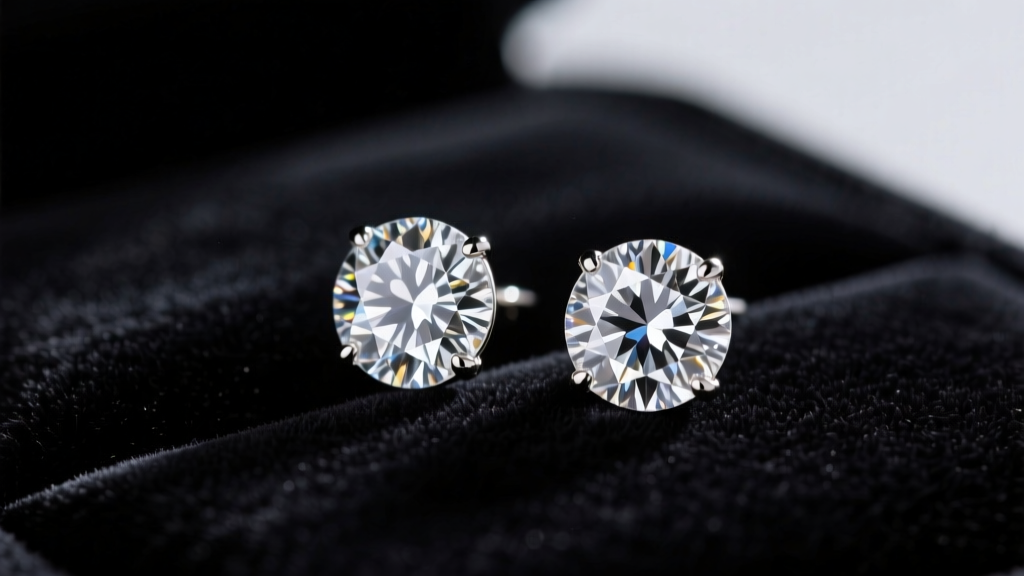
The cornerstone of Asch Grossbardt's reputation is its diamond sourcing. According to the standards set by the Gemological Institute of America (GIA), a diamond's value is dictated by the 4Cs. AG typically selects diamonds that fall into the upper tiers of these metrics. For their classic stud earrings, you can expect stones with a cut grade of 'Excellent' or 'Ideal', ensuring maximum light return and brilliance. Color grades usually range from D (colorless) to G (near-colorless), while clarity grades are strictly kept within the VS1 to VS2 range, meaning inclusions are completely invisible to the naked eye.
Post Gauges and Structural Engineering
A frequently overlooked aspect of luxury earrings is the earring post. Standard fashion earrings often use thin 20-gauge (0.81mm) or 22-gauge (0.64mm) wire. However, a pair of 2.00-carat total weight (CTW) diamond studs requires substantial support to prevent the earrings from drooping forward on the earlobe. Asch Grossbardt engineers their posts to be thicker, typically utilizing an 18-gauge (1.02mm) or 19-gauge wire. This added thickness provides the necessary structural integrity to hold heavy pavé or solitaire settings perfectly parallel to the ear.
Signature Collections Breakdown
While AG produces a wide array of fine jewelry, their earring offerings can be broadly categorized into three signature styles that dominate their catalog and secondary market presence.
| Collection Name | Primary Materials | Design Characteristics | Best Suited For |
|---|---|---|---|
| Classic Solitaire Studs | 18k Gold, Platinum, Round/Princess Diamonds | Four or six-prong martini or basket settings with secure friction or screw backs. | Everyday luxury wear, bridal parties, first-time luxury buyers. |
| The Rainbow Collection | 18k Gold, Multi-colored Sapphires, Rubies, Emeralds, Diamonds | Vibrant gradient or clustered gemstone arrangements, often in drop or chandelier styles. | Statement wear, gala events, collectors of colored gemstones. |
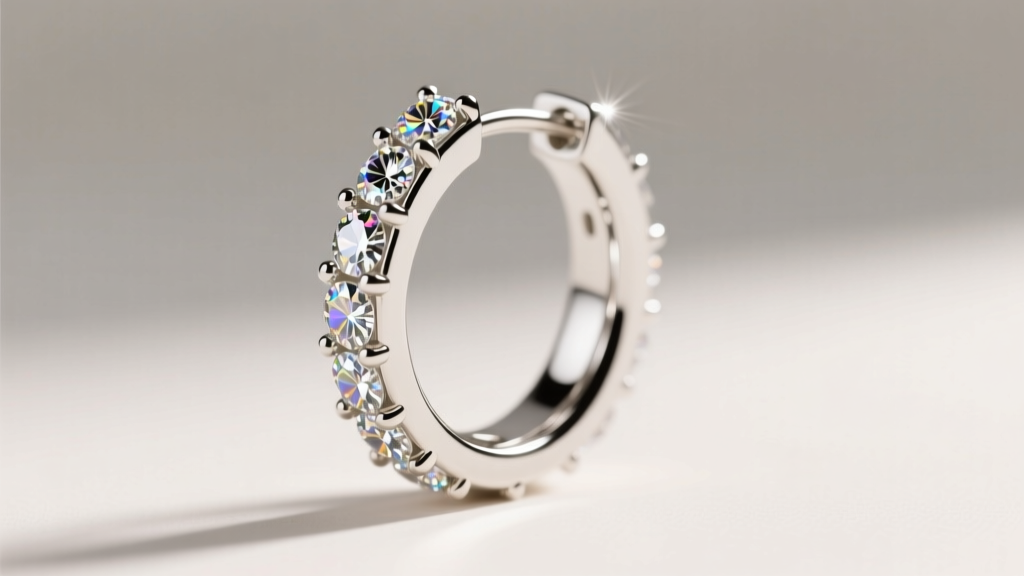
| Pavé & Micro-Pavé Hoops | 18k White/Rose Gold, Melee Diamonds | Inside-out or front-facing continuous diamond coverage with hidden hinge clasps. | Modern minimalist styling, cartilage piercings, huggie preferences. |
Deep Dive: The Rainbow Collection
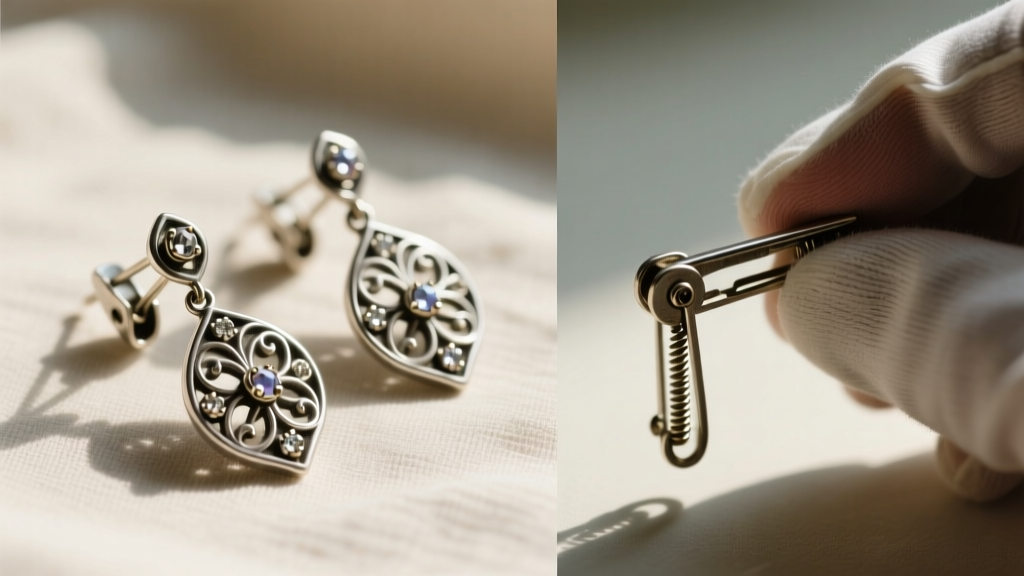
The Rainbow Collection is arguably Asch Grossbardt's most recognizable aesthetic. These earrings feature a dazzling array of calibrated colored gemstones. Beginners should note that working with multi-gemstone pieces requires immense lapidary precision. AG master jewelers custom-cut each sapphire, ruby, and emerald to ensure uniform depth and facet alignment, allowing the earrings to reflect light evenly across the entire color spectrum.
Pricing Tiers and Investment Value in 2026
Entering the Asch Grossbardt market requires an understanding of luxury pricing structures. Unlike commercial mall jewelers, AG pricing reflects not just the raw material cost, but the master-level labor involved in their New York workshops.
- Entry-Level Luxury ($2,500 - $6,000): This tier includes classic diamond stud earrings ranging from 0.50 CTW to 1.00 CTW, as well as smaller, minimalist diamond huggie hoops. These pieces offer the best entry point for experiencing AG's diamond quality and structural craftsmanship.
- Mid-Tier Statement Pieces ($8,000 - $25,000): Here you will find larger solitaire studs (1.50 to 3.00 CTW), intricate pavé drop earrings, and entry-level pieces from the Rainbow Collection featuring calibrated sapphires and diamonds.
- High Jewelry & Collector Tier ($30,000 - $100,000+): This echelon is reserved for large-carat chandelier earrings, flawless diamond drops, and complex Rainbow Collection masterpieces that require hundreds of hours of bench time to set the micro-pavé gemstones.
From an investment perspective, while diamond jewelry generally depreciates the moment it leaves the retail boutique, Asch Grossbardt pieces hold their value remarkably well on the secondary market compared to non-branded equivalents, largely due to brand recognition and verifiable quality.

How to Authenticate Asch Grossbardt Earrings
Because of the brand's prestige, the secondary market can occasionally be fraught with misrepresentations. When purchasing Asch Grossbardt earrings outside of an authorized boutique (such as Neiman Marcus, Saks Fifth Avenue, or the AG flagship), authentication is paramount.
Expert Authentication Tip: Always inspect the earring post and the friction back. Authentic AG pieces will feature a microscopic 'AG' hallmark stamped alongside the metal purity mark (e.g., '18k' or 'PT950'). Furthermore, center stones in solitaire studs weighing over 0.50 carats each should be accompanied by a physical or digital GIA Diamond Dossier.
If the earrings feature the signature Rainbow design, examine the gemstone setting under a 10x jeweler's loupe. AG uses exceptionally neat pavé bead-setting; the metal beads holding the stones should be uniform, rounded, and free of tool marks or rough edges, which are common hallmarks of mass-produced counterfeits.
Care and Maintenance for Fine Earrings
Maintaining the brilliance of luxury earrings requires specific protocols, especially when dealing with mixed materials. According to the GIA's gemstone care guidelines, different stones possess different hardness levels and chemical sensitivities.
Cleaning Diamond and Sapphire Earrings
For AG's all-diamond studs or sapphire-heavy Rainbow pieces, a simple ultrasonic cleaner is generally safe. However, the gold standard for home cleaning is a soft-bristled baby toothbrush dipped in a solution of warm distilled water and a few drops of mild, ammonia-free dish soap. Gently brush the pavilion (the underside) of the diamonds, where skin oils and lotions accumulate and block light return.
The Emerald Warning
If your Asch Grossbardt Rainbow earrings feature emeralds, never place them in an ultrasonic cleaner or use steam. Emeralds are naturally heavily included and are almost universally treated with cedar oil or synthetic resins to improve their apparent clarity. Ultrasonic vibrations and heat can strip this oil, causing the emeralds to appear cloudy and heavily fractured. Clean emerald-set AG earrings only with a damp, soft microfiber cloth and have them professionally serviced by an authorized Asch Grossbardt retailer annually to ensure the prongs remain tight and the stones remain secure.
By understanding the metallurgical choices, diamond grading standards, and specific care requirements of Asch Grossbardt earrings, beginners can confidently navigate the luxury jewelry market. Investing in AG is not merely a purchase of accessories; it is an acquisition of wearable, generational art engineered to the highest global standards.