How to Clean and Care for Nickel Free Sterling Silver Earrings
Learn expert methods to clean, polish, and store your nickel free sterling silver earrings to prevent tarnish and keep sensitive ears happy.

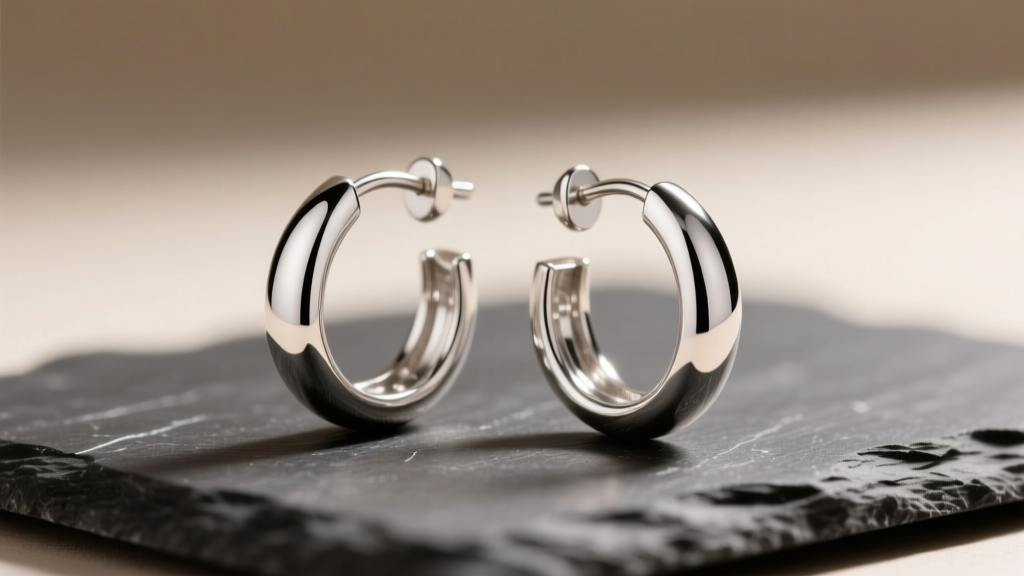
The Science of .925 Silver and Tarnish
To properly care for your jewelry, you must first understand the metallurgy of sterling silver. Pure silver (99.9%) is too soft for daily wear, especially for earring posts and clasps that endure mechanical stress. To solve this, jewelers create sterling silver, stamped as .925, which consists of 92.5% pure silver and 7.5% alloy metals. In the case of nickel free sterling silver earrings, that 7.5% is almost exclusively copper, or occasionally a blend of zinc and platinum.
Tarnish is not a defect; it is a predictable chemical reaction. The copper in the alloy reacts with hydrogen sulfide (H2S) in the air to form silver sulfide (Ag2S), which manifests as a dull yellow, brown, or black film on the surface. According to the Gemological Institute of America (GIA), environmental factors like high humidity, urban pollution, and even the natural sulfur compounds in your sweat can accelerate this process. Understanding this chemistry is the first step in mastering the maintenance of your sensitive-friendly earrings.
Daily Wear and Prevention Protocols
Prevention is vastly superior to restoration. The natural oils from your skin can actually create a mild protective barrier on silver, but external chemicals are the enemy. Implement these daily protocols to minimize tarnish buildup:
- The "Last On, First Off" Rule: Always put your earrings on after applying cosmetics, perfumes, hairsprays, and lotions. The alcohols and volatile organic compounds (VOCs) in these products can strip the silver's luster and accelerate copper oxidation.
- Sweat Management: If you wear your studs or huggies during a workout, wipe them down with a damp, lint-free microfiber cloth immediately afterward. The chlorides and urea in sweat are highly corrosive to the copper alloy.
- Shower and Swim Restrictions: Never wear sterling silver in chlorinated pools or hot tubs. Chlorine causes irreversible chemical pitting and can turn the alloy permanently brittle, leading to snapped earring posts.
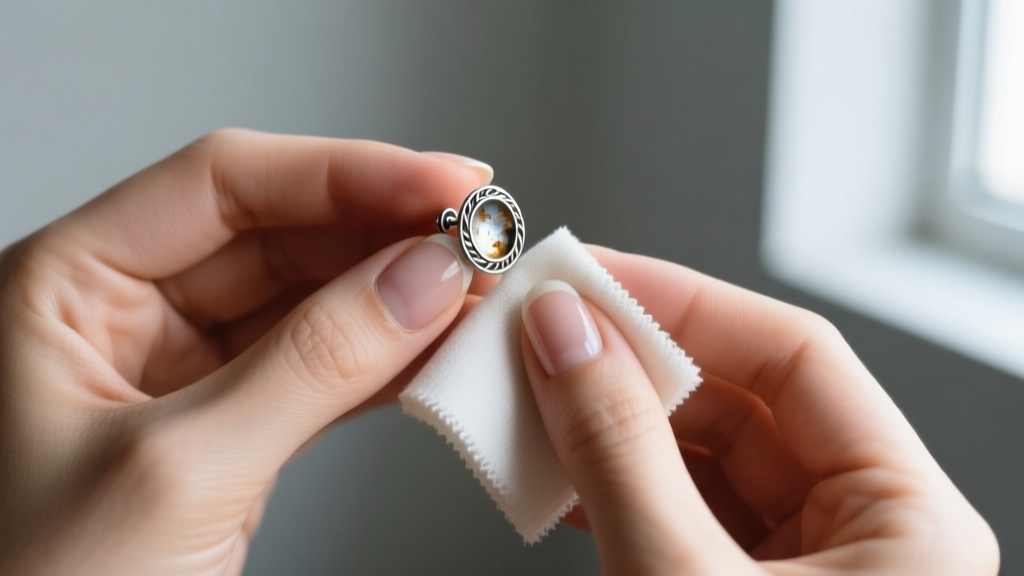
Step-by-Step Deep Cleaning Guide
When your nickel free sterling silver earrings lose their shine, you need a targeted approach. The method you choose depends on the severity of the tarnish and the presence of gemstones.
The Mild Soap Method (For Light Dirt and Oils)
This is the safest method for earrings featuring porous gemstones like turquoise, pearls, or opals, which cannot withstand harsh chemicals or heat.
- Mix three drops of phosphate-free, mild dish soap (like Dawn) into a bowl of lukewarm distilled water.
- Soak the earrings for exactly 3 to 5 minutes. Do not exceed this, as prolonged water exposure can weaken the epoxy used in gemstone settings.
- Gently agitate the water. Use a baby-soft toothbrush to lightly sweep the crevices around the earring post and clutch.
- Rinse under distilled water and pat completely dry with a lint-free cloth before storing.
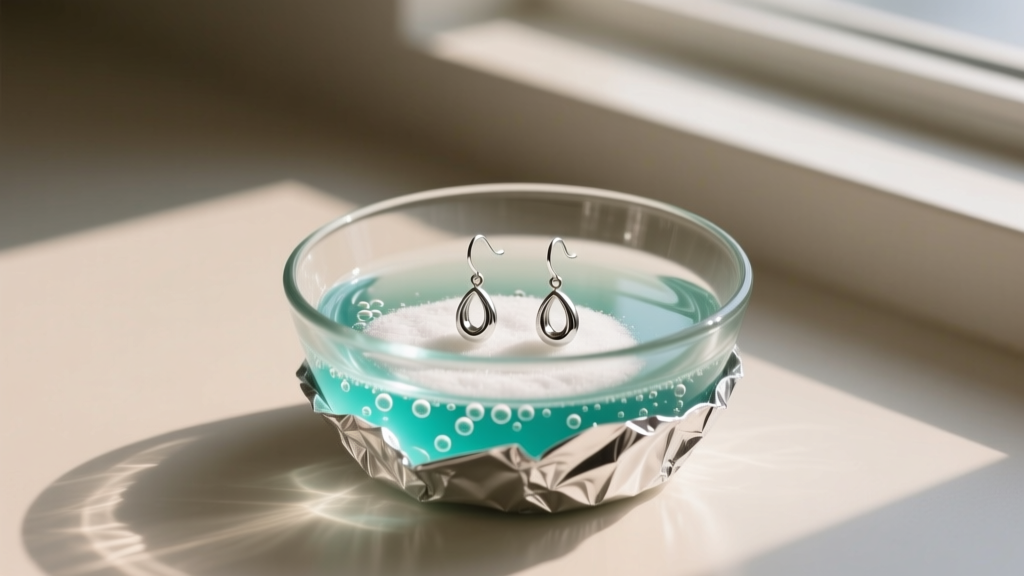
The Aluminum Foil Electrochemical Bath (For Heavy Tarnish)
This method uses ion exchange to reverse the silver sulfide reaction without removing any base metal. It is highly effective for solid silver hoops and dangles but must not be used on intentionally oxidized (blackened) silver designs or earrings glued with water-soluble adhesives.
- Line a glass or ceramic bowl with aluminum foil, shiny side facing up.
- Place your tarnished earrings directly on the foil, ensuring they touch the metal.
- Sprinkle 1 tablespoon of baking soda and 1 tablespoon of non-iodized salt over the jewelry.
- Pour 1 cup of boiling water into the bowl. You will see bubbling and smell a faint sulfur (rotten egg) odor—this is the hydrogen sulfide being released.
- Let them sit for 2 to 5 minutes. Use wooden tongs to remove the earrings, rinse thoroughly in cool distilled water, and buff dry.
Cleaning Methods Compared
| Method | Best Used For | Pros | Cons |
|---|---|---|---|
| Mild Soap Wash | Daily grime, gemstone settings | 100% safe for all materials | Does not remove chemical tarnish |
| Electrochemical Bath | Heavy, blackened tarnish | Removes tarnish without abrasion | Can ruin oxidized finishes and soft stones |
| Jeweler's Polishing Cloth | Maintenance, light yellowing | Portable, leaves anti-tarnish film | Removes microscopic layers of silver over time |
| Commercial Silver Dips | Emergency, severe neglect | Instant results | Highly toxic, strips metal, causes rapid re-tarnishing |
What to Avoid: Common Cleaning Mistakes
The internet is full of well-meaning but destructive cleaning hacks. To preserve the structural integrity of your earrings, avoid these common errors:
Never use toothpaste. Toothpaste contains hydrated silica and calcium carbonate, which rank between 3 and 4 on the Mohs hardness scale. Silver is only 2.5 to 3. Scrubbing with toothpaste will leave permanent micro-scratches, giving your earrings a dull, matte finish that traps future tarnish.
Additionally, avoid ultrasonic cleaners unless you are certain your earrings do not contain fracture-filled stones or plated elements. The high-frequency cavitation can shake gemstones loose from their bezels or prongs and strip away rhodium plating often used to coat nickel free sterling silver earrings for extra shine.
Proper Storage for Long-Term Anti-Tarnish
How you store your earrings when they are not in your ears dictates how much cleaning they will require later. The goal is to eliminate exposure to ambient sulfur and moisture.
- Anti-Tarnish Strips: Invest in 3M anti-tarnish tabs. These small paper strips absorb sulfur gases and hydrogen sulfide from the air. Place one strip inside your jewelry box or storage bag; they remain active for up to 12 months.
- Airtight Environments: Store individual pairs of earrings in small, zip-top polyethylene bags. Squeeze out as much air as possible before sealing. Polyethylene is chemically inert and will not off-gas chemicals that harm silver (unlike PVC plastics, which emit chlorine).
- Silica Gel Packets: Toss a few silica gel desiccant packets into your main jewelry box to control ambient humidity, which acts as a catalyst for the copper oxidation process.
Troubleshooting Sensitive Ear Reactions
Many consumers specifically seek out nickel free sterling silver earrings to avoid contact dermatitis. However, if you still experience itching, redness, or weeping of the earlobe, you may be reacting to the copper alloy itself, or to environmental debris trapped on the earring post.
According to the Mayo Clinic, metal allergies are triggered by ions leaching into the skin. If you are highly sensitive to copper, consider upgrading to Argentium Silver (.935). Argentium replaces some of the copper with germanium, which dramatically increases tarnish resistance and is inherently hypoallergenic and nickel-free.
As an immediate troubleshooting step, sterilize your earring posts with 70% isopropyl alcohol before every wear to remove microscopic bacteria and oxidized metal salts. If irritation persists, apply a microscopic layer of clear, medical-grade silicone barrier cream to the post before insertion, or consult a dermatologist for patch testing to identify the exact metal triggering your immune response.


