How to Clean and Care for Silver Heart Hoop Earrings
Learn expert cleaning, maintenance, and storage tips for silver heart hoop earrings. Keep your 925 sterling silver hoops tarnish-free and shining.

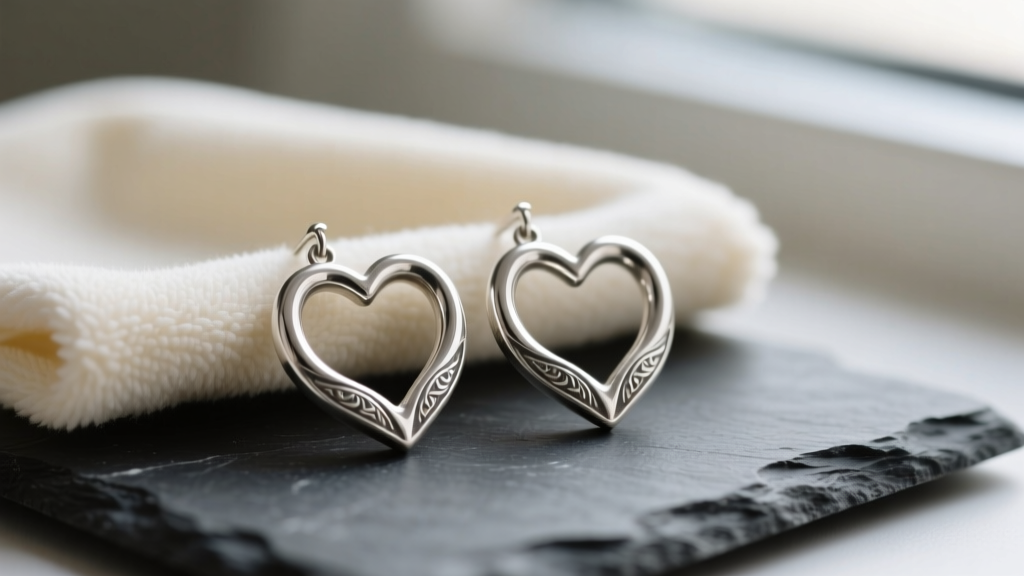
Silver heart hoop earrings are a timeless jewelry staple, blending the romantic symbolism of the heart motif with the versatile, face-framing geometry of a hoop. However, the very nature of silver makes it susceptible to environmental degradation. Whether you own delicate 15mm huggies with heart charms or bold 40mm statement hoops, maintaining their luster requires more than a quick wipe with a tissue. In this comprehensive care guide, we explore the metallurgy of silver, provide laboratory-grade cleaning protocols, and outline hardware maintenance to ensure your earrings remain pristine for decades.
The Metallurgy of Silver Heart Hoops: Why They Tarnish
To properly care for your jewelry, you must first understand its composition. Pure silver (999 fine silver) is highly resistant to tarnish but far too malleable to hold the structural integrity required for hoop earrings and clicker hinges. Therefore, jewelers use Sterling Silver (925), an alloy containing 92.5% silver and 7.5% copper.
It is this 7.5% copper that causes tarnish. When copper is exposed to sulfur compounds in the air (hydrogen sulfide), humidity, and everyday chemicals like lotions or perfumes, it undergoes a chemical reaction that forms silver sulfide—a dark, dull layer on the surface. According to the Gemological Institute of America (GIA), this tarnish is not a flaw in the metal, but a natural characteristic of the copper alloy. Modern alternatives like Argentium Silver (which replaces some copper with germanium) offer higher tarnish resistance, but traditional 925 sterling remains the industry standard for heart hoop designs.
Essential Cleaning Toolkit for Silver Heart Hoop Earrings
Before attempting to clean your hoops, assemble the correct materials. Using abrasive or highly acidic cleaners can strip rhodium plating, scratch high-polish finishes, and damage gemstone accents often found in heart charms.
| Cleaning Agent | Purpose | Safe for 925 Silver? | Safe for Gemstone Accents? |
|---|---|---|---|
| Mild Dish Soap (e.g., Dawn) | Removing oils, sebum, and daily grime | Yes | Yes (Avoid porous stones like pearls) |
| Baking Soda & Aluminum Foil | Electrochemical tarnish removal | Yes (Solid silver only) | No (Can damage soft stones) |
| Impregnated Polishing Cloth | Mild tarnish removal and buffing | Yes | Yes |
| Silver Dip (Acidic Thiourea) | Instant heavy tarnish removal | Use with extreme caution | No (Will etch stones) |
| Ultrasonic Cleaner | Dislodging dirt from crevices | Yes | No (Vibrations fracture included stones) |
Step-by-Step Deep Cleaning Protocols
Depending on the level of oxidation and the specific design of your silver heart hoop earrings, choose one of the following methods.
Method 1: The Mild Soap Bath (For Routine Maintenance)
This is the safest method for hoops featuring cubic zirconia, enamel, or oxidized (blackened) detailing within the heart charm.
- Line a small glass bowl with a soft cloth to prevent scratching.
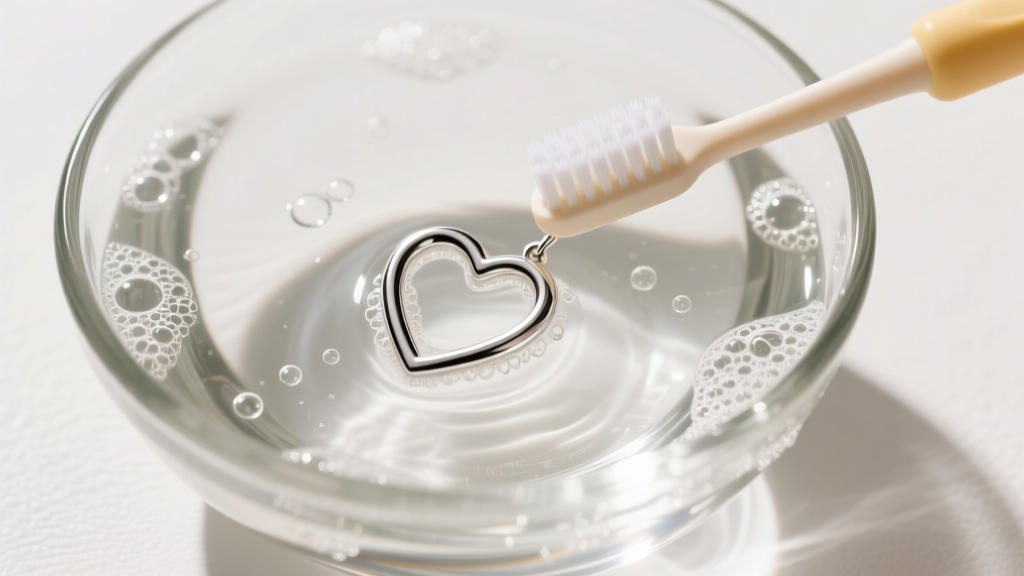
- Add a few drops of phosphate-free, mild dish soap to lukewarm water. Never use hot water, as it can crack temperature-sensitive stones.
- Submerge the earrings for 3 to 5 minutes to loosen sebum and cosmetic buildup.
- Gently agitate the water, then use a soft-bristled baby toothbrush to carefully clean the hinge barrel and the crevices of the heart charm.
- Rinse under distilled water (tap water contains chlorine and minerals that cause spotting) and dry immediately with a lint-free microfiber cloth.
Method 2: Electrochemical Ion Exchange (For Heavy Tarnish)
If your solid 925 sterling silver hoops have turned completely black or yellow, you can reverse the silver sulfide reaction without removing any base metal. Warning: Do not use this method if your heart hoops feature intentional oxidized detailing or soft gemstones like opals or turquoise.
- Line a heat-safe glass dish with aluminum foil, shiny side up.
- Place the tarnished silver heart hoops on the foil, ensuring the metal touches the aluminum.
- Sprinkle 1 tablespoon of baking soda and a pinch of table salt over the jewelry.
- Pour boiling water into the dish. You will see bubbling and may smell a faint sulfur (rotten egg) odor. This is the sulfur transferring from the silver to the aluminum.
- After 2 minutes, remove the hoops with wooden tongs, rinse in distilled water, and buff to a high shine.
Hardware Maintenance: Hinges and Clasps
The most common failure point in silver heart hoop earrings is the hinge mechanism. Hoops typically utilize either a saddle hinge (a grooved wire that snaps into a catch) or a clicker hinge (a spring-loaded barrel mechanism). Dirt and oxidized metal dust frequently accumulate inside these tiny tolerances, causing the hoop to stick or fail to close securely.
- Clearing the Barrel: Use a wooden toothpick or a soft interdental brush to gently dislodge compacted lint and dead skin cells from the clicker barrel. Never use metal needles, as they will scratch the inner silver housing.
- Lubrication: If a clicker hinge becomes stiff or fails to 'click' audibly, apply a microscopic drop of mineral oil to the hinge joint using a sewing needle. Avoid WD-40 or synthetic lubricants, which degrade skin oils and attract abrasive dust.
- Wire Tensioning: For saddle-hinge hoops, the wire post can become bent over time, preventing a secure closure. Gently bend the wire post upward by a fraction of a millimeter using nylon-jaw pliers to restore the snapping tension.
Storage: Preventing Tarnish Before It Starts
Proper storage is the cornerstone of silver maintenance. The Silver Institute notes that controlling the micro-climate around your jewelry drastically reduces the need for aggressive polishing, which eventually wears down the silver layer.
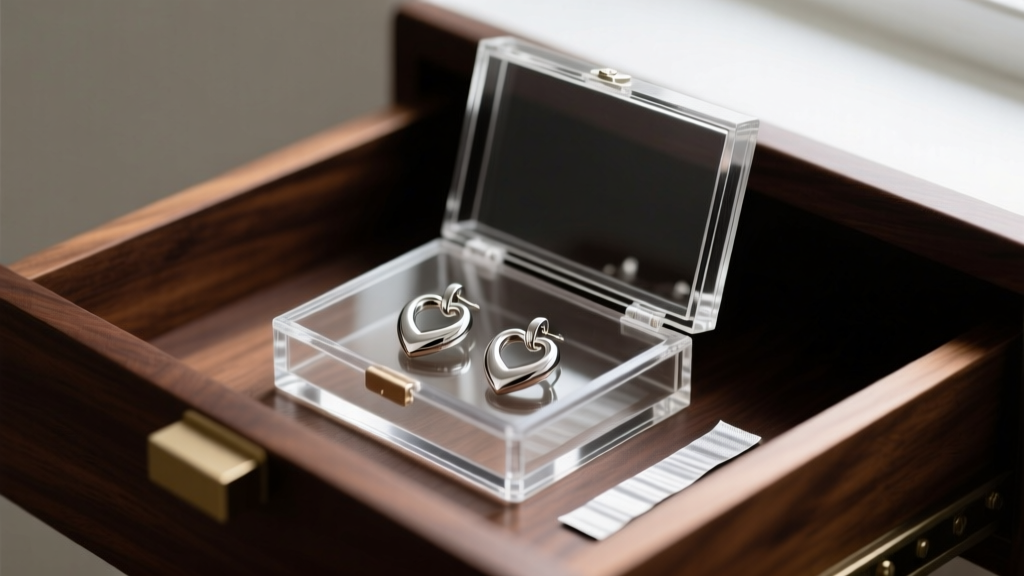
Expert Tip: Never store silver heart hoop earrings in cardboard boxes or standard paper envelopes. Paper products contain sulfur compounds and acids that actively accelerate the tarnishing process. Always opt for archival-quality, acid-free materials.
For optimal preservation, store your hoops in individual airtight polyethylene ziplock bags. Squeeze out excess air before sealing. Inside each bag, place a 3M Anti-Tarnish Strip or a piece of Pacific Silvercloth. These materials absorb ambient sulfur and moisture, keeping the silver pristine for up to 12 months of non-wear. Avoid storing your jewelry in the bathroom, where high humidity and aerosolized hair products create a highly corrosive environment.
Troubleshooting Common Silver Heart Hoop Issues
The 'Green Ear' Phenomenon
If your earlobes or cartilage turn green or black while wearing silver hoops, this is not a sign of fake silver. It is a harmless reaction between the copper in the 925 alloy and the acidity (pH) of your skin, sweat, or lotions. To prevent this, wipe the earring posts with rubbing alcohol before wearing to remove surface oils, or ask a local jeweler to apply a microscopic layer of rhodium plating to the earring posts.
Snagging on Hair and Clothing
Heart charms suspended on jump rings or integrated into the hoop design often feature tiny prongs or solder joints that can catch on fine hair or knitwear. Inspect the perimeter of the heart charm under a jeweler's loupe or magnifying glass. If you feel a rough burr, gently run a polishing buffing stick or a piece of 1200-grit wet/dry sandpaper over the snag point until it is perfectly smooth.
By understanding the chemical nature of sterling silver and employing these targeted cleaning and storage techniques, your silver heart hoop earrings will retain their structural integrity and brilliant luster, remaining a cherished part of your jewelry rotation for years to come.


